 1:18
'All cars will have Starlink': Musk's prediction, and the Cybercab with a built-in dish
Elon Musk says every car will eventually connect via Starlink, and photos show a Cybercab with an antenna built into the rear. Here is what is known about satellite internet in Teslas.
Tesla cars connect to the internet through mobile networks today. Elon Musk thinks that will change. In a post on X on August 9, he wrote that all cars will have Starlink in the future, calling it the only way to deliver very high bandwidth to billions of vehicles.
The Cybercab clue
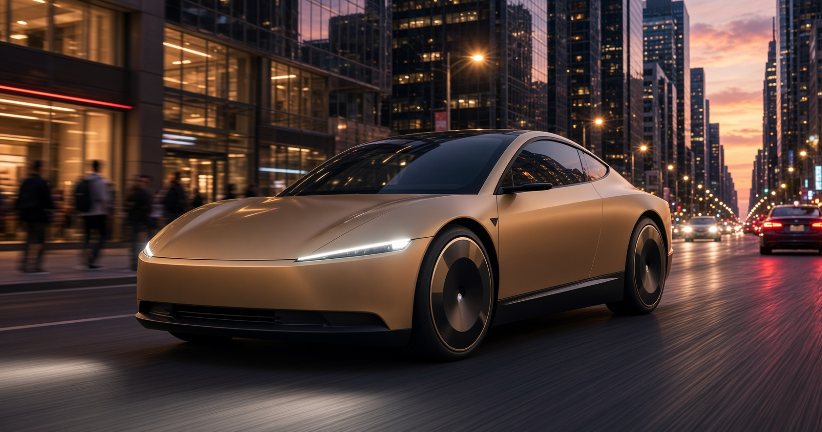
Days later, Tesla's robotaxi account posted photos of a Cybercab with a Starlink antenna built into the rear of the vehicle, not mounted on the roof. Tesla had earlier shown a diagram of an integrated Starlink system for the Cybercab. The antenna is likely based on Starlink's newest, smaller terminal, which is much lighter and uses less power than earlier versions.
Why it makes sense for robotaxis
- Coverage: satellite internet works where mobile networks are weak, such as rural roads.
- Remote support: a driverless car may need help from a remote operator; a reliable connection is essential.
- Data: a fleet of cars can upload video and driving data to train AI, which needs lots of bandwidth.
Not replacing mobile networks yet
The Cybercab still has 5G hardware, so Starlink is likely to add to the mobile connection rather than replace it. Tesla has not said whether its customer cars will get Starlink, what it would cost, or when.
The ecosystem link
Starlink is run by SpaceX, which is also led by Musk. Tesla and SpaceX are studying a possible merger, and integrated satellite connectivity is one of the most concrete examples of how the two companies' products could fit together.
What to watch
Whether Starlink becomes a standard feature on the Cybercab, any plans for Model 3 and Model Y, and how Tesla would price satellite connectivity compared with its current Premium Connectivity subscription.