 3:39
Tesla Q3 2026 earnings: margins rebound and cash flow turns positive, but profit falls 43%
Tesla beat profit estimates with $0.48 adjusted EPS on flat $28.05 billion revenue. Gross margin rose to 19.6% and free cash flow hit $1.53 billion, while rising AI spending kept net income down sharply.
Tesla published its third-quarter 2026 results on Wednesday October 21, shortly after the US market closed, and the picture is more encouraging than many analysts had feared. Revenue was flat and profit fell again, but margins recovered for the second time this year and the company generated cash instead of burning it. The earnings call with Elon Musk follows at 5:30 p.m. Eastern Time (10:30 p.m. UK time).
The headline numbers
- Revenue: $28.05 billion, essentially unchanged from a year earlier and right in line with the roughly $28 billion Wall Street expected.
- Adjusted earnings per share: $0.48, ahead of the consensus of about $0.45 but slightly below the $0.50 of a year ago.
- GAAP net income: $787 million, down 43%, or $0.22 per share.
- Operating income: $718 million, less than half of last year's $1.62 billion, for an operating margin of 2.6%. That is still thin, but it is almost double the 1.4% of the second quarter.
- Free cash flow: $1.53 billion positive. Bloomberg's consensus had pointed to a cash outflow of around $4.5 billion.
Margins bounce back
The most welcome number for investors is probably the gross margin. Across the whole company it rose to 19.6%, from 18.0% a year ago and 16.8% in the second quarter. In the car business, gross margin excluding regulatory credits climbed to 18.1%, compared with 15.4% a year earlier and 16.3% last quarter.
That improvement came without much help from regulatory credits, which Tesla sells to other carmakers that miss emissions targets. Credit revenue shrank to $113 million, down 73% year over year, so the better auto margin reflects the cars themselves.
Tesla also says it ended the quarter with its biggest order backlog for passenger cars in four years, and that battery supply, not demand, was what held back higher volumes. Inventory fell to 11 days of supply from 15 days in the previous quarter. Some observers will question that framing, since average selling prices have been falling, which is not typical for a carmaker that cannot build cars fast enough.
Energy: smaller revenue, much better margin
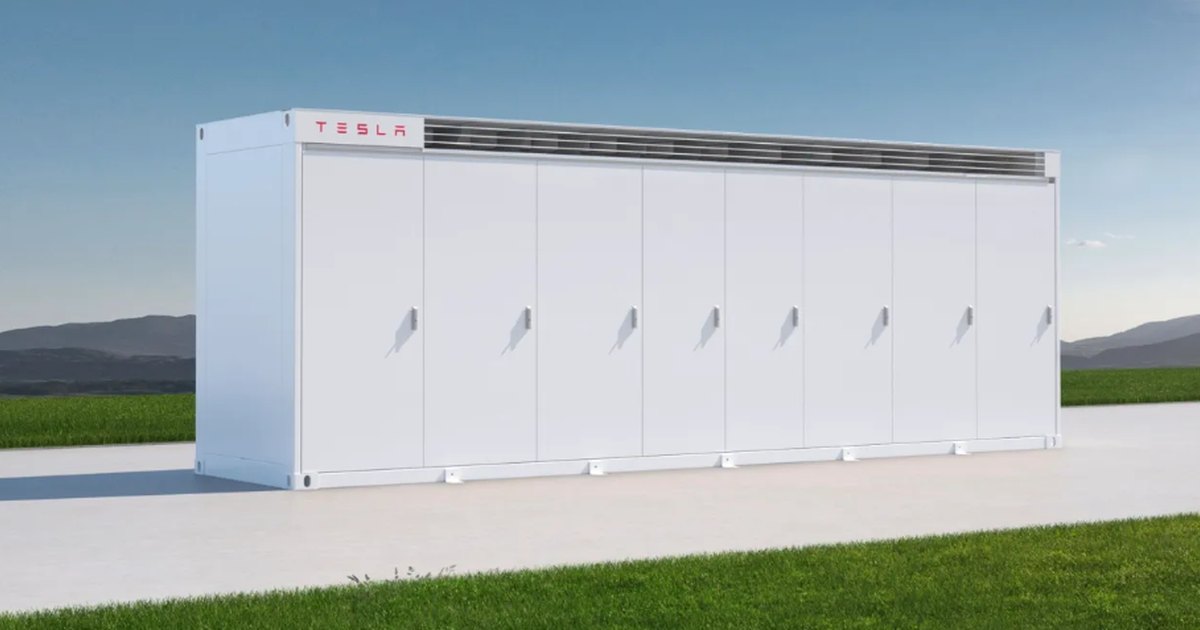
The energy storage and solar business told a mixed story. Revenue fell 16% to $2.88 billion, even though deployments rose 10% to 13.7 GWh (a figure that was already known and fell short of expectations). At the same time, the segment's gross margin jumped to 33% from about 20% in the second quarter, well above the low-to-mid 20s range Tesla had previously pointed to.
Services and other revenue, which includes things like Supercharging, insurance, paid software and used cars, grew 33% to $4.61 billion with record gross profit of $734 million.
Spending on AI keeps rising
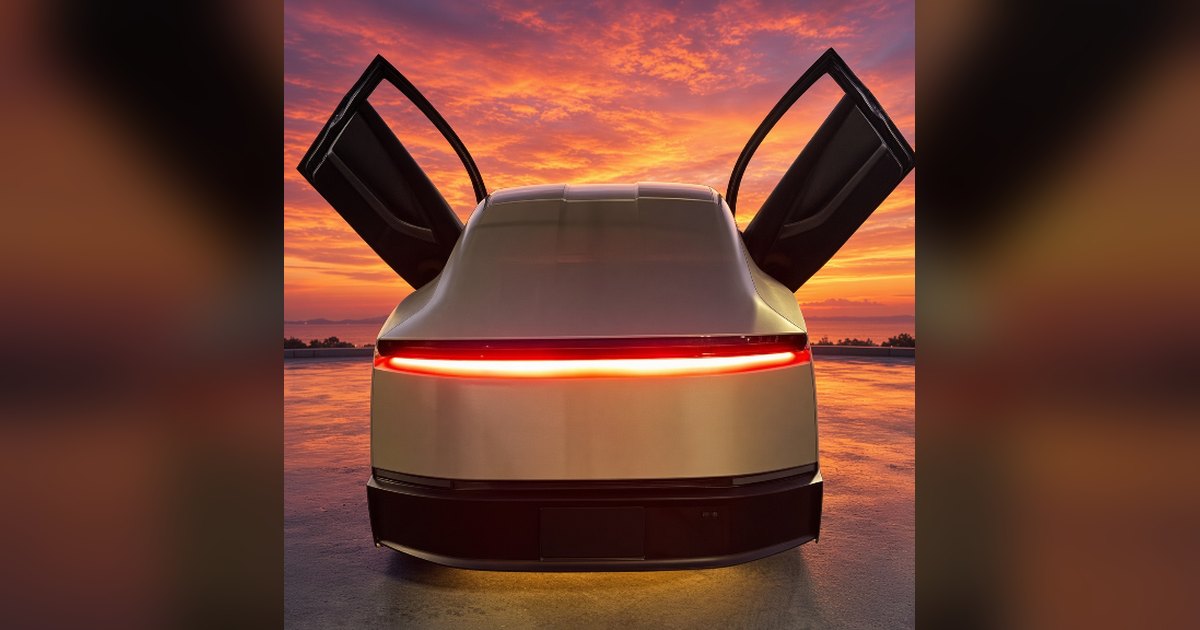
Behind the profit decline is a sharp rise in spending. Operating expenses climbed 39% to $4.78 billion, with research and development up 69% to $2.76 billion as Tesla pours money into Cybercab, the Optimus robot and AI training. Stock-based compensation also jumped to $1.17 billion.
Capital expenditure was $4.73 billion, more than double a year ago but well below the roughly $7.8 billion analysts had modeled. Tesla has not changed its guidance of more than $25 billion in capex for 2026. With about $13 billion spent in the first nine months, that would imply roughly $12 billion in the fourth quarter alone, which makes the fourth-quarter cash flow outlook a key question. Tesla ended September with $45.4 billion in cash and investments.
Two one-off items also moved net income: a $288 million unrealized gain on Tesla's bitcoin holdings and a $142 million unrealized loss on its stake in SpaceX.
FSD and robotaxi
Tesla reported 1.74 million active FSD users, up 67% from a year earlier. Note that this count includes customers who bought FSD upfront, not only monthly subscribers. Its robotaxi service had covered close to 2 million cumulative miles without a safety driver by the end of the quarter, with the Cybercab joining the Austin fleet about a month before the quarter closed.
Why it matters and what to watch
After a weak second quarter, when Tesla missed profit estimates badly and burned cash, this report suggests the core business has stabilized: better margins, positive cash flow and lower-than-feared spending. Profit is still far below last year, though, and the bill for AI and autonomy is growing fast.
On tonight's call, watch for:
- Whether Tesla confirms its capex plan for the fourth quarter, or quietly lowers it.
- Timelines for Cybercab volume production and robotaxi expansion to more cities.
- Any update on Optimus production at Fremont.
- Comments on the possible SpaceX merger, which special committees at both companies are now studying, although Musk has previously said an earnings call is not the place to discuss a deal.
We will cover the most important announcements from the call in a separate article.
This article is for information only and is not financial advice.