 1:21
From Model S to Optimus: how Tesla turned its Fremont flagship lines into a robot factory
The lines that built the Model S and Model X for more than a decade now build Optimus robots. Here is what changed in Fremont, the targets and the doubts.
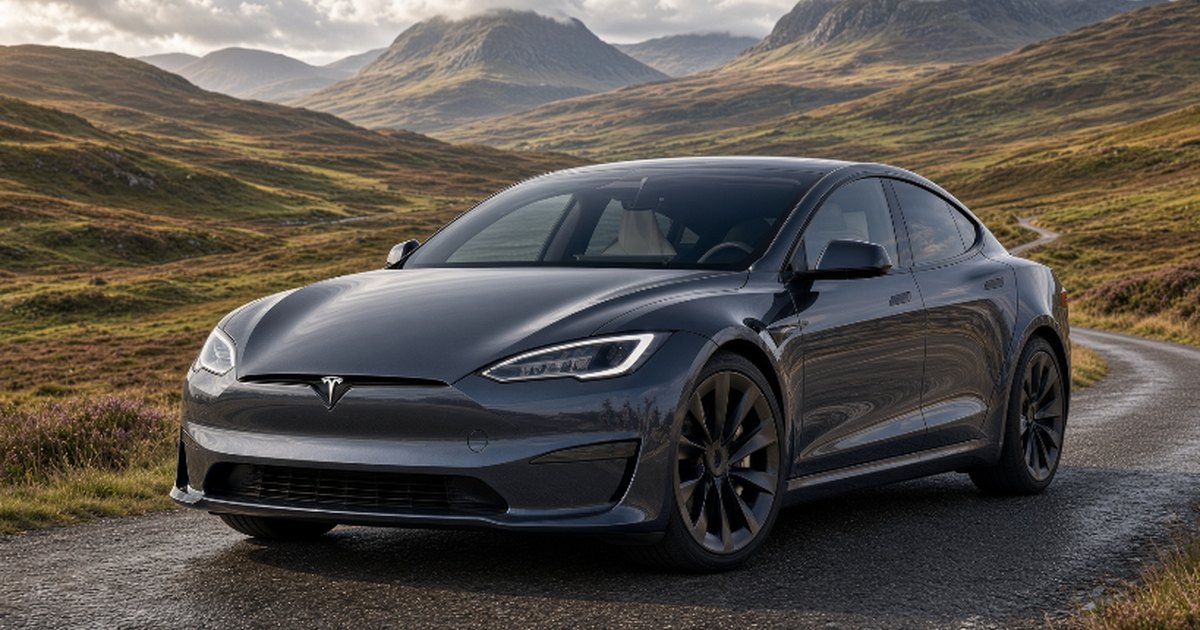
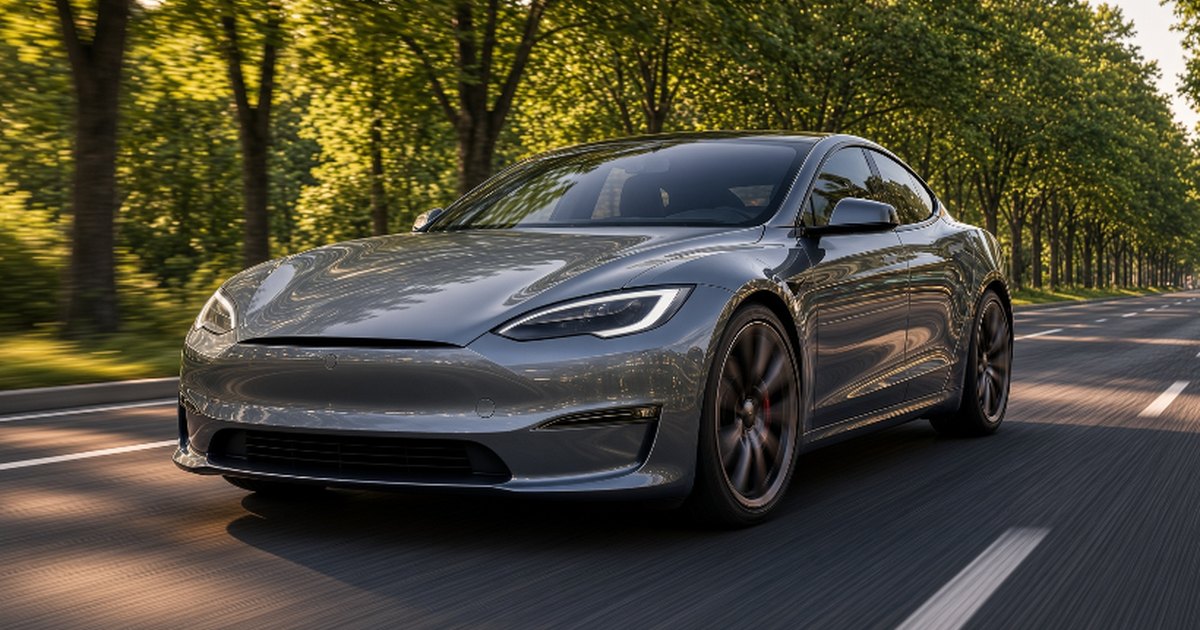
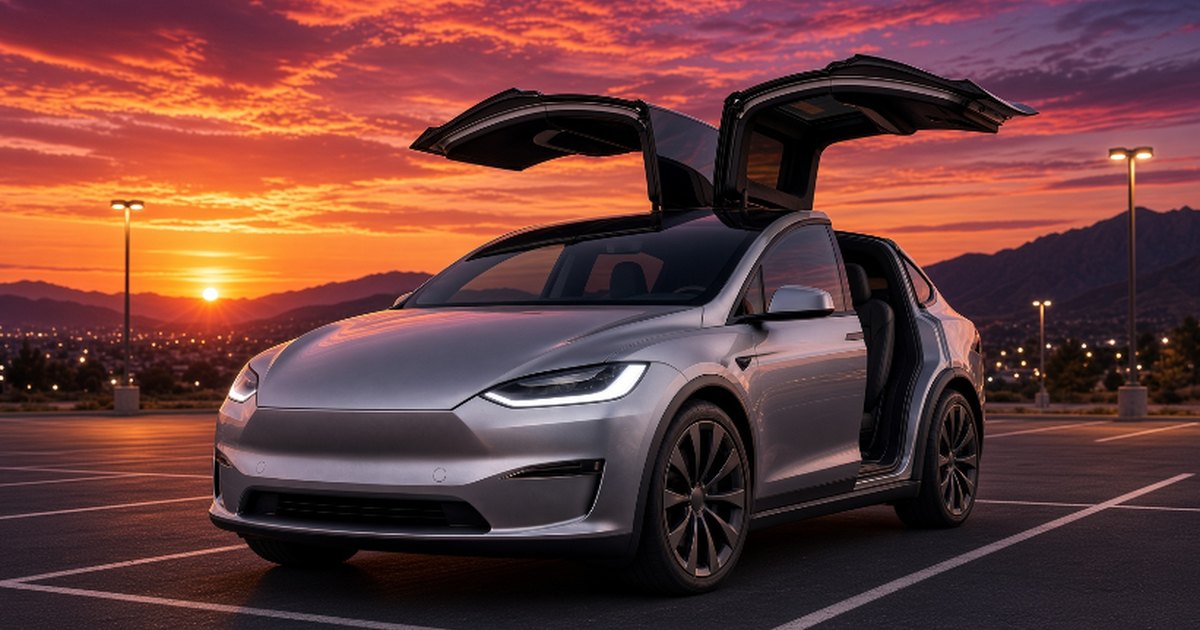
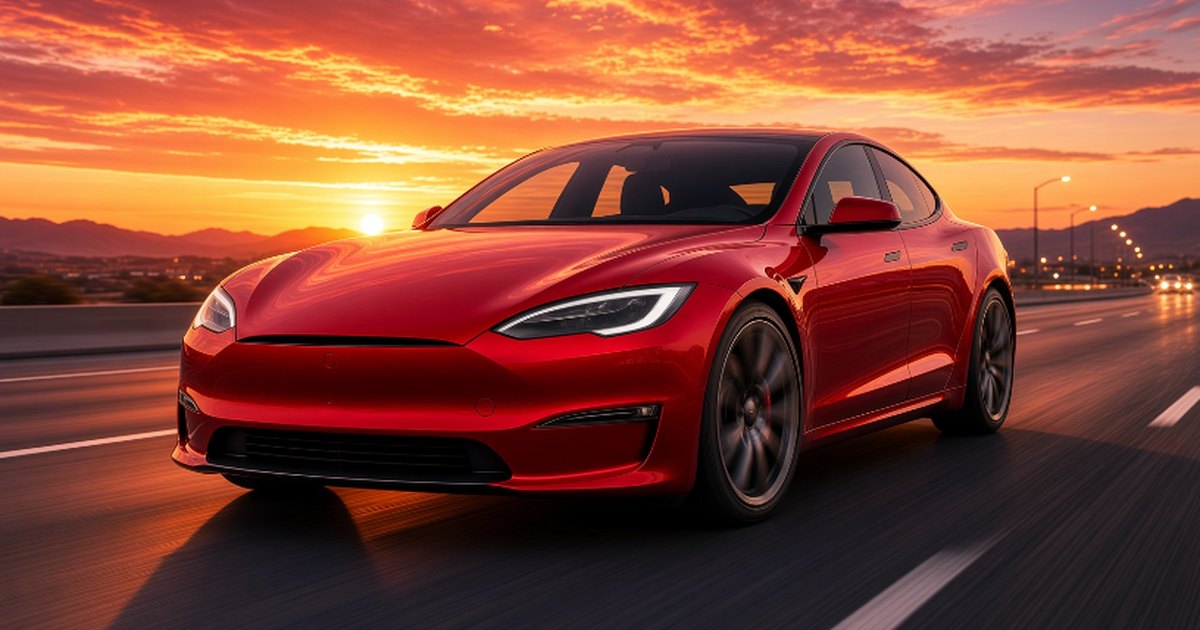
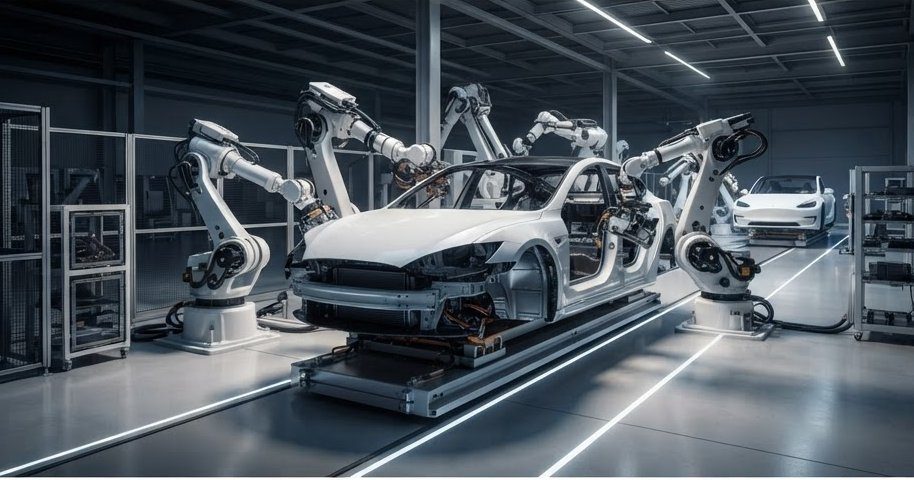
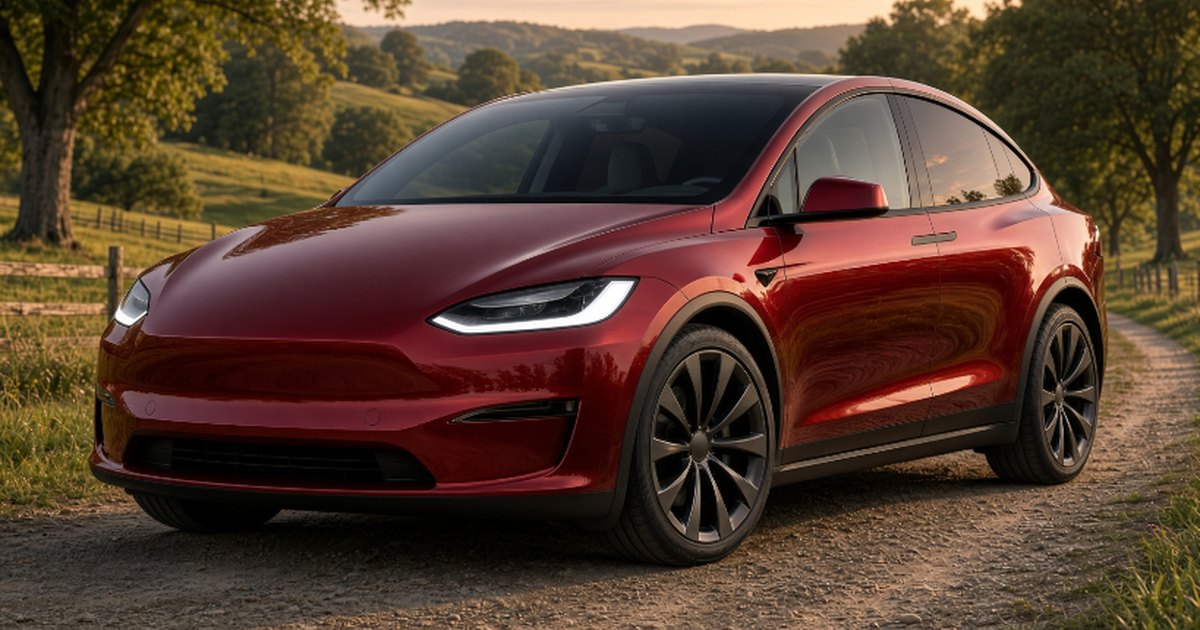
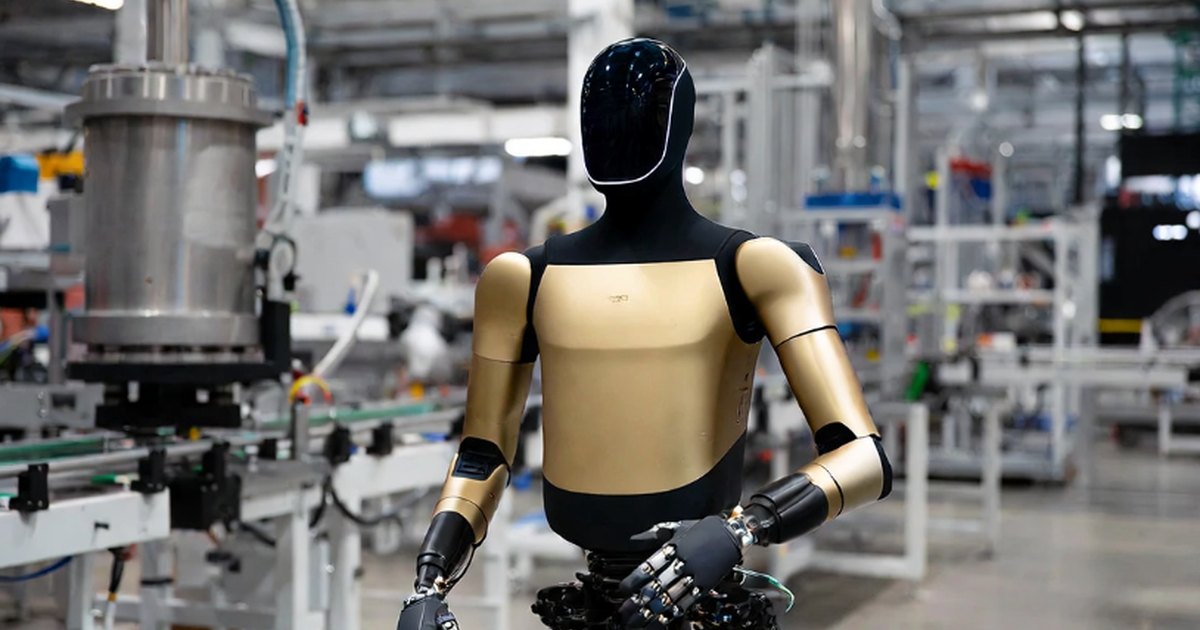
For more than ten years, Tesla's Fremont factory built the Model S and Model X, the cars that made the brand. In 2026 those lines got a new job: building Optimus, Tesla's humanoid robot.
What happened
Elon Musk announced the end of the Model S and Model X on Tesla's fourth-quarter call in January 2026, calling it an honorable discharge for the two cars. Production stopped in the second quarter. The space they used in Fremont is being converted into production lines for Optimus.
The targets
- Design capacity: Tesla said in April that the first-generation Optimus lines in Fremont are designed for up to one million robots a year.
- Start: on its first-quarter call, Tesla pointed to production starting around late July or August 2026.
- Set-up time: Musk expected the new line to take about four months to install.
- Second factory: a much larger Optimus plant at Gigafactory Texas is being prepared for later.
Why it is hard
A humanoid robot is a far more complex product than a car body. Optimus has more than 10,000 unique parts, none of which were mass-produced before. Musk himself warned that initial production would be slow. Critics also point out that Tesla's earlier target of building around 10,000 robots by the end of 2025 was missed.
Why Tesla made the trade
The Model S and X had become a small part of Tesla's sales, an estimated 3% of deliveries in 2025. Tesla is betting that robots will be worth far more than low-volume luxury cars. Freeing up an existing, fully equipped factory was the fastest way to get there.
For existing S and X owners
Tesla says it will keep servicing the Model S and Model X, supplying parts and sending software updates. It has not said for how long.