 1:16
Tesla Energy explained: the quiet business that now carries Tesla's margins
Megapacks and Powerwalls earn Tesla more profit per dollar than its cars right now. Here is how big Tesla Energy has become, where the money comes from and what could slow it down.
Most headlines about Tesla are about cars, robotaxis and robots. But one of the healthiest parts of the company is its energy business: big Megapack batteries for the grid and Powerwall batteries for homes.
How big it is
- Revenue: about $12.8 billion in 2025 and $3.14 billion in the second quarter of 2026.
- Deployments: 13.7 GWh of storage in the third quarter of 2026, up almost 10% from a year earlier but below the record of 14.2 GWh in the fourth quarter of 2025, and below what analysts expected.
- Margin: a gross margin of 20.4% in the second quarter, higher than Tesla's car business, where the margin excluding regulatory credits was 16.3%.
Where the money comes from
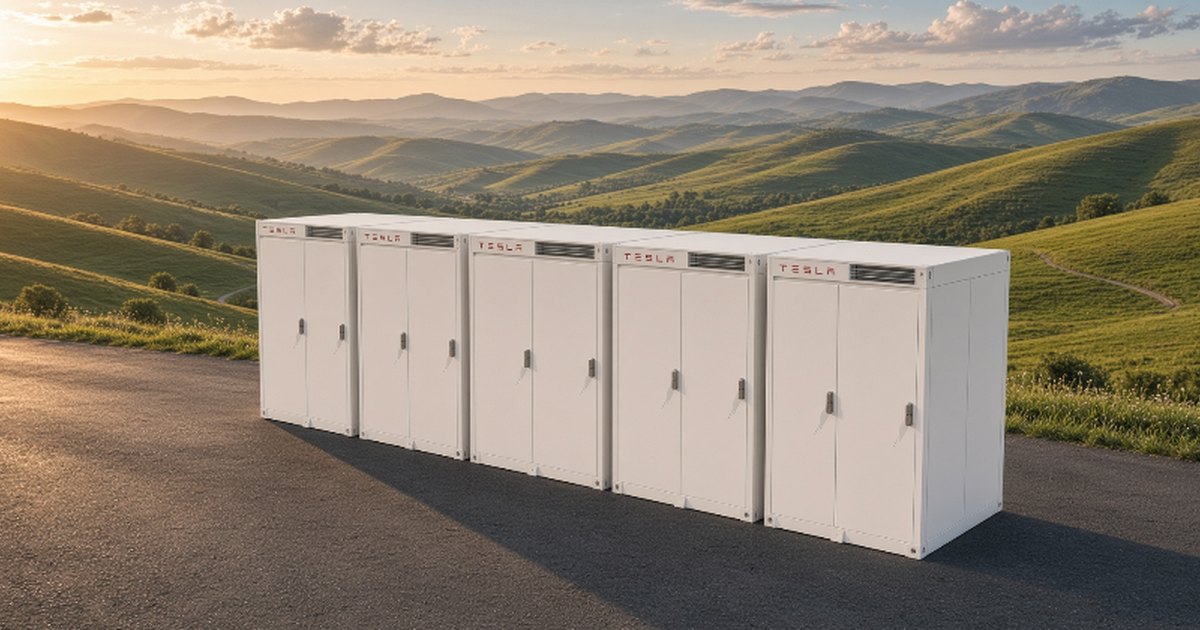
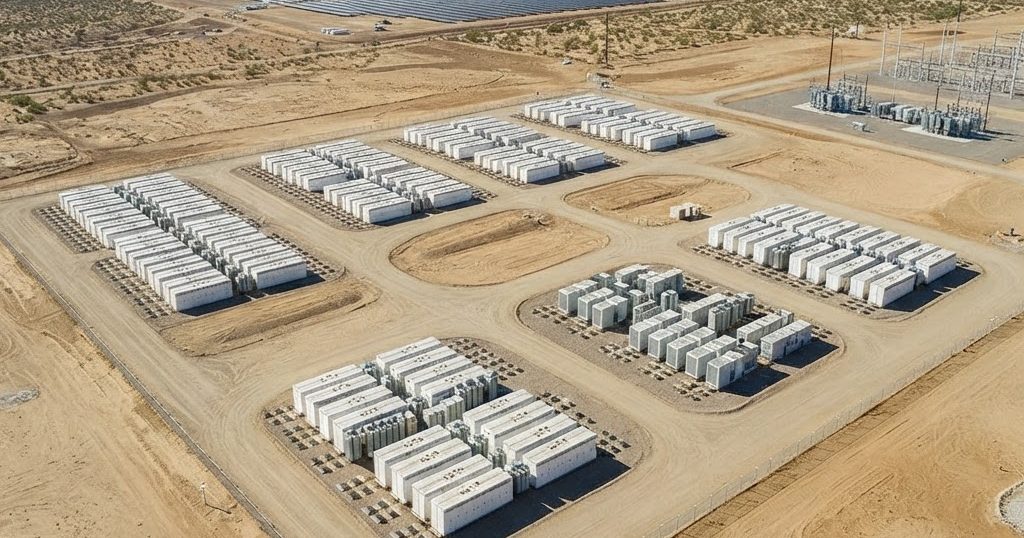
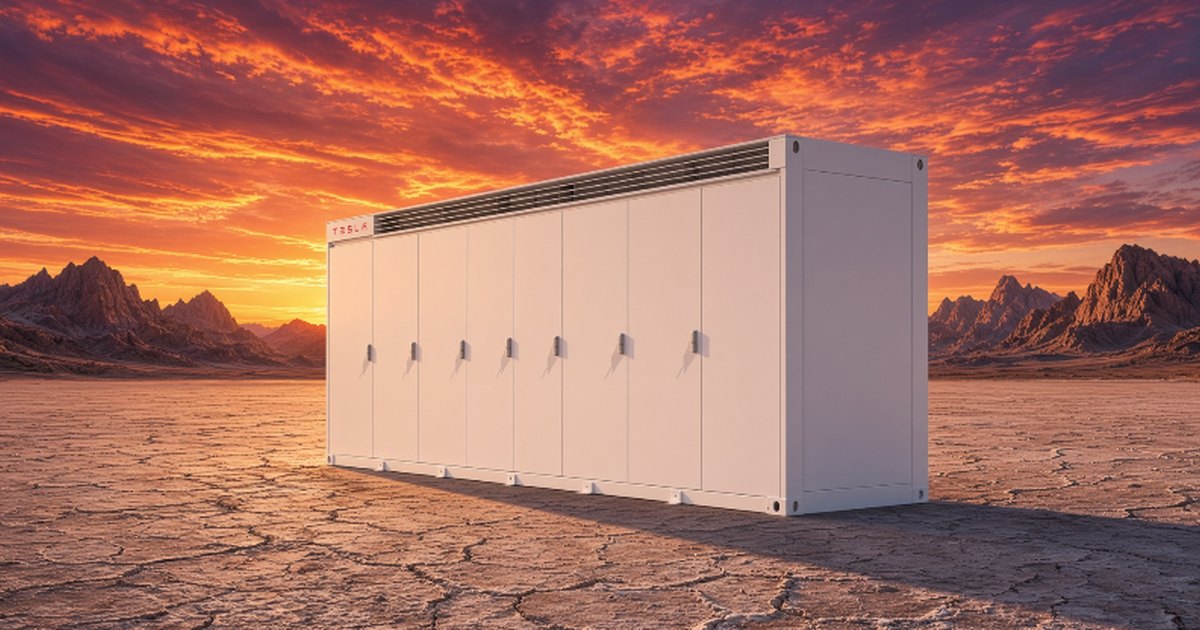
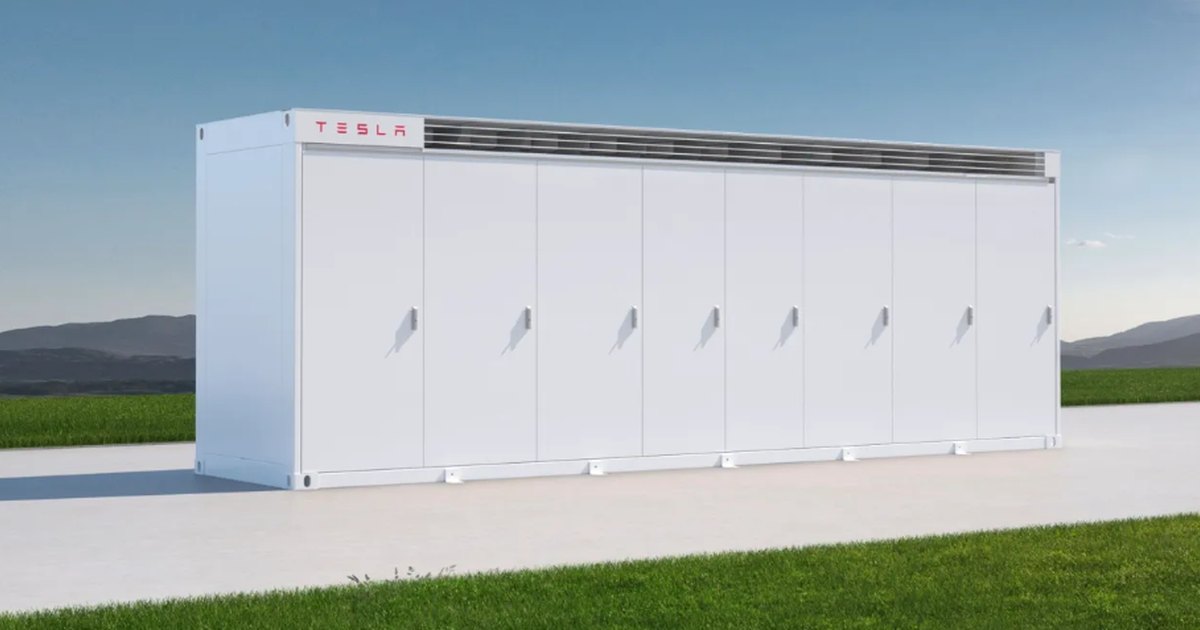
- Megapack: large container batteries for utilities and data centers. This is by far the biggest part.
- Powerwall: home batteries, often combined with solar panels, for backup and lower bills.
- Software: Tesla's software operates storage systems and can trade their power on electricity markets, an extra source of income.
Why demand is strong
Electricity grids need storage to absorb solar and wind power and release it when demand peaks. AI data centers add a new wave of demand for reliable power. Batteries can be installed far faster than new power plants.
The risks
- Competition: Chinese suppliers offer storage at very low prices.
- Tariffs and rules: many cells still come from China, so US trade policy affects costs.
- Lumpy quarters: big projects make deployments jump up and down from quarter to quarter.
What to watch
Energy margins in Tesla's quarterly results, the ramp of the new Megafactory in Texas, and the first Megablock projects.
This article is for information only and is not financial advice.