 1:30
Tesla Cybercab specs explained: battery, range, weight and why it skips AC charging
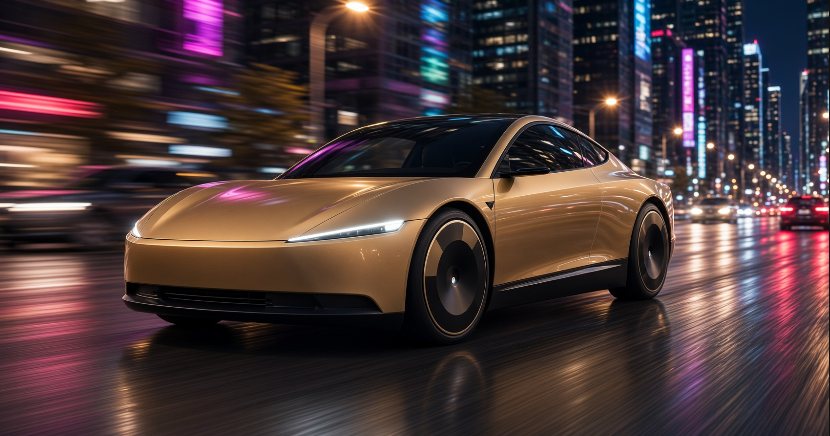
A small battery, a light body and DC-only charging: the Cybercab's numbers show a car built for one job. Here is what is inside and what it tells us about Tesla's robotaxi plans.
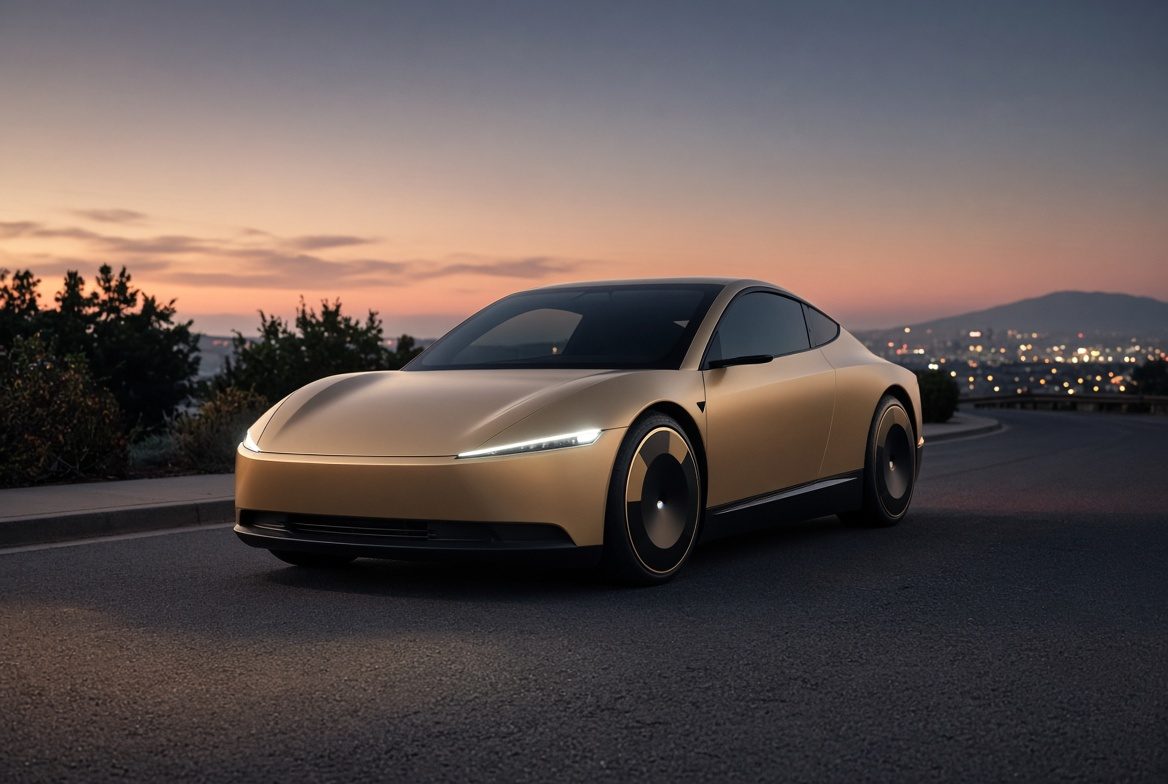
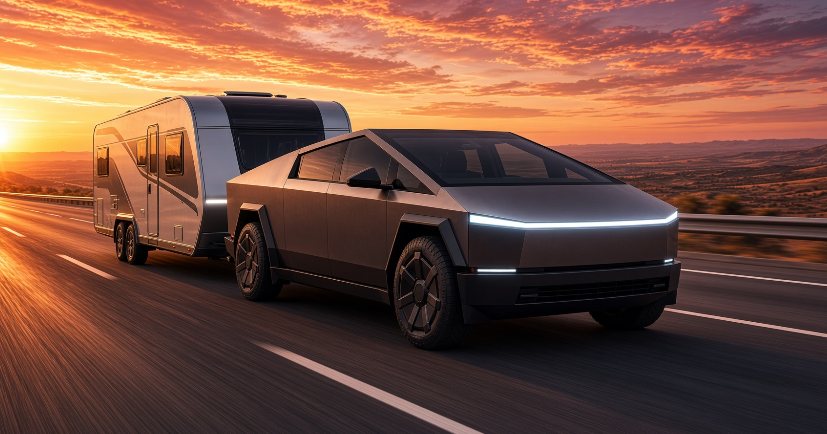
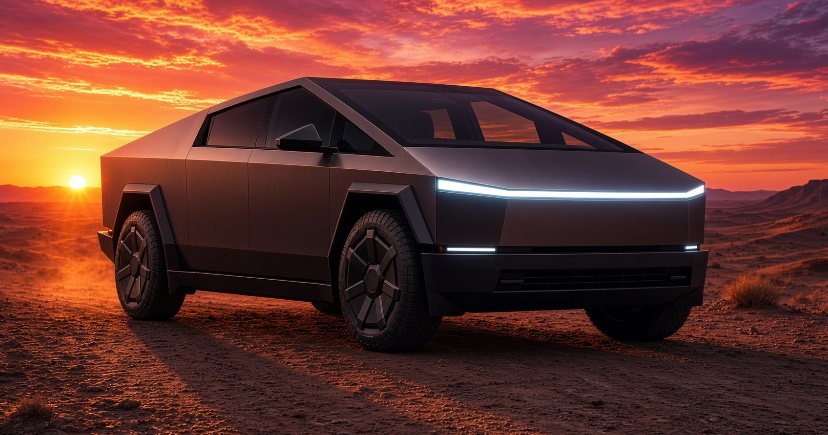
Now that the Cybercab is carrying paying passengers in Austin, it is worth looking at what Tesla actually built. Most of the hard numbers come from EPA documents that surfaced in June, with a few details confirmed around the launch.
The key numbers
- Battery: 48 kWh, built from Tesla's own 4680 cells.
- Range: about 293 miles (472 km), a preliminary EPA estimate.
- Power: 219 hp (163 kW).
- Curb weight: 3,113 lb (1,412 kg), with a payload of 617 lb (280 kg).
- Efficiency: around 165 Wh per mile.
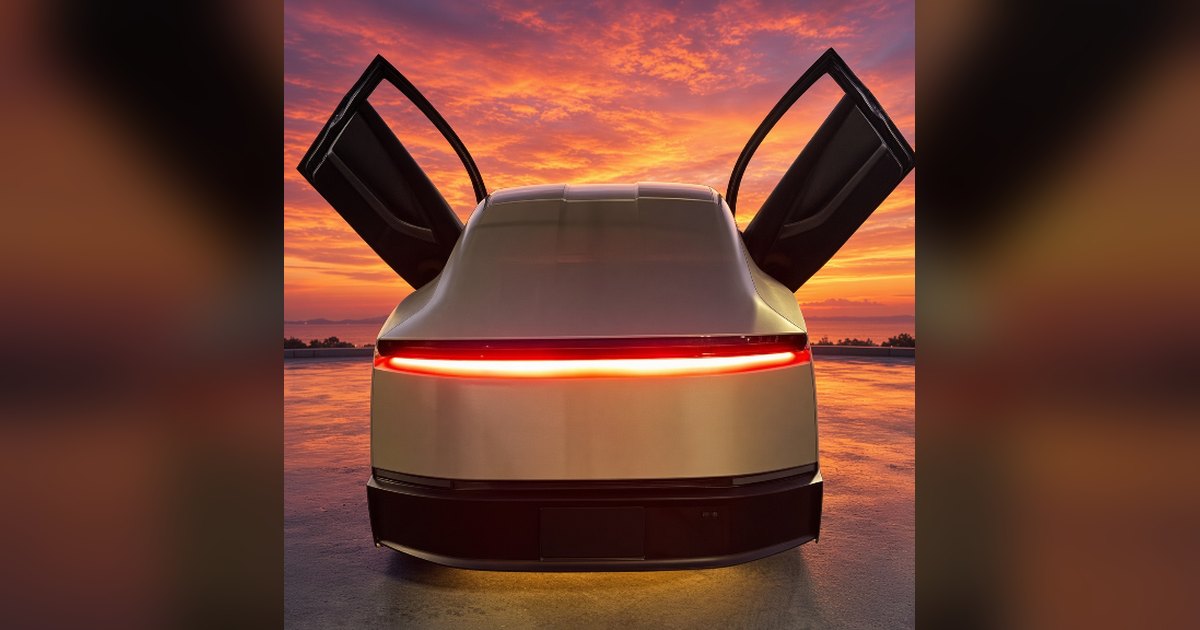
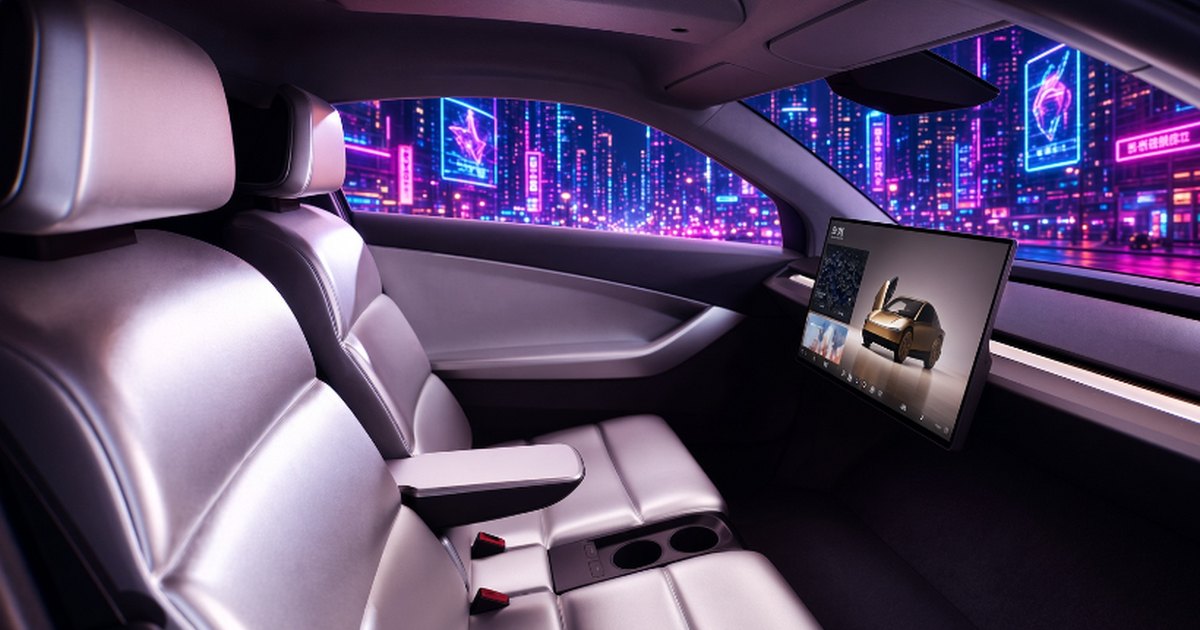
- Seats: two, with no steering wheel or pedals.
A small battery on purpose
For comparison, a Model Y carries a considerably larger pack. The Cybercab gets away with 48 kWh because it is light, aerodynamic and designed to drive short urban trips all day, returning to a hub to recharge. A smaller battery means a cheaper car and less weight to haul around, which is exactly what you want when you are selling rides by the mile.
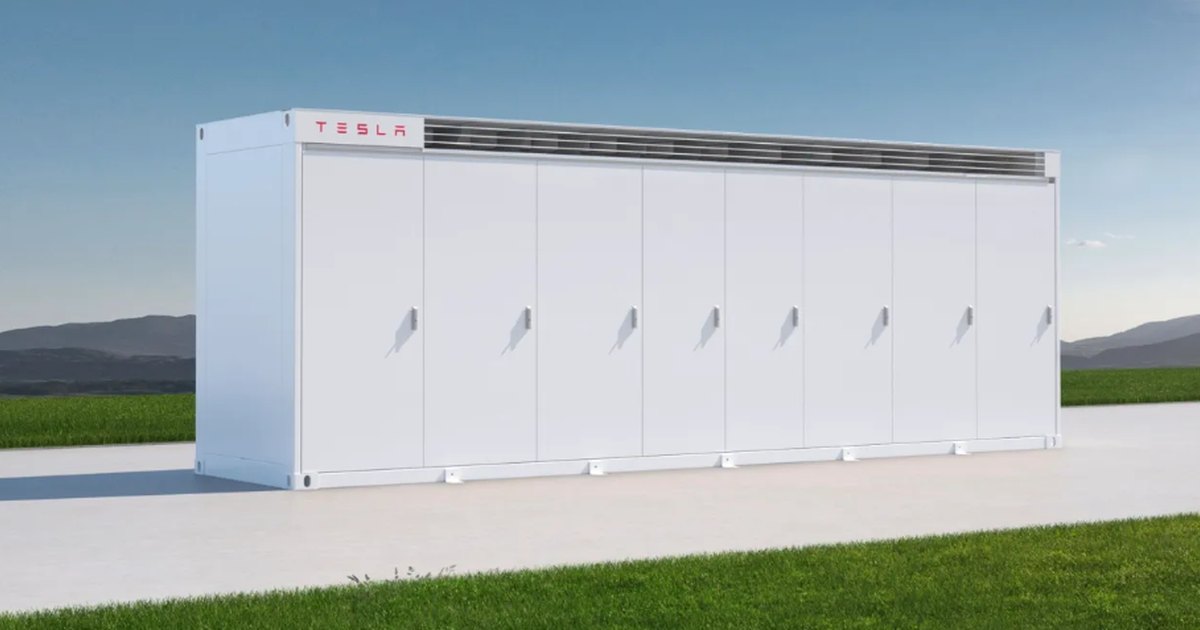
No AC charging
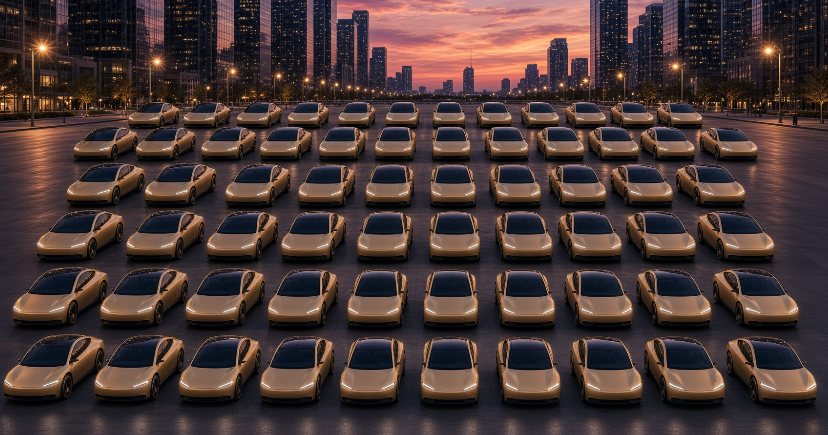
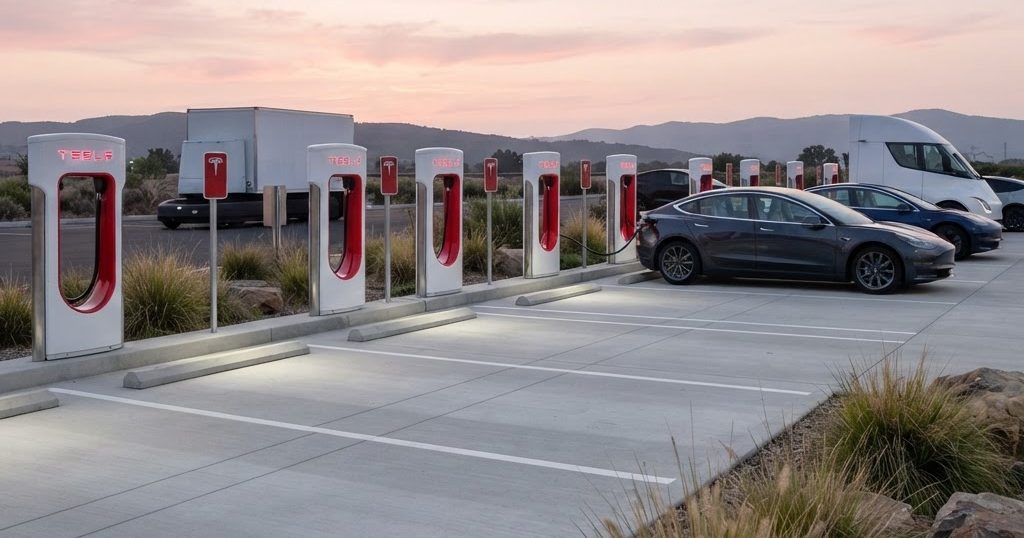
Reports in early September confirmed that the Cybercab has no support for AC charging. It uses a NACS port for DC fast charging only. That makes sense for a car that will never be plugged in at someone's home. Tesla has also been reported to be planning robotaxi hubs with wireless charging pads, which would let the cars top up without anyone handling a cable.
The software
The Cybercab runs an unsupervised version of Full Self-Driving on modified Hardware 4. That software is not yet available in customer cars, which still require an attentive driver.
What it tells us
Everything about the Cybercab is optimized for low cost per mile: few seats, a small pack, no driver controls and no home-charging hardware. Tesla's target is an operating cost below $0.30 per mile. Whether it gets there depends less on the hardware than on how many hours a day each car can earn money, and that is up to the software and the regulators.