 1:36
Charging a Tesla at home: why 11 kW is enough for almost everyone
A home charger is the cheapest and easiest way to run a Tesla. Here is what you need, why faster is rarely better, and what to check before you install one.
Most Tesla owners do the vast majority of their charging at home, overnight. Done right, it is the cheapest and most convenient way to keep the battery topped up. Here is what matters.
Your options
- Regular socket: works in an emergency, but adds only a few kilometers of range per hour. Not suitable for daily use, and a standard socket is not designed for hours of continuous high load.
- Wall charger on single-phase power: about 3.7 to 7.4 kW, depending on your connection. Fine if you drive modest distances.
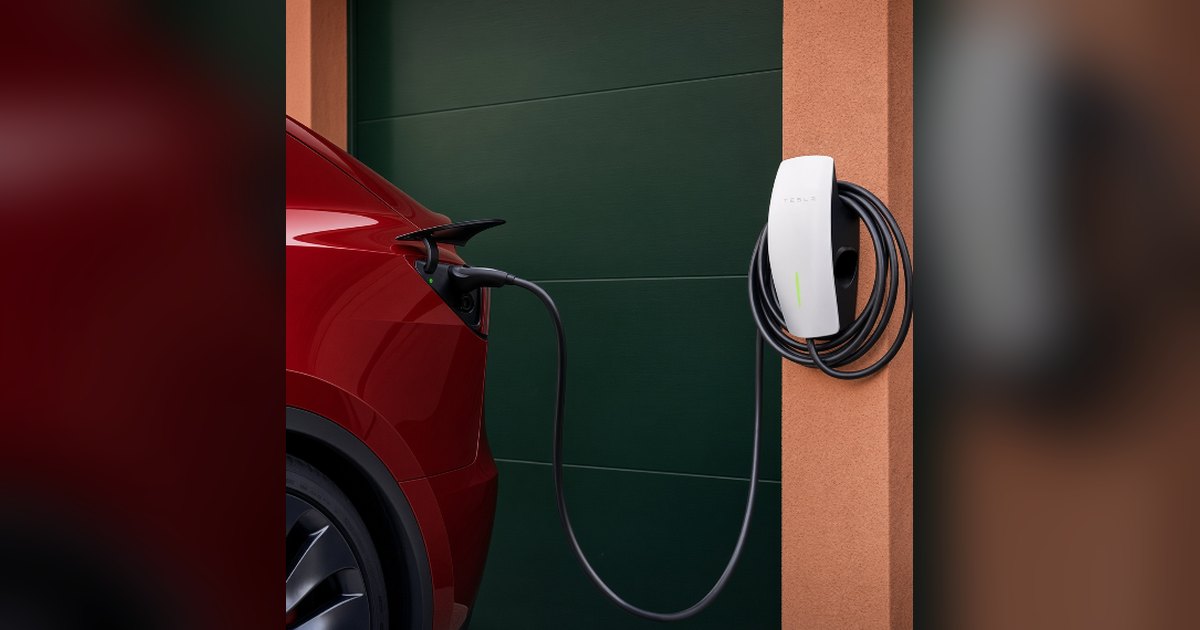
- Wall charger on three-phase power (11 kW): the sweet spot in most of Europe. It fills a typical Tesla battery from low to full overnight.
Why 11 kW is enough
An 11 kW charger adds roughly 50 to 70 km of range per hour, depending on the model. In a typical eight-hour night, that is far more than most people drive in a day. Current Tesla Model 3 and Model Y versions in Europe charge at a maximum of 11 kW on AC anyway, so a bigger home charger would not make them charge faster.
Tesla Wall Connector or another brand?
Tesla's Wall Connector works well and integrates with the Tesla app, but any good charger with a Type 2 connector works with a European Tesla. Useful features to look for: load balancing, so the charger does not overload your home connection when the oven and heat pump are on, and the ability to schedule charging for off-peak hours.
Before you install
- Have an electrician check your home connection: is three-phase available, and how much spare capacity is there?
- Ask about a dedicated circuit and the right residual-current protection.
- Check local rules and any subsidies; in some countries installation by a certified installer is required.
Save money
Use scheduled charging in the car or the app to charge when electricity is cheapest, usually at night. With a dynamic energy contract, the savings can be significant. Set a daily charge limit of around 80% for most Teslas; for models with an LFP battery, Tesla recommends charging to 100% at least once a week.