 1:12
Tesla Megablock explained: four Megapacks and a transformer in one 20 MWh building block
With Megablock, Tesla sells grid batteries as a pre-engineered block instead of loose parts. Here is what it contains and why it can make big battery projects cheaper and faster.
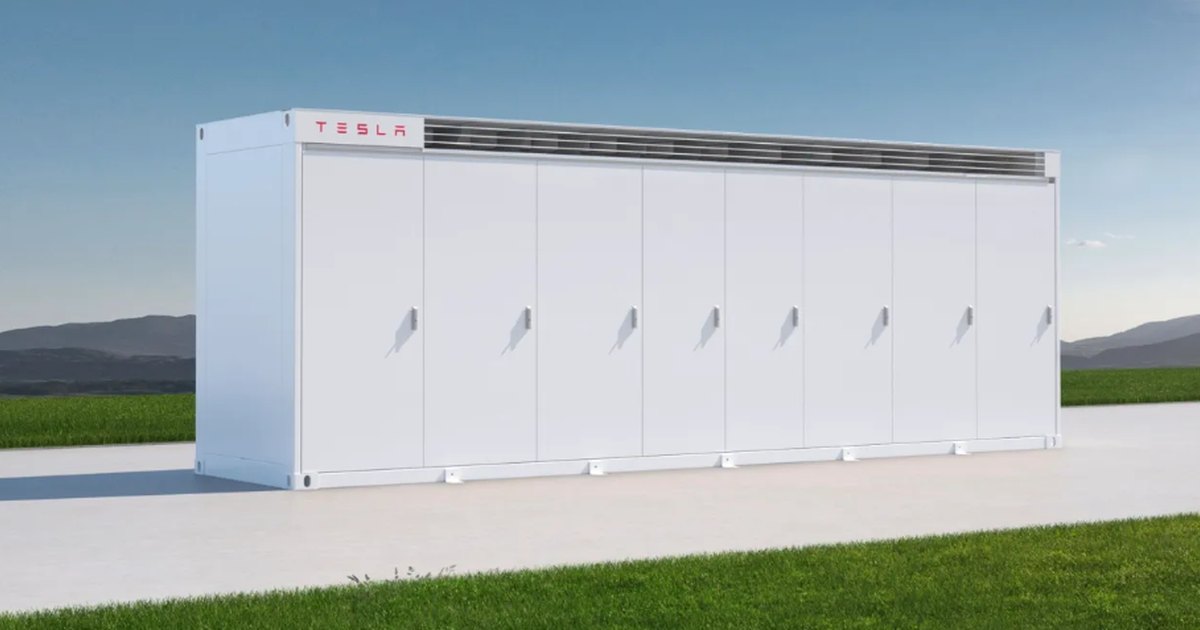
A large battery project is more than batteries. It also needs transformers, switchgear, cabling, foundations and months of engineering. Tesla's Megablock bundles much of that into one standard unit.
What a Megablock is
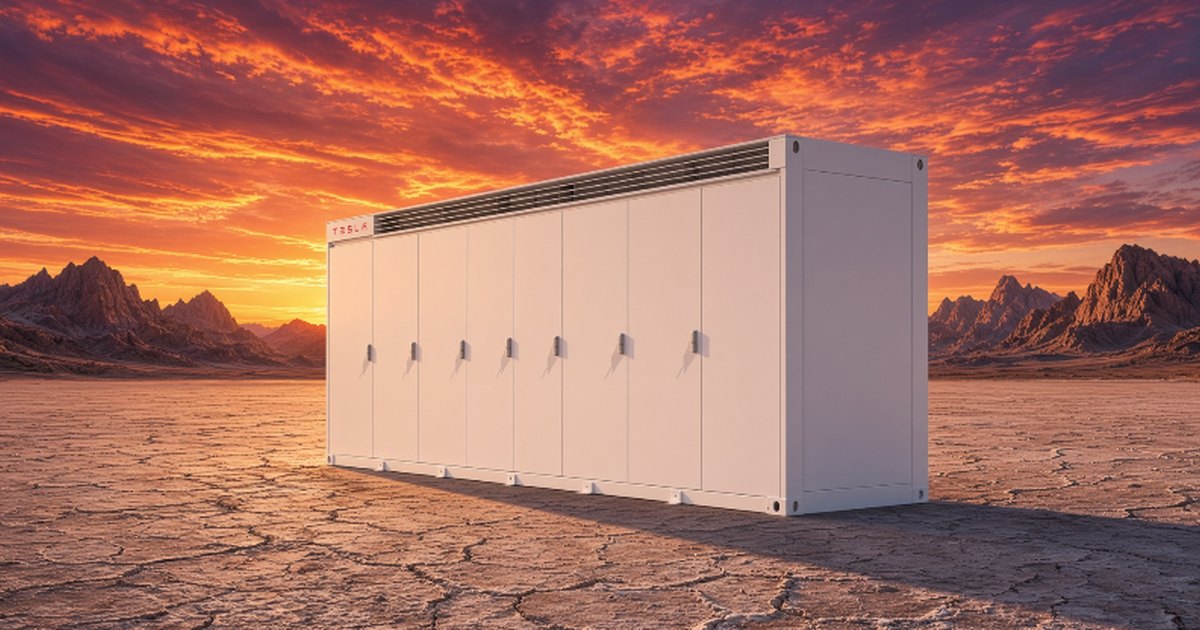
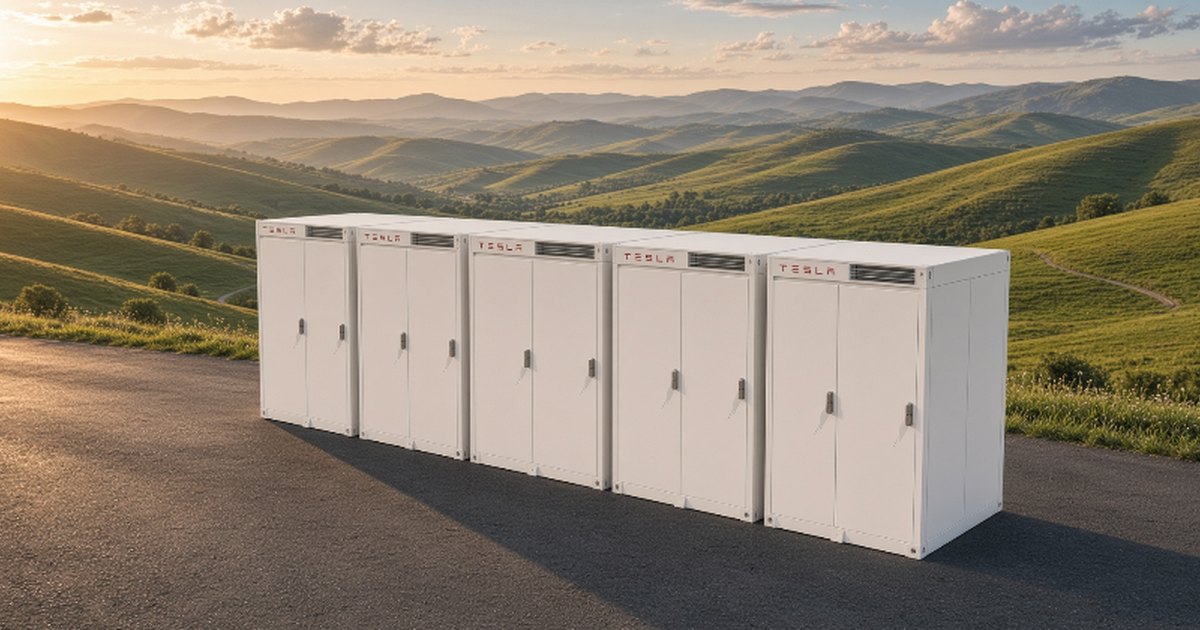
- Four Megapack 3 units, each holding about 5 MWh.
- A medium-voltage transformer and switchgear, the equipment that connects the batteries to the grid.
- Total: about 20 MWh per block.
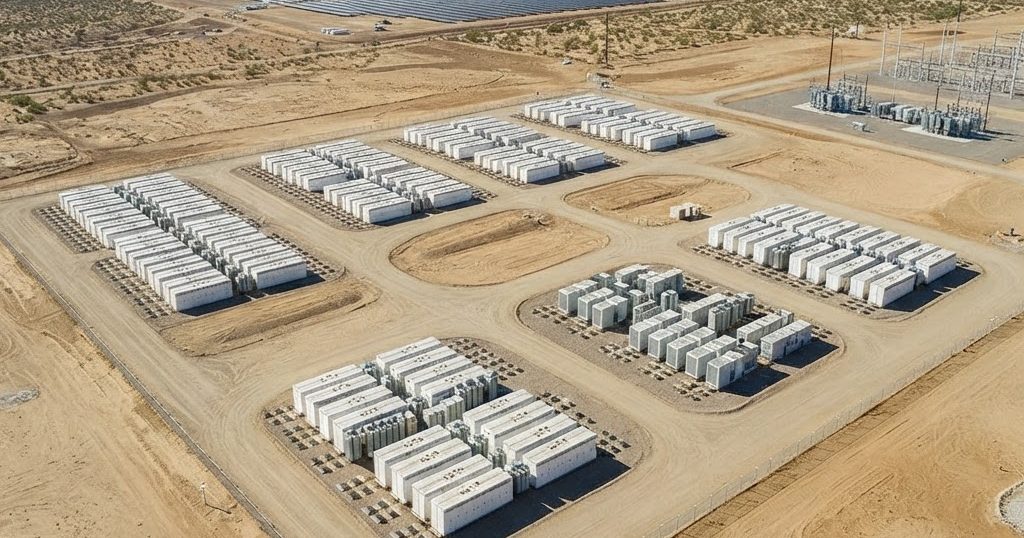
Instead of designing each site from scratch, a developer places as many Megablocks as needed and connects them. A 1 GWh project, for example, would need around 50 blocks.
The savings
Tesla says the Megablock approach can cut installation time by 23% and construction costs by up to 40% compared with building a site from separate components. The savings come from fewer custom parts, less wiring on site and less engineering work per project.
Why it matters for Tesla
Tesla's storage business is growing, but so is the competition, especially from Chinese suppliers offering very low prices on battery containers. Selling a complete, pre-engineered block lets Tesla compete on total project cost, not just on the price of the battery. It also makes Tesla's software, which runs the storage systems and trades their power on electricity markets, part of the package.
Who it is for
Utilities, independent power producers and increasingly data center operators, which need large amounts of reliable power and backup. Megablock is aimed at large sites; homes and small businesses use the Powerwall instead.
What to watch
The first projects built with Megablock, and whether the claimed cost savings help Tesla win orders against cheaper rivals.