 1:22
Tesla's disappearing bonus: why regulatory credit income is shrinking fast
For years, selling emission credits to other carmakers was pure profit for Tesla. In 2026 that income is drying up. Here is how credits work and why the drop matters.
For much of its history, Tesla earned billions of dollars from something other than selling cars: regulatory credits. In 2026 that income is shrinking quickly, and it is one reason Tesla's profits look weaker.
How credits work
Governments in the US and elsewhere set rules for emissions and fuel economy. Carmakers that sell mostly combustion cars can fall short of those rules. Instead of paying fines, they can buy credits from companies that exceed the rules, such as Tesla, which sells only electric cars. For Tesla, that money is almost pure profit: there is hardly any cost attached.
The decline
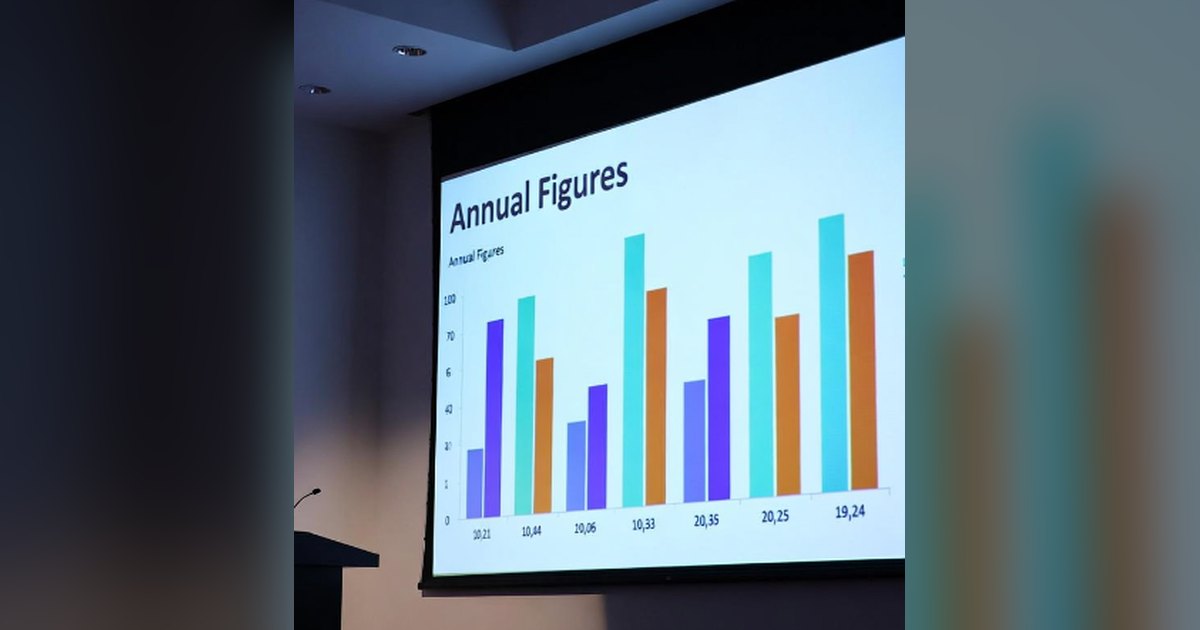
In the second quarter of 2026, Tesla's regulatory credit revenue fell to $146 million, down 67% from a year earlier. A few years ago, credits brought in hundreds of millions of dollars per quarter. The main reason is policy: the US relaxed federal fuel-economy penalties, so carmakers have far less need to buy credits. Other carmakers have also launched more electric cars of their own.
Why it matters
Because credits are nearly pure profit, losing them hits the bottom line directly. That is why analysts focus on the automotive margin excluding credits, which shows how profitable the cars themselves are. In the second quarter that margin was 16.3%, down from 19.2% in the first quarter.
Europe and China
Credit and pooling schemes still exist in Europe and elsewhere, where carmakers can team up with Tesla to meet CO2 targets. Those deals can still bring in money, but they are less predictable and depend on how fast rival carmakers sell their own electric cars.
What to watch
The credit line in each quarterly report, and whether Tesla can lift its car margins enough to make up for the lost income.
This article is for information only and is not financial advice.