 1:22
Tesla Cybercab launches in Austin: a low-key event, then the first paid rides
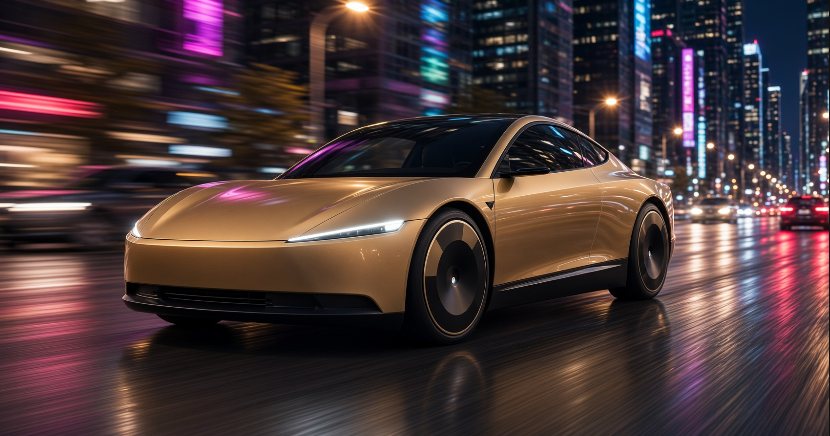
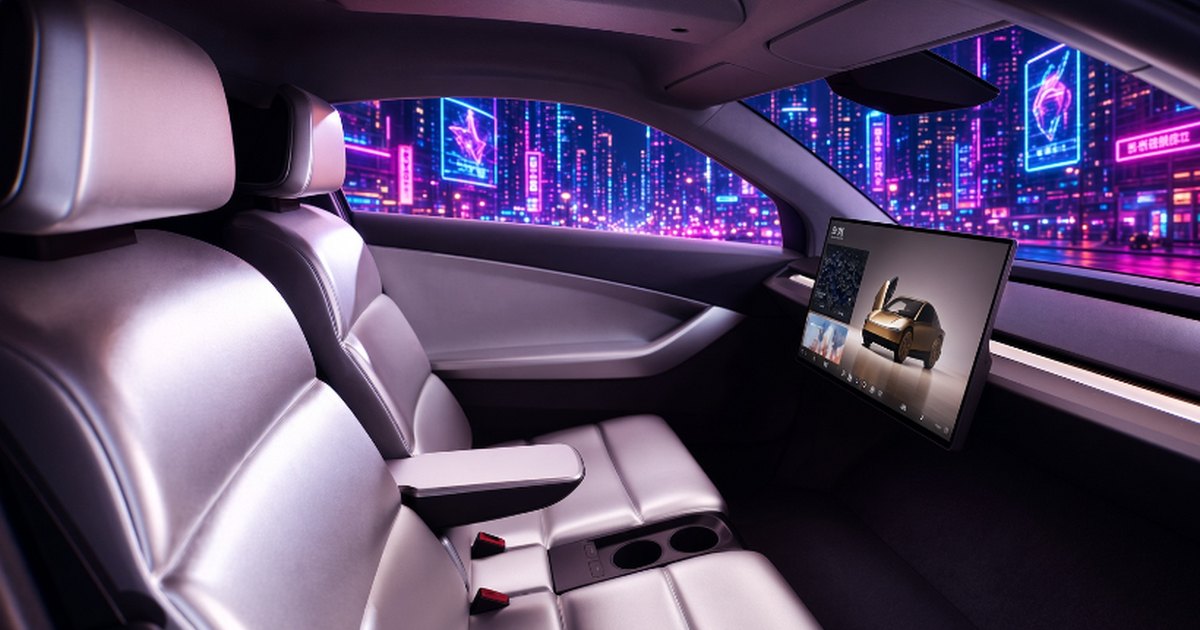
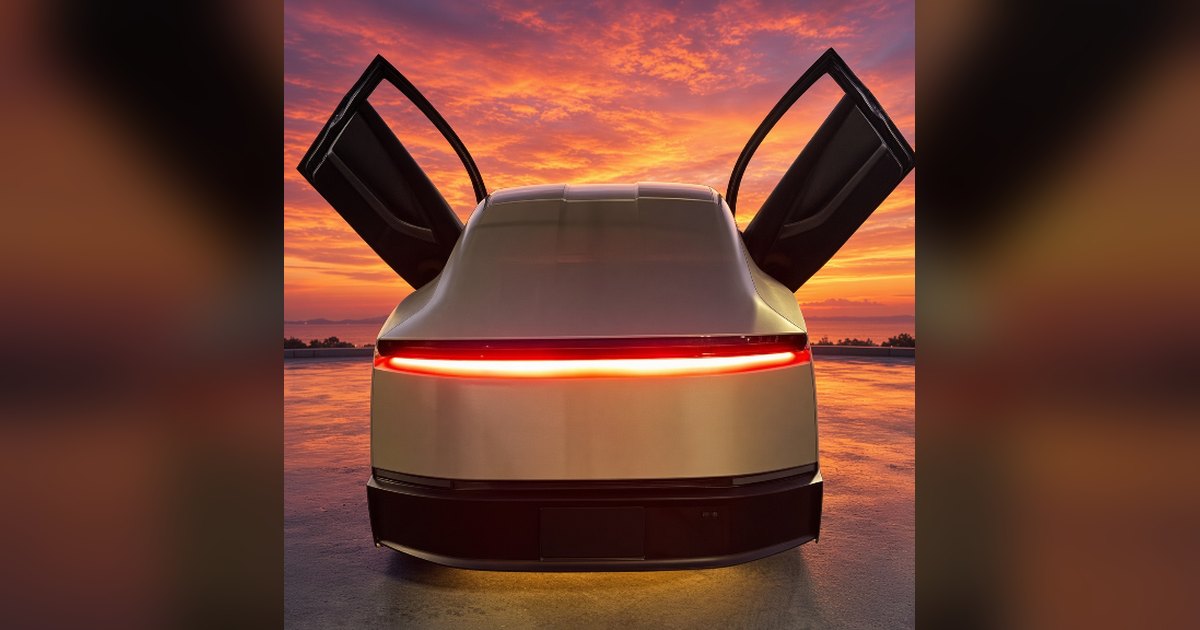
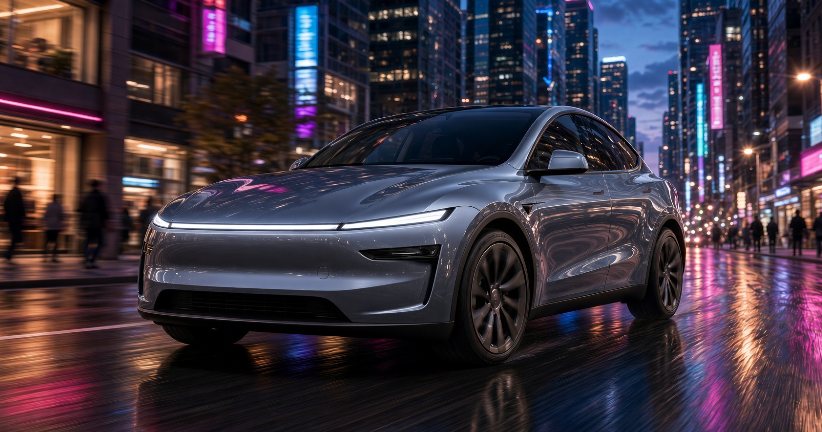
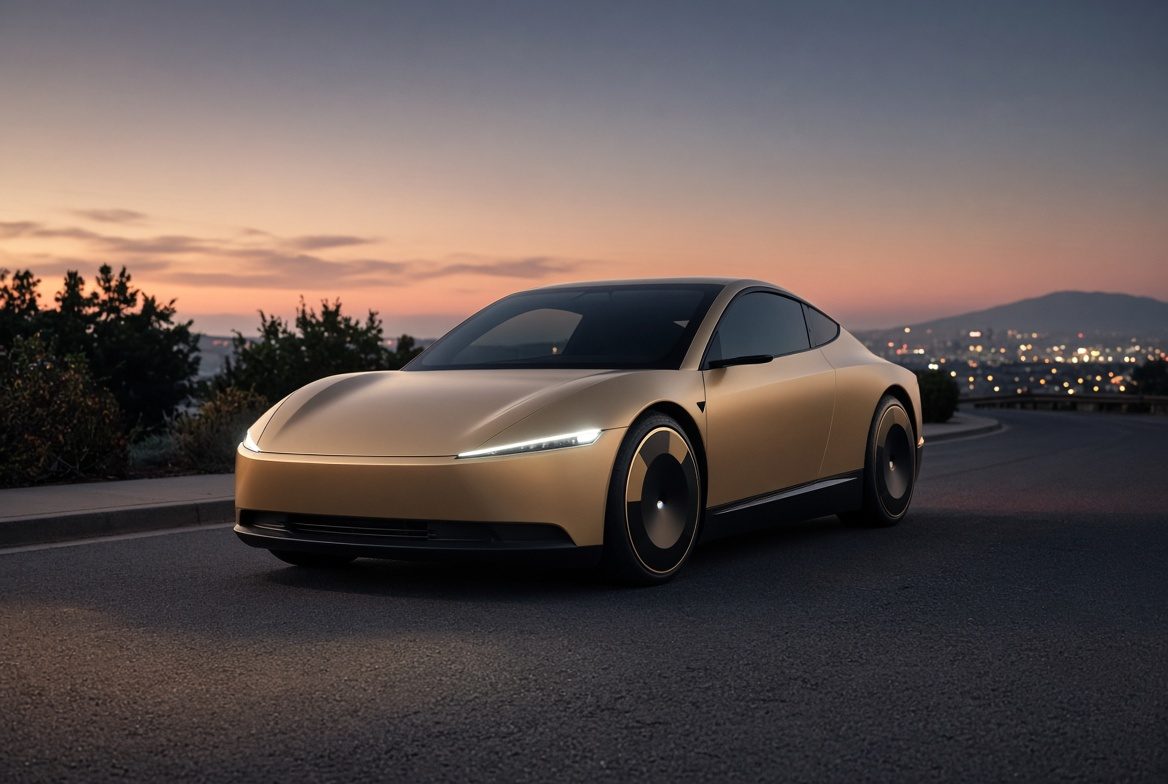
Tesla's two-seat robotaxi without steering wheel or pedals made its debut in Austin. The launch itself was modest, but paying riders can now hail one through the Robotaxi app.
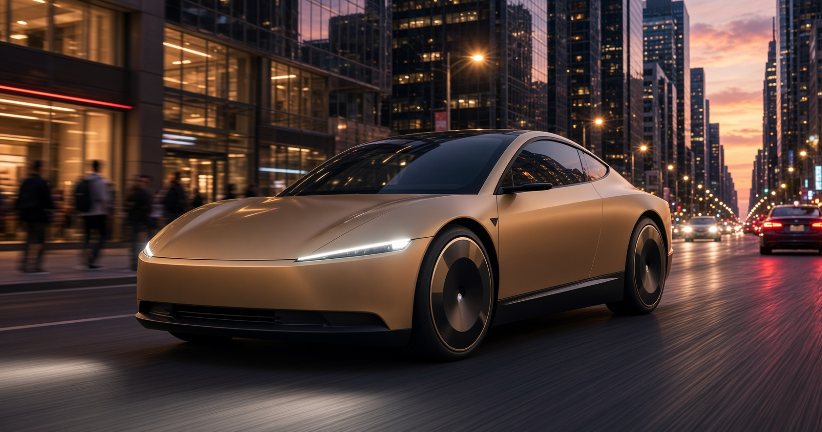
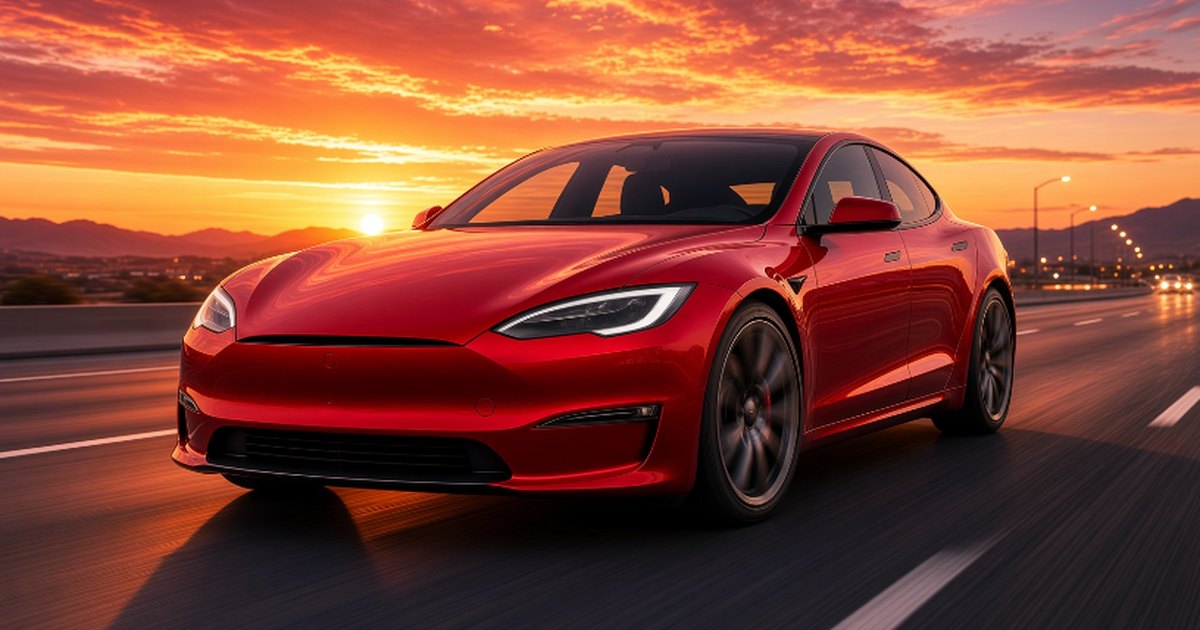
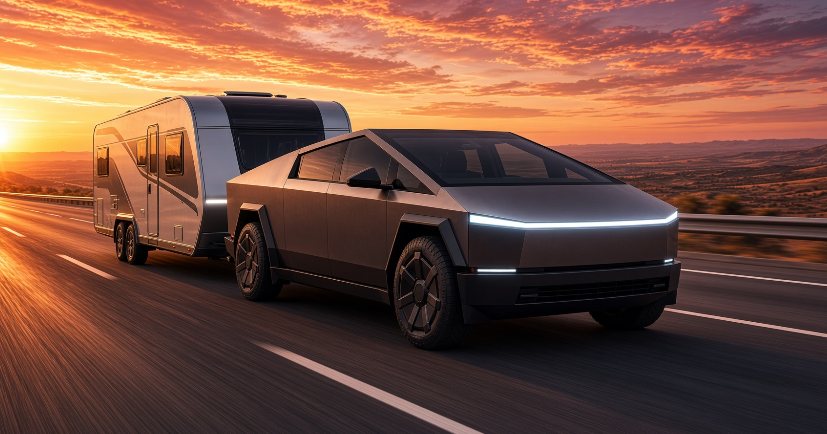
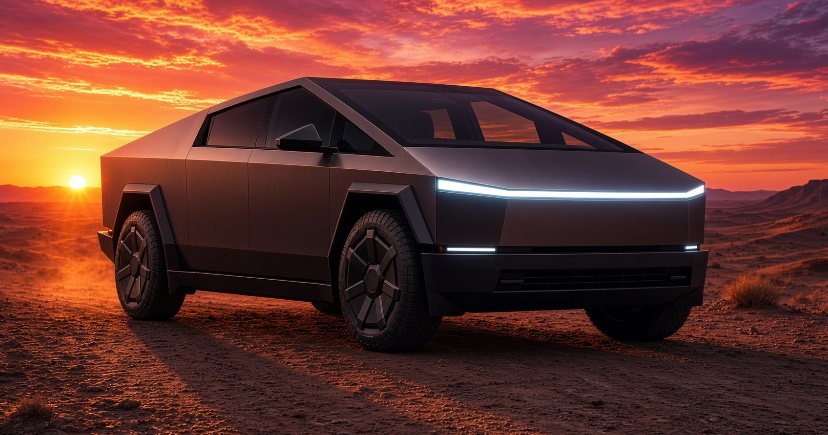
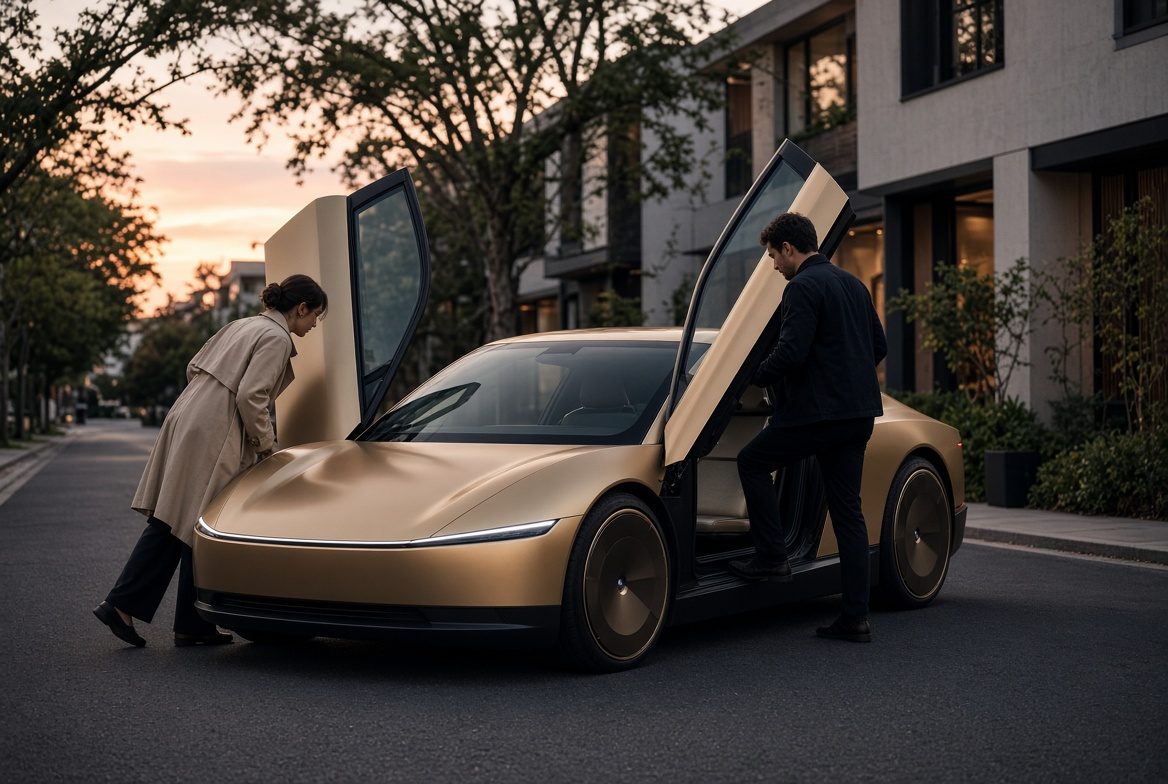
Tesla's Cybercab, the two-seat robotaxi with no steering wheel and no pedals, officially launched in Austin, Texas, on Thursday, September 3. A day later, on September 4, the first paid rides began through Tesla's existing Robotaxi service.
A surprisingly quiet launch
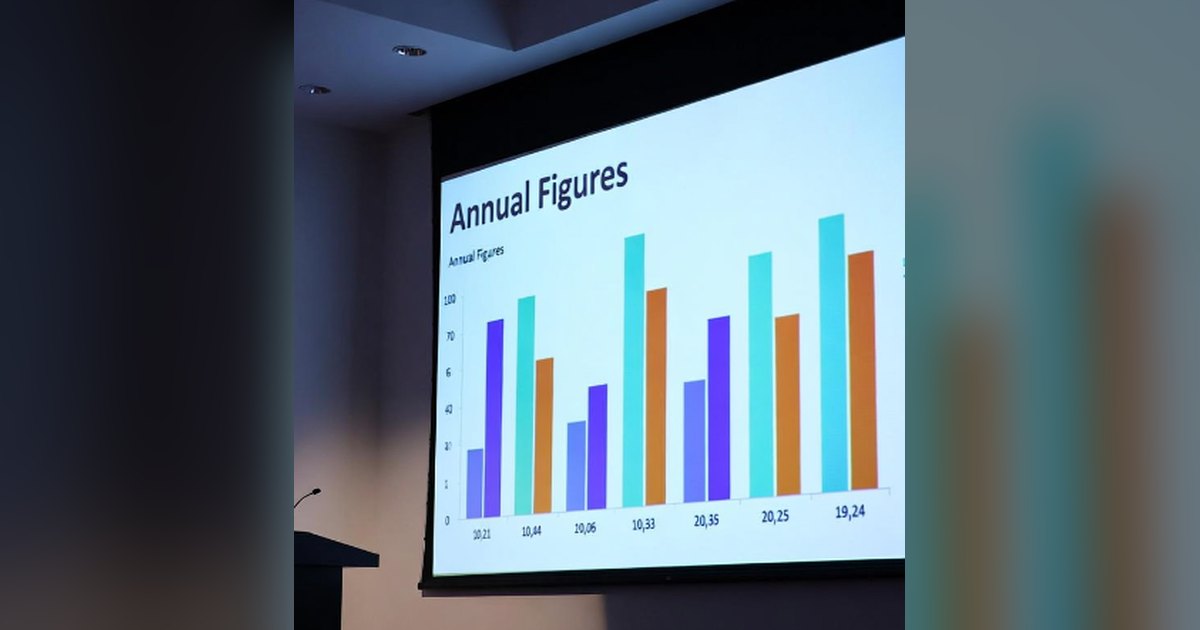
For a product Tesla has called central to its future, the launch event was understated. It was an invitation-only gathering at the ACL Live venue in Austin, where executives presented for roughly fifteen minutes. Elon Musk did not attend, and the livestream many fans expected did not happen.
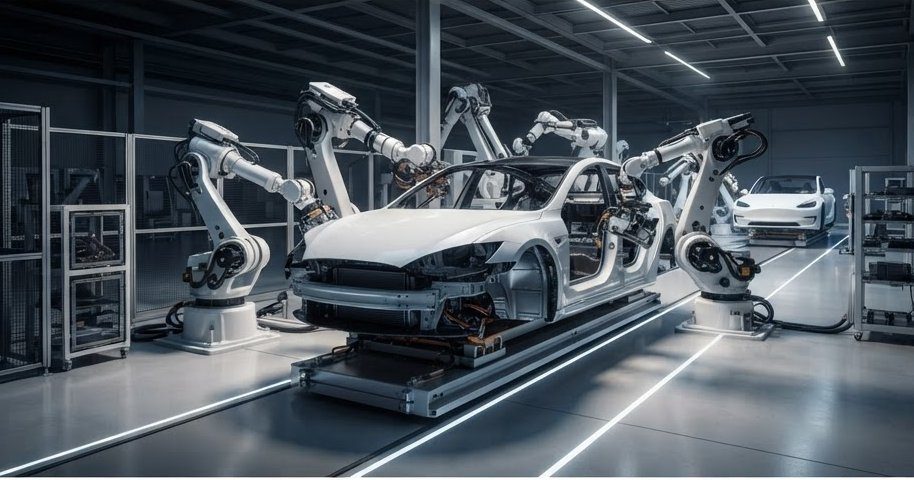
That contrasts with the October 2024 'We, Robot' event where the Cybercab was first shown. This time the message was simpler: the car exists, it is in production at Gigafactory Texas, and it is carrying passengers.
How riders get one
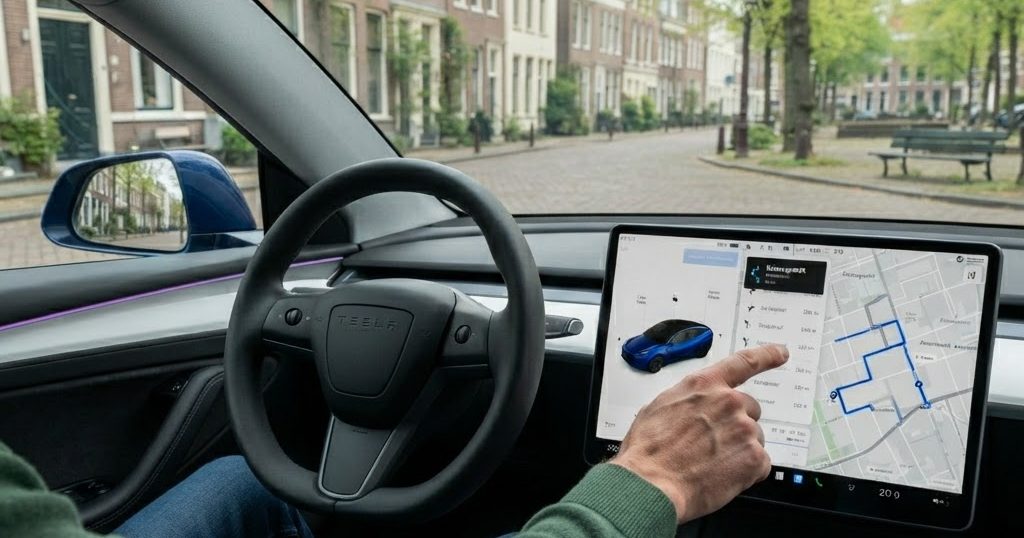
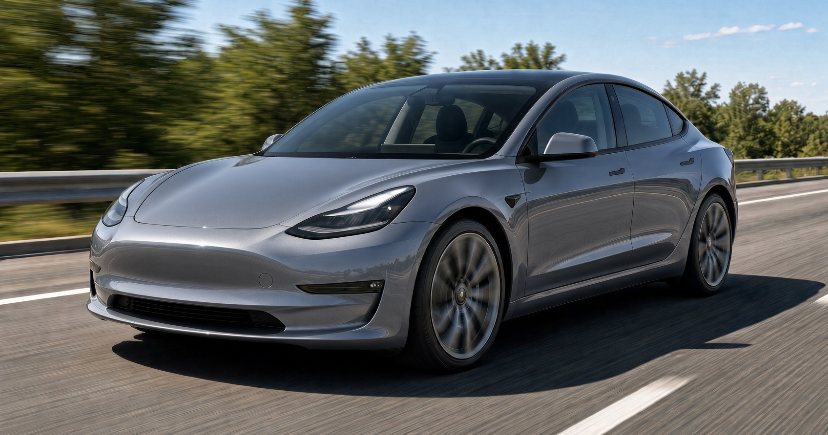
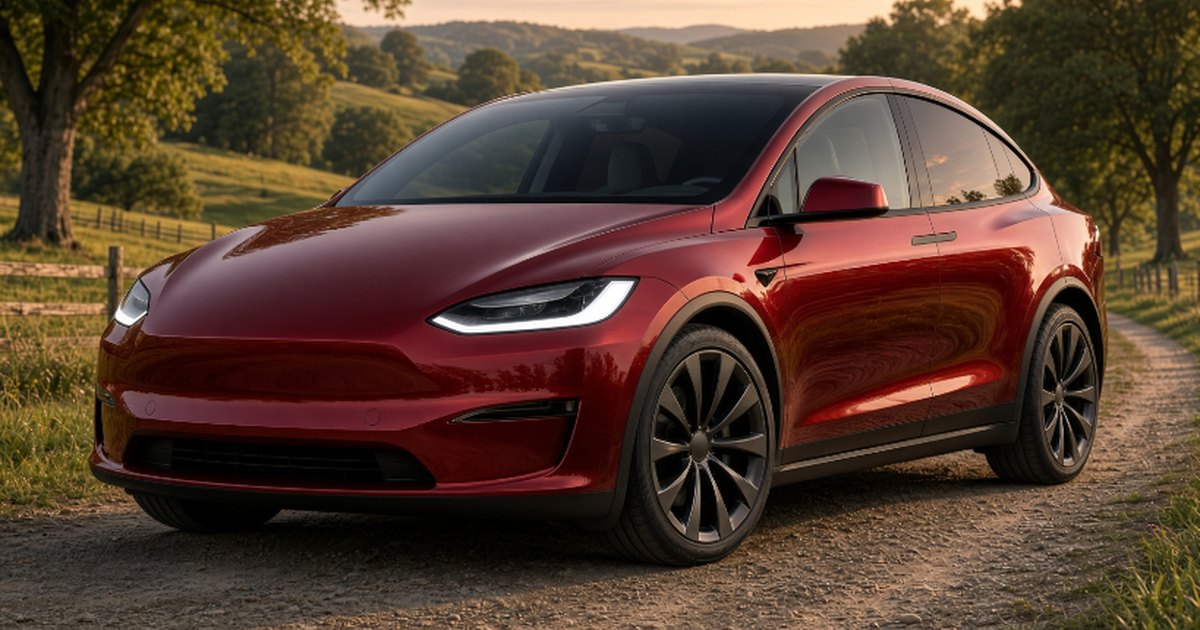
The Cybercab joins the Model Y robotaxis that already run in Austin, so riders book through the same app. Early reports pointed to lower fares than the regular Robotaxi service, but Tesla has not published a fare table.
The road to this point
- February 2026: the first production Cybercab came off the line in Texas.
- April 2026: formal production began.
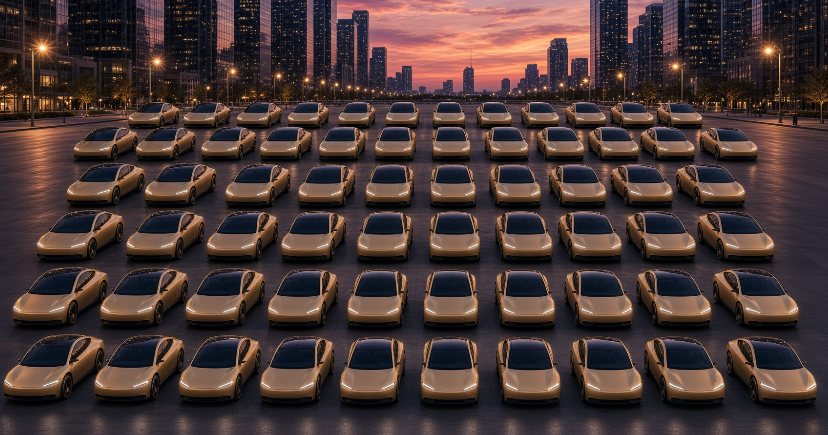
- Summer 2026: hundreds of units were spotted around the factory, and test cars appeared on public roads.
- Late August: Tesla confirmed the September 3 date, and unsupervised Cybercabs were reported driving around Austin.
Why it matters
The Cybercab is Tesla's clearest bet that its future lies in autonomous ride-hailing rather than selling cars to individuals. The vehicle runs a version of Tesla's self-driving software that is not yet available in customer cars. Every ride in Austin is now real-world proof, or disproof, of that strategy.
The big open question is regulation. A car without manual controls does not fit neatly into today's US safety standards, and that issue surfaced almost immediately after launch.