 1:37
How to charge a non-Tesla at a Tesla Supercharger in Europe: a step-by-step guide
Most Superchargers in the Netherlands, Belgium and the rest of Europe are open to every electric car. Here is how it works, what it costs and when a membership pays off.
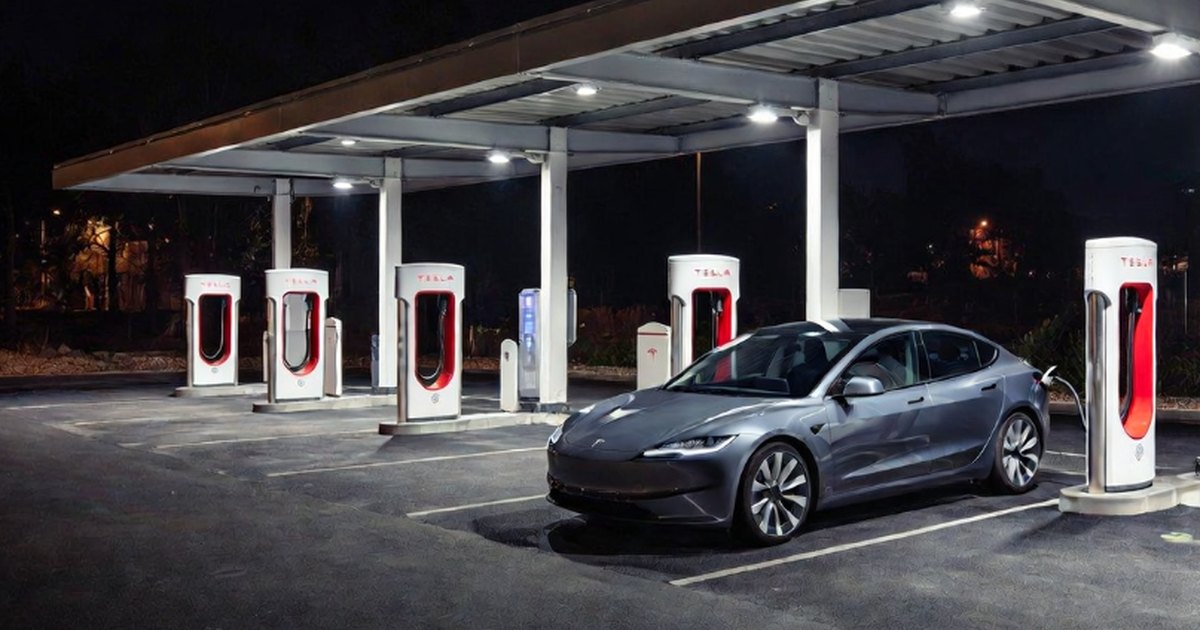
Tesla's Superchargers are no longer only for Teslas. In most European countries, including the Netherlands and Belgium, the majority of sites are open to every electric car with a CCS plug. Here is how to use them.
Step 1: get the Tesla app
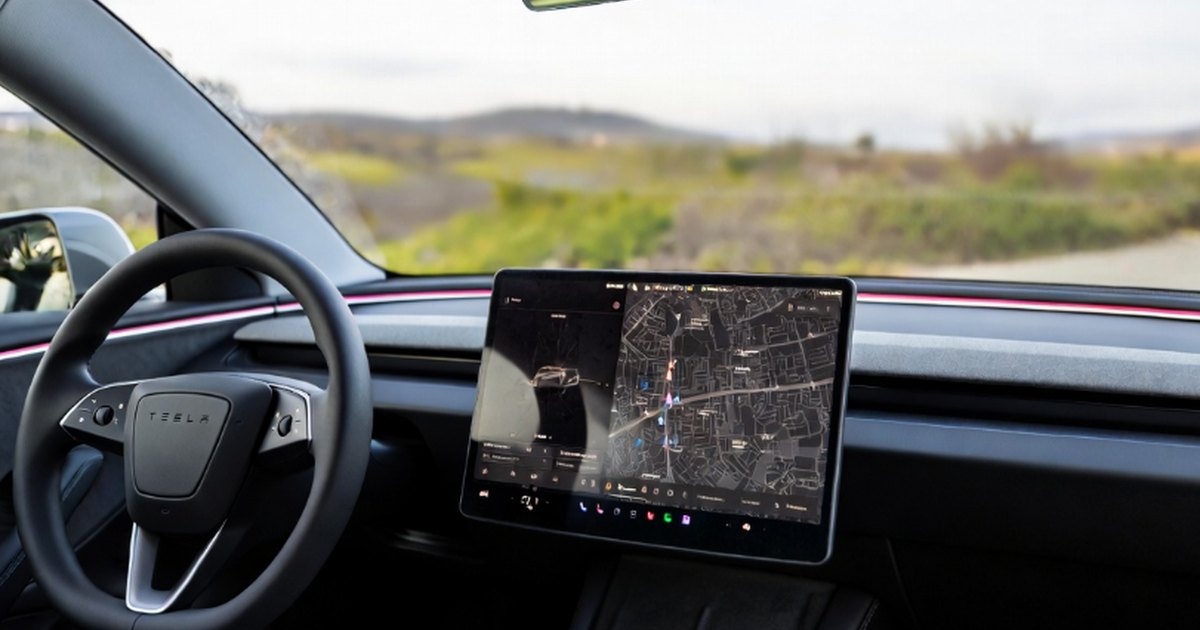
You do not need a Tesla to use the Tesla app. Download it, create an account and add a payment method, such as a bank card, Apple Pay or Google Pay.
Step 2: find an open site
In the app, open the charging map and filter for sites open to non-Tesla vehicles. Most V3 and V4 Superchargers in Europe are open to all; a few older sites still are not.
Step 3: park smartly
Older Supercharger cables are short and designed for Teslas, which have the charge port at the left rear. Depending on where your car's port is, you may need to park across two bays or nose-in. Newer V4 stalls have longer cables, which makes this much easier. Do not block more bays than you need.
Step 4: start charging
In the app, select the stall number printed on the charger, plug in, and tap to start. You can watch progress and cost in the app and stop at any time.
What it costs
Prices differ per site and time of day; the app shows the price before you start. Non-Tesla drivers pay more per kWh than Tesla owners, unless they take a Supercharging membership. The membership has a monthly fee and gives you prices close to what Tesla drivers pay. As a rule of thumb, it pays off if you fast-charge regularly, for example on frequent long trips. Idle fees apply if you stay plugged in after charging finishes while the site is busy.
Tips
- Charge to around 80%: charging slows down sharply above that.
- Precondition your battery if your car supports it; a warm battery charges faster.
- Check the app for live availability before you drive to a site.
Why Tesla does this
Opening the network brings Tesla extra revenue, helps meet European rules for public charging, and lets the company qualify for subsidies in some countries.