 1:30
Tesla's Supercharger network passes 85,000 stalls at more than 9,000 sites
Tesla keeps adding around 2,700 fast-charging stalls a quarter, and new prefabricated designs should speed things up. Here is where the network stands and what it means for drivers.
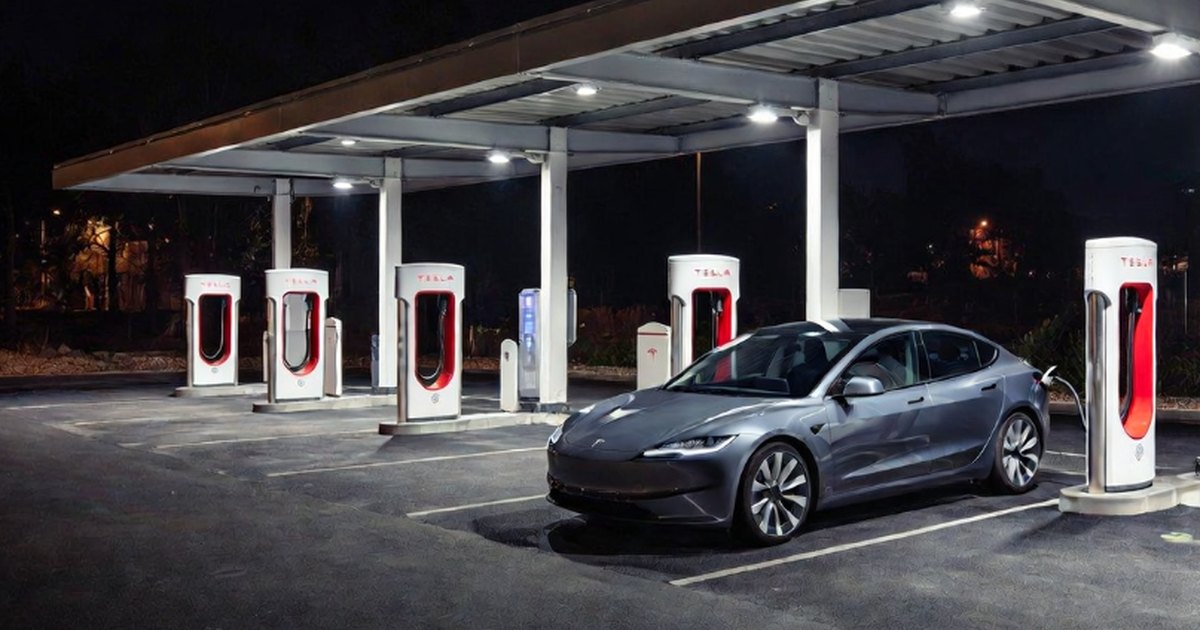
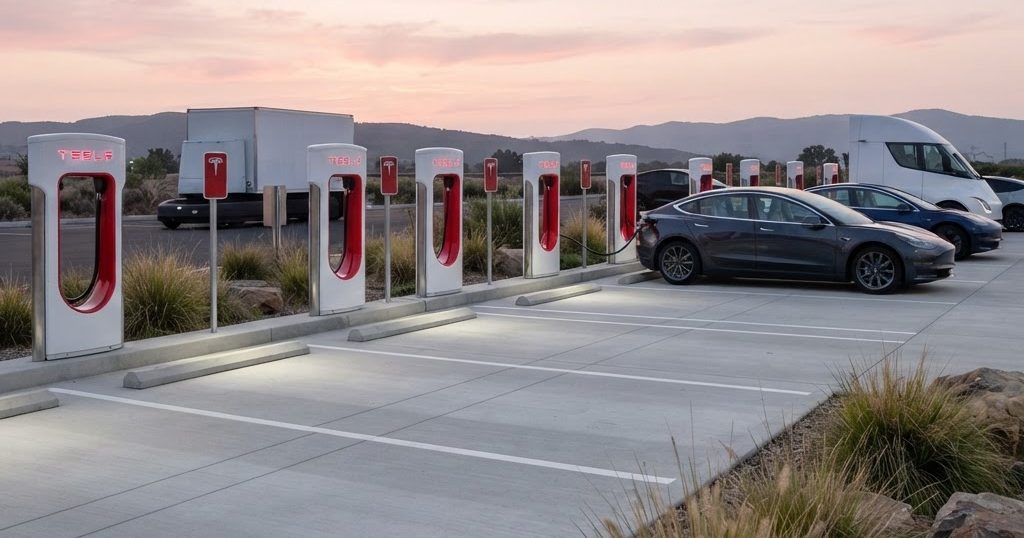
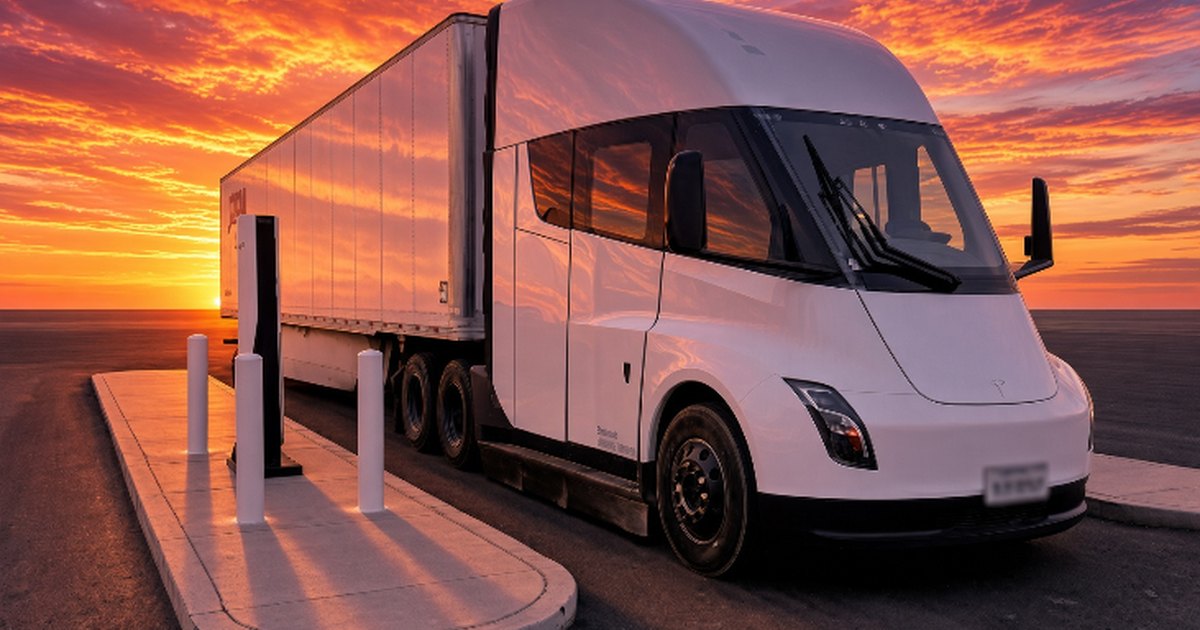
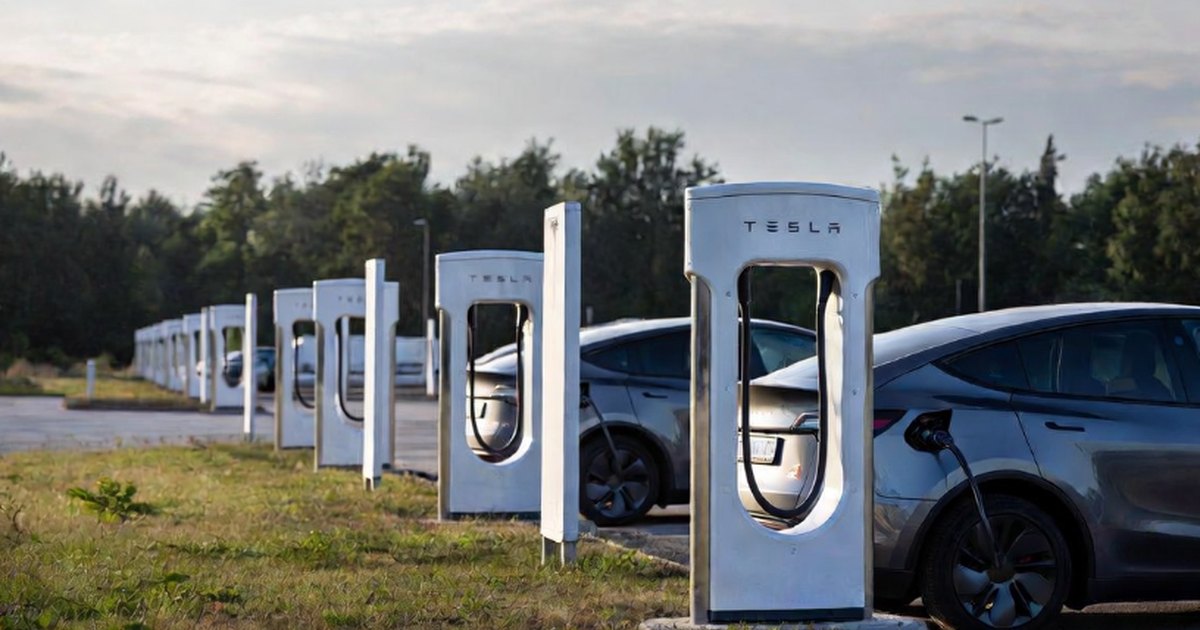
Tesla's Supercharger network has passed two milestones: more than 9,000 open locations and over 85,000 charging stalls worldwide. The figures come from the crowd-sourced tracker supercharge.info, and Tesla's director of charging, Max de Zegher, confirmed they are very close to Tesla's own numbers.
The growth in numbers
- Q3 2026: about 2,700 new stalls, 15% more than in the same quarter last year.
- Energy delivered: 2.4 TWh between July and September, up 29% year over year.
- Pace: the network reached 80,000 stalls in April 2026, so about 5,000 were added in six months.
- Long-term: at the start of 2021 there were about 2,500 sites and 23,000 stalls. Since then, Tesla has added roughly 6,500 sites and more than 60,000 stalls.
Where the chargers are
- North America: about 43,200 stalls, just over half of the network.
- Europe: about 22,600 stalls, roughly a quarter.
- Asia-Pacific: about 18,700 stalls.
Another 365 sites are under construction and more than 1,400 are planned.
Building faster
Tesla is changing how it builds stations. It recently introduced a compact 'Accordion' Supercharger for tight locations, and it is moving toward prefabricated posts that can be dropped in and connected, plus folding designs for quicker installation. That should keep the pace at roughly 2,500 to 2,700 new stalls per quarter, putting 90,000 stalls within reach around spring 2027.
Not just for Teslas
A growing share of the energy goes to other brands. In many countries, including the Netherlands and Belgium, non-Tesla EVs can charge at most Supercharger sites through the Tesla app. Usage keeps climbing: in the second quarter, the network handled about 60 million charging sessions, 32% more than a year earlier.
Why it matters
Charging is one of the strongest reasons people pick a Tesla, and increasingly a reason other EV drivers open the Tesla app. As car sales growth has slowed, the Supercharger network has quietly become a business of its own, and a key piece of infrastructure for Tesla's robotaxi plans, which need fast, reliable charging hubs.