 1:20
Tesla Semi Megacharger network: where the US truck chargers are, and where they are going
Tesla's map shows 66 Megacharger sites across 15 US states, concentrated in Texas and California. Here is how the network is built and what it means for the Semi.
An electric truck is only as useful as the chargers along its route. With the Tesla Semi now in series production in Nevada, the Megacharger network is the piece that decides how far fleets can take it.
The map
- 66 sites on Tesla's Megacharger map across 15 US states.
- Texas has the most planned sites (19), followed by California (17).
- Florida, Georgia, Illinois and Washington have four each; smaller numbers are planned elsewhere.
- Corridors: I-5 and I-10 in the west, Chicago routes, and I-95 and I-75 in the east and southeast.
The hardware
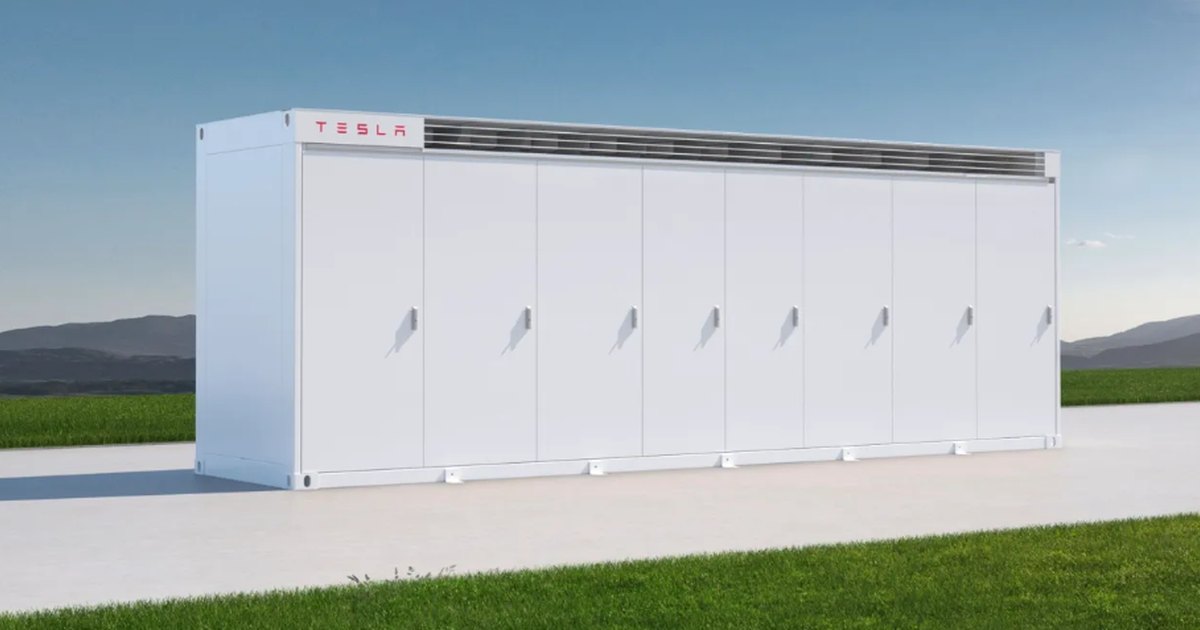
Each Megacharger dispenser delivers up to 1.2 MW, using technology derived from Tesla's V4 Supercharger. At that power, most of the Semi's roughly 800 km (500 miles) of range can be replenished in about 30 minutes, which fits within a driver's required break.
Partnership with Pilot
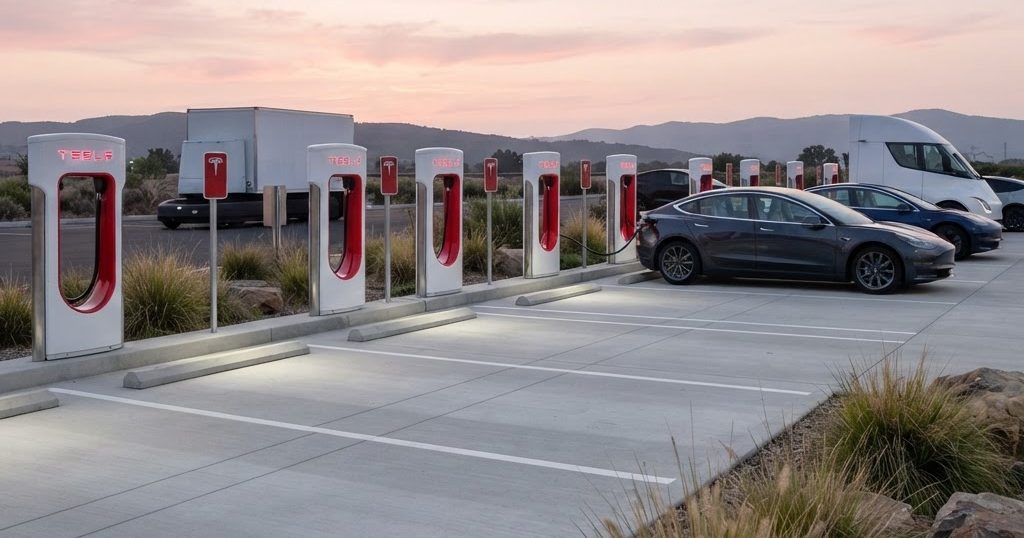
Tesla is also building Semi charging at Pilot travel centers in California, Georgia, Nevada, New Mexico and Texas, with four to eight stalls per site. The first public Megacharger for Semi customers opened in California earlier this year.
Why it matters
Truck fleets buy on total cost. Electricity is far cheaper per mile than diesel, but only if trucks do not waste time detouring to chargers. A dense network along freight corridors is what turns the Semi from a depot-only truck into one that can run regional and long-haul routes.
What is still unclear
Tesla has not published opening dates for most sites or a price per kWh for Megacharger customers. Previous targets have also slipped, so the map is a plan rather than a promise.
What to watch
How many sites actually open by the end of 2026, and whether the network opens to electric trucks from other brands, as Tesla plans in Europe.