 1:58
Tesla's 'flying' Roadster: what we actually know about the thruster-powered supercar
Tesla finally showed its next-generation Roadster, complete with cold-gas thrusters that let it hop over other cars. Here are the specs, trims, deposits and the open questions.
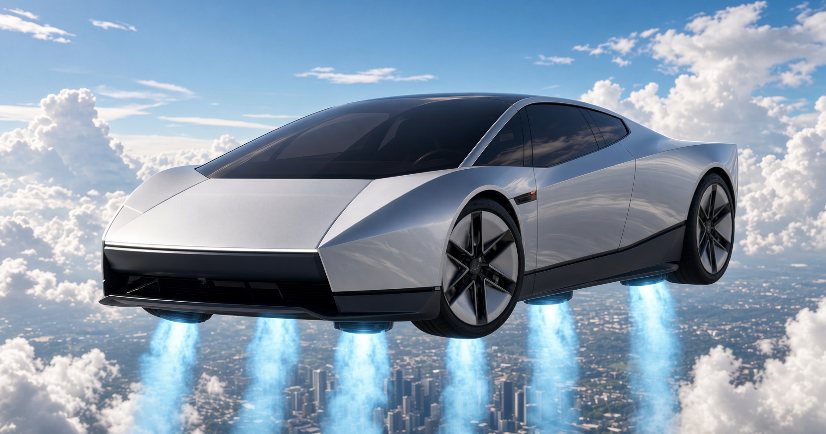
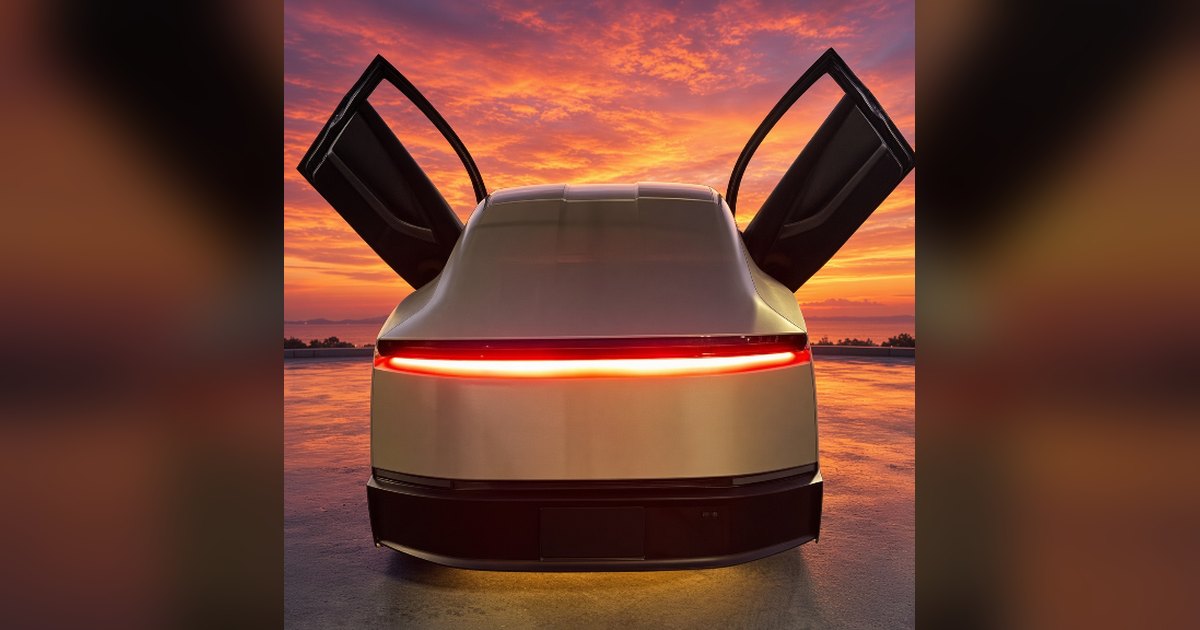
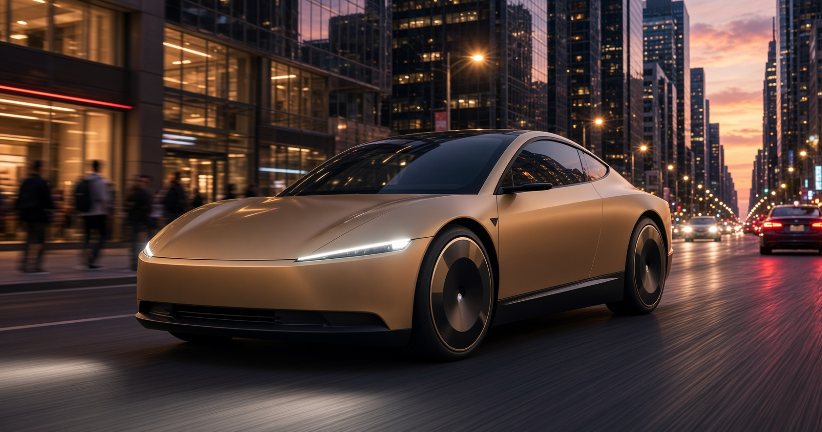
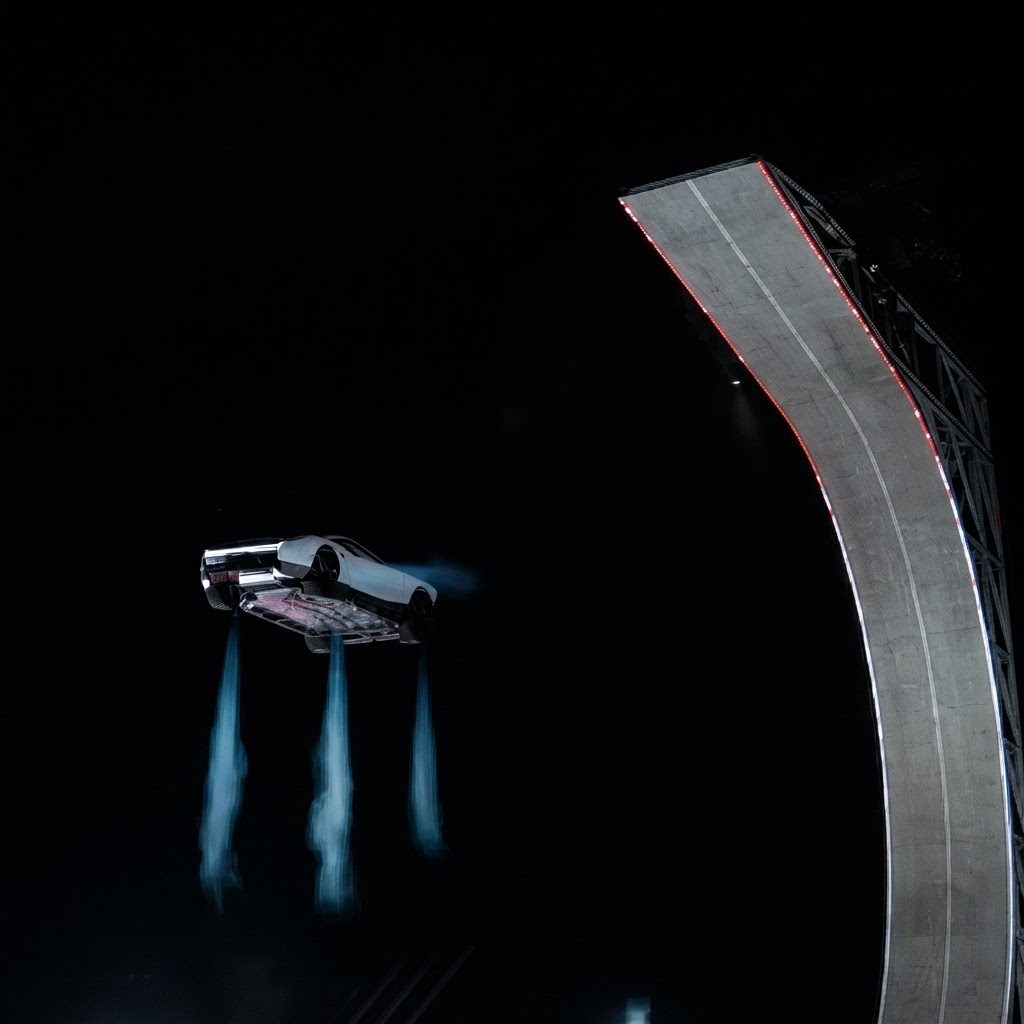
After years of delays, Tesla finally unveiled its next-generation Roadster at an event outside Waco, Texas, last week. The original date of October 1 was pushed back because of severe weather. What Tesla showed goes well beyond a fast electric sports car: in the demo, the Roadster used fans and thrusters to drive up an inverted ramp, spin around and land on the pavement, and to hop over a lineup of other Tesla vehicles.
How the 'flying' works
According to Tesla's vice president of engineering Lars Moravy, the car carries ten cold-gas thrusters fed by about 600 liters of compressed air. That air lifts and rotates the car briefly in midair, and the tank can be refilled. Tesla says the car is packed with carbon-fiber pressure vessels to store that air, a technology borrowed from rocketry. The company also says the Roadster was developed together with SpaceX, which has added to speculation about closer ties between Elon Musk's companies.
The claimed specs
- Acceleration: 0–60 mph in about one second, and under one second for the most extreme version.
- Range: around 300 miles for all versions.
- Top speed: more than 230 mph.
Tesla did not share battery size, motor output or an official weight.
Three versions
- Performance — the road car: two seats, active aerodynamics and a suction system for extra grip.
- Thrust — aimed at the track: two seats and rear cold-gas thrusters.
- Rocket — a single-seater with thrusters all around the car, available by invitation only.
Deposits, price and timing
Musk did not give a price during the event. Tesla's website is taking reservations with a deposit of $50,000 for the Performance version and $250,000 for Thrust. Production is planned for 2028, according to Musk.
The open questions
Skepticism is understandable. The Roadster was first promised years ago and has been delayed many times, including more than once this year. Musk himself suggested the car will not change Tesla's revenue in a meaningful way. It is also unclear how a car with high-pressure air tanks and thrusters will be approved for public roads, and the flying features have not been independently tested. Popular tech reviewer Marques Brownlee even wondered openly whether the reveal was partly a stunt.
Why it matters
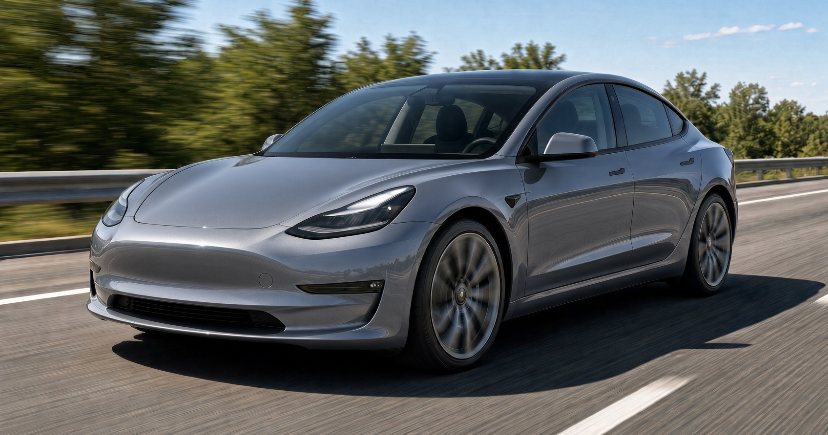
Financially the Roadster is a halo product, not a volume car. Its real role is to show what Tesla's engineering can do and to keep the brand in the spotlight while the core business, the Model 3 and Model Y, is not growing. Whether it ever reaches customers in this form is the question to watch between now and 2028.