 4:04
Tesla Q3 2026 earnings call: Cybercab heads to Dallas, unsupervised FSD for owners by Q2 2027, capex cut to $20B
Tesla's earnings call brought a Cybercab launch in Dallas next month and a target for unsupervised FSD in customer cars, but a slower Optimus ramp and lower spending guidance sent shares lower after hours.
Tesla's third-quarter numbers looked better than feared when they came out on Wednesday afternoon, and the stock initially rose in after-hours trading. Then Elon Musk and his team took questions on the earnings call, which started at 5:30 p.m. Eastern Time (10:30 p.m. UK time), and the mood shifted. By the end of the evening, shares were trading lower. Here is what Tesla actually said about Cybercab, self-driving, Optimus and spending, and why investors reacted the way they did.
We covered the financial results themselves, including margins and cash flow, in a separate article. This piece focuses on the call.
Cybercab goes to Dallas next month
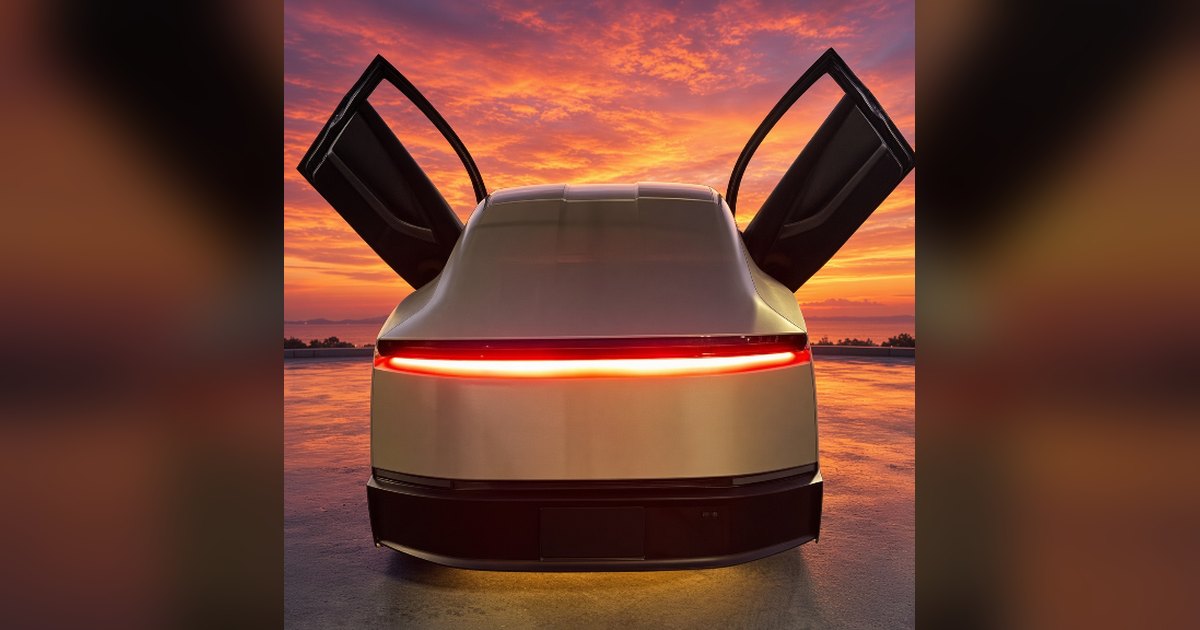
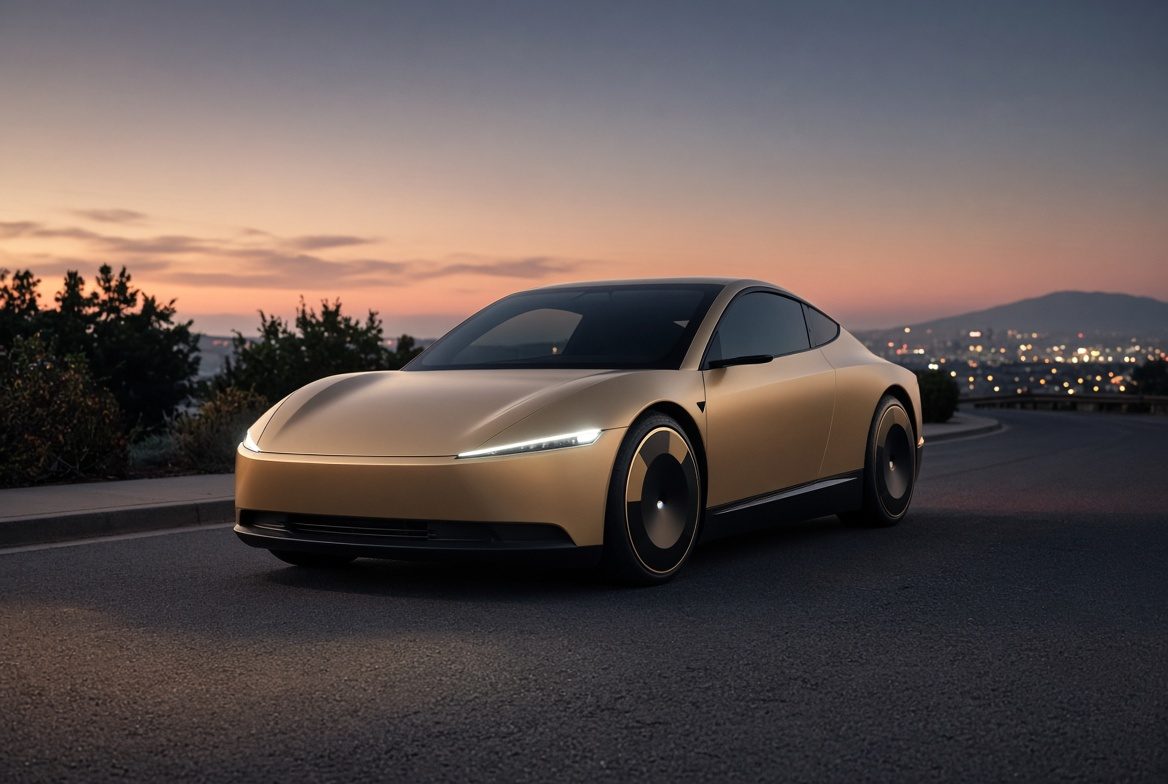
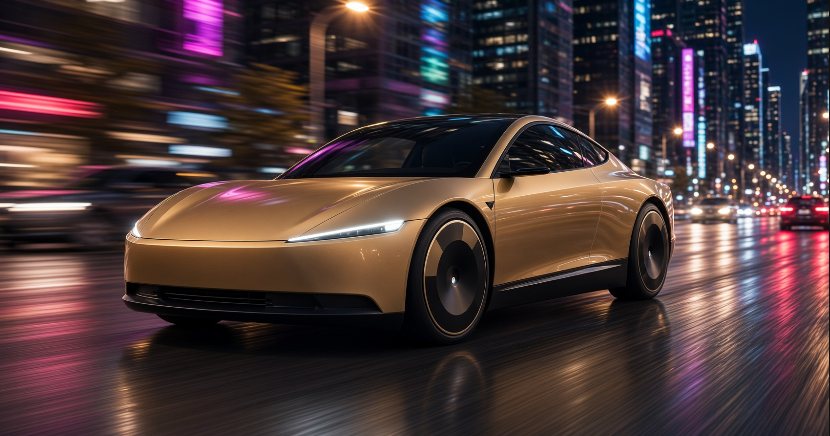
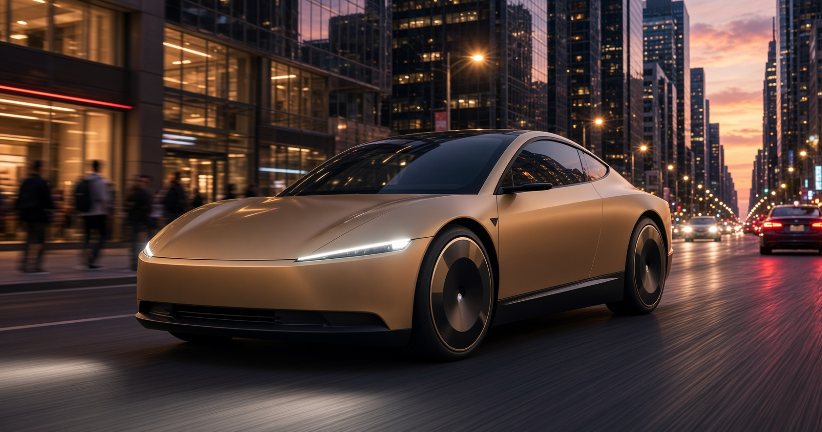
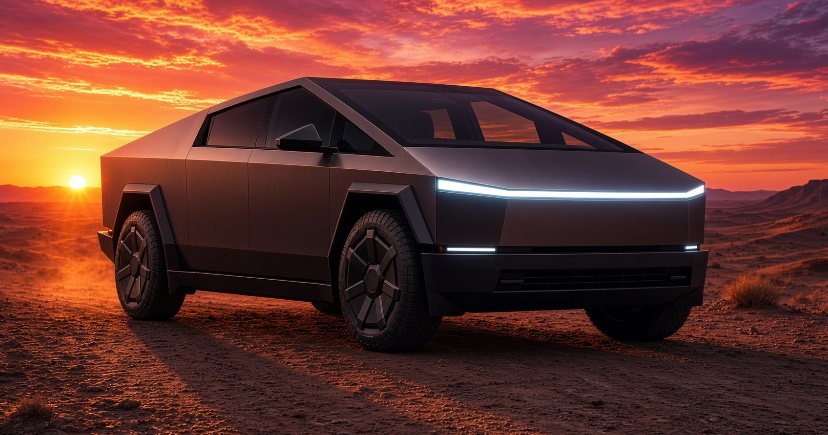
The clearest new commitment was on the Cybercab, Tesla's two-seat robotaxi without a steering wheel or pedals. It has been carrying passengers only in Austin since early September, and Tesla says that fleet has grown roughly tenfold in about a month. On the call, autonomy chief Ashok Elluswamy said Dallas is next, with a launch planned for November. Tesla's Robotaxi service already runs there with Model Y cars, and Tesla says it currently operates in six cities in total.
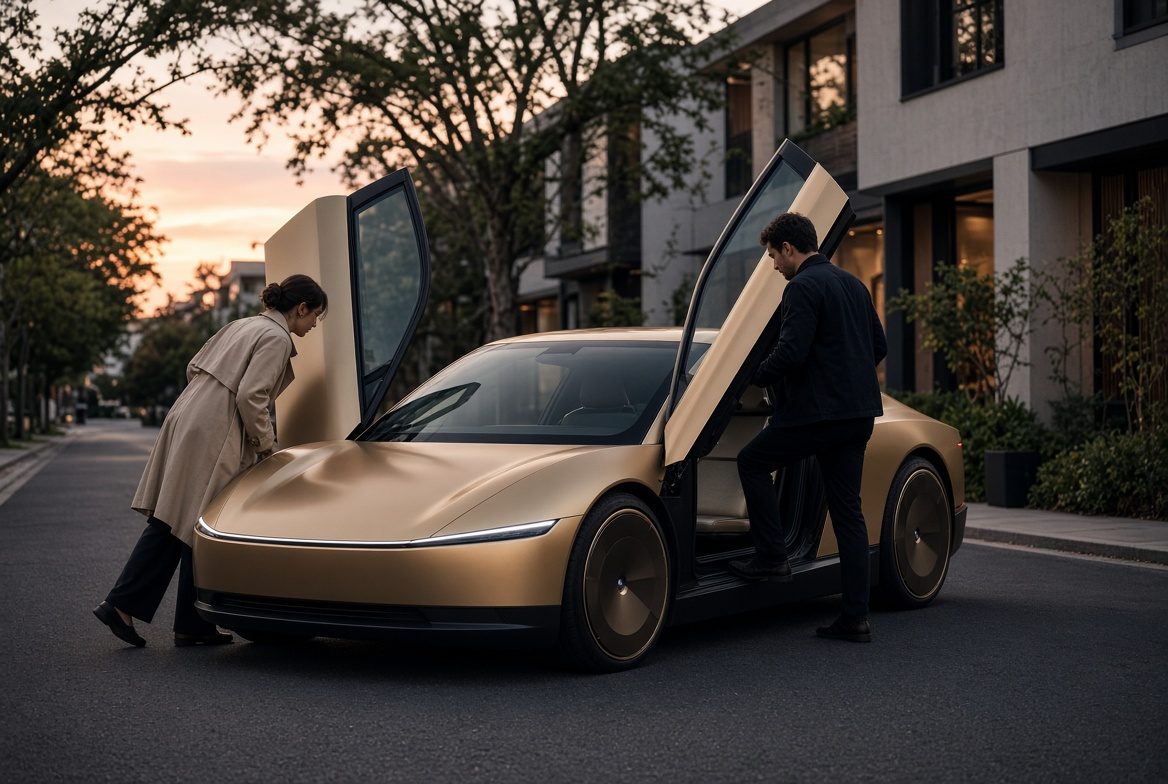
Engineering chief Lars Moravy added that Tesla is trying to deliver the first Cybercabs to private customers by the end of 2026. So far every car built on the Texas line has gone into Tesla's own fleet. Musk made clear that this will remain the norm: most Cybercabs will stay with Tesla and be sold as a ride service, while he sees the Model 3, Model Y and the upcoming Roadster as the cars people will want to own.
On economics, CFO Vaibhav Taneja said Robotaxi has not yet reached Tesla's target cost of $0.30 per paid mile, but that a bigger fleet offers a path there. Musk said the service will not move the numbers this quarter and could start to show up in revenue and profit around the second quarter of 2027.
Unsupervised FSD for owners: around Q2 2027
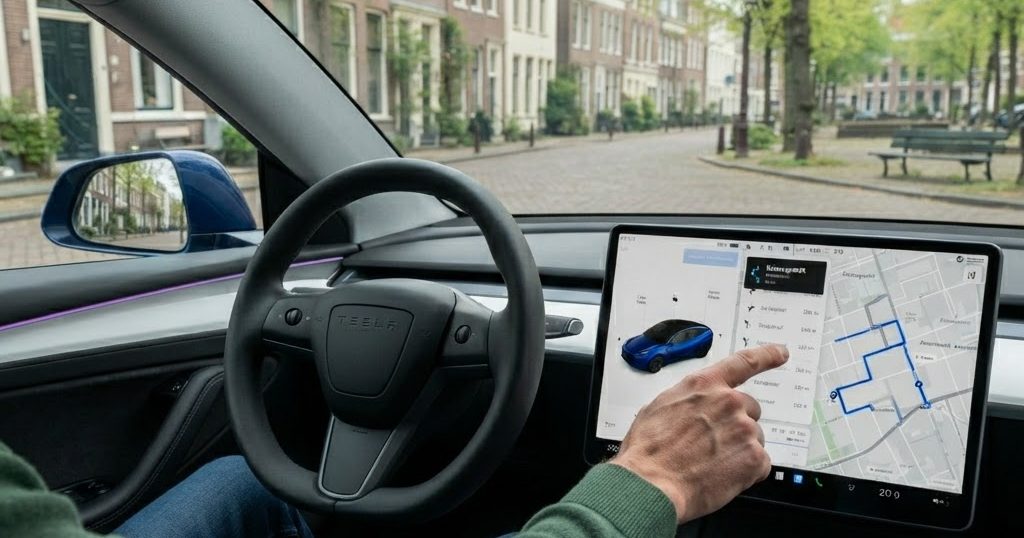
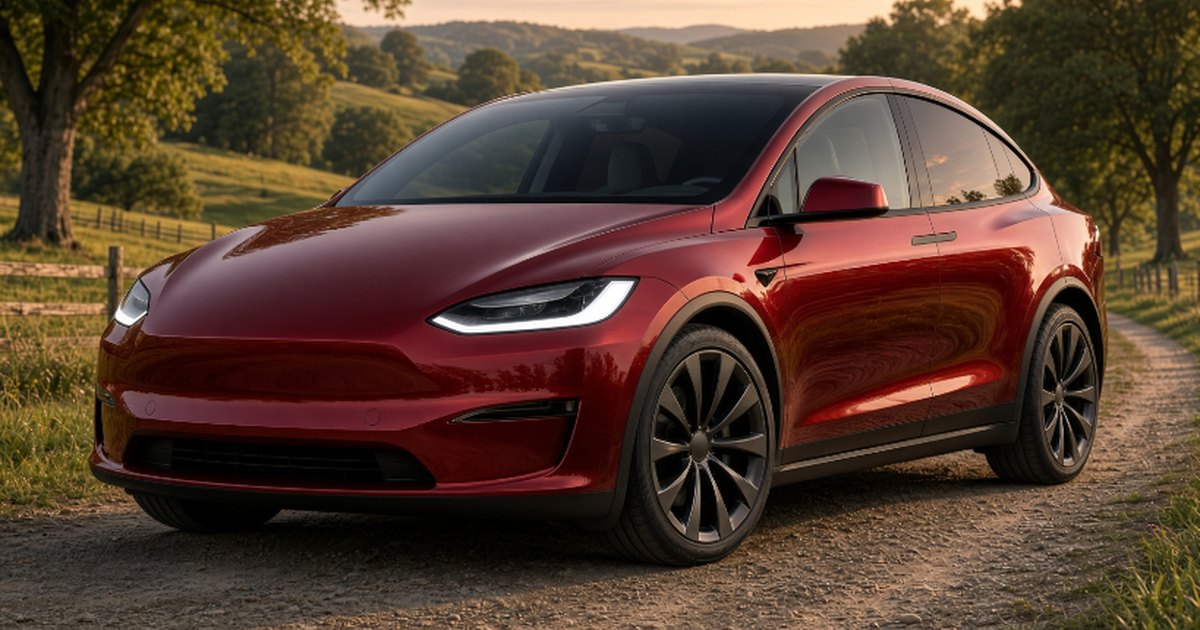
For existing Tesla owners, the most important line was about their own cars. Elluswamy said the first customer vehicles could join the robotaxi network, without anyone supervising, "somewhere around Q2 next year". The software that drives the Cybercab is the same as in the Model Y, and Tesla plans to bring it to customers as part of FSD version 15. The remaining work, he said, is mostly about bringing private cars into Tesla's geofencing and fleet management.
Tesla also said more than 75% of new cars delivered in North America in the third quarter came with a paid FSD signup, and that it has more than 1.7 million paying FSD customers worldwide, with subscriptions now making up half of that base.
In Europe, Musk again hoped for EU-wide approval of supervised FSD, but the timing has slipped. Tesla had previously pointed to October; on the call Musk said he would be surprised if it took longer than the first quarter of 2027, while stressing the decision is not in Tesla's hands. Several individual countries have already approved it.
Optimus: real progress, slower ramp
Most of the equipment for a high-volume Optimus line is now installed in Fremont, and Tesla says it has started building its first production-quality robots there. But Musk tempered expectations. Reaching the line's design rate of about 20,000 robots a week will take "at least a year, maybe a little longer", he said, describing the early part of the production curve as slow and bumpy. Deliveries to outside customers are expected around the end of 2027, starting with repetitive or dangerous industrial work. Musk also promised a new video of the robot doing unscripted tasks within a month or two.
Capex cut to about $20 billion
The number that probably mattered most for the stock was spending. Tesla lowered its 2026 capital expenditure guidance to about $20 billion, from more than $25 billion before. Taneja framed it as more efficient use of capital, and said spending will keep rising over the next few years. Tesla also has a credit facility of up to $30 billion in place but does not plan to draw on it this year.
A lower capex bill helps cash flow, but some investors read it as a sign that the AI and robotics buildout is moving slower than promised. Combined with the later Optimus ramp and the delayed European FSD approval, that took the shine off the results.
Musk also gave longer-term targets: around 5 million vehicles a year by about 2030, and a first test chip from the Terafab chip project around May or June 2027, with useful volume production aimed at the third quarter of 2028.
How the stock reacted
Tesla shares closed Wednesday's regular session at $386.47, up 3.4%. They rose about 2% right after the report, then turned lower during the call and were trading roughly 2% to 4% below the close later in the evening. After-hours prices can swing widely, so Thursday's regular session will give a clearer verdict.
What to watch next
- Whether the Cybercab actually starts carrying riders in Dallas in November, and which cities follow before the end of the year.
- The first Cybercab deliveries to private buyers, promised for the end of 2026.
- FSD v15, which Tesla links to unsupervised driving in customer cars.
- Tesla's annual shareholder meeting on December 3.
This article is for information only and is not financial advice.
Sources
- Yahoo Finance: TSLA stock reverses after-hours gains as Tesla cuts full-year capex guidance to $20B
- Yahoo Finance: What Tesla (TSLA) said on its Q3 earnings call
- Investing.com: Earnings call transcript: Tesla beats Q3 2026 estimates as stock slips after hours
- Tesla North: Tesla Q3 earnings call: Cybercab hits Dallas, FSD unsupervised in 2027