 1:27
Tesla's Austin charging hub plans 80 wireless chargers, likely for the Cybercab
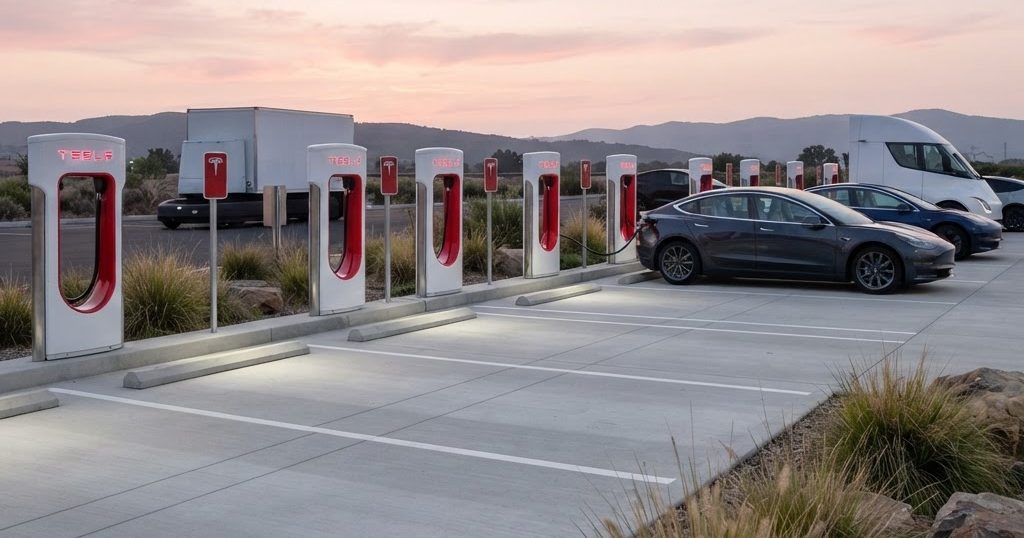
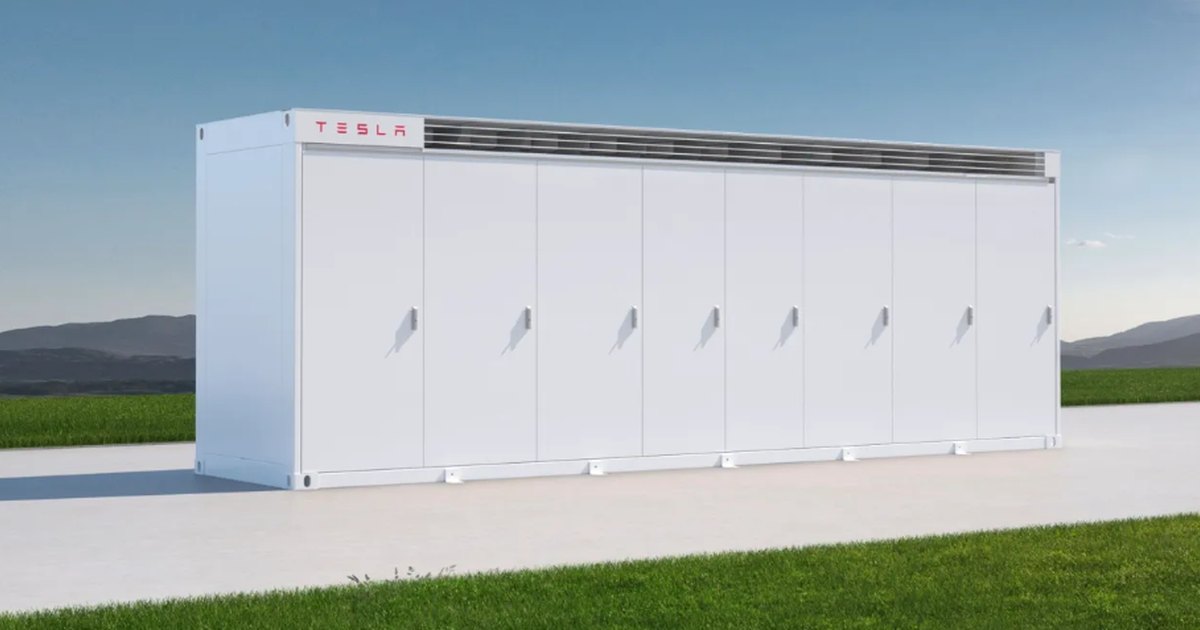
A permit for a large Tesla charging lot in south Austin includes 48 V4 Superchargers and, in a second phase, 80 wireless chargers. Here is why that points to the Cybercab.
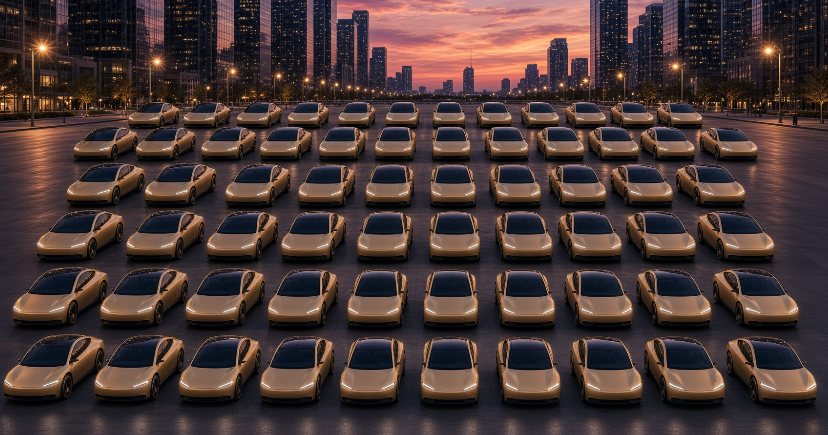
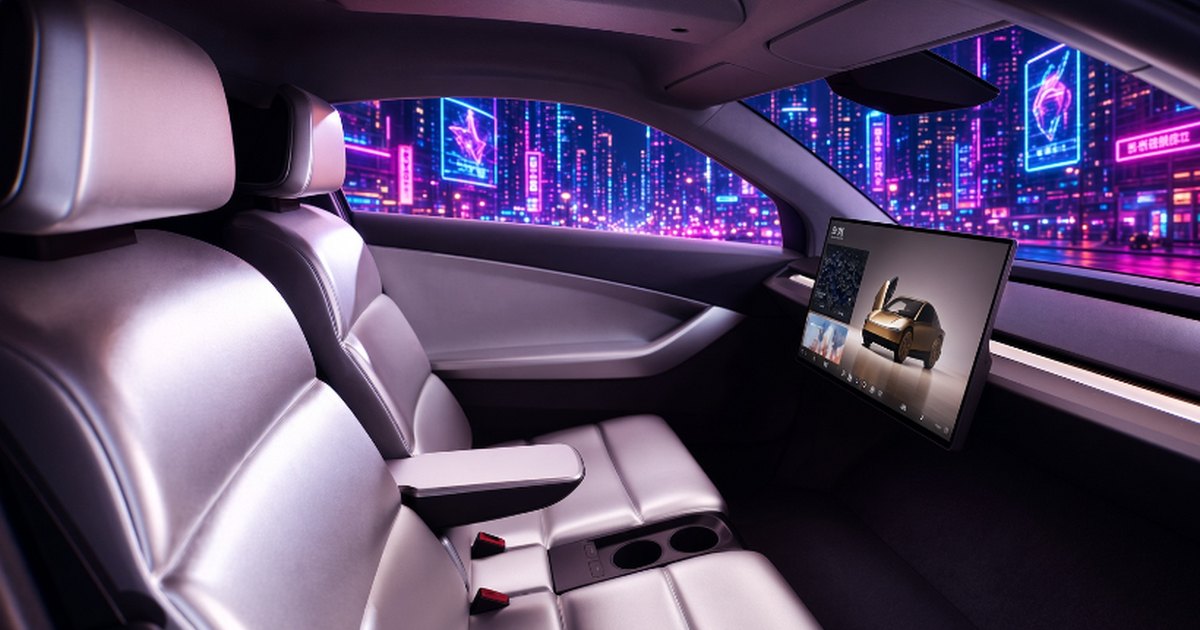
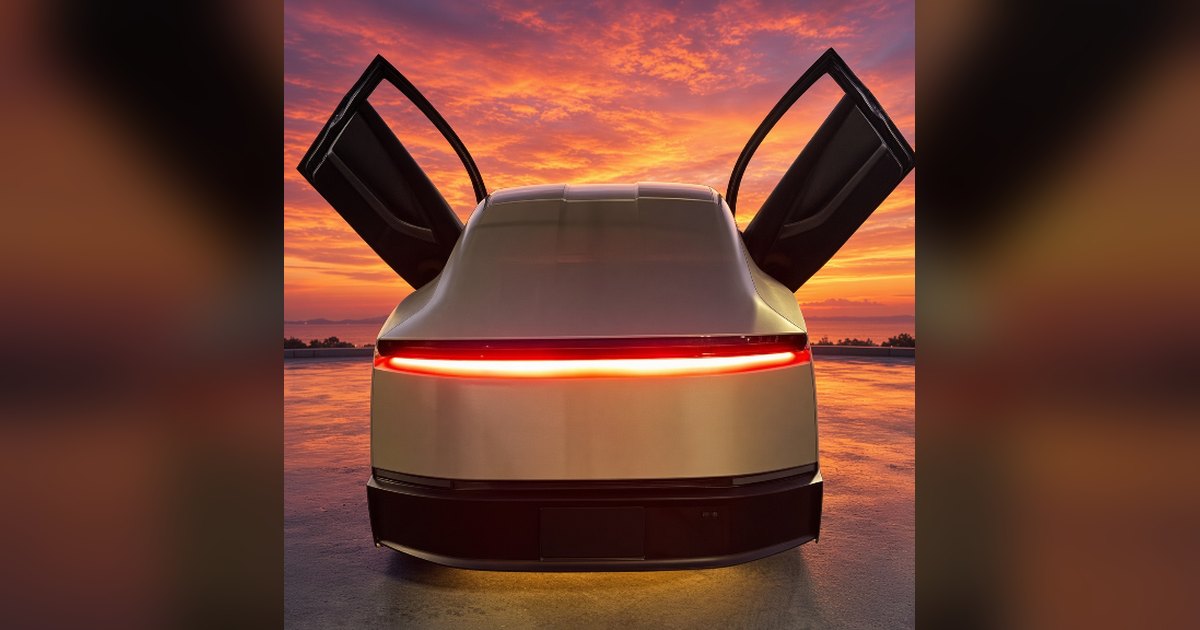
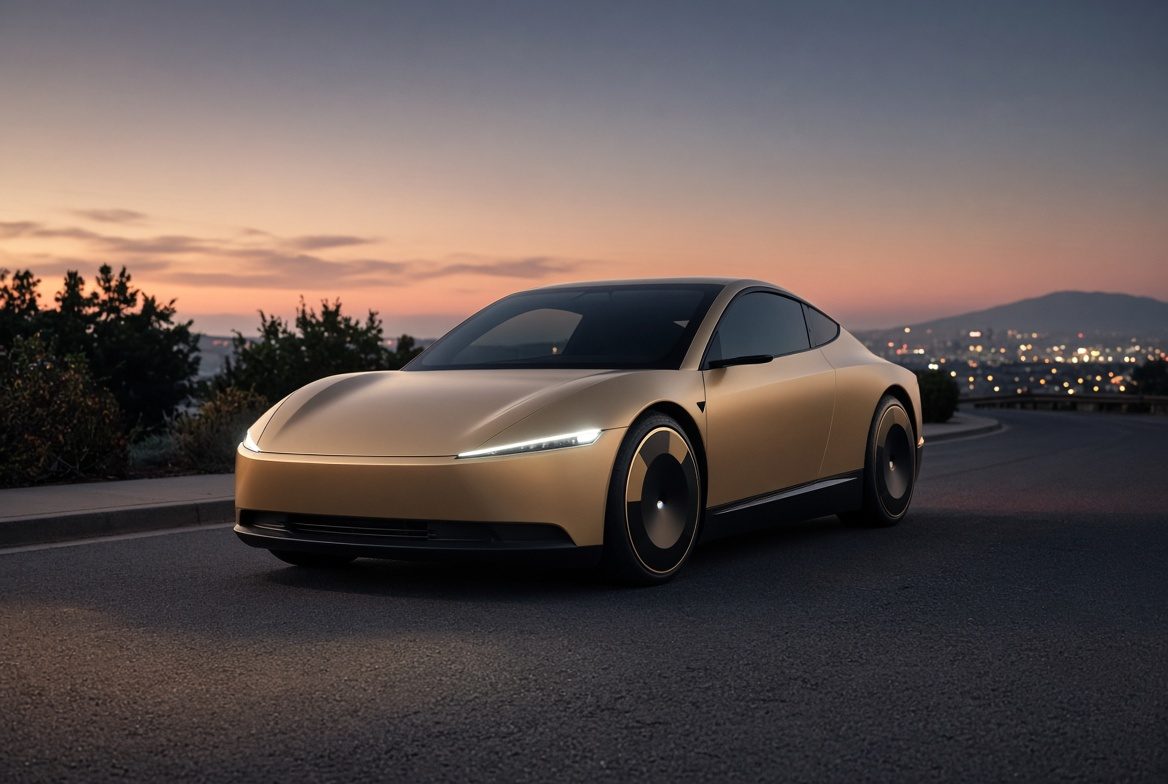
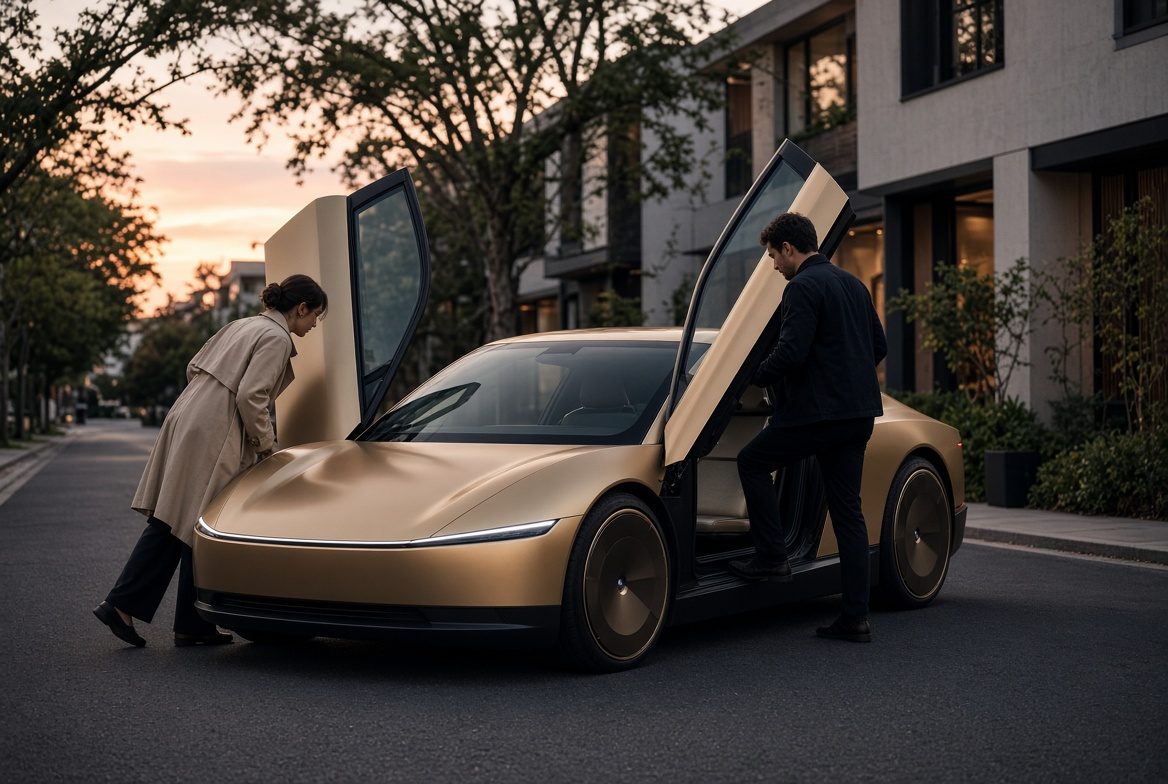
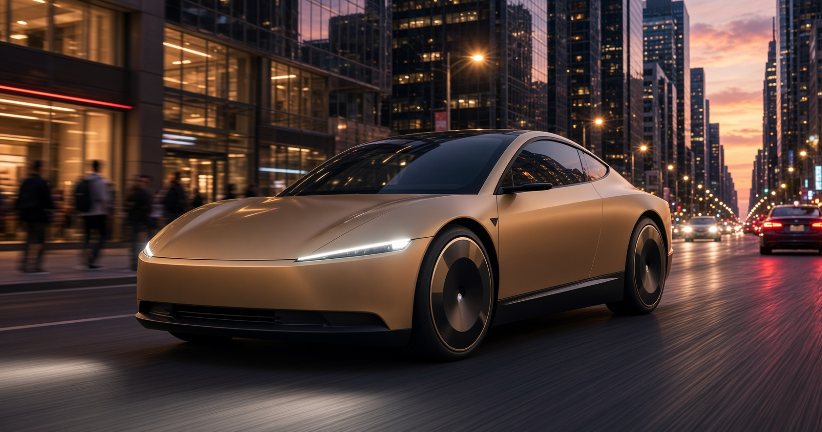
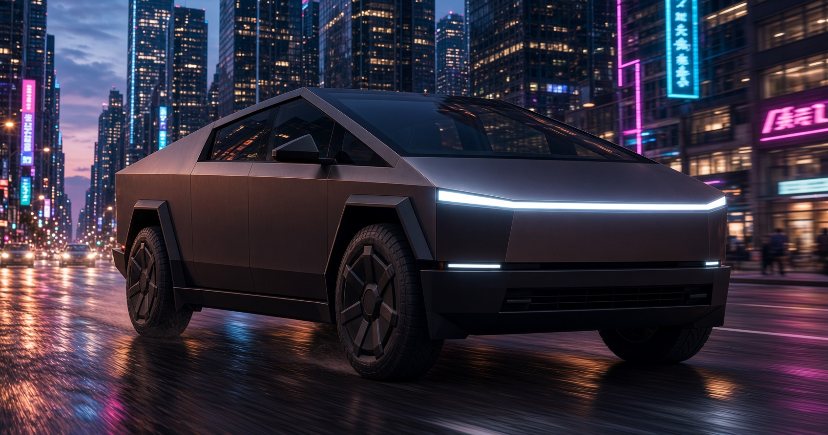
The Cybercab has no steering wheel, no pedals, and no person on board to plug in a cable. That makes charging one of the practical puzzles of a driverless fleet. A permit filing in Austin shows how Tesla plans to solve it.
What the filing shows
- Location: a lot of about 7,600 m² (82,000 sq ft) on East St. Elmo Road in south Austin, across from a Tesla service center.
- Name: filed as a parking and charging site.
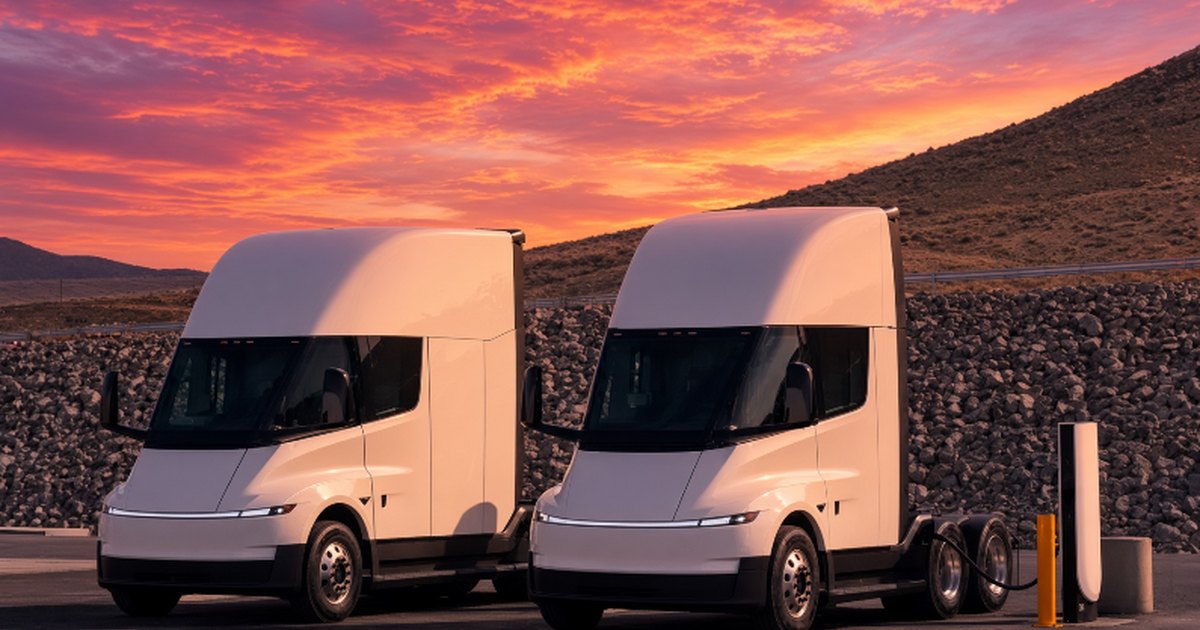
- Phase 1: 48 V4 Supercharger stalls.
- Phase 2: extra V4 cabinets to power 80 wireless chargers.
The plans do not say the wireless chargers are for the Cybercab, and Tesla has not described the site as a robotaxi hub.
Why it points to the Cybercab
Tesla designed the Cybercab to charge wirelessly by parking over a pad. Tesla patents describe that pad in some detail, including support for both 400-volt and 800-volt batteries and a dense grid of sensors to detect objects, such as a dropped can or a cat, between the car and the pad. No current Tesla model for customers charges wirelessly, so 80 wireless pads at one site would be the first large-scale use of the system.
Why wireless matters for robotaxis
A human driver plugs in a car in seconds. A driverless fleet would need staff or robotic arms to do the same, which costs money and can fail. With wireless charging, the car parks, charges and leaves on its own. Across thousands of cars charging several times a day, that saving adds up.
The trade-offs
Wireless charging is typically somewhat less efficient and slower than a cable, and the pads are expensive to install. For a robotaxi that spends hours waiting between rush periods, speed matters less than automation.
What to watch
Construction at the Austin site, the first images of a Cybercab charging over a pad, and whether similar hubs appear in other robotaxi cities.