 3 min
Tesla delivers 480,126 cars in Q2 2026, up 25% and far above Wall Street's estimate
Tesla's second-quarter deliveries jumped 25% from a year earlier to 480,126, ending a two-year run of falling sales and beating analyst expectations by about 74,000 cars. Energy storage reached 13.5 GWh.
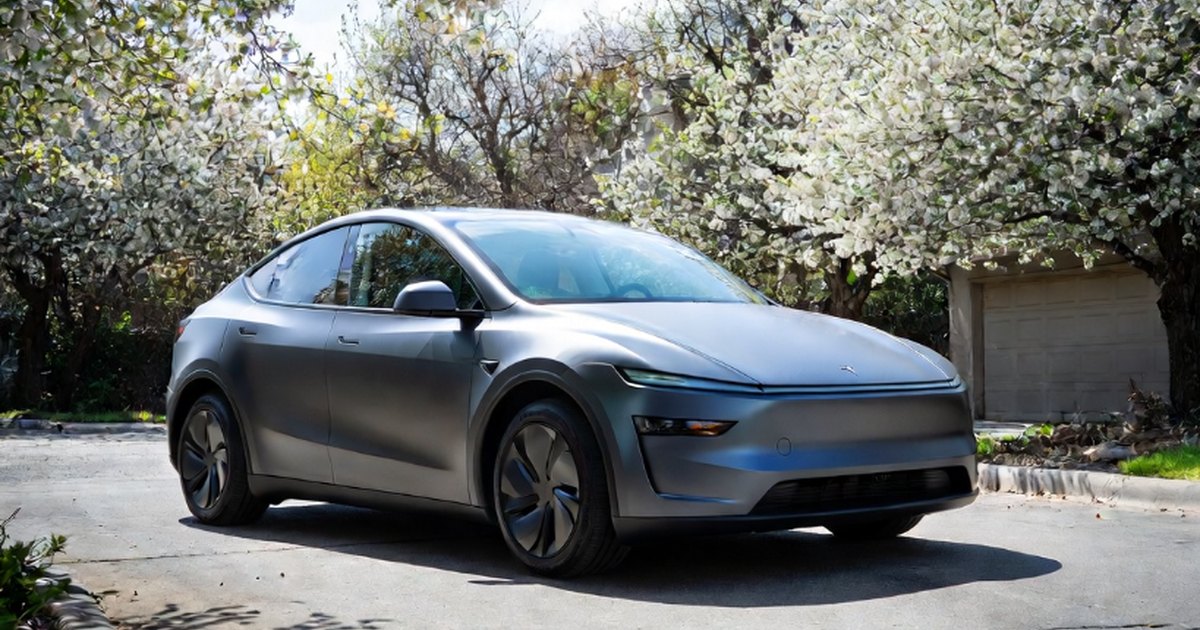
Tesla's sales are growing again. The company said on July 2, 2026, that it delivered 480,126 vehicles in the second quarter, 25% more than a year earlier. It is the first year-over-year growth in a quarter after two years of falling sales, and the result was well above what analysts had expected.
The numbers
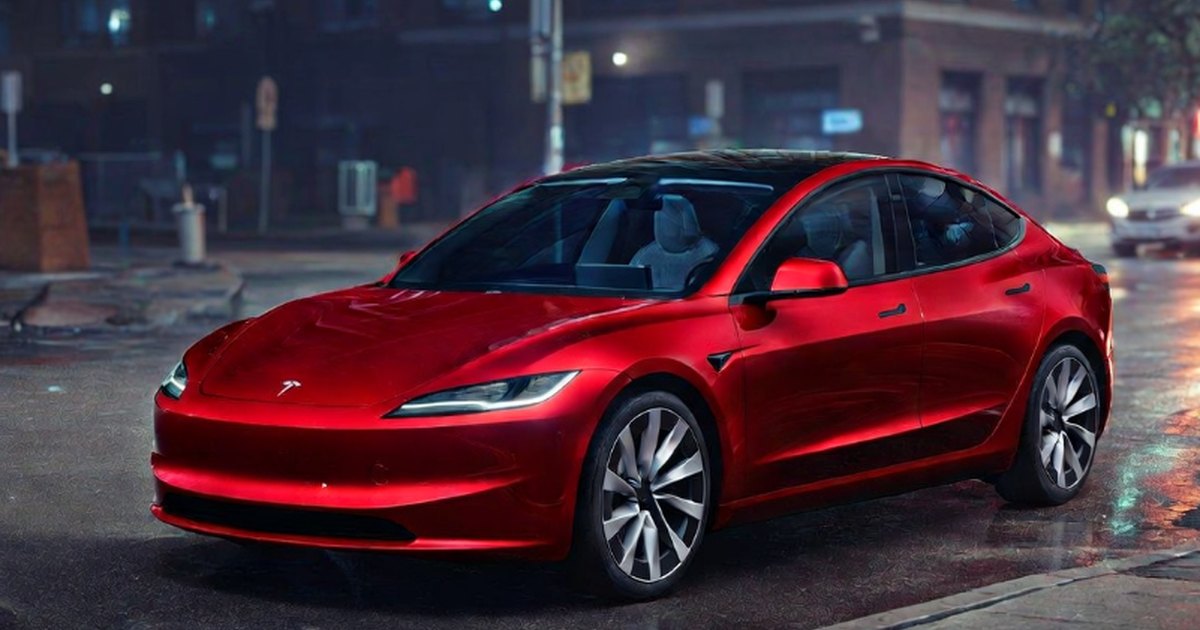
- Deliveries: 480,126, of which 467,762 were Model 3 and Model Y and 12,364 were 'other models' (Model S, Model X, Cybertruck and Semi).
- Production: 451,758, of which 442,936 were Model 3 and Model Y and 8,822 other models.
- Leasing: 2% of deliveries are subject to operating lease accounting.
- Energy storage: 13.5 GWh deployed.
How it compares
The comparison with last year is strong. In Q2 2025, Tesla delivered 384,122 cars. Compared with the first quarter of 2026, when Tesla delivered 358,023, the increase is about 34%.
The beat was large. According to Not a Tesla App, the analyst consensus was 406,024 deliveries, and even the most optimistic forecasts were around 420,000. Tesla came in roughly 74,000 cars above the consensus. The quarter also beat Q2 2024 (443,956) and ranks as the fourth-best quarter in Tesla's history.
Energy storage also grew. The 13.5 GWh compares with 9.6 GWh a year earlier, an increase of roughly 40%, and was slightly above the 13.3 GWh analysts had expected.
Inventory came down
One detail stands out: Tesla delivered about 28,400 more cars than it built. That means it sold cars from stock. In the first quarter the opposite happened, when Tesla built 408,386 cars but delivered only 358,023, adding roughly 50,000 cars to inventory. Q2 cleared a large part of that.
That matters for how to read the result. Part of the jump came from selling cars that were already built. The delivery report does not say what discounts or incentives Tesla used to move them, or how the sales split between North America, Europe and China. Those answers will come with the financial results.
Why it matters
After two years of falling deliveries, investors had been asking whether demand for Tesla's ageing line-up could recover. This quarter suggests it can, at least for now, with the Model 3 and Model Y carrying almost all of the volume. The low-volume 'other models' group remains small: it fell from 16,130 deliveries in the first quarter to 12,364, so the growth came almost entirely from Tesla's two mass-market cars.
Tesla itself warns that deliveries are only two measures of performance and should not be used to predict quarterly financial results. Profit depends heavily on prices and margins, which this report does not show.
What to watch next
Tesla reports its full second-quarter results on Wednesday, July 22, after the US market closes, with a webcast at 5:30 p.m. Eastern Time (23:30 in the Netherlands and Belgium). Key questions:
- How much the inventory sell-down cost in margin.
- Which regions drove the growth.
- Whether Tesla can keep up this pace in the second half of the year.
- Updates on the Cybercab, Robotaxi expansion and new FSD approvals.
This article is for information only and is not financial advice.