 4 min
Macrohard explained: the Tesla and SpaceXAI 'Digital Optimus' project, seven months on
Musk's 'Digital Optimus' is meant to do office work on Tesla's AI4 chip with Grok as the brain. What the joint project is, why it matters for Tesla, and why there is still no product.
In March 2026, Elon Musk announced a project with an odd name and a very large ambition. "Macrohard", also called "Digital Optimus", is meant to be an AI that can operate a computer the way an office worker does: watching the screen, moving the mouse and typing. What makes it relevant for Tesla is that it was presented as a joint project of Tesla and xAI, the Grok developer that is now part of SpaceX. Seven months later, here is what is known, and what is not.
What Macrohard is supposed to do
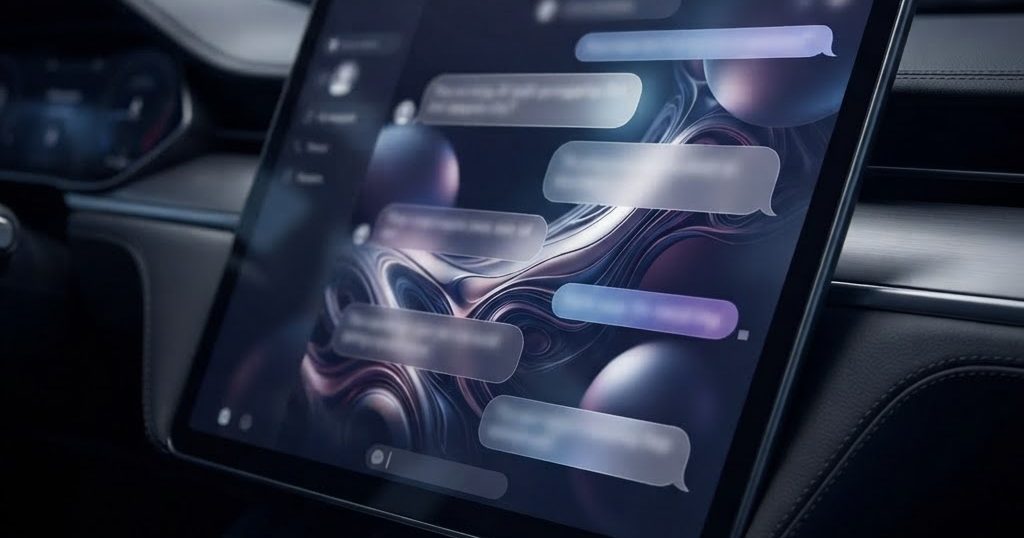
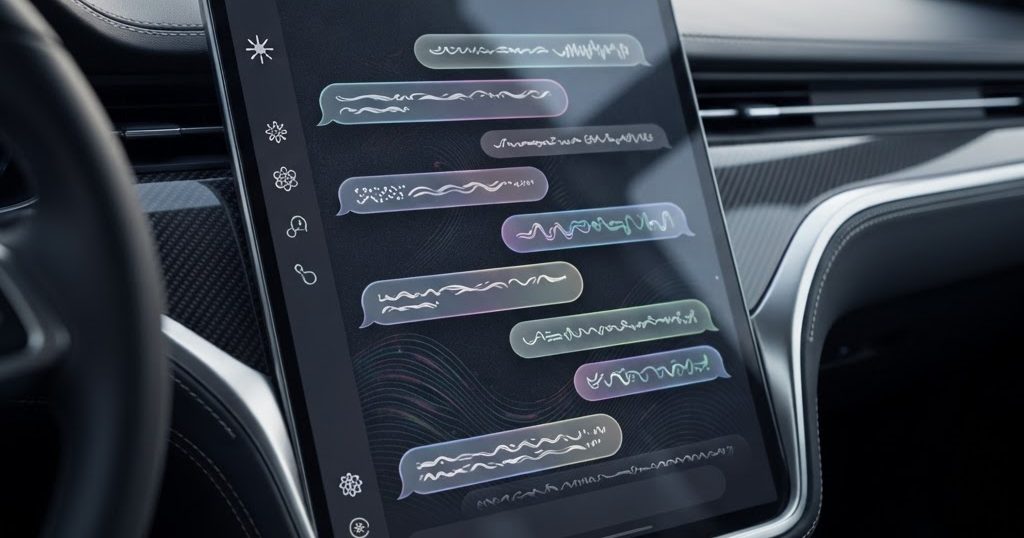
Most AI assistants connect to other software through programming interfaces. Macrohard takes a different route. It is meant to use ordinary programs through their visual interface, just as a person would. In theory, that means it could work with almost any software without custom integrations. Musk went as far as saying it could emulate the functions of entire software companies, which is where the joke name comes from: it is a jab at Microsoft.
The design has two layers, which Musk compared to the two systems of thinking described by psychologist Daniel Kahneman:
- Digital Optimus (Tesla): the fast, instinctive layer. It looks at the last five seconds of screen video together with keyboard and mouse actions, and decides what to do next in real time.
- Grok (xAI, now SpaceXAI): the slower reasoning layer, described as the "master conductor" that plans the work and steers the Tesla agent.
Where Tesla comes in
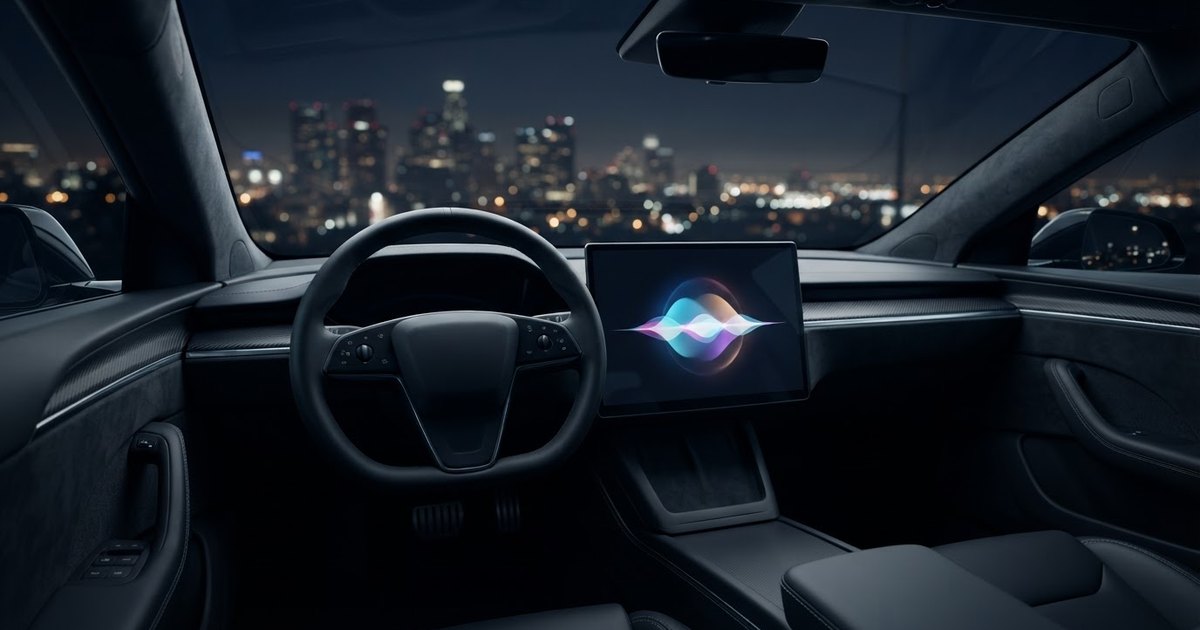
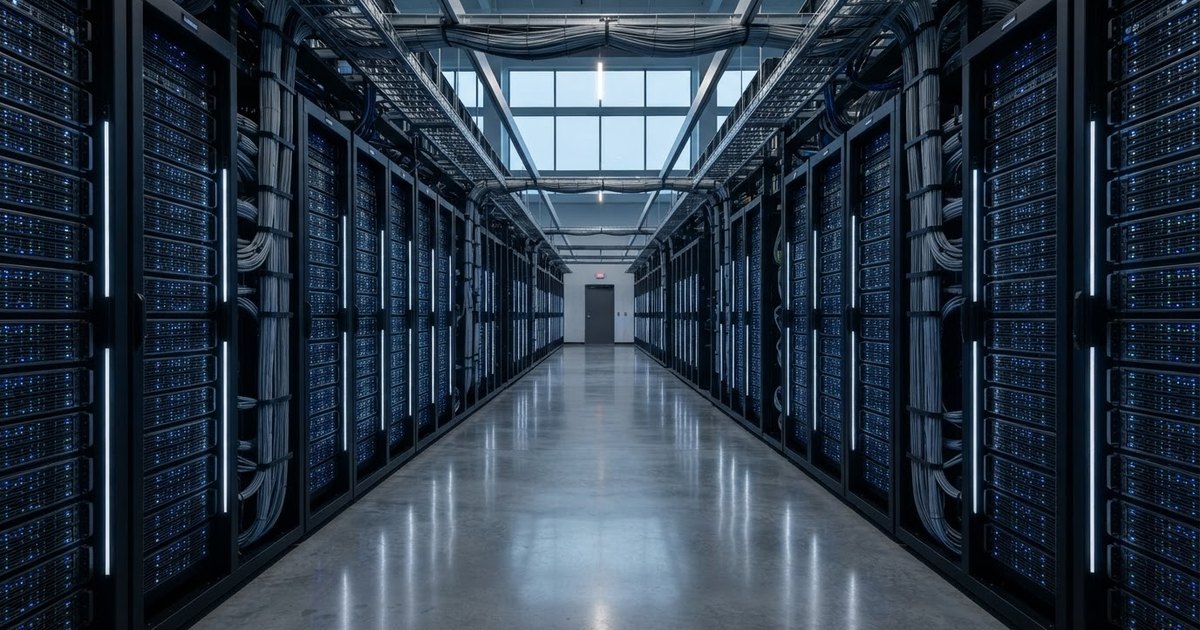
The Tesla part is not just branding. According to Musk, the agent is meant to run on Tesla's AI4 computer, the same hardware that powers Full Self-Driving in current Teslas, which he put at about $650 per unit. The more expensive Nvidia hardware in SpaceXAI's data centres would only be used when needed. The idea mirrors how Tesla trains its driving software: big models in data centres, and a compact model that reacts in real time on cheap onboard hardware.
The project was announced as part of Tesla's agreement to invest about $2 billion in xAI, signed in January 2026. When SpaceX absorbed xAI a few weeks later, Tesla's investment was converted into SpaceX shares, so Tesla now works on the project with a company in which it holds a small stake.
A project with a bumpy start
Macrohard did not start at Tesla. xAI filed a trademark for the name in August 2025 and began work internally. By March 2026, Business Insider reported that the effort had stalled after leadership changes, the pause of a large data-collection project with outside contractors, and the departure of many engineers who had worked on it. Musk's announcement of the joint Tesla project came hours after that report was published, and parts of the work were reportedly moved to Tesla's Autopilot team.
Critics were quick to point out a contradiction. In September 2024, Musk had said Tesla had no need to license anything from xAI. Electrek also noted that Tesla shareholders have been suing Musk in Delaware since 2024 over the founding of xAI, arguing it diverted AI talent and resources from Tesla. A joint project between the two companies feeds directly into that debate.
Where it stands now
As far as we can find, no Macrohard or Digital Optimus product has been released, and neither Tesla nor SpaceX has given a launch date. No independent tests of its abilities have been published. Meanwhile, SpaceXAI launched its own office agent, Grok Bot, in August 2026. On SpaceX's third-quarter call on October 20, Musk said Grok Bot would see wide enterprise deployment within a few weeks. How Grok Bot and Digital Optimus relate to each other has not been explained publicly.
Why it matters for Tesla
If the concept works, it would give Tesla's AI chips a market beyond cars and robots: millions of small computers doing office work. That would strengthen the case that Tesla is an AI company, not only a carmaker. But the project also shows how tightly Tesla's AI ambitions are now tied to SpaceX, which owns Grok. Every deal between the two must be approved by both boards, and the companies are currently studying a merger. If they combine, the question of who owns Digital Optimus disappears. If they do not, it is one more related-party relationship for Tesla shareholders to watch.
What to watch
A first public demo, any mention of Digital Optimus in Tesla's own updates, and whether the merger committees treat joint AI projects like this one as a reason to combine the companies.