 4 min
85,774 Tesla Powerwalls send a record 601 MW to California's grid during October heat wave
On October 6, Tesla's California virtual power plant delivered 601 MW and 932 MWh from home batteries, its biggest event yet. Together with Sunrun, home batteries supplied 745 MW. Here is how it works and what owners get paid.
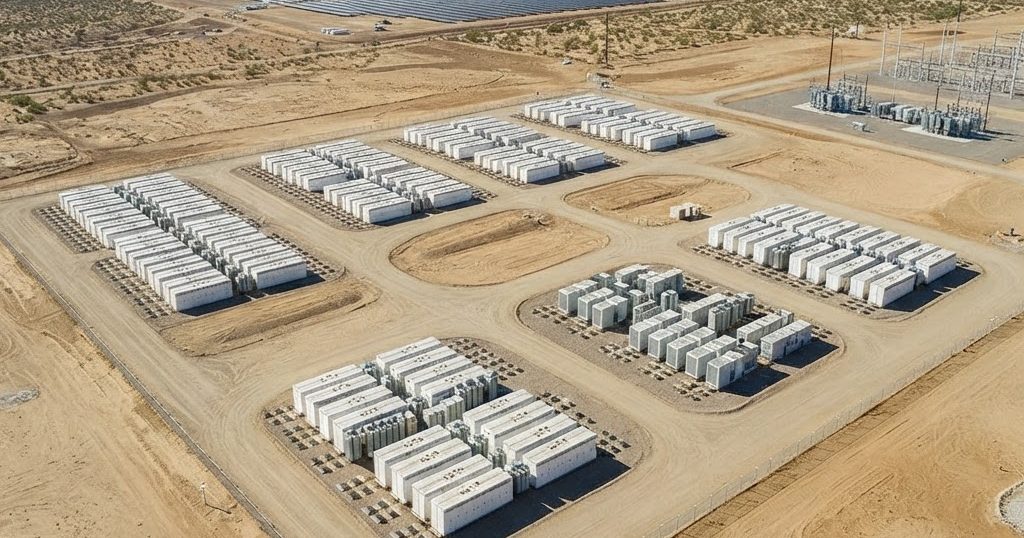
California's grid had a hot start to October, and once again it was helped by tens of thousands of home batteries. On the evening of Tuesday October 6, 85,774 homes with a Tesla Powerwall pushed a combined 601 MW into the grid, the largest event Tesla's virtual power plant (VPP) has ever run. A week later, solar company Sunrun said the total from home batteries that evening, counting both companies' fleets, reached 745 MW.
The numbers
- Peak power: 601 MW from participating Powerwall homes. Counting homes that were not enrolled, Tesla's whole California Powerwall fleet peaked at 634 MW.
- Energy: 932 MWh delivered during the evening event. That works out at roughly 10.9 kWh per home, around 80% of a single Powerwall's 13.5 kWh capacity.
- Per home: about 7 kW at peak. That is more than the 5 kW continuous output of a Powerwall 2, which points to a mix of the stronger Powerwall 3 (11.5 kW) and homes with more than one battery.
- Grid demand: California's statewide demand reached 45,622 MW at 5 p.m. that day, according to grid operator CAISO.
- Combined record: 669 MW on October 5 and 745 MW on October 6, according to Sunrun, with Powerwalls supplying most of it.
Tesla Energy announced its result on X on October 8 and called it a new record for its largest Powerwall VPP event.
A record that keeps getting broken
Home battery records in California are falling fast this year. In early September, about 69,000 Powerwall owners sent more than 500 MW to the grid during a heat wave. On September 21, the Tesla and Sunrun fleets together delivered 580 MW, of which 517 MW came from about 110,000 Powerwalls. Before that, the residential record of 539 MW had stood since July 2025. The October peak of 745 MW is 28% above September's combined figure.
Interestingly, the October event used fewer homes than the September one but delivered more power. Newer batteries with higher output, and homes with multiple units, make each enrolled house more valuable to the grid.
How owners take part, and what they earn
Powerwall owners in California can enroll through the Tesla app. When the grid is tight, the batteries discharge during the evening peak, when solar output drops and air conditioners are still running. Owners set a backup reserve so their home keeps some power for outages.
The events run through two state programs. Demand Side Grid Support (DSGS), run by the California Energy Commission, is triggered when the day-ahead power price in CAISO's market goes above $200 per MWh. The utilities' Emergency Load Reduction Program (ELRP) pays $2 per kWh to aggregators such as Tesla. When PG&E and Tesla launched their program in 2022, they said Powerwall owners would receive $2 for each extra kWh discharged during an event. Tesla said it paid $9.9 million to VPP participants across the US in 2024. Payouts for the October event have not been disclosed.
There is a catch. In a May 2026 filing to the state utilities regulator, Tesla said it had been forced to move thousands of customers from DSGS to ELRP because DSGS ran short of budget.
Why it matters
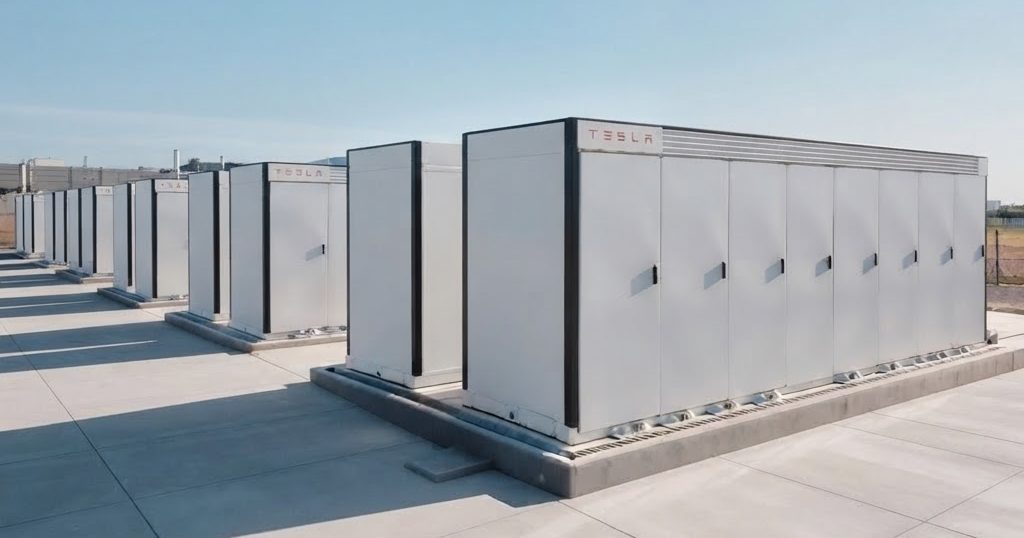
A few hundred megawatts is the output of a mid-sized gas plant, but these batteries were already installed in people's garages. For the grid, that means peak capacity without building a new power station. For Tesla, every successful event strengthens the case for selling Powerwalls as more than backup power: as a small, paid piece of the grid. It also shows why the Powerwall 3's higher output matters beyond the spec sheet.
What to watch next
- ELRP events can still be called until the end of October, so another record is possible if the heat returns.
- A Google-funded distributed power plant in San Jose with PG&E plans to enroll nearly 21,000 devices from Tesla and Everyday Electric, with first dispatches expected this month.
- Whether California tops up the DSGS budget for 2027, which affects how much Powerwall owners can earn.