 4 min
How to ride a Tesla Robotaxi: the app, the seven cities, prices and what to expect
Planning to try a driverless Tesla? Here is a practical guide to the Robotaxi app, where the service runs, what a ride costs, how the Cybercab differs from a Model Y, and the limits to know before you go.
Tesla's Robotaxi service now runs in seven US metro areas, and the app is no longer limited to American phones. If you live in the US, or plan a trip there, this guide explains how a ride works today, from download to drop-off.
Step 1: get the app
Rides are booked in the separate Tesla Robotaxi app, not the regular Tesla app. It is available for iPhone and, since spring 2026, for Android. You do not need to own a Tesla.
At the start there was a waitlist, but that appears to be gone: anyone with the app can now request a ride inside an active service area. In early October, Tesla also made the app available in app stores outside the US, including the UK, Australia, Germany, Italy, Sweden and Singapore. That is mainly useful for tourists, who can set it up before a trip. The service itself only runs in the US.
Step 2: check you are in a service area
Robotaxi only works inside fixed zones, called geofences. As of late September, these were the markets and their approximate sizes:
- Austin, Texas: about 246 square miles. The largest driverless zone and the only city with the Cybercab.
- San Francisco Bay Area: about 1,098 square miles, but every car has a safety driver. The zone reaches the airports in San Francisco (SFO) and San Jose (SJC).
- Dallas: about 31 square miles, bordering Dallas Love Field airport.
- Houston: about 25 square miles.
- Miami: about 31 square miles, wrapping around Miami International.
- Orlando: about 26 square miles, just north of Orlando International.
- Tampa: about 24 square miles, directly east of Tampa International.
Note that a zone near an airport does not automatically mean pickups at the terminal. Check the map in the app before you rely on it. Tesla has also listed Las Vegas, Phoenix, Jacksonville and San Antonio as coming soon, without dates.
Step 3: know the hours
The service does not yet run around the clock. In Austin, rides now run from 6 a.m. to midnight, after Tesla extended the hours twice in October. Hours can differ by city and can change quickly, so the app is the place to check. Tesla says its next major software version, FSD v15, should make 24/7 service possible.
What a ride costs
Tesla shows the fare in the app before you book, and prices have changed several times:
- June 2025: a flat $4.20 per ride at the Austin launch.
- March 2026: Austin moved to a $3.00 base fare plus $1.40 per mile, according to a community tracker cited by The Driven.
- September 2026: the two-seat Cybercab arrived with lower fares. In one rider's test for the same trip, a Model Y was quoted $12.10 and a Cybercab $7.77, about 35% less.
Tesla has not published a full price list per city, so treat these as examples rather than fixed rates.
Model Y or Cybercab?
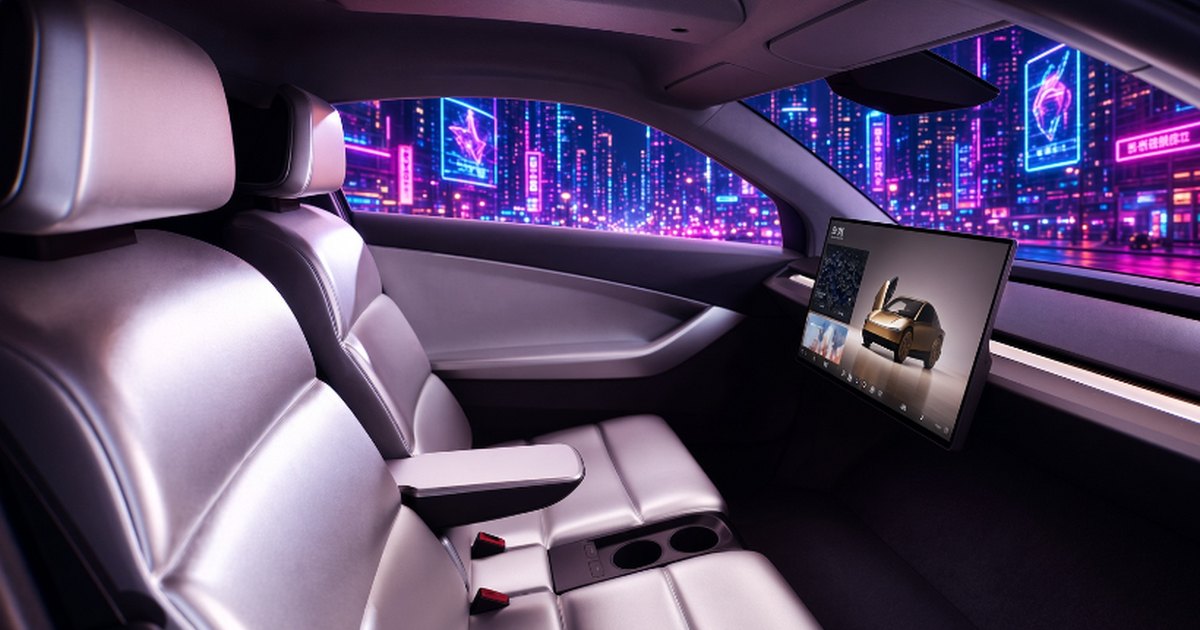
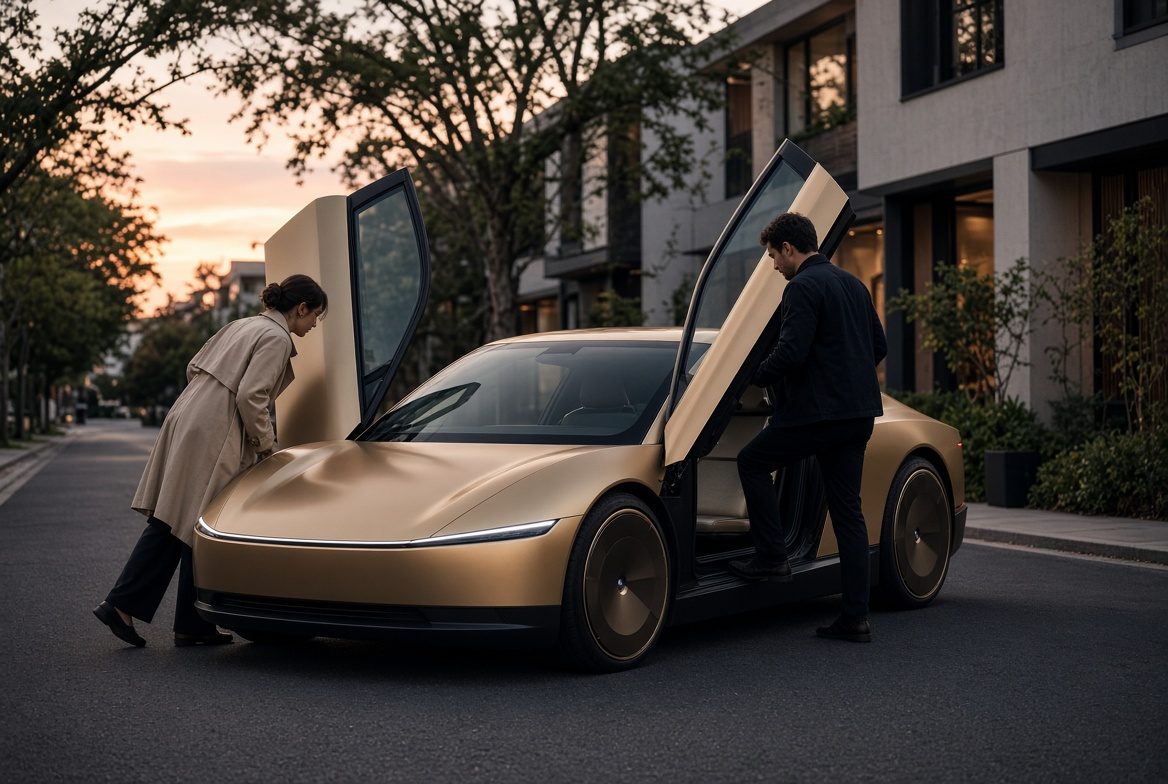
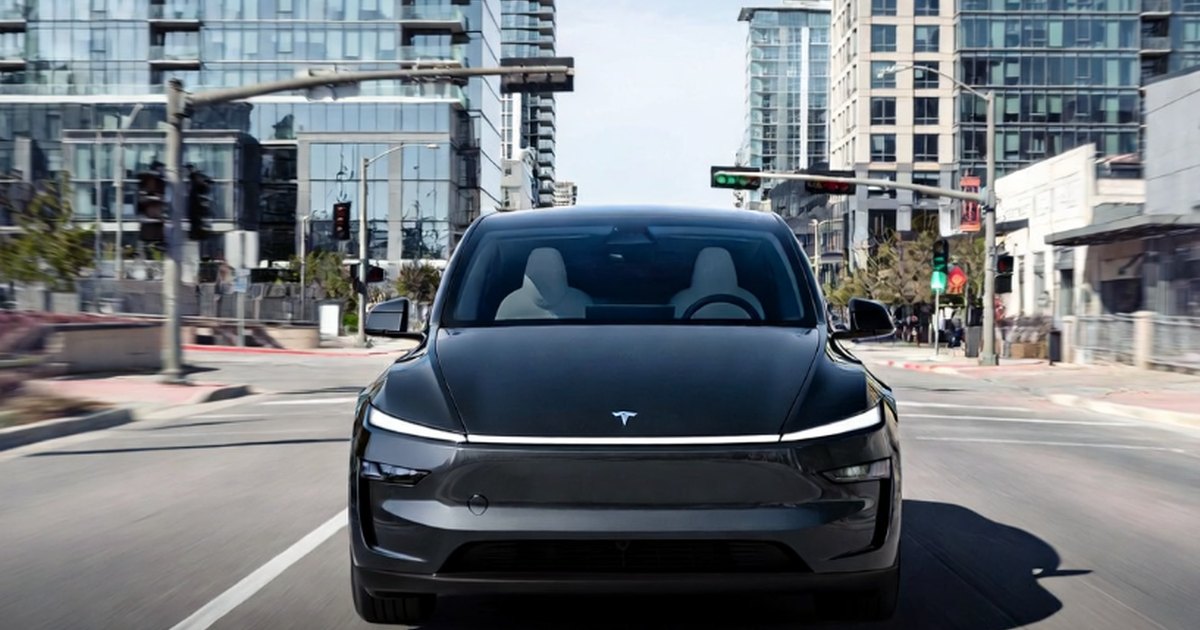
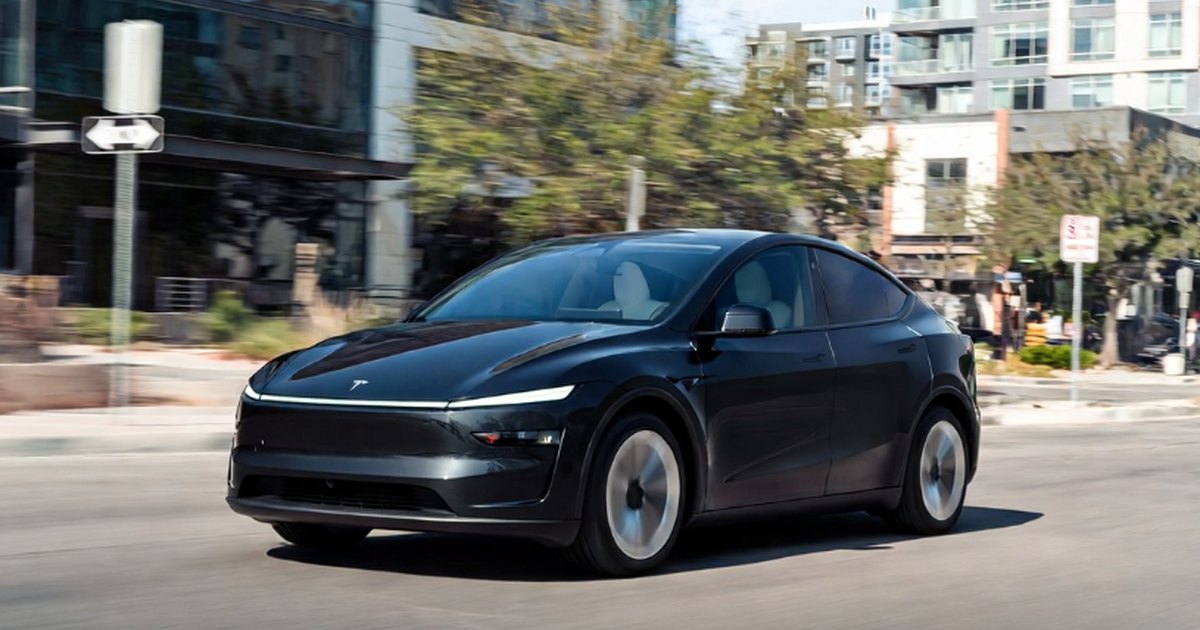
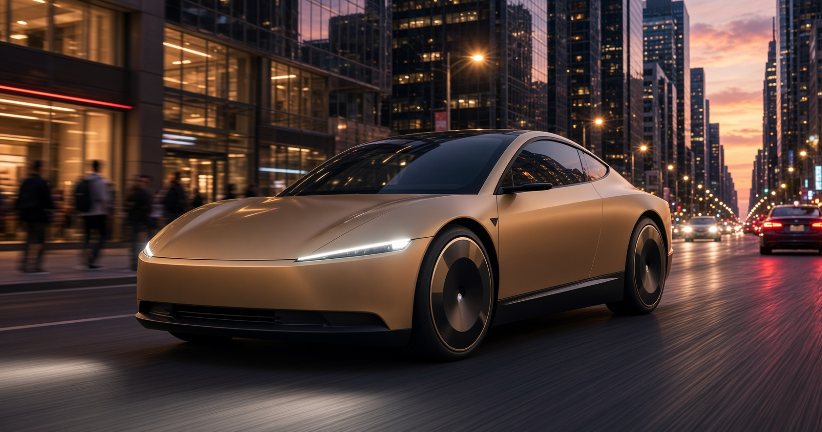
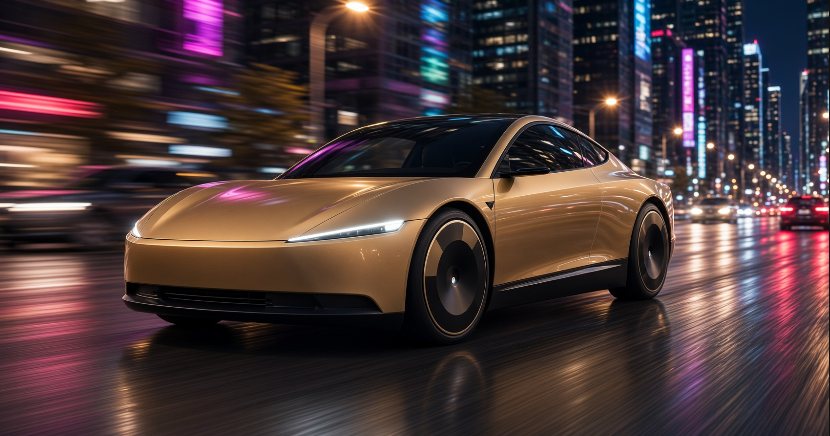
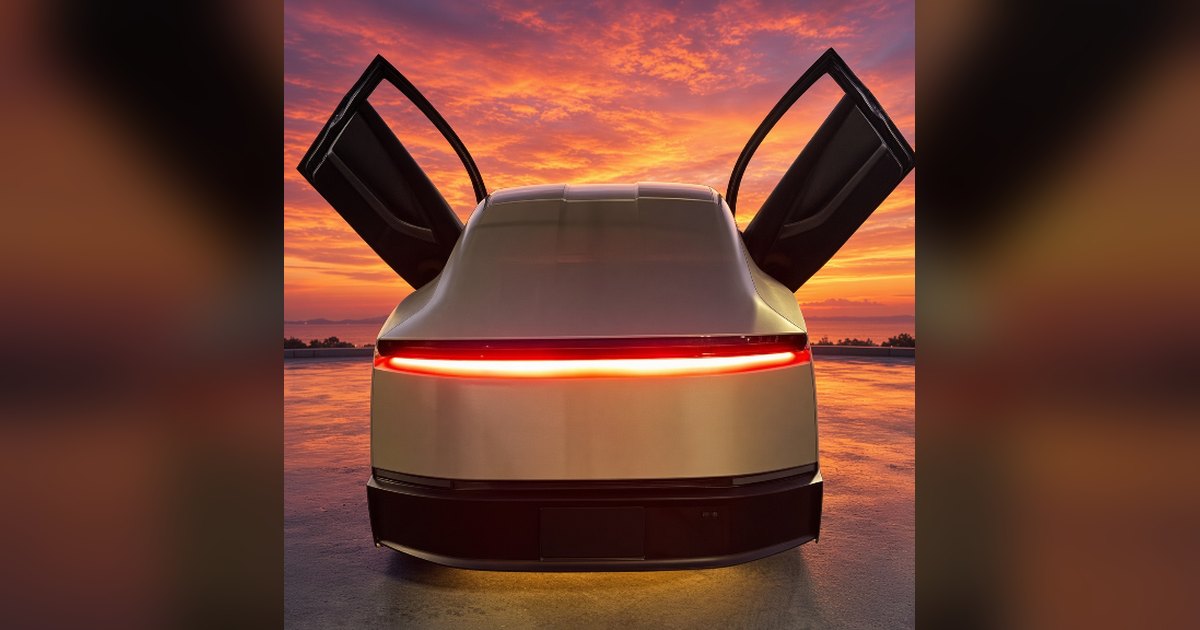
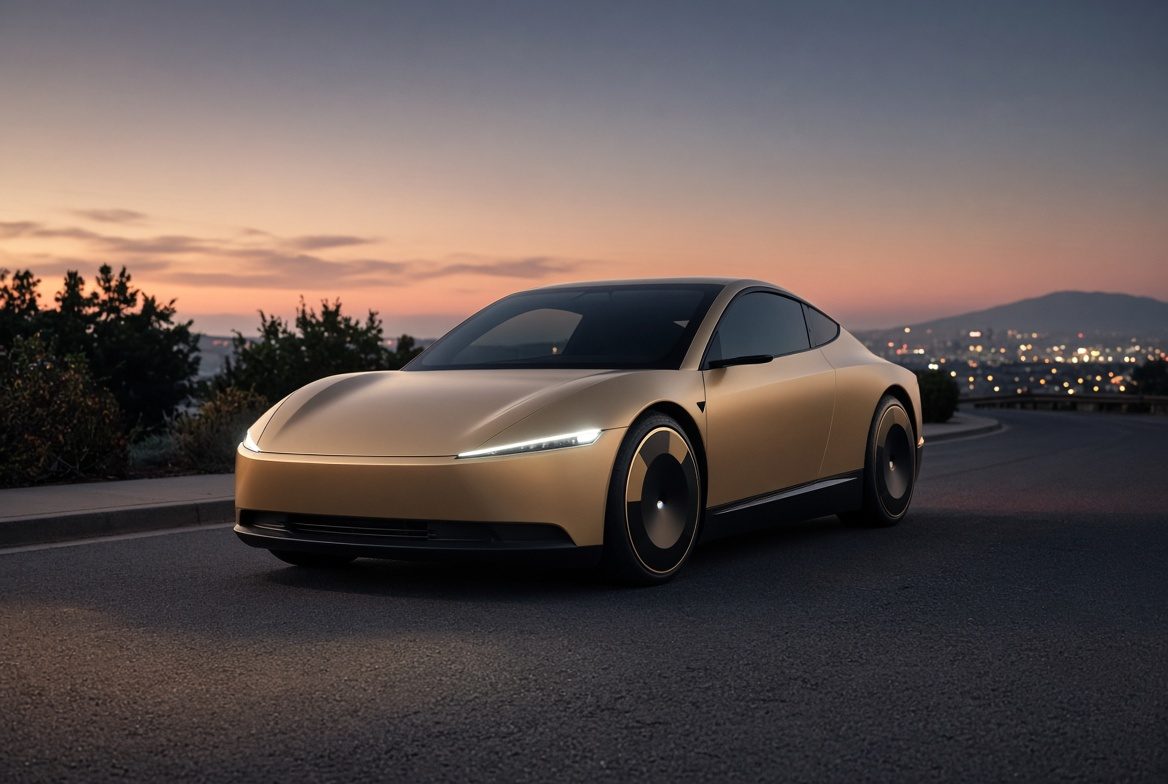
Most rides are still in converted Model Y cars with four passenger seats. In Austin you can also get a Cybercab, Tesla's purpose-built two-seater without a steering wheel or pedals. It can be hailed anywhere in the Austin zone, and its front light bar glows in a distinct color at pickup so you can spot your car. Choose a Model Y if you travel with more than one other person.
What to expect, and the limits
- Nobody up front: outside the Bay Area, there is normally no Tesla employee in the car. Remote staff monitor the fleet and can help if the car gets stuck.
- Help is in the car: speakers and microphones connect riders and first responders to Tesla's 24-hour Robotaxi support team.
- Small zones: outside Austin and the Bay Area, the zones cover only part of each city, so longer trips may not be possible.
- Regulators are watching: NHTSA is reviewing school zone speeding claims and has questions about the Cybercab. Neither has stopped the service.
The bottom line
Trying a Tesla Robotaxi is easy if you are inside a zone: download the app, check the map and hours, and compare the quoted fare. For the most complete experience, including the Cybercab, Austin remains the place to go.
Sources (4)
- Not a Tesla App — Tesla Robotaxi App Now Available in Many More Countries
- Not a Tesla App — All of Tesla's Robotaxi Markets and Their Actual Sizes
- Not a Tesla App — Cybercab Joins Tesla's Robotaxi Fleet With Cheaper Fares
- The Driven — Tesla lifts Robotaxi prices by up to 40 pct less than a year after launch