 4 min
NACS explained: how Tesla's plug became SAE J3400, and which EVs can use Superchargers now
Tesla's charging plug is now the North American standard, known officially as SAE J3400. Here is how that happened, what the plug can do, which brands can Supercharge, and why none of this applies in Europe.
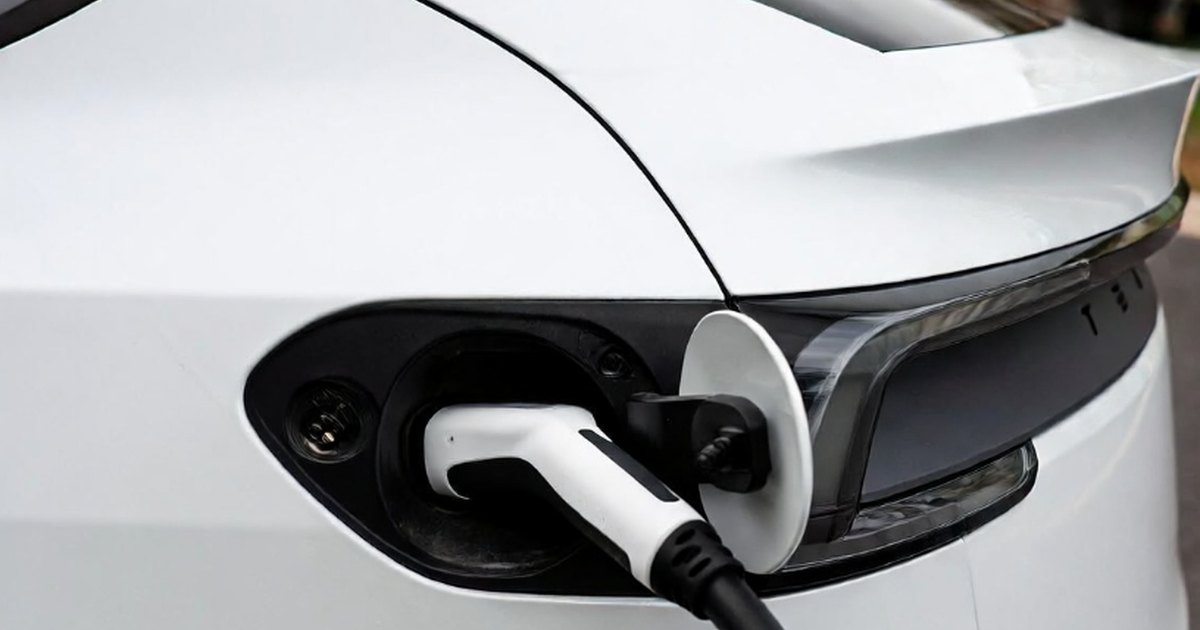
Four years ago, Tesla's charging plug was used by one carmaker. Today almost every major brand selling electric cars in North America has adopted it. The plug is called NACS, and since 2024 it has also had an official name: SAE J3400. Here is what you need to know.
From Tesla plug to industry standard
- 2012: Tesla introduces its own compact connector with the Model S.
- November 2022: Tesla publishes the design and calls it the North American Charging Standard (NACS), inviting others to use it.
- May 2023: Ford becomes the first major carmaker to sign up. Most others follow between May 2023 and February 2024.
- June 2023: SAE International, the US engineering standards body, announces it will standardize the plug as J3400.
- September 30, 2024: SAE publishes the J3400 recommended practice. NACS now officially stands for North American Charging System.
Mitsubishi is the only major carmaker that has not announced plans to adopt the plug.
What makes the plug different
The main advantage is size and simplicity. NACS uses one small connector for both AC charging at home and DC fast charging, with the same pins doing both jobs. The older CCS1 plug used by most non-Tesla cars in the US is much larger, because it adds two extra DC pins below the AC part.
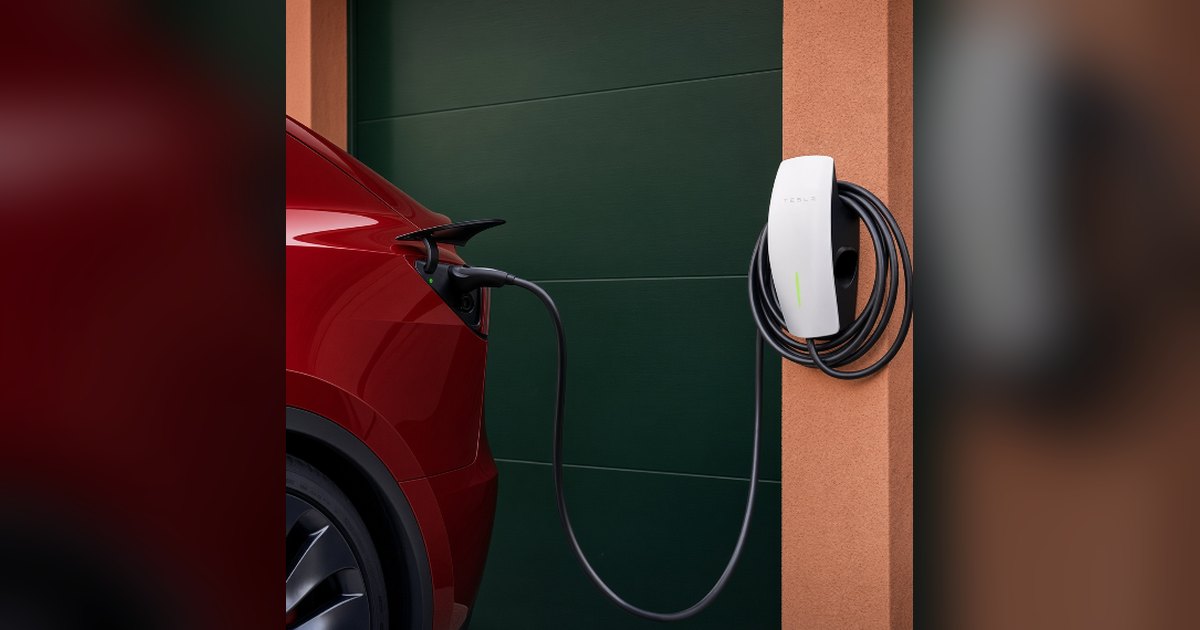
- AC charging: up to 80 amps at 277 volts, or about 22 kW. A typical home setup gives up to 48 amps at 240 volts, about 11.5 kW.
- DC fast charging: versions for up to 500 volts and up to 1,000 volts. The standard sets no fixed current limit, as long as the connector stays below 105 °C. Tesla has reported running up to 900 amps continuously.
- Compatibility: the AC pin layout matches the J1772 plug used at most public Level 2 chargers, so simple adapters work.
Which EVs can use Superchargers?
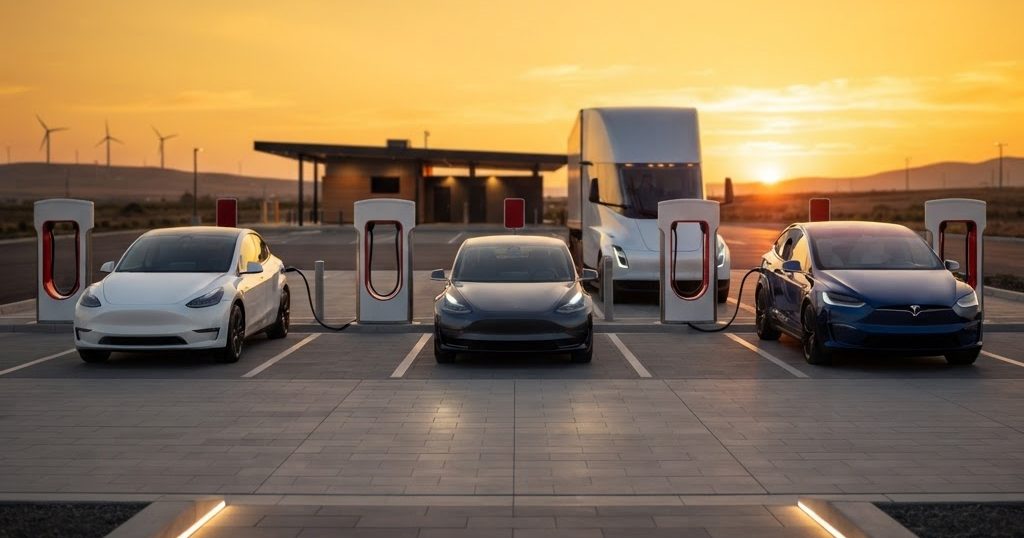
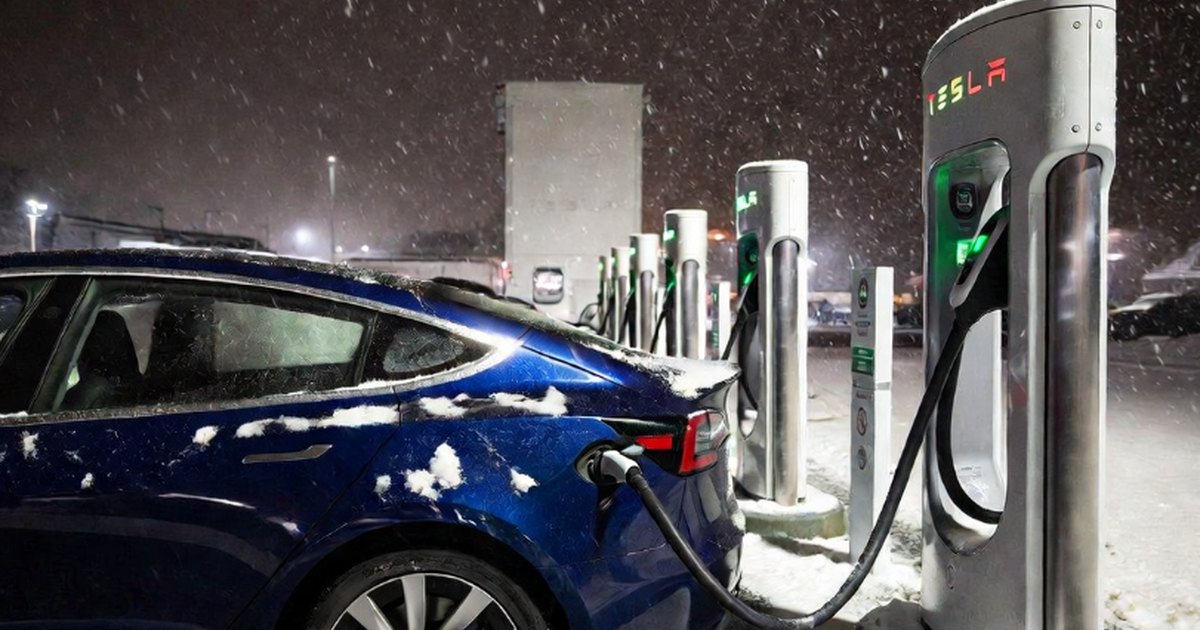
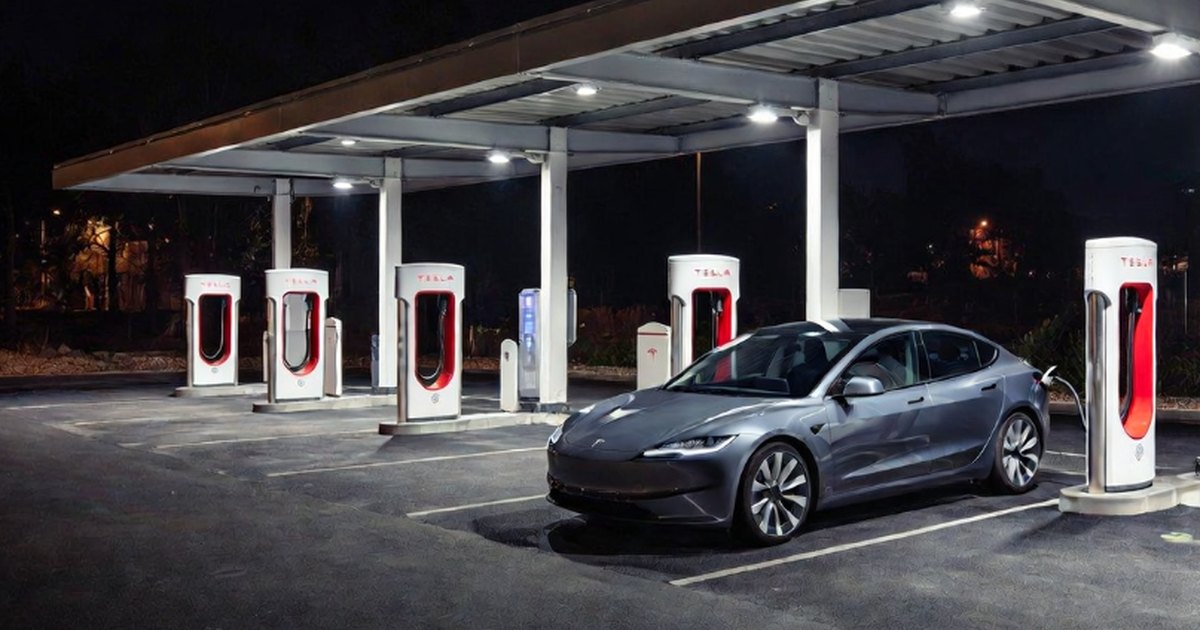
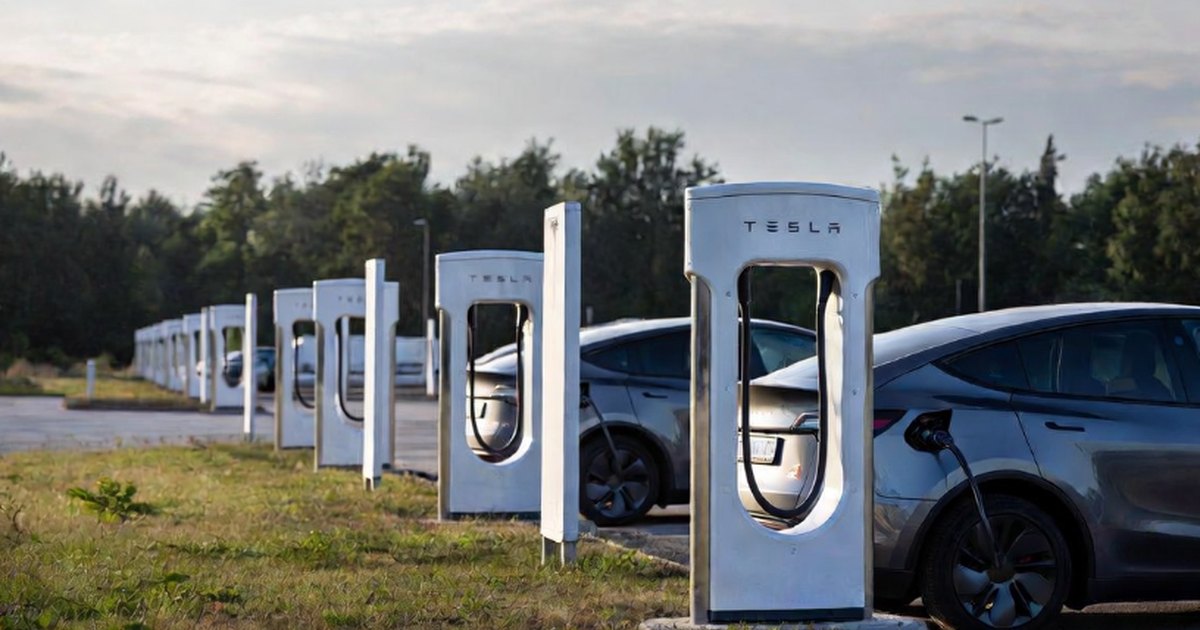
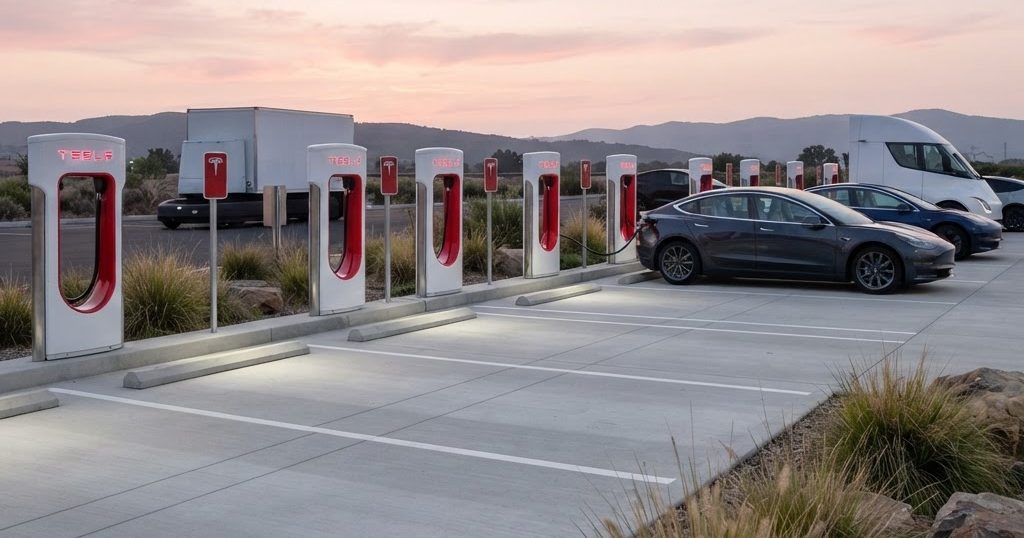
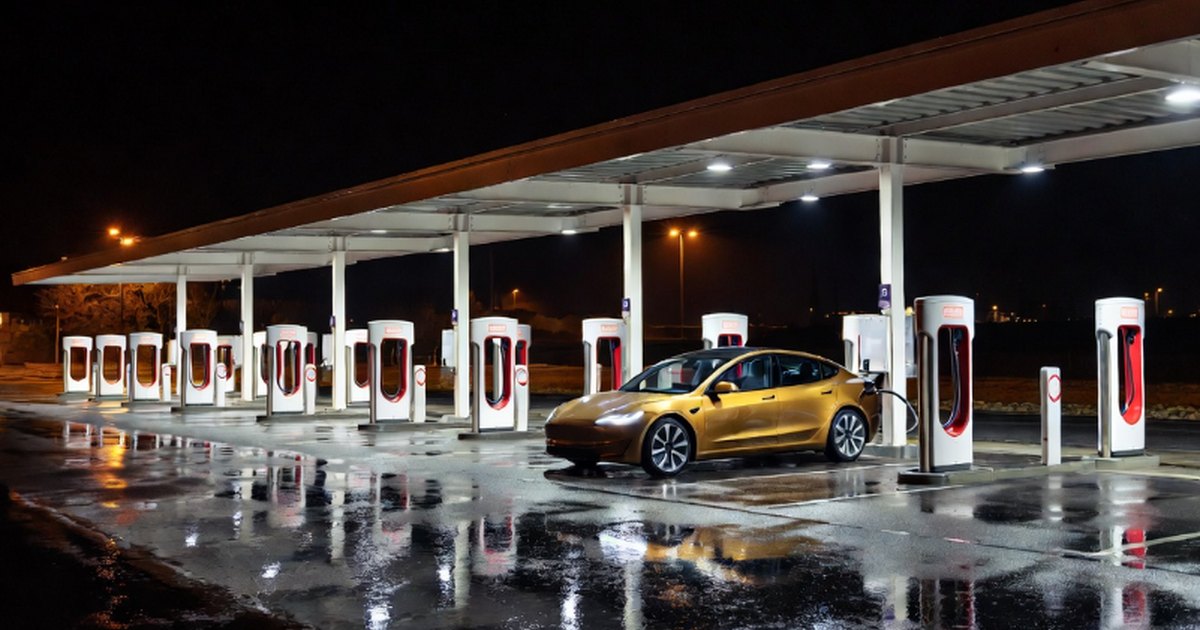
Opening the Supercharger network was the real prize for other brands. Ford owners got access first, on February 29, 2024, when Tesla opened more than 15,000 stalls to them. Rivian followed in March 2024. Since then, the list has grown to include GM's brands, Hyundai, Kia and Genesis, Lucid, Honda, Jaguar Land Rover, Volkswagen Group, Toyota, Subaru and Lexus, BMW and, in March 2026, Stellantis, often described as the last big domino. Mazda's access was still listed as planned.
A few practical points:
- Older non-Tesla EVs with a CCS1 port need an approved CCS1-to-NACS adapter. Some brands gave these away, others sell them, typically for around $185 to $230.
- Newer models come with a NACS port built in, such as the 2026 Toyota bZ, Subaru Solterra and Lexus RZ, the Lucid Gravity and recent Hyundai and Kia models.
- Non-Tesla drivers usually start a session in the Tesla app or their own brand's app. A few models support Plug & Charge, where you simply plug in.
- Only V3 and V4 Superchargers are open to other brands. Sites with a Magic Dock have a built-in CCS adapter.
Why it matters
For drivers, one plug means less confusion and more chargers to choose from. For Tesla, it turned the Supercharger network into a business that earns money from other brands' customers too. And for the rest of the charging industry, NACS is now unavoidable: in the third quarter of 2026, about 23% of the connectors installed by non-Tesla networks were NACS, up from 9% a year earlier, according to data firm Paren.
One rule still holds back a full switch. Fast chargers built with US federal money must have a permanently attached CCS1 connector, so many new public stations offer both plugs for now.
And in Europe?
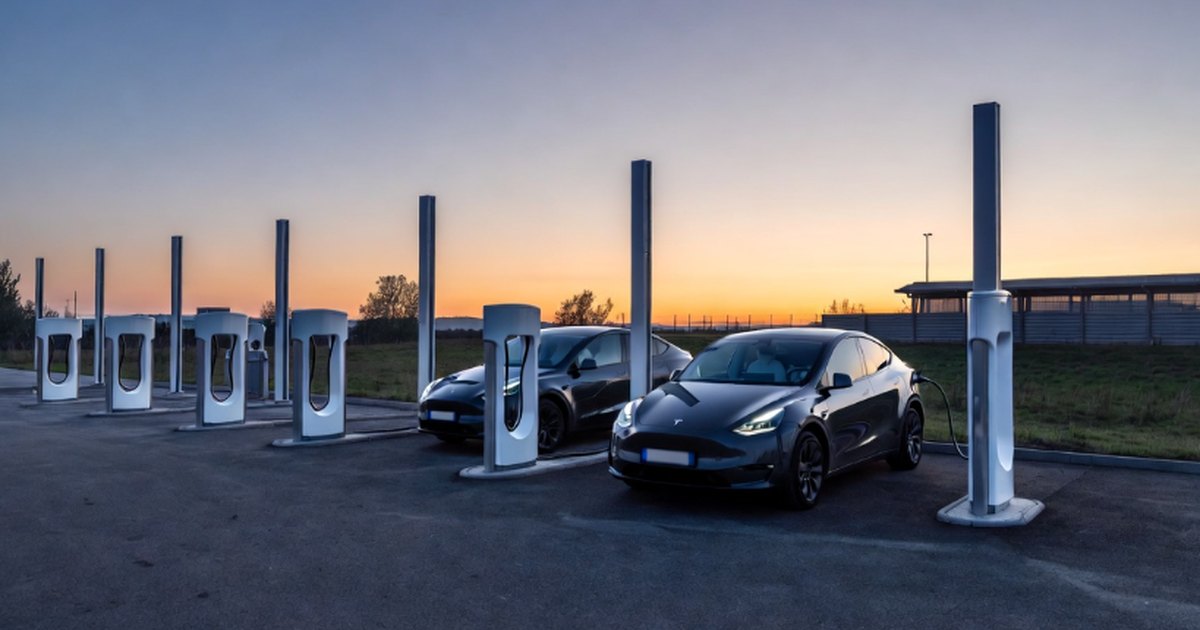
None of this applies in Europe. Here, CCS2 is the legally required standard for fast charging, and every Tesla sold in Europe since May 2019 has a CCS2 port. Superchargers in Europe already use CCS2 cables, which is why many of them have been open to other brands for years. China uses its own GB/T standard and Japan uses CHAdeMO.
What to watch next
- How quickly the remaining brands add native NACS ports, so adapters become unnecessary.
- Whether federal rules are updated so that new stations no longer need a CCS1 cable.
- How many NACS plugs rival networks install, now that NACS makes up nearly a quarter of their new connectors.