 4 min
Why the hand is Optimus's hardest part: 22 joints, a touch-sensitive skin patent and a supply-chain bottleneck
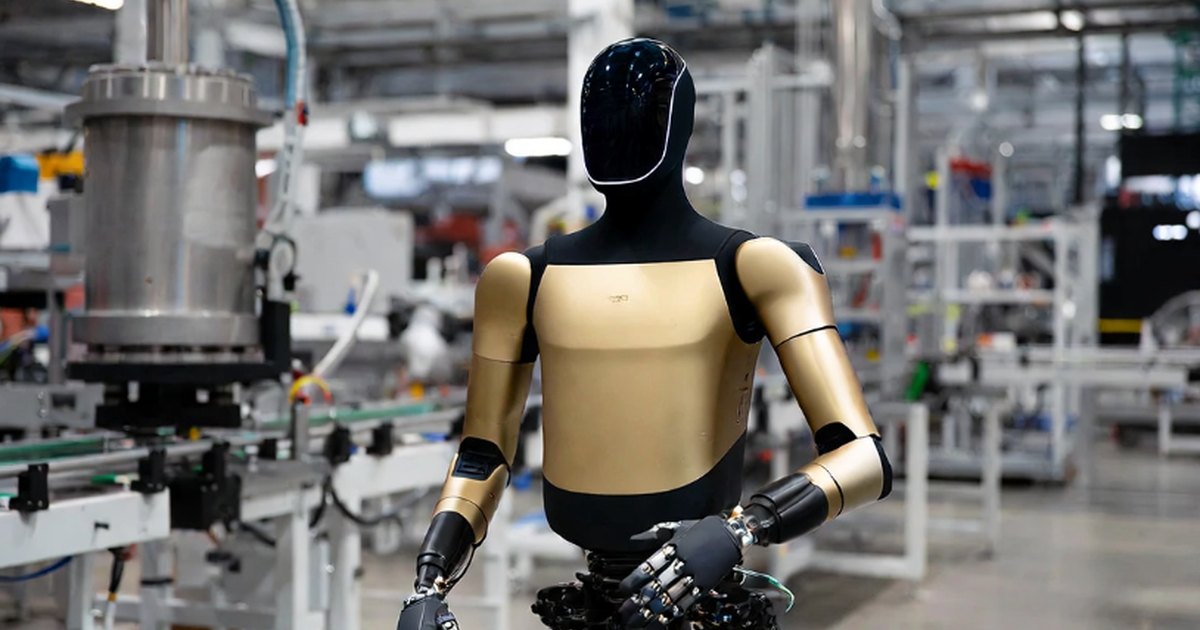
Tesla says the hand and forearm are harder to build than the rest of its humanoid robot. A new patent filing shows how Tesla wants to give Optimus a sense of touch, and why the hand decides whether the robot is useful.
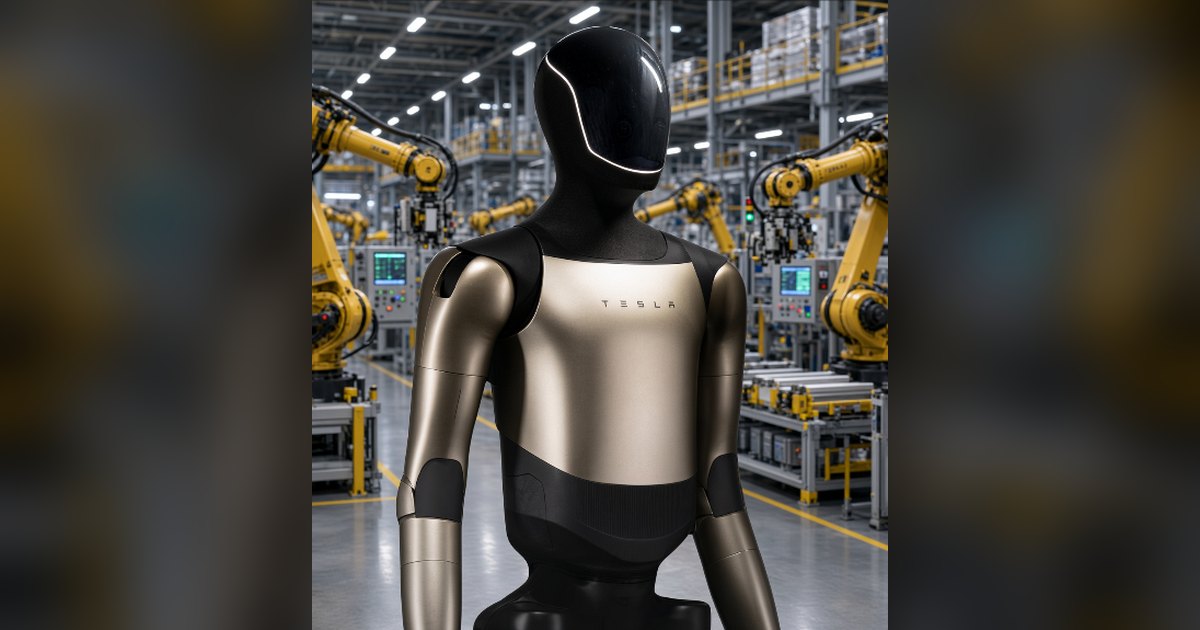
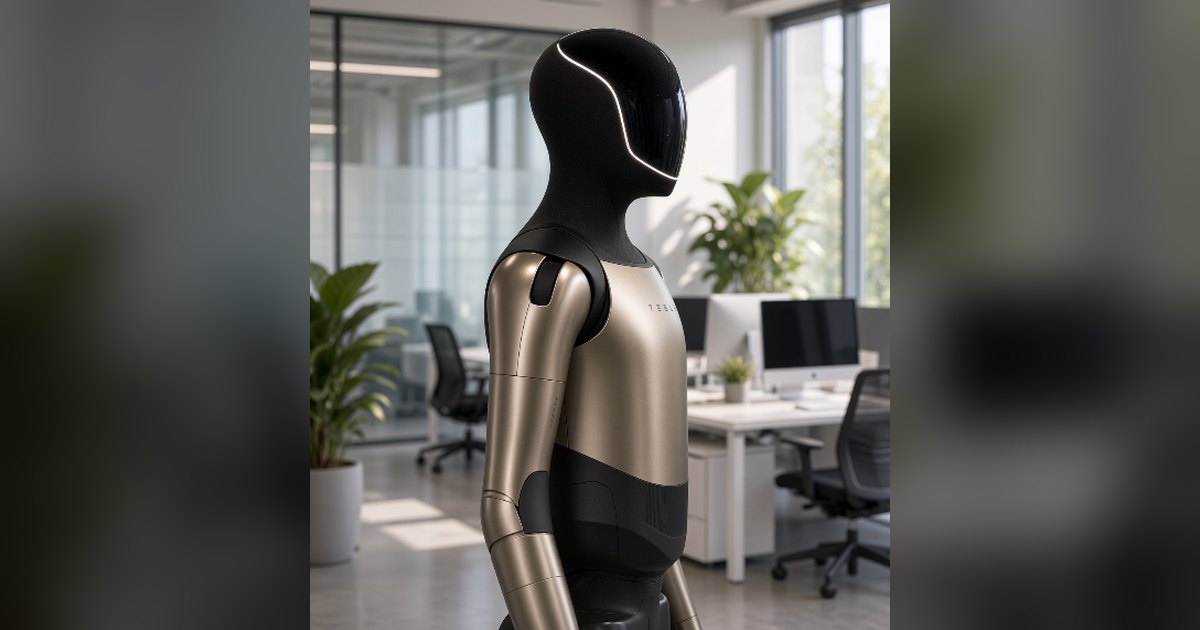
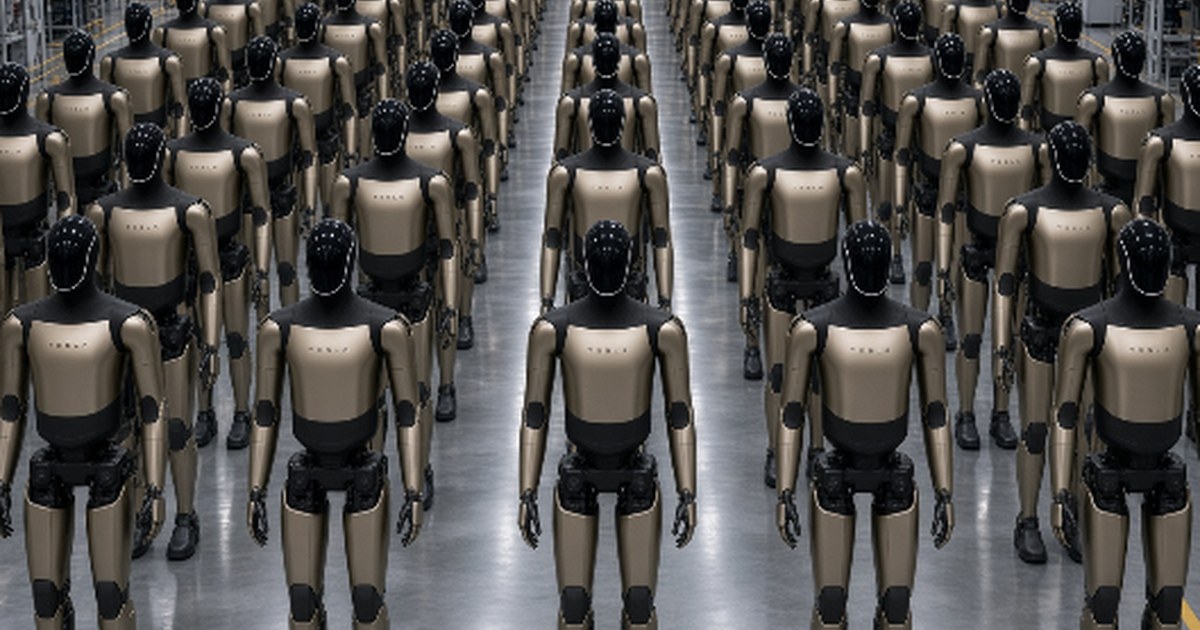
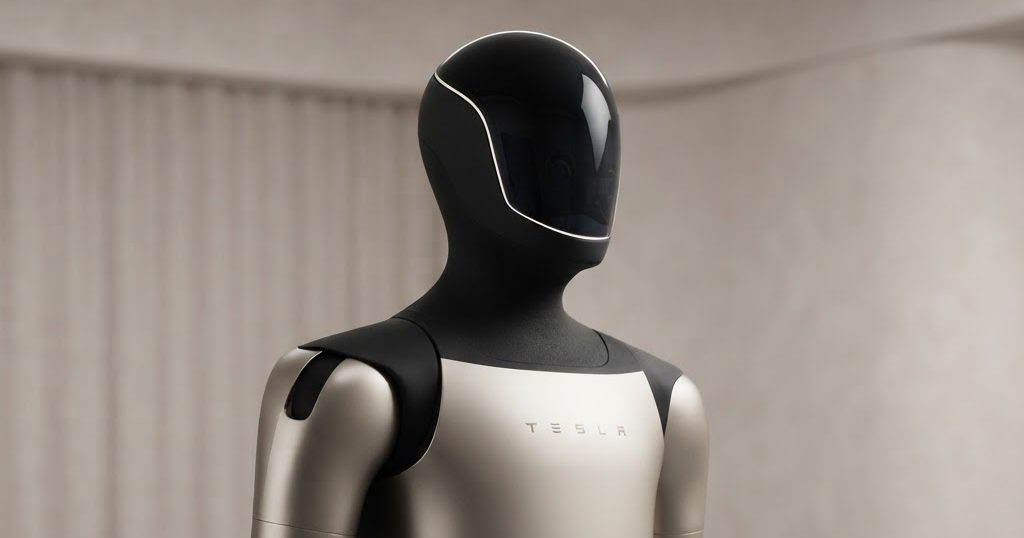
Tesla started early production of its Optimus humanoid robot in Fremont this month. But one part has caused more trouble than any other: the hand. Elon Musk said a year ago, on the Q3 2025 earnings call, that the forearm and hand are harder than the entire rest of the robot. A patent application published in October now shows how Tesla wants to make that hand feel what it touches.
Why hands are so hard
Walking and lifting can be done with a few strong motors. Picking up an egg, turning a screw or sorting small parts needs many small joints that move precisely, survive millions of cycles and can be built cheaply at scale. A human hand has more than 20 degrees of freedom, meaning separate ways it can move.
Tesla's hands have grown closer to that:
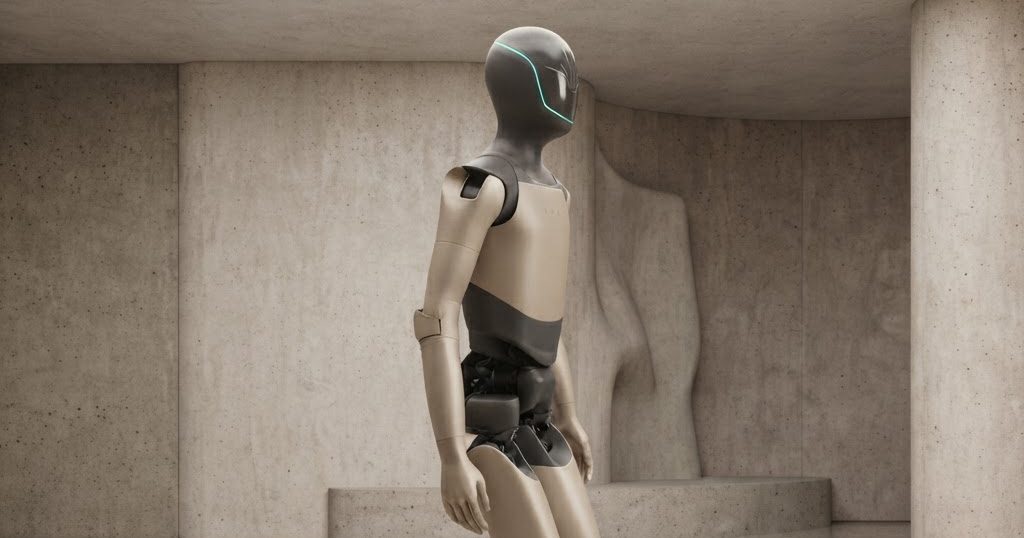
- Optimus Gen 2 (December 2023): hands with 11 degrees of freedom and tactile sensing in all fingers.
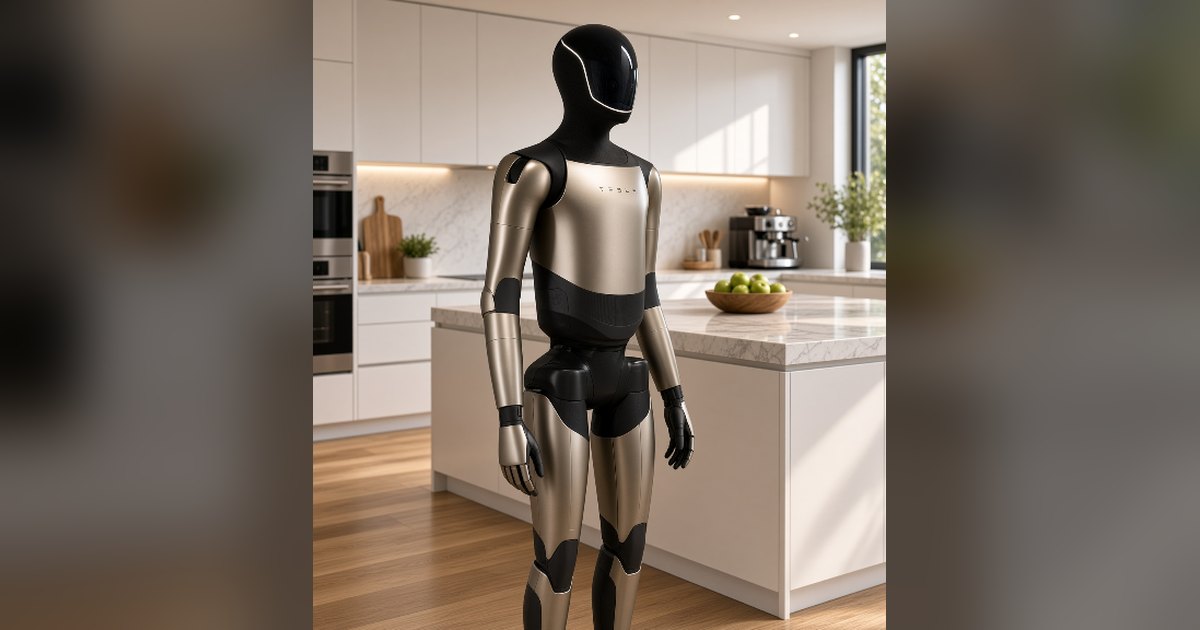
- 2026 design: a Tesla patent from April 2026 describes a cable-driven hand with 22 degrees of freedom, double the earlier design. This is the hand expected on Optimus Gen 3, the version now entering production.
- How it moves: a Tesla job listing for an 'Optimus Hand' engineer describes a tendon-driven mechanism. The motors sit in the forearm and pull cables, much like human muscles and tendons. That is why the hand and forearm are always mentioned together.
The new patent: a skin that can feel
The application, published by the US Patent and Trademark Office as US 2026/0310299 A1, was filed on September 11, 2025, based on a provisional filing from April 4, 2025. It lists 12 inventors. It describes a thin, flexible tactile sensor that can be shaped to fit a fingertip or palm.
- Layers: two flexible plastic sheets with printed conductive lines, with a soft layer in between.
- Pixels: wherever lines on the top and bottom sheet cross, they form a sensing point. Each point reports touch independently, so the robot knows where it is touched and how hard.
- Two methods: pressure either squeezes an insulating layer and changes capacitance, or presses a material such as carbon-filled silicone that conducts better when compressed.
- Manufacturing: one route prints the sensor flat, then heats and molds it into a finger or palm shape; another prints directly onto an already curved surface.
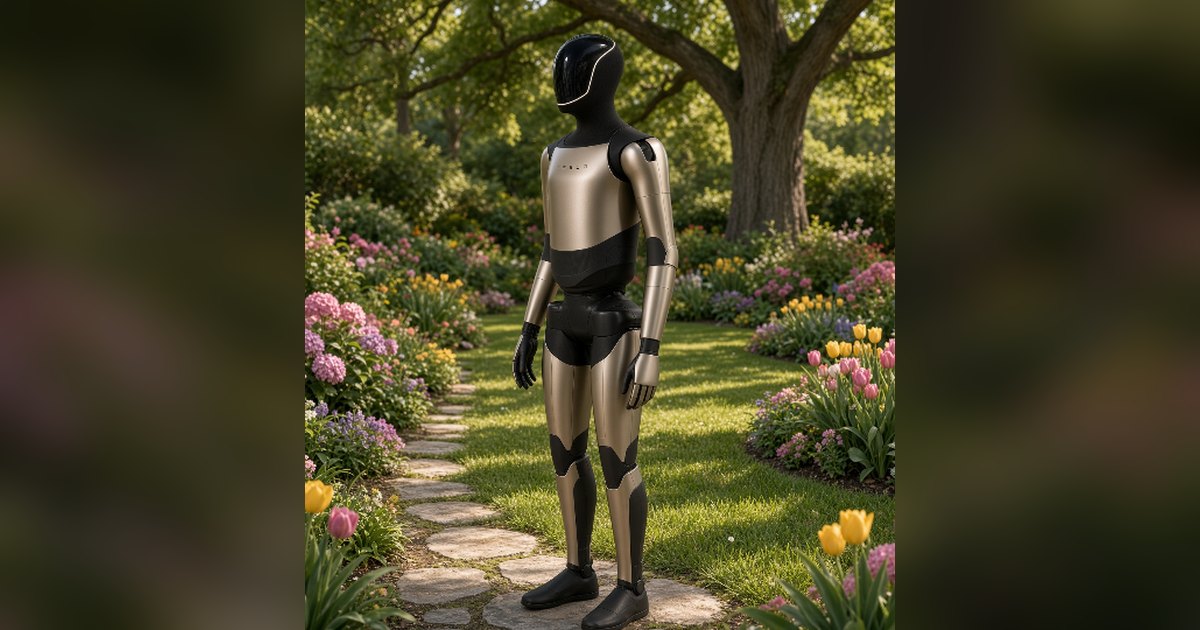
The drawings show sensors on the thumb, palm and index finger of a five-fingered hand, and the text mentions using them as a 'skin' for a humanoid robot. The filing never names Optimus, so the link is an inference by Tesla watchers, supported by a job listing that asks for experience with the same materials and processes.
There are limits. This is a published application, not a granted patent. It covers pressure and touch only, not slip or temperature, and gives no data on sensitivity or durability. Tesla has not said whether these sensors are in the production robot.
The bottleneck in the factory
Hands have also slowed production. According to supply-chain reports summarized by Roic News in September, problems with the hand design led to a pause in assembly in 2025, and partly finished robot bodies waited for hands and forearms. Tesla reportedly cut its 2025 build target from at least 5,000 robots to about 2,000. Tesla has not confirmed these figures.
The same reports say Tesla has been auditing Chinese suppliers, including Tuopu Group and Sanhua Intelligent Controls, for actuator and component production.
Why it matters
A humanoid robot is only worth its price if it can do work that today needs human hands. Without fine control and a sense of touch, Optimus is limited to simple carrying and moving. Musk has also said Optimus needs much more computing power because of its many degrees of freedom; Tesla plans to fit its AI5 chip around April 2027.
What to watch
Musk promised a video within 'a month or two' of the robot doing tasks that were not pre-programmed. Watch whether it shows delicate hand work, whether Tesla confirms touch sensors in Gen 3, and whether the Fremont ramp is again held back by hands and forearms.
Sources (4)
- TeslaNorth — Tesla Wants to Give Optimus a Skin That Can Feel
- Not a Tesla App — Tesla Patent Reveals Flexible Sensors That Let Optimus Feel Objects
- Roic News — Tesla's Optimus robot ramps up production tenfold, but hand and forearm issues linger
- Not a Tesla App — Tesla Officially Begins Optimus Robot Production; Demo Coming Soon