 3 min
Giga New York explained: what Tesla actually does at its Buffalo factory
Tesla's Buffalo plant was meant to be a giant solar factory. Today it makes Supercharger parts and energy products, assembles a new solar panel and labels data for FSD. Here is how it got there.
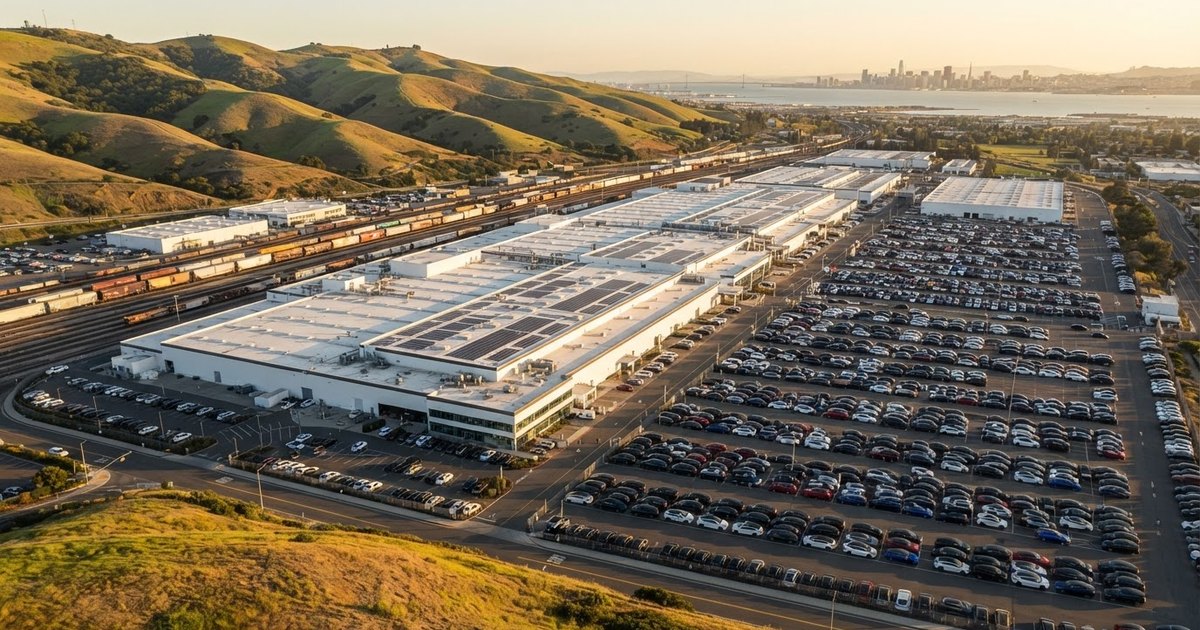
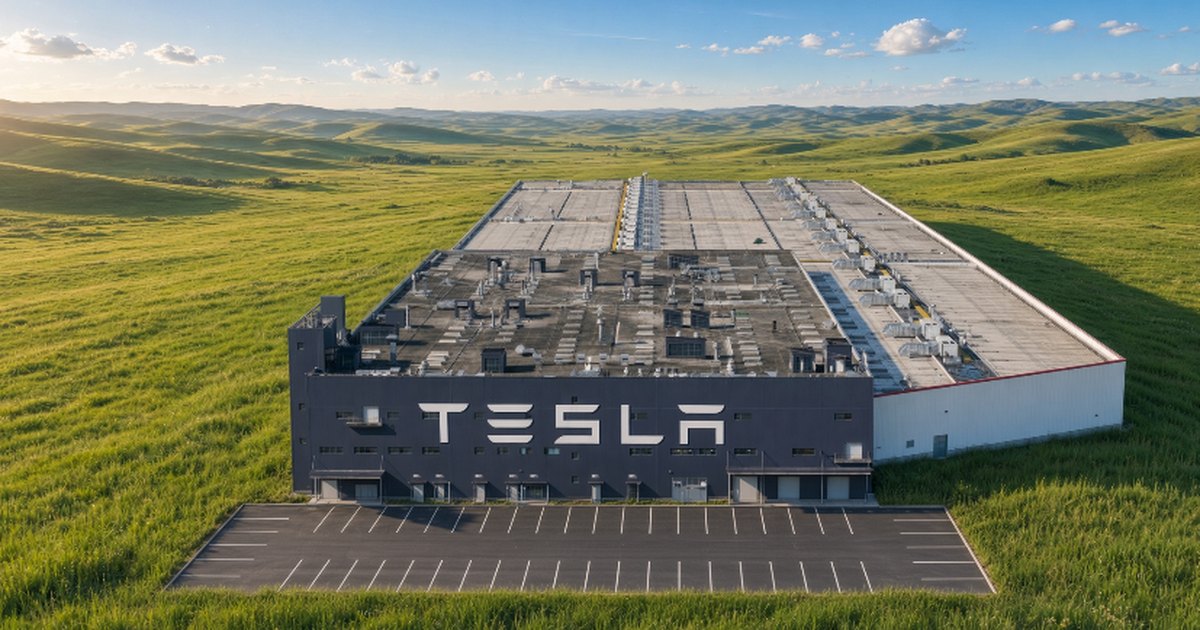
Of all Tesla's factories, Gigafactory New York in Buffalo is the least understood. It does not build cars. It was supposed to become one of the biggest solar factories in the Western Hemisphere, and for years it fell far short of that. In 2026 it is back in the news: Tesla has started assembling its own solar panels there, it met a key jobs target from the state, and it may be the place where Tesla's solar plans grow next.
How the plant came about
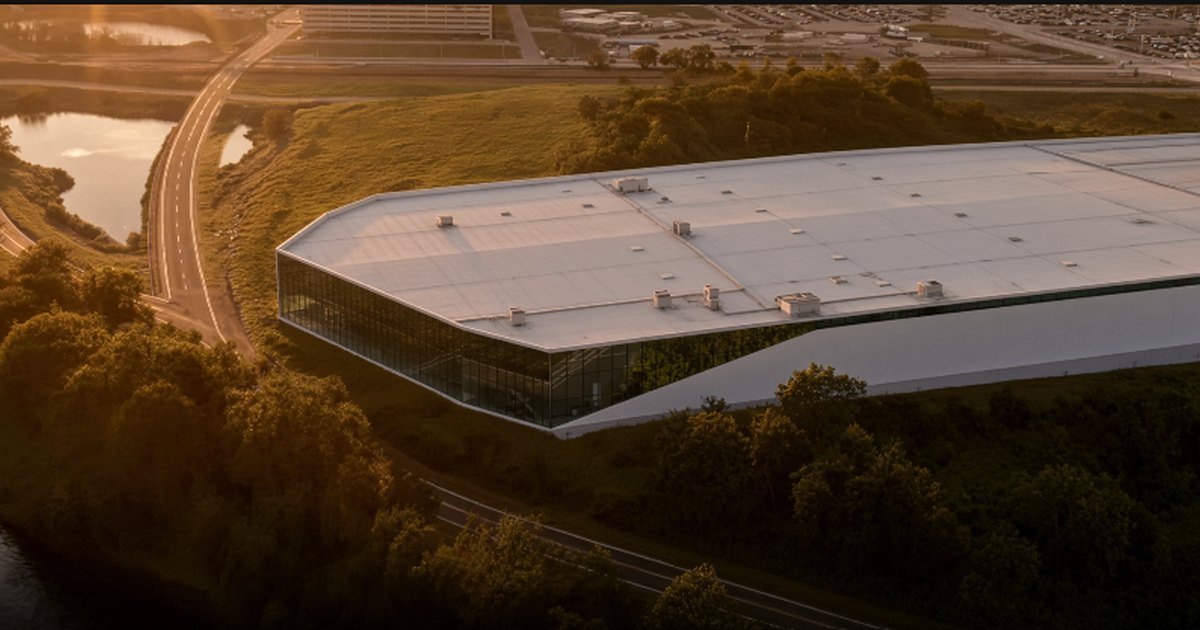
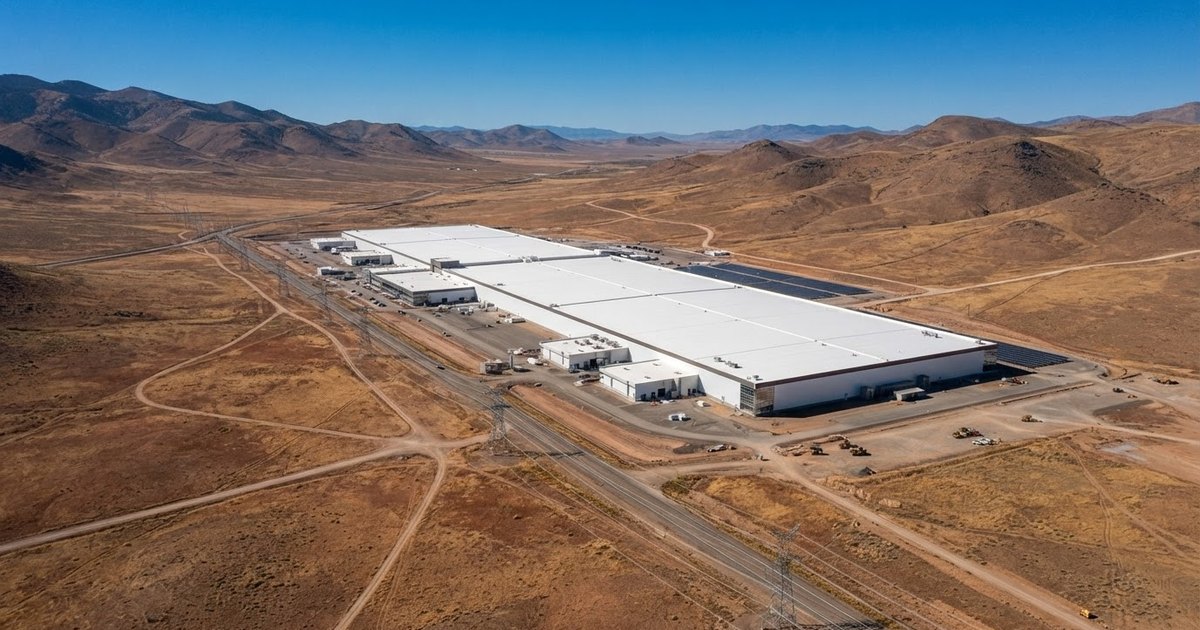
The factory sits on the RiverBend site in South Buffalo. New York State built it with roughly $1 billion in public money under a 2014 agreement, as part of the state's "Buffalo Billion" plan to revive the local economy. The original tenant was SolarCity, the solar installer that Tesla bought in 2016.
After the takeover, Tesla ran the plant together with Panasonic, which made solar cells there. Panasonic pulled out in 2020. Tesla's own solar business shrank in the years after, and the factory shifted to other work. Tesla pays the state $1 a year in rent, but the deal is tied to job commitments.
What happens there today
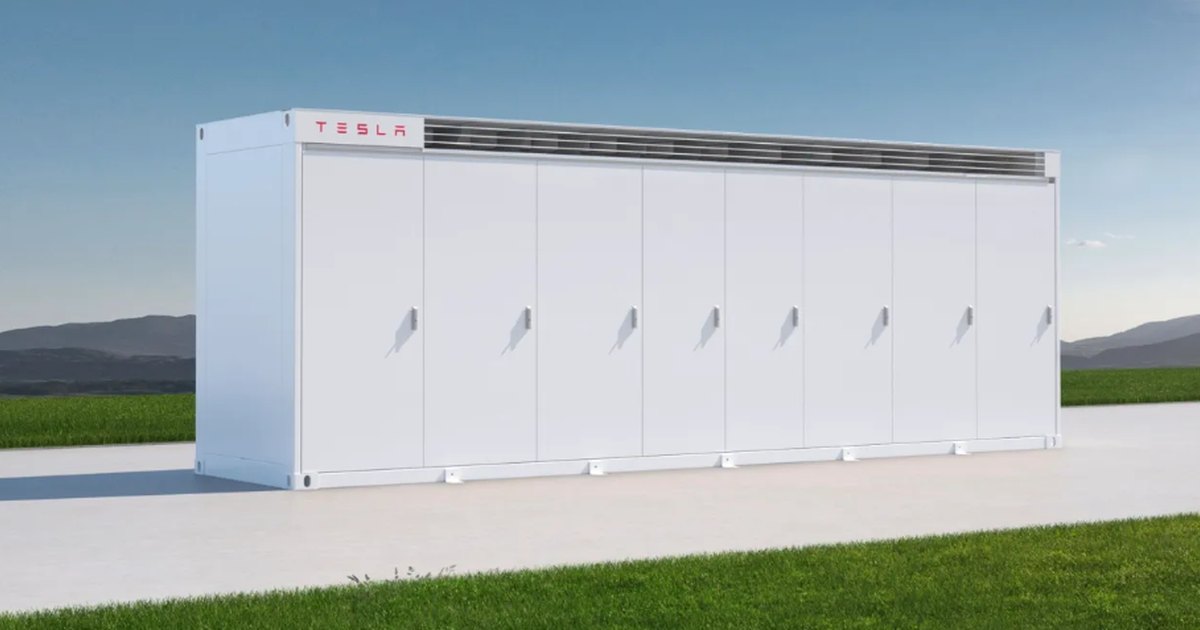
- Supercharger components: according to reporting on the plant, this is one of its main products, together with other energy hardware.
- Solar panels: in January 2026 Tesla listed a new panel, the TSP-420, in 415 W and 420 W versions. The datasheet says it is "assembled in Buffalo". That wording suggests the cells come from elsewhere and Tesla does the final assembly.
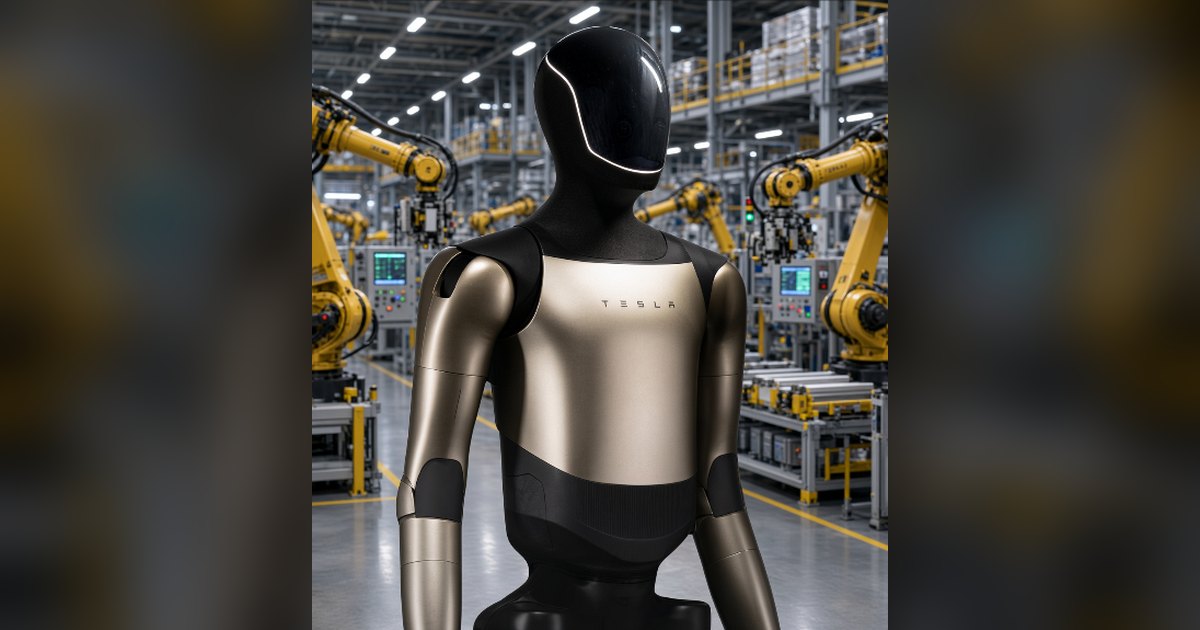
- AI and data work: Tesla says it has invested $350 million in supercomputing hardware at the site. A large team also labels video clips from Tesla cars, work that helps train Full Self-Driving.
The new panel is notable for its design. Tesla says it has 18 power zones instead of the usual 6, which should help it keep producing when part of a roof is shaded. It uses rail-less mounting hardware based on Zep, a company SolarCity bought years ago, so the panels sit closer to the roof.
The jobs question
The plant has long been a political issue in New York. The deal with the state required Tesla to reach 3,460 jobs in the state by the end of 2025. Lawmakers threatened penalties and even proposed taking away Tesla's licences to sell cars directly in New York if it missed the target.
Tesla made it. At the end of 2025 it had 2,399 full-time workers at the Buffalo plant and another 1,060 elsewhere in the state, in service centres, a warehouse and showrooms. Together with a small number of part-time staff, that put it just over the line. Critics still question how many of these jobs are the high-tech factory jobs the state was promised, since data labelling pays less than manufacturing.
Why Buffalo could matter more soon
Early in 2026 Elon Musk set out an ambition of about 100 GW a year of solar manufacturing in the United States. In February, Bloomberg reported that Tesla was looking at several US sites to start making solar cells, including an expansion in Buffalo. People familiar with the plans told Bloomberg the Buffalo site could reach 10 GW of capacity. Tesla has not confirmed that number.
Making cells, not just assembling panels, would be a big step. It is the part of solar manufacturing the US has mostly left to Asia, and it is what the Buffalo plant was meant to do in the first place.
What to watch next
- Whether Tesla confirms solar cell production in Buffalo, and at what scale.
- How the TSP-420 panel sells, and whether third-party installers can buy it.
- Talks on the future of the lease, which is reported to run until 2029, and any new job conditions from the state.