 4 min
Why the Cybertruck and Starship are both made of stainless steel: the shared metal behind Tesla and SpaceX
Tesla's pickup and SpaceX's rocket share more than an owner. Both use cold-worked stainless steel developed by a materials team that worked for both companies. Here is how that came about.
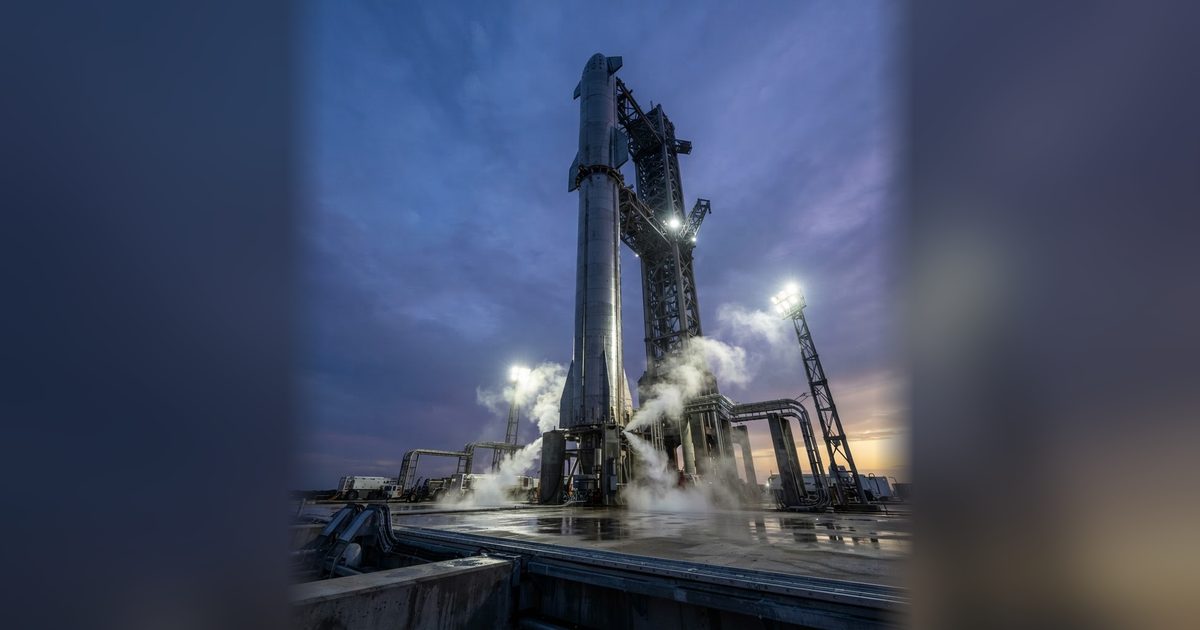
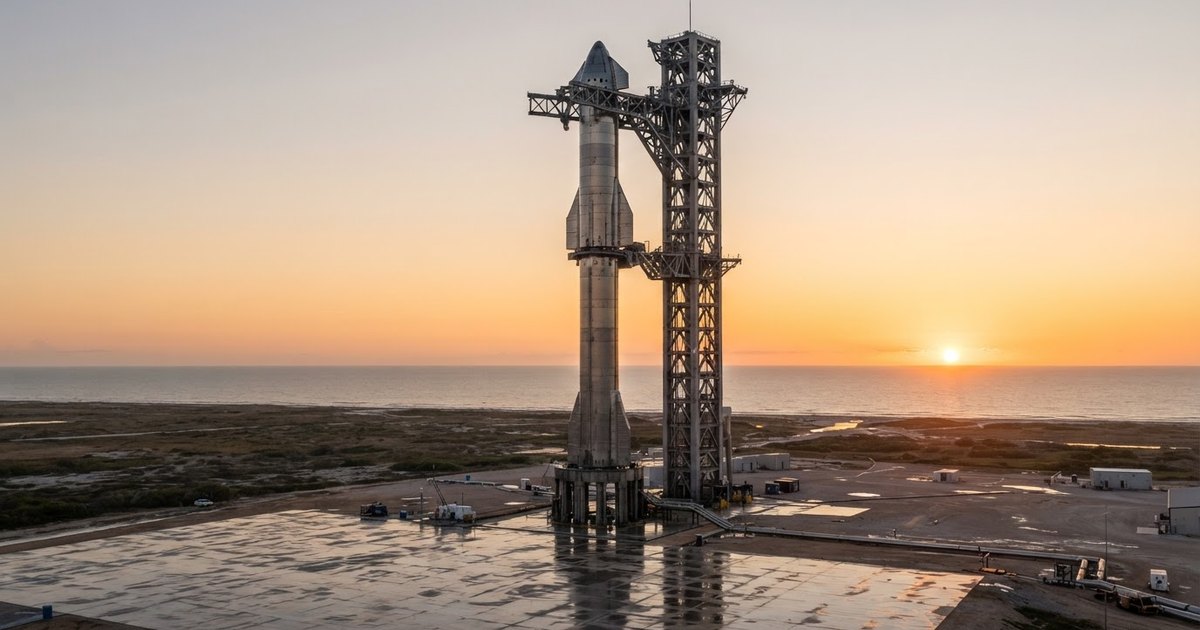
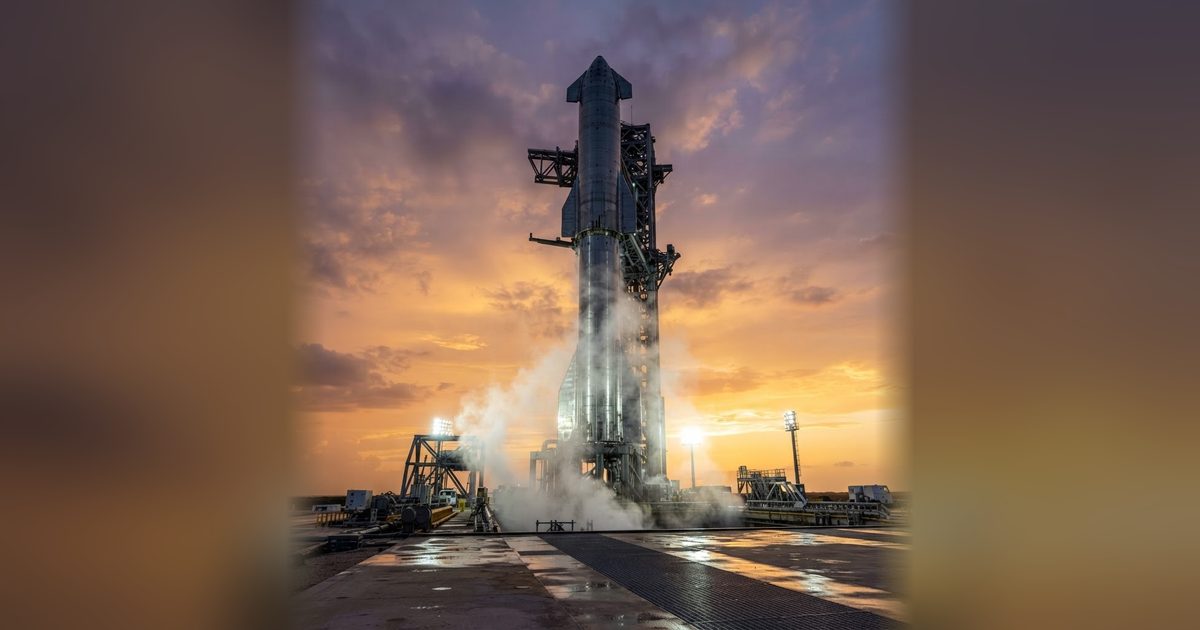
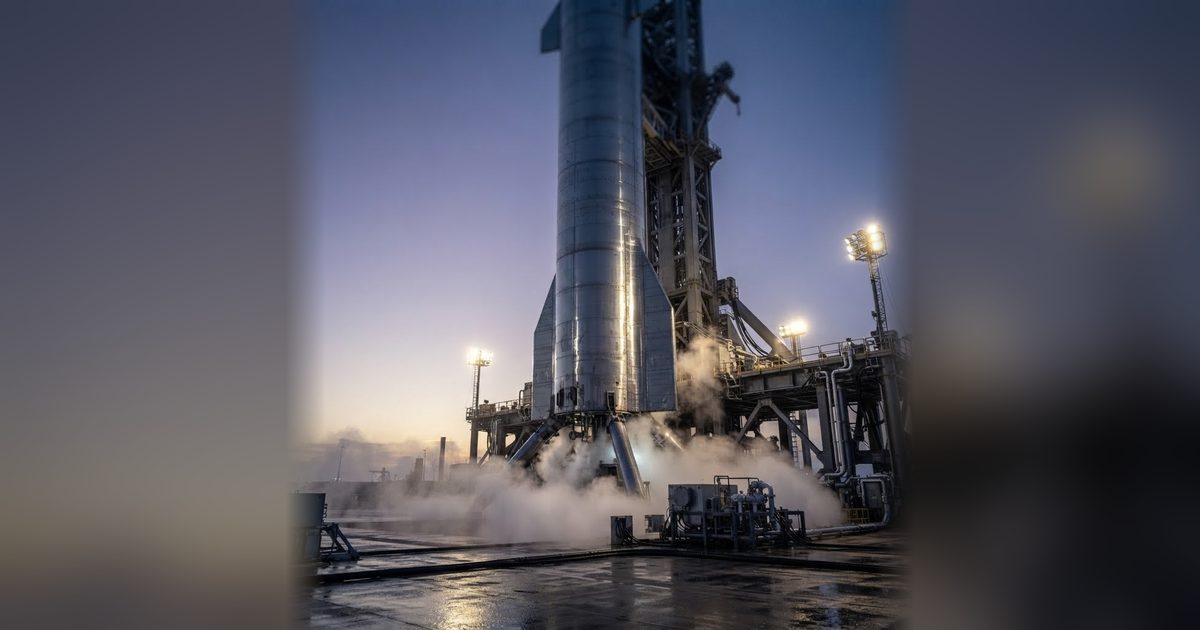
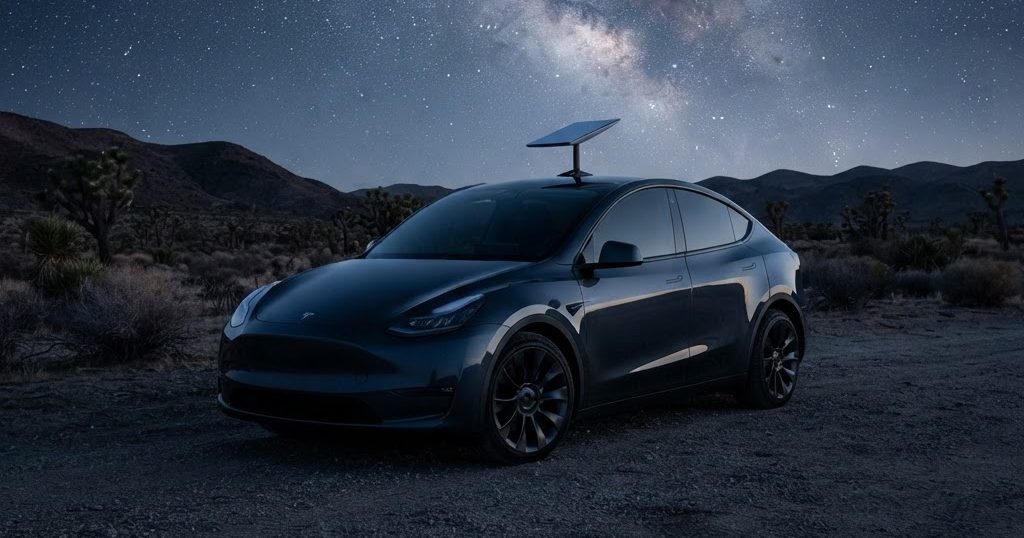
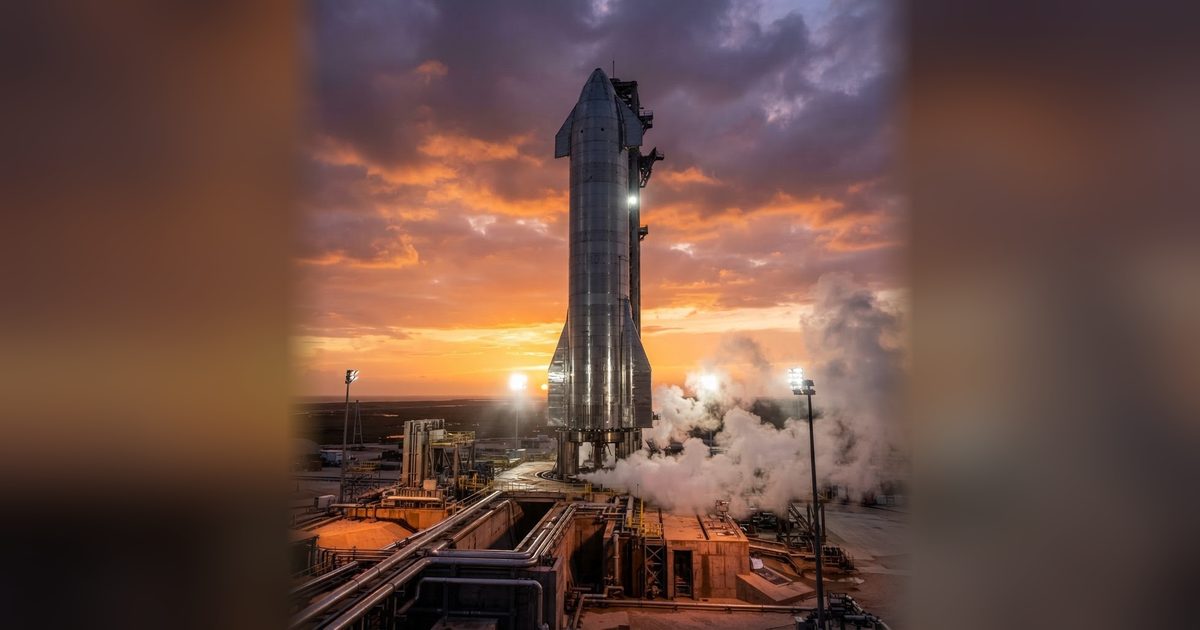
Stand next to a Cybertruck and a Starship, and the family resemblance is obvious: bare, unpainted stainless steel. That is no coincidence. The Cybertruck's body grew directly out of SpaceX's decision to build its rocket from steel, and it remains one of the most visible examples of technology moving between Elon Musk's companies. Here is the story.
Why SpaceX picked steel
Early designs of Starship used carbon fibre, the light, strong material found in racing cars and modern aircraft. Around the turn of 2019, SpaceX switched to stainless steel. Musk explained the choice in January 2019 with two arguments:
- Cost: carbon fibre cost about $135 per kilogram, and around 35% of it ended up as scrap, bringing the real cost close to $200 per kilogram. Stainless steel cost about $3 per kilogram.
- Heat: carbon fibre and aluminium can only run steadily at around 150 °C. Steel can cope with roughly 820 to 870 °C, which matters for a vehicle that has to survive re-entry from space.
At the time, Musk also described a heat shield cooled by fluid seeping through tiny holes in a double steel skin. SpaceX later went a different way: today's Starship uses heat-shield tiles on its hot side, and the steel underneath does the structural work.
From rocket to pickup
When Tesla unveiled the Cybertruck in November 2019, it presented the body as an exoskeleton of 'Ultra-Hard 30X Cold-Rolled' stainless steel. On stage, Musk said the same alloy would be used in the Starship rocket. He had earlier considered titanium for the truck's skin, but chose cold-rolled steel as the stronger option.
That choice shaped the design. Musk explained shortly after the reveal that the steel is so hard it cannot be stamped in a normal press without breaking the press. Bending it requires deeply scoring the inside of the fold. That is a big reason the Cybertruck is made of flat panels and sharp angles rather than the curves of a normal car.
A shared materials team
The link goes deeper than one alloy. In 2016, Musk hired Charles Kuehmann, a metallurgist who had worked on alloys at Apple, to lead materials engineering at both Tesla and SpaceX. His team develops its own variations of existing alloys rather than buying standard grades off the shelf.
That also means the recipe keeps changing. In July 2020, Musk said the planned Starship alloy had changed and that the Cybertruck would follow. Because the ingredients and forming methods were evolving quickly, he said, standard names such as '304L' would become only an approximation. Neither company publishes the exact composition of the steel it uses today, so claims that a current Cybertruck and a current Starship use precisely the same alloy should be treated with caution.
Why it matters for Tesla
- Shared know-how: materials science is expensive, slow work. Tesla benefits from research that SpaceX would have done anyway, and the other way round.
- A real customer: SpaceX is also a Cybertruck buyer. According to its stock market filing, it bought about $131 million worth of Cybertrucks from Tesla in 2025.
- The merger argument: Tesla and SpaceX are now studying a possible merger. Supporters point to overlaps like this one, in materials, manufacturing, software and chips, as a reason the companies belong together. Critics say such cooperation already happens without a merger, through ordinary contracts.
The downsides of steel
Steel is not a free win. For Starship, it is heavier than carbon fibre, which SpaceX accepts in exchange for cost and heat resistance. For the Cybertruck, the hard, unpainted skin makes the truck dent-resistant, but the same hardness makes the panels difficult to shape and, once damaged, harder to repair than ordinary painted body panels. The trade-offs are different, but the logic is the same: a cheap, tough material that suits fast, simple manufacturing.
What to watch
The next Starship flights will show how well the steel structure handles repeated reuse, especially if SpaceX catches the upper stage. For Tesla, the question is whether it uses steel exoskeletons again in future vehicles, or whether the Cybertruck stays a one-off.