 4 min
Tesla Robotaxi reaches COTA for the US Grand Prix and now runs until 1 a.m. in Austin
Ahead of the Formula 1 weekend, Tesla's Robotaxi app in Austin added the Circuit of the Americas to its service area and pushed last call to 1 a.m. Here is what changed and why race weekend is a real test.
Formula 1 is in Austin this weekend, and Tesla wants its robotaxis there too. On Friday, October 23, the Robotaxi app in Austin showed an updated service map that now stretches to the Circuit of the Americas (COTA), the track southeast of the city that hosts the United States Grand Prix. At the same time, the last call for rides moved to 1 a.m. local time. Tesla did not announce either change on its official channels; they were spotted by owners and Tesla watchers in the app and shared on X.
What changed
- COTA added to the map. The Austin geofence, the area in which the driverless cars are allowed to pick up and drop off riders, now reaches the racetrack. Screenshots posted by users show the new section added to the previous boundary.
- Rides until 1 a.m. The app now displays a banner saying last call is at 1 a.m., with late rides limited to nearby drop-offs. That suggests the latest trips of the night are meant to be short ones.
- Not everything is open yet. Some users reported that parts of the track area, including the COTALAND theme park and the karting venue, still showed "service blocked" in the app. It is not clear whether that is a temporary glitch, a late-night restriction or a deliberate limit around the event.
The Grand Prix weekend runs from Friday, October 23, to Sunday, October 25. Practice is on Friday, qualifying on Saturday and the race starts on Sunday at 3 p.m. Central Time, which is 4 p.m. Eastern and 8 p.m. in the UK. The event draws hundreds of thousands of visitors over three days, which makes it one of the busiest weekends of the year for transport in Austin.
A steady creep in service hours
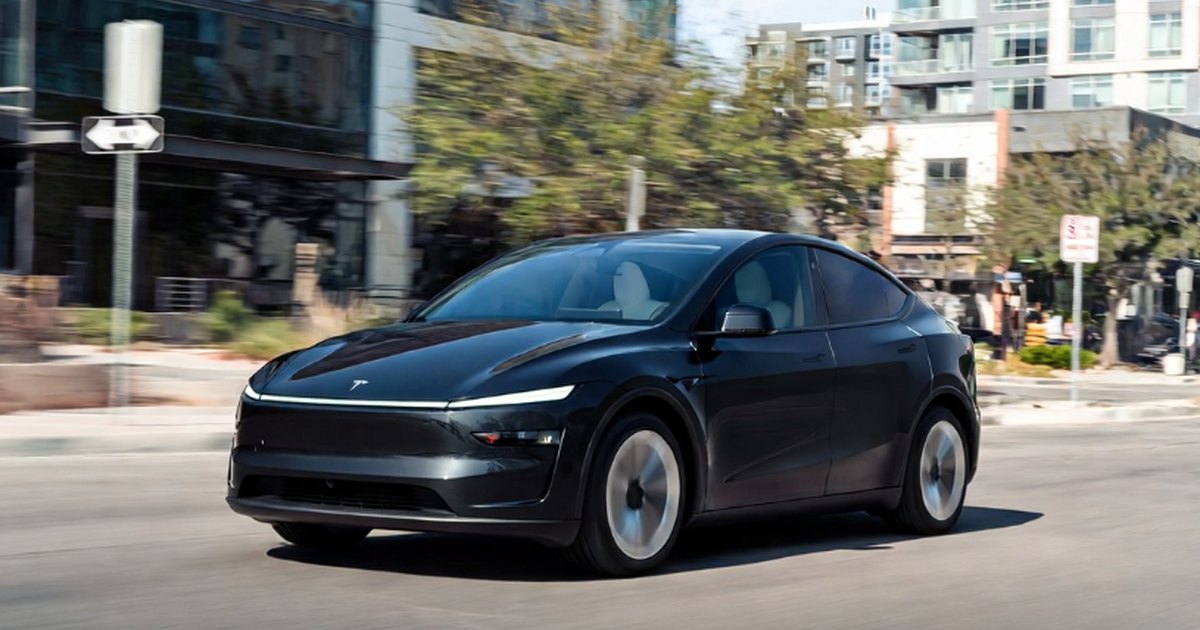
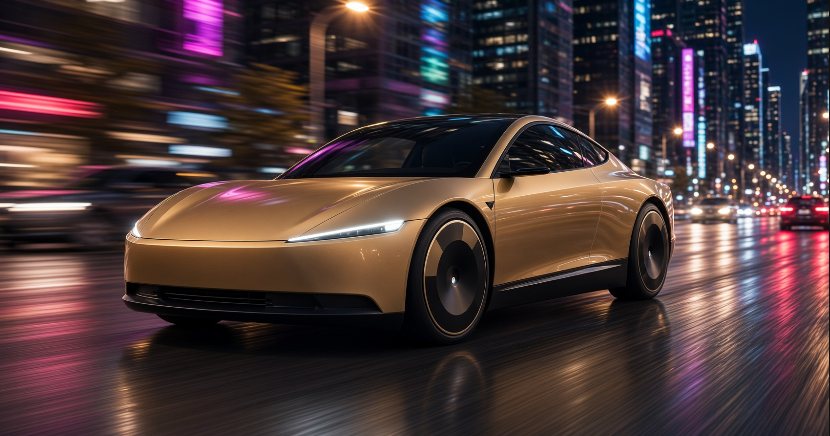
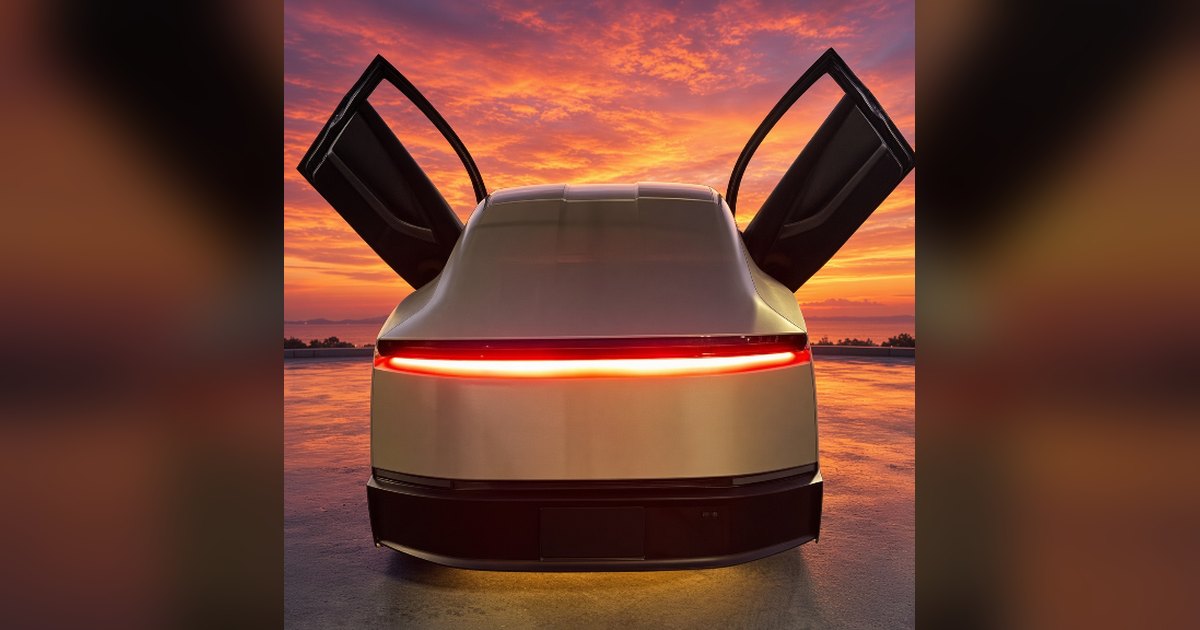
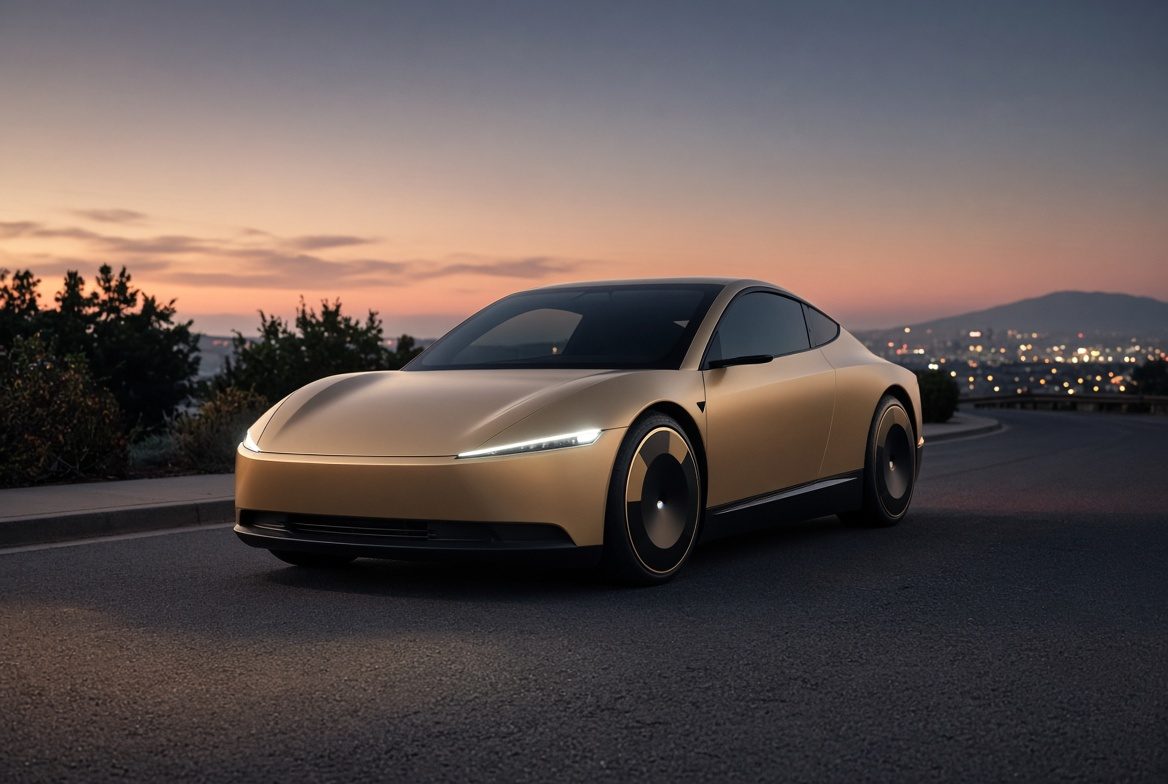
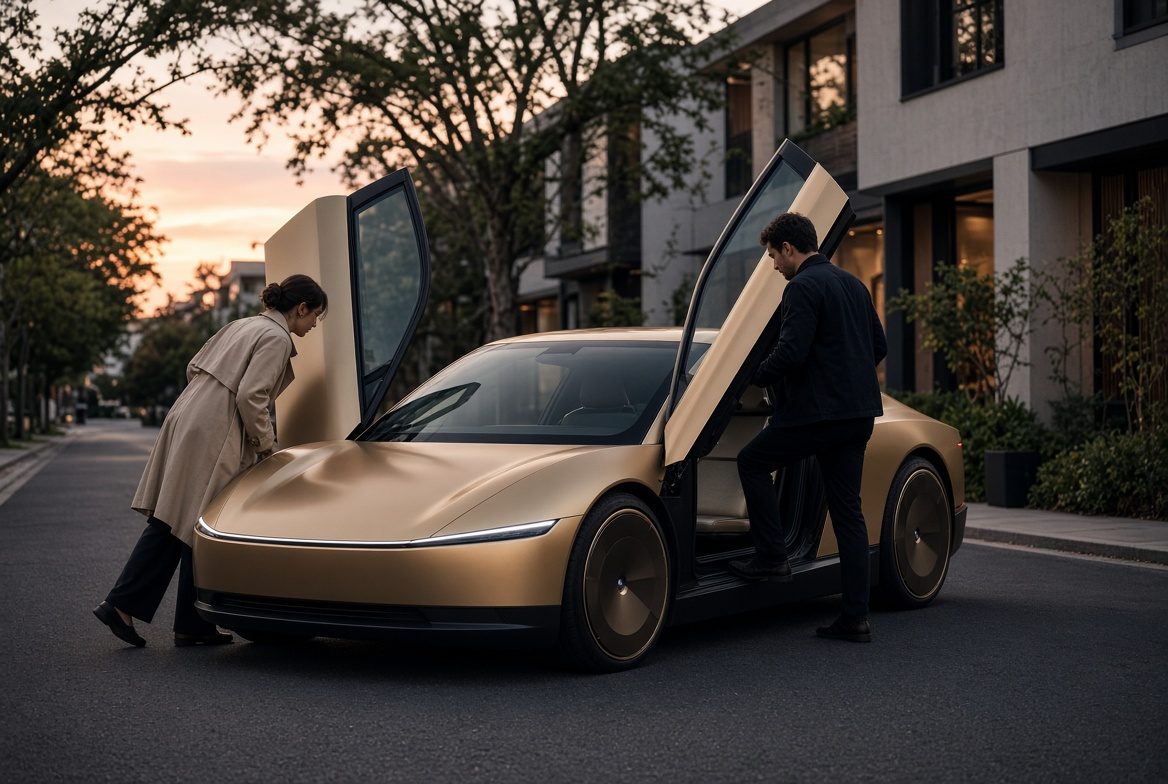
The new 1 a.m. cut-off is the latest step in a gradual extension. According to Tesla-focused outlets that have tracked the app, Austin Robotaxi rides ran from 6 a.m. to 10 p.m. in late August. The cut-off moved to 11 p.m. in early October and to midnight around October 17, a change that also applied to the Cybercab, Tesla's two-seat robotaxi without steering wheel or pedals, which has been carrying riders in Austin since September.
Tesla has said it wants to go much further. On the third-quarter earnings call on October 21, autonomy chief Ashok Elluswamy said a 2 a.m. cut-off was coming soon and that the service should run around the clock before the end of the year. One outlet expects Tesla may roll the event-specific changes back after the race weekend, so it remains to be seen whether the 1 a.m. window and the COTA extension are permanent.
Why this matters
For a ride-hailing service, big events are both an opportunity and a stress test. A race weekend brings heavy traffic, road closures, crowds of pedestrians, police directing traffic and pick-up zones that change from day to day. Those are exactly the situations where autonomous vehicles have historically struggled, and where a human driver would improvise. If Tesla's cars handle COTA traffic smoothly, it is a useful public demonstration; if they cause jams or end up stuck, that will be visible to a very large audience.
Late-night service is also commercially important. Bars, concerts and events generate a lot of rides after midnight, when public transport is limited and human drivers are scarcer. Running until 1 a.m., and eventually 24 hours a day, would bring Tesla closer to what Uber, Lyft and Waymo already offer in Austin. Waymo, which runs its own driverless service in the city through Uber, is the obvious benchmark.
The bigger picture is scale. Tesla says its Robotaxi service now operates in six US cities: Austin, Dallas, Houston, Miami, Orlando and Tampa. Austin is the largest and the only city with Cybercabs so far, although Tesla said on its earnings call that the Cybercab should launch in Dallas in November. Austin's geofence was already roughly 264 square miles after an expansion at the end of August, according to Not a Tesla App, and has a mix of fully unsupervised rides and rides with a safety monitor on board.
What to watch next
- Race weekend performance. Expect plenty of videos from riders trying to reach the track. How the cars cope with event traffic and closures will be the real test.
- Whether the changes stick. If COTA stays in the geofence and the 1 a.m. cut-off remains after Monday, that points to a permanent expansion rather than an event special.
- 2 a.m. and 24/7. Tesla's own target is round-the-clock service before the end of 2026. Each step in the hours is a sign of how confident the company is in its software at night.
- Cybercab in Dallas. The November launch would be the first time the dedicated robotaxi leaves Austin.
For now, the changes come from the app and from user reports rather than an official Tesla statement, so details may shift over the weekend.
Sources (4)
- TeslaNorth: Tesla Robotaxi Runs Until 1 AM in Austin, Adds COTA Before F1 Weekend
- Tesla Oracle: Tesla expands Cybercab Robotaxi Austin geofence ahead of 2026 US Grand Prix
- Drive Tesla: Tesla Robotaxi reportedly expands Austin service to COTA, extends hours to 1 AM
- Not a Tesla App: Tesla Expands Robotaxi Geofences in Dallas and Austin