 2 min
Tesla's factories after Q3 2026: record rates, an Optimus line in Fremont and a Semi plant in Nevada
The third-quarter call gave a rare overview of Tesla's production network. What is running, what is ramping, and what is still being built, factory by factory.
Tesla's third-quarter call on October 21 was mostly about robotaxis and AI, but it also gave a useful snapshot of the company's factories. Vice president Lars Moravy said existing plants are running at record rates thanks to investments in extra output. Here is what was said about each site.
Factory by factory
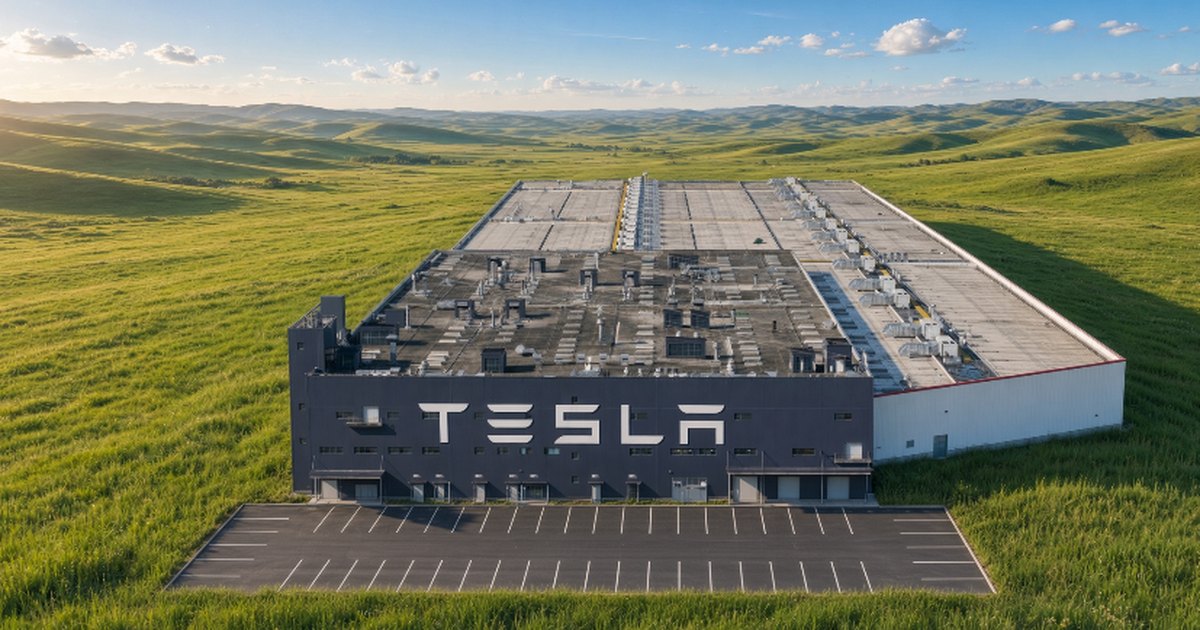
- Giga Texas (Austin): Tesla is ramping production of the Cybercab, its two-seat robotaxi without steering wheel or pedals. No production rate was given. Tesla wants to deliver the first Cybercabs to customers by the end of 2026, although it expects most of them to stay in its own fleet.
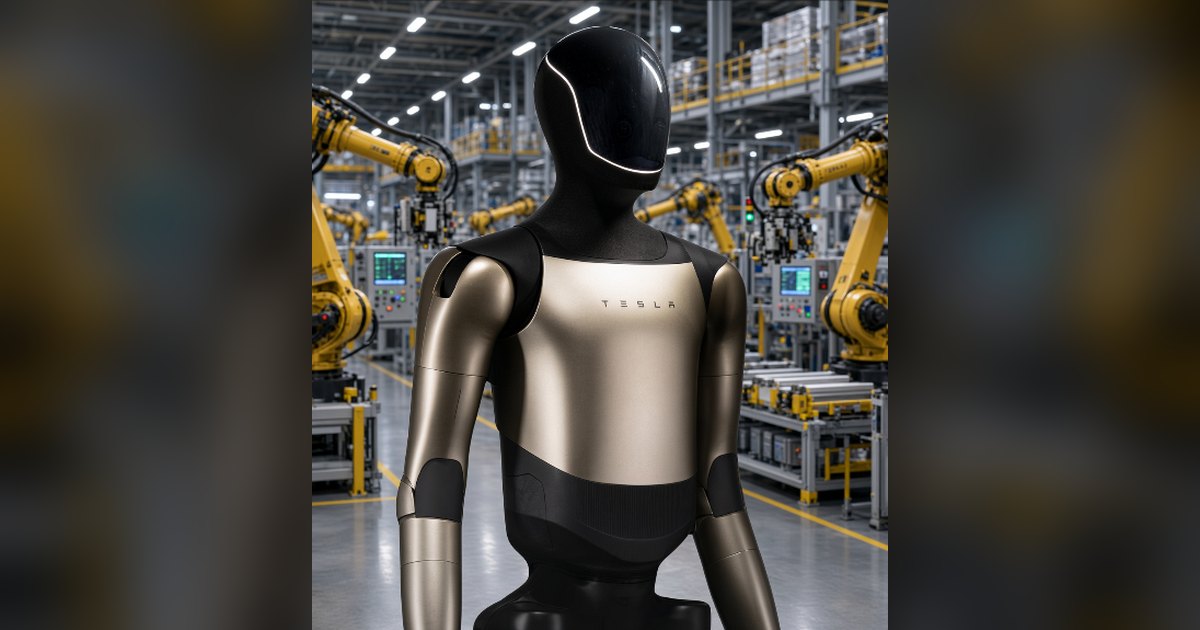
- Fremont (California): early production has started on a high-volume Optimus line. Equipment designed for about one million robots a year has arrived, but Musk expects it will take at least a year to reach about 20,000 robots a week because parts of the design are still changing.
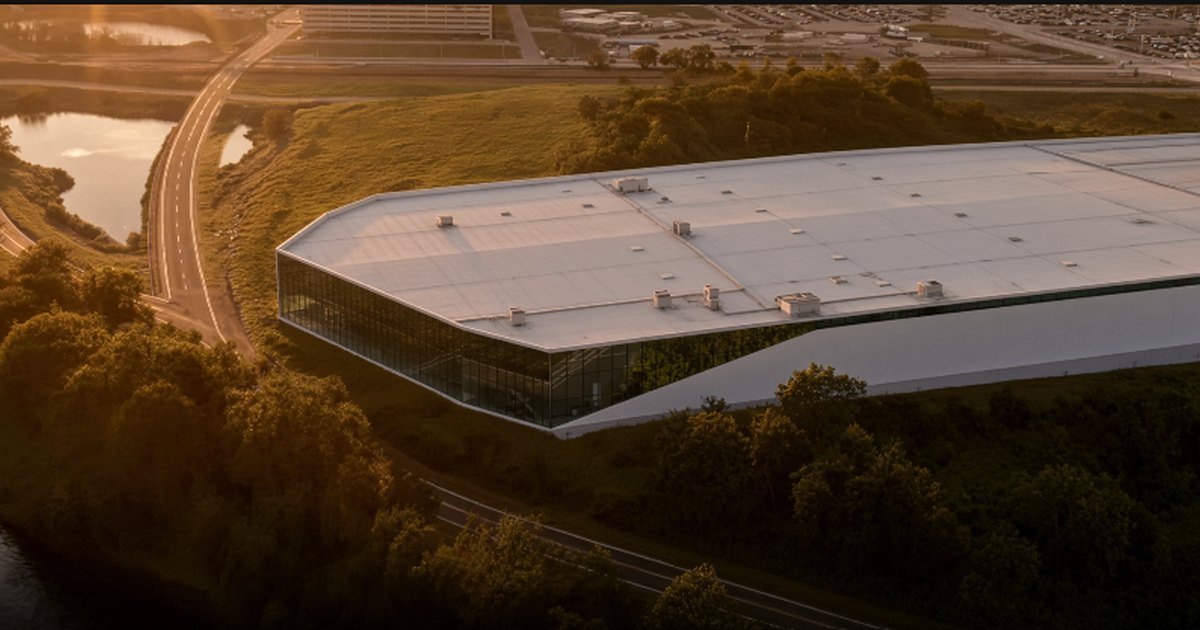
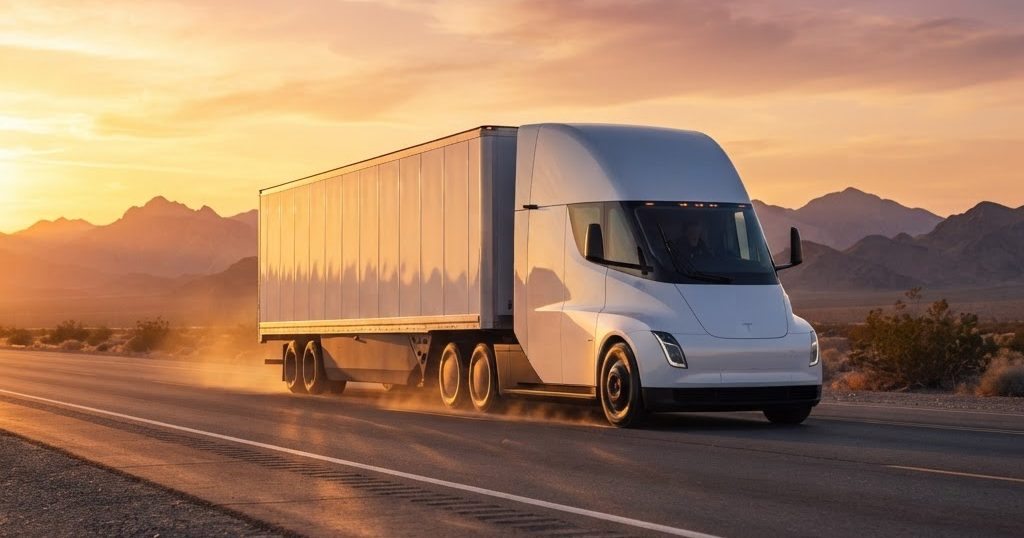
- Nevada: series production of the Semi truck started in the third quarter, next to Giga Nevada.
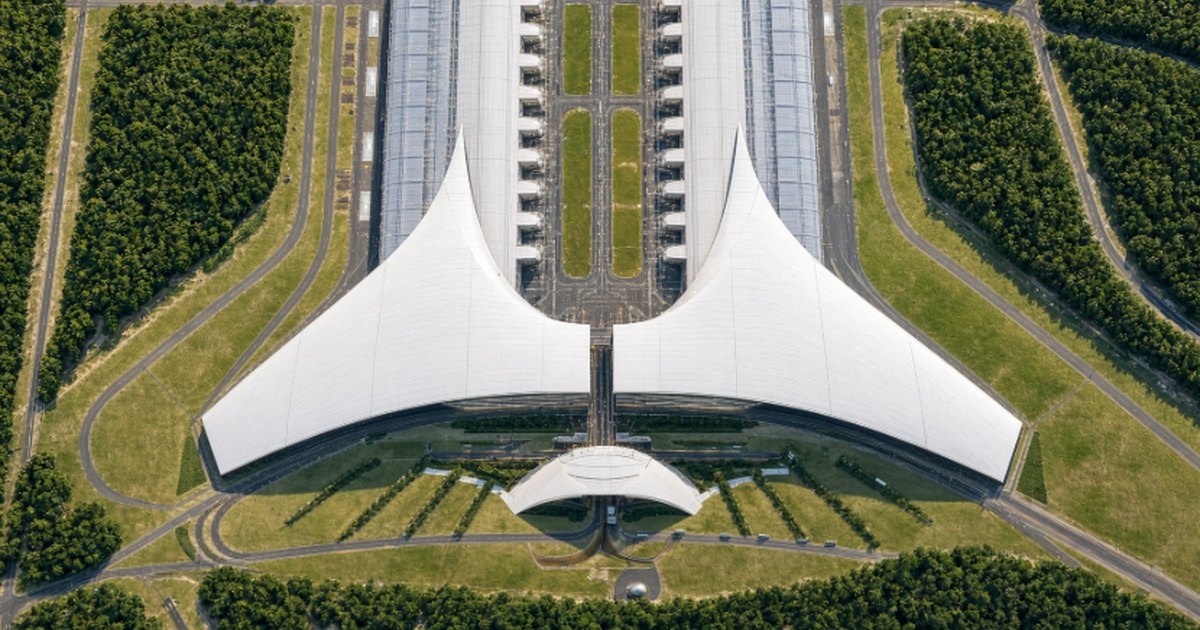
- Giga Berlin: Tesla has applied for permits to expand. The plan includes a second hall of about 536,000 m² and a long-term goal of up to one million cars a year.
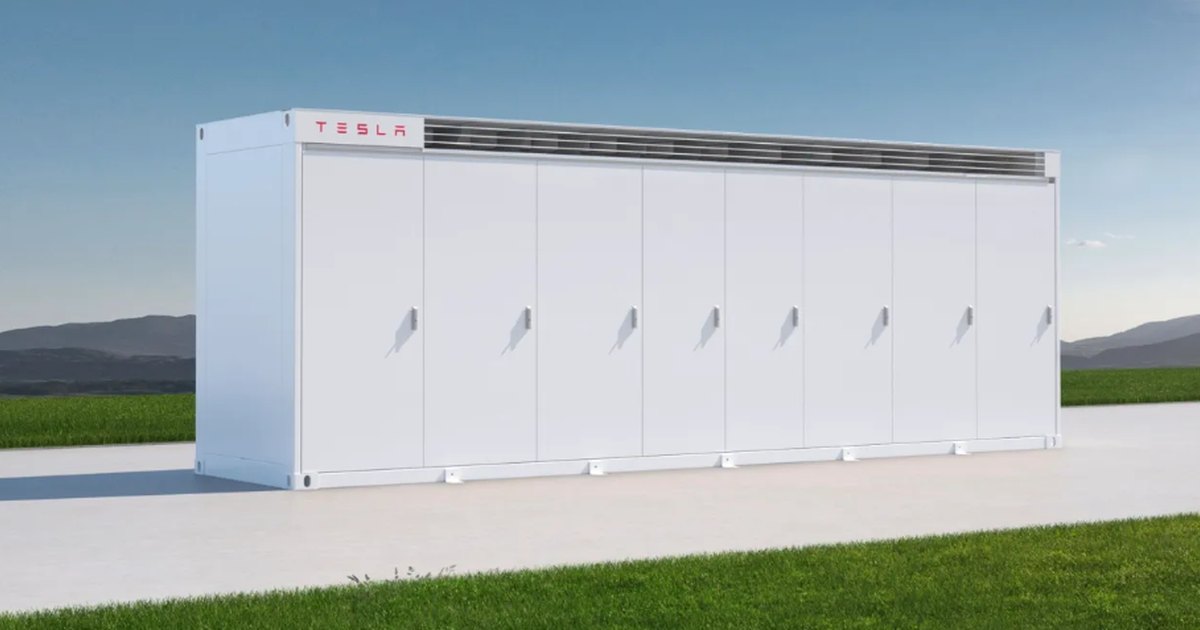
- Energy: Megapack production is nearly sold out for 2027. Tesla deployed 13.7 GWh of storage in the quarter.
The money
Tesla now expects capital spending of about $20 billion in 2026. It has arranged the option to borrow up to $30 billion but does not plan to use it this year. The biggest future item is Terafab, the planned chip factory with SpaceX: Tesla expects to spend tens of billions on equipment through early 2028 and likely more than $100 billion over time.
The long-term target
Musk said he thinks Tesla has a good chance of building about five million vehicles a year around 2030. That would be roughly three times its current pace and would require much more capacity than today.
What to watch
Cybercab output figures, the first Optimus production numbers from Fremont, the Berlin permit filing in December, and how Tesla and SpaceX split the cost of Terafab.