 3 min
Grok 4.5, 4.6, 4.7 and now Grok 5: what SpaceXAI's model sprint means for your Tesla and Optimus
SpaceX's AI division shipped three Grok models in ten weeks and wants Grok 5 by year-end. What changed, what it means for Grok in Tesla cars, and why Optimus depends on it too.
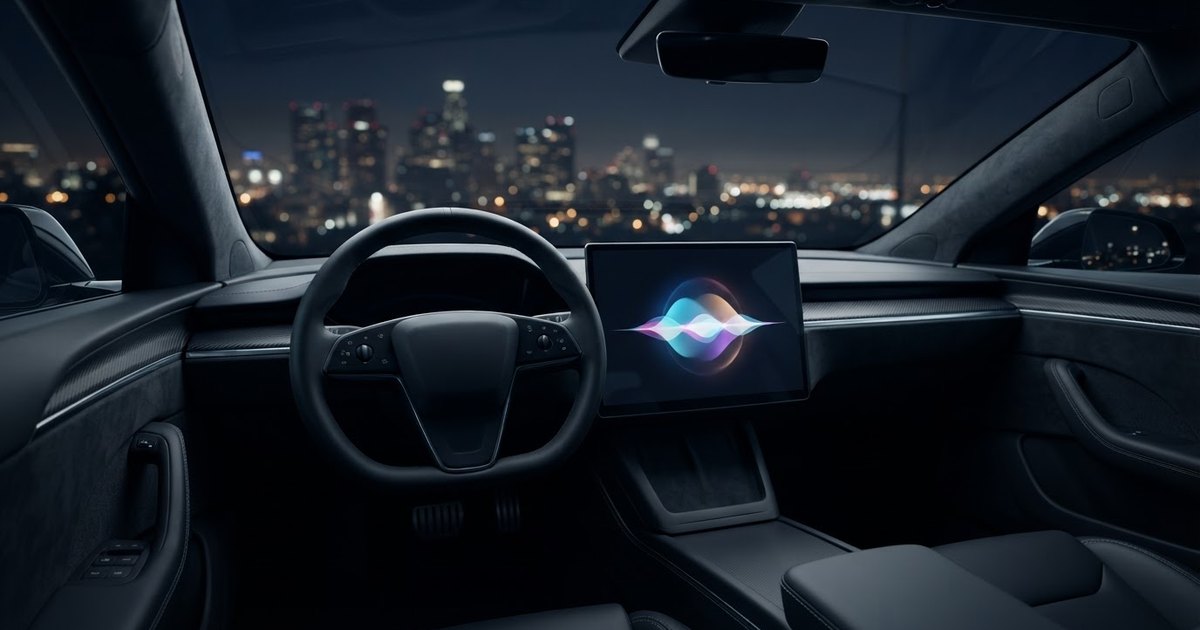
SpaceX's AI division has released three new Grok models in about ten weeks. Grok 4.5 arrived on July 16, Grok 4.6 on August 12 and Grok 4.7 on September 21, 2026. Grok 5 is still to come, with Musk aiming for the end of the year. For Tesla owners, this is not an abstract race: Grok is the voice assistant in their cars, and Tesla's Optimus robot is meant to lean on it too.
What changed in each release
- Grok 4.5 (July 16): rolled out to the Grok apps on iOS, Android, the web and X within a week, and later to GitHub Copilot.
- Grok 4.6 (August 12): aimed at long-running agents, coding and knowledge work. It used the same base model as 4.5, with gains from extra training afterwards. API prices start at $2 per million input tokens and $6 per million output tokens, well below several rivals.
- Grok 4.7 (September 21): built on a new, larger base model and trained to work for longer on hard tasks and check its own work. SpaceXAI calls it its most capable model for coding and knowledge work, at the same price as 4.6. It launched in Cursor, Grok Build and the API.
The benchmark scores SpaceXAI published show clear gains from one version to the next, but they are the company's own figures. Independent rankings put the latest Grok models close to the leading models from OpenAI and Anthropic, not clearly ahead of them.
Grok 5: the next target
At an all-hands meeting in August, Musk told staff that Grok 5 is planned before the end of 2026. He has not given a firm date, and his AI timelines have slipped before. SpaceX now has a lot riding on it: on its third-quarter call on October 20, the company said it had 1.7 gigawatts of computing capacity installed, and Musk put forward a very ambitious target for AI revenue by the end of 2027. That is a goal, not a forecast backed by detailed numbers.
What it means for Grok in your Tesla
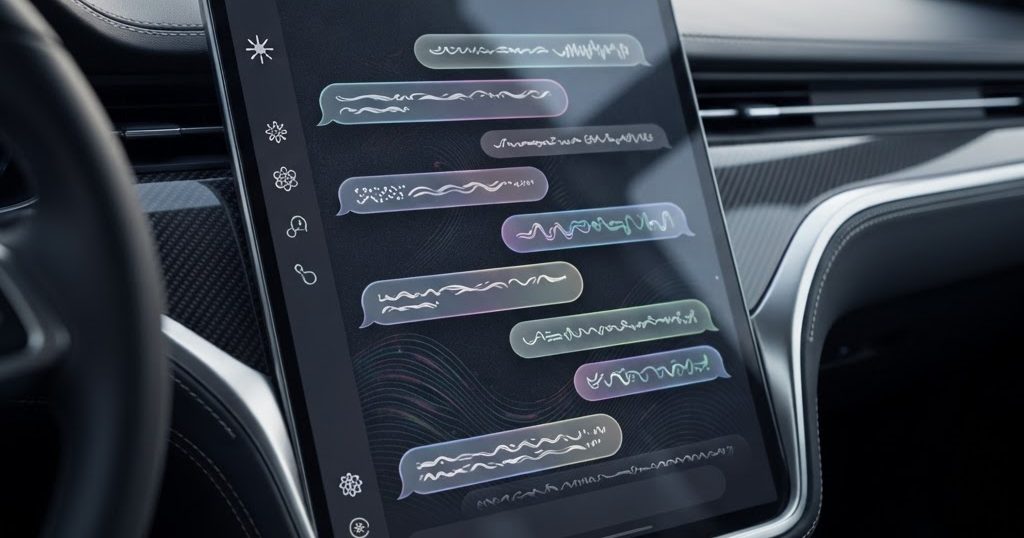
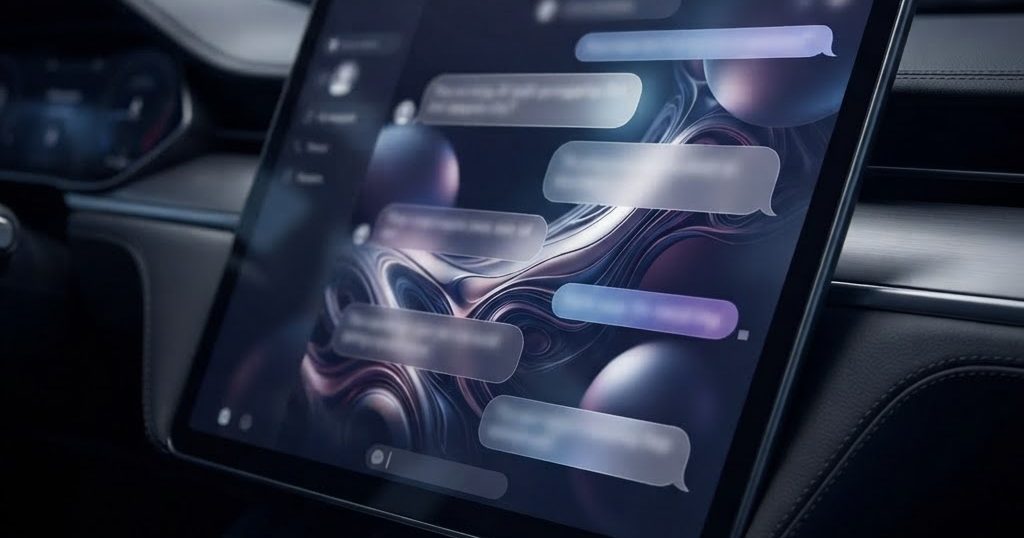
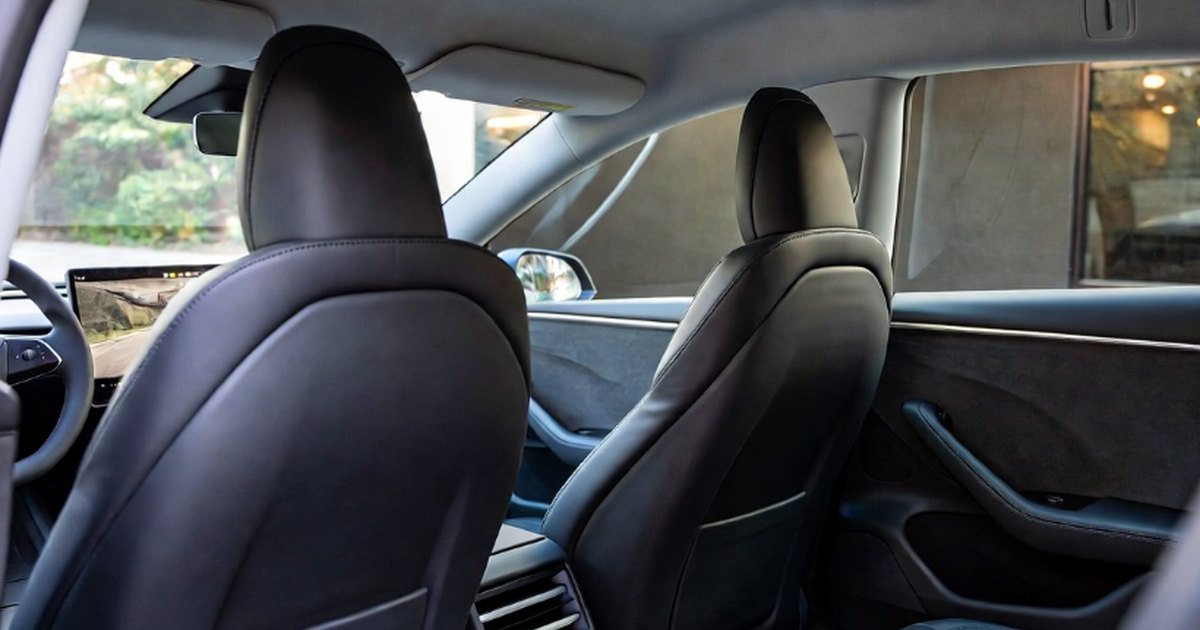
Tesla has not said which Grok version runs in its cars, and the announcements of the new models do not mention Tesla at all. Most of the recent work has gone into coding and business agents, such as Grok Bot, rather than into the conversational skills a driver uses. Improvements in the underlying models can still reach the car over time, but Tesla decides through its own software updates what the in-car assistant can do. Driving functions remain separate: Grok does not control Full Self-Driving.
And for Optimus
The bigger long-term link may be Tesla's humanoid robot. On Tesla's first-quarter call in April, Musk said Grok would be good at "orchestration" for Optimus, and that it would interact with the robot roughly the way a manager interacts with a worker. The robot's own AI5 chip is meant to handle movement and useful work on board, even without a connection. For a conversation at Grok's level, though, the robot would need to connect to Grok in the cloud. Every step forward for Grok is therefore also a step for Optimus as a talking assistant.
Why Tesla shareholders should care
Tesla depends on a supplier it does not control for one of the most visible AI features in its cars and its robot. Tesla owns only a small stake in SpaceX, from its converted $2 billion xAI investment. The two companies have set up special committees to study a merger. If they combine, Grok becomes Tesla's own technology. If they do not, Tesla keeps buying a key ingredient from a related party run by its own CEO.
What to watch
Whether Grok 5 arrives before the end of the year, whether Tesla's holiday software update brings visible Grok improvements to the car, and any Optimus demo that shows Grok in action.