 3 min
How much does a Tesla Supercharger cost in 2026? US prices by state, and 6 ways to pay less
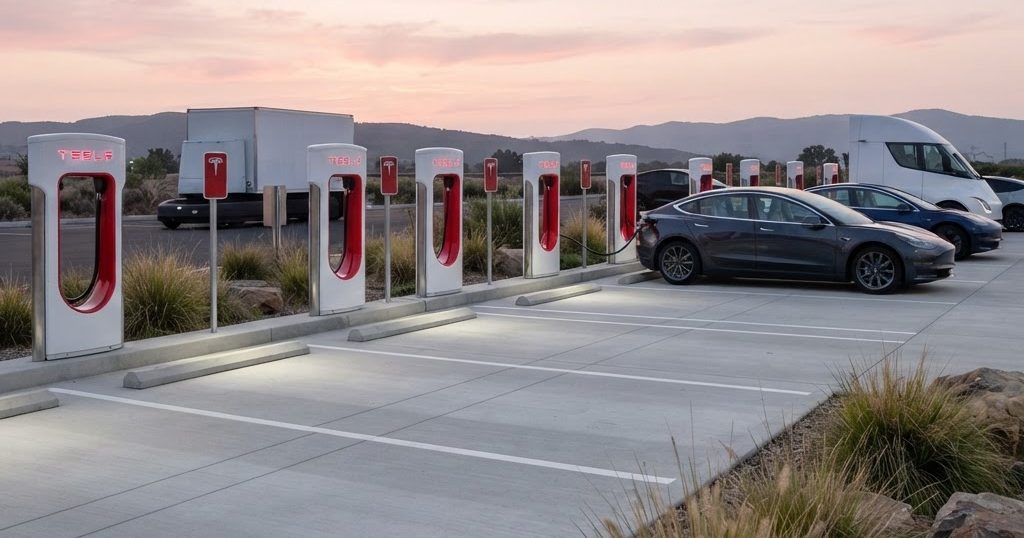
Supercharger prices in the US have crept up this year, with big differences between states and between members and non-members. Here is what a charge costs now, and how to keep the bill down.
Supercharging is not getting cheaper. Two independent trackers show that the price of a kilowatt-hour at Tesla's US Superchargers has risen in 2026, especially for drivers who are not Tesla owners or members. Here is where prices stand in October, and what you can do about it.
What a Supercharger costs now
DCFC Tracker, which follows the posted prices at Superchargers open to all EVs, puts the average in October 2026 at:
- $0.624 per kWh at the standard rate, the price a non-Tesla driver pays without a membership. That is up 1.7% from September and up from $0.604 in May.
- $0.434 per kWh at the member rate, which Tesla owners pay automatically and other EV drivers get with a paid membership. That price has barely moved since May.
In other words, a member saves about $0.19 per kWh, or roughly 30%. For a charge that adds 50 kWh, that is the difference between about $31 and about $22.
A second source, data firm Paren, measured slightly lower figures in its third-quarter report: an average Tesla price of $0.540 per kWh, with non-members paying $0.569 (up 15% this year) and members $0.396 (up 9%). The two trackers use different methods. DCFC Tracker records the peak price at time-of-use sites and does not weight sites by usage, so its numbers lean higher.
Where it costs the most, and the least
Location makes a big difference. At the standard rate in October:
- Most expensive: Hawaii ($0.84), Arizona and California ($0.74), New Jersey ($0.70) and Connecticut ($0.69).
- Cheapest: Nebraska ($0.41), Missouri ($0.48), Kansas ($0.50), Texas ($0.52) and Oklahoma ($0.53).
New Jersey saw the sharpest jump this month, with average prices up 11.6%. Across the network, 440 tracked sites raised prices in October, while only 46 cut them.
For context, Paren found that other US fast-charging networks charge on average $0.538 per kWh at fixed-price sites, and $0.637 at peak and $0.438 off-peak at sites with time-of-use pricing. Tesla's non-member price is broadly in line with the competition, while the member price remains among the cheapest.
How Tesla sets the price
According to Tesla's support pages, Superchargers bill per kWh wherever that is allowed, and per minute elsewhere, with four speed tiers. Prices can vary by time of day, and some sites use dynamic pricing based on how busy they are. The price is fixed at the moment you plug in, so it will not change halfway through a session. You can see each site's rates on its map pin in the car or in the Tesla app.
Six ways to pay less
- Charge off-peak. Many sites are cheaper late in the evening or early in the morning. Check the map pin before you go.
- Do the membership math. For non-Tesla drivers, the $12.99 monthly membership pays for itself at around 68 kWh of Supercharging a month, based on October prices.
- Avoid congestion fees. When a site is busy, Tesla can charge extra once your battery is at 80% or more, or after charging has finished. The first five minutes are free, then the fee runs until you move.
- Stop at 80%. Charging slows down sharply near full, so the last part of a session is often the most expensive in time, and at busy sites in money.
- Pick your stop. On a road trip, prices can differ a lot between nearby sites. Planning your stop at a cheaper site can save a few dollars each time.
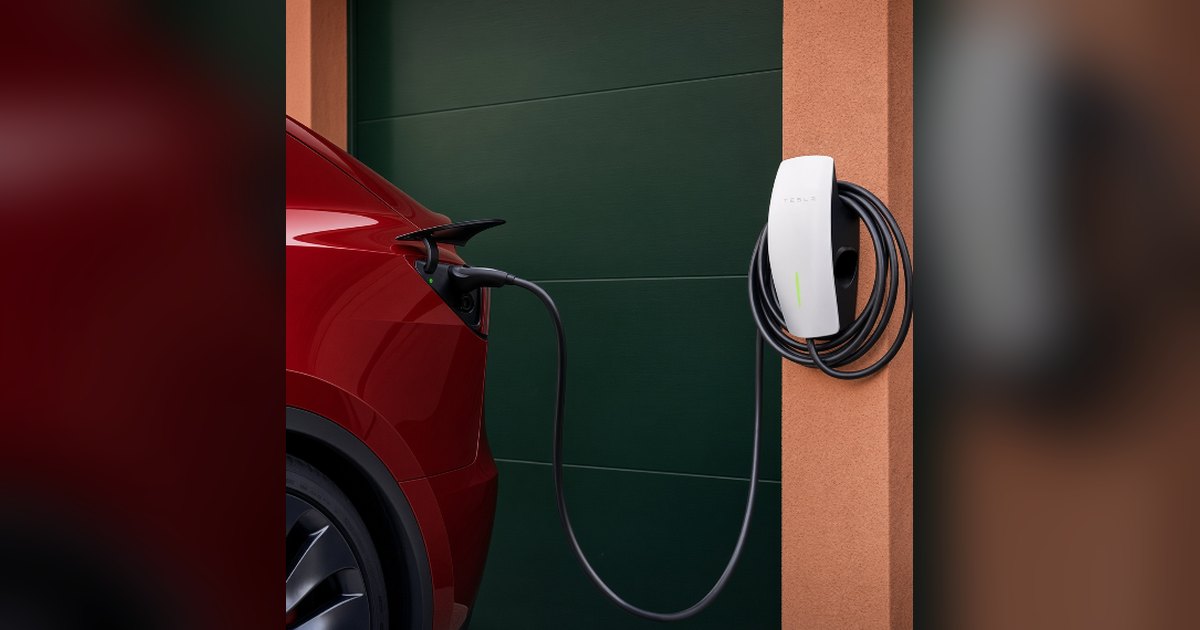
- Charge at home when you can. For most owners, home charging remains the cheapest option by far, with Superchargers reserved for longer trips.
What to watch next
October's DCFC Tracker data is not final until the end of the month. With winter coming and more competitors opening high-power sites, it is worth watching whether Tesla keeps nudging non-member prices up, or starts using price to compete for drivers of other brands.