 3 min
Powerwall 3 vs Powerwall 3P: which Tesla home battery fits your home?
Tesla now sells two versions of its home battery: the single-phase Powerwall 3 and the three-phase Powerwall 3P for Europe. Here is how they differ in power, solar inputs and backup, and which one suits which home.
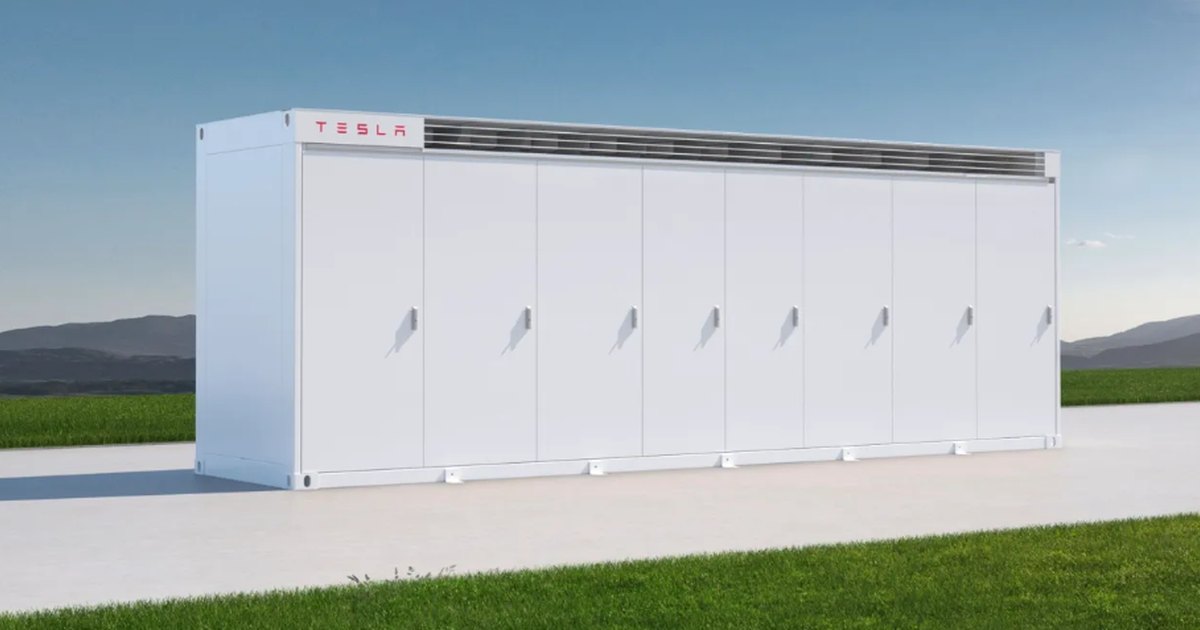
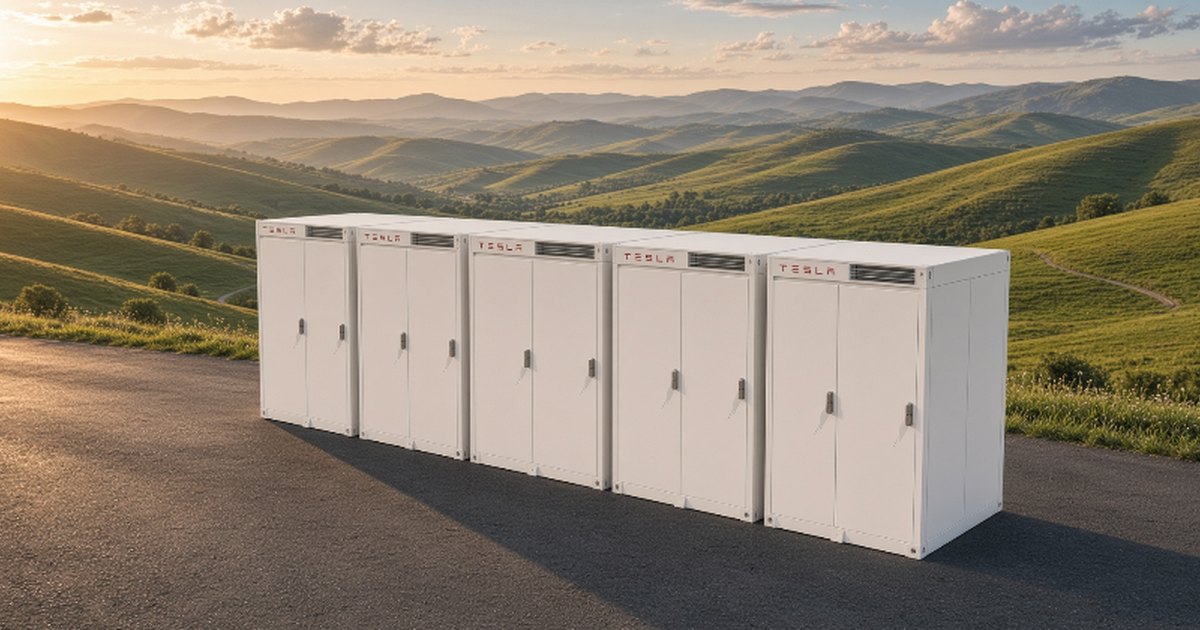
For years, Tesla sold one home battery for everyone. That has changed. Next to the single-phase Powerwall 3, Tesla now offers the Powerwall 3P, a three-phase version built for European homes. Both store about the same amount of energy, but they connect to the house in different ways. This guide explains the difference.
What both have in common
- Storage: roughly 13.5 kWh per unit. Tesla's US datasheet lists 13.5 kWh for the Powerwall 3; pv magazine reported 13.4 kWh for the 3P.
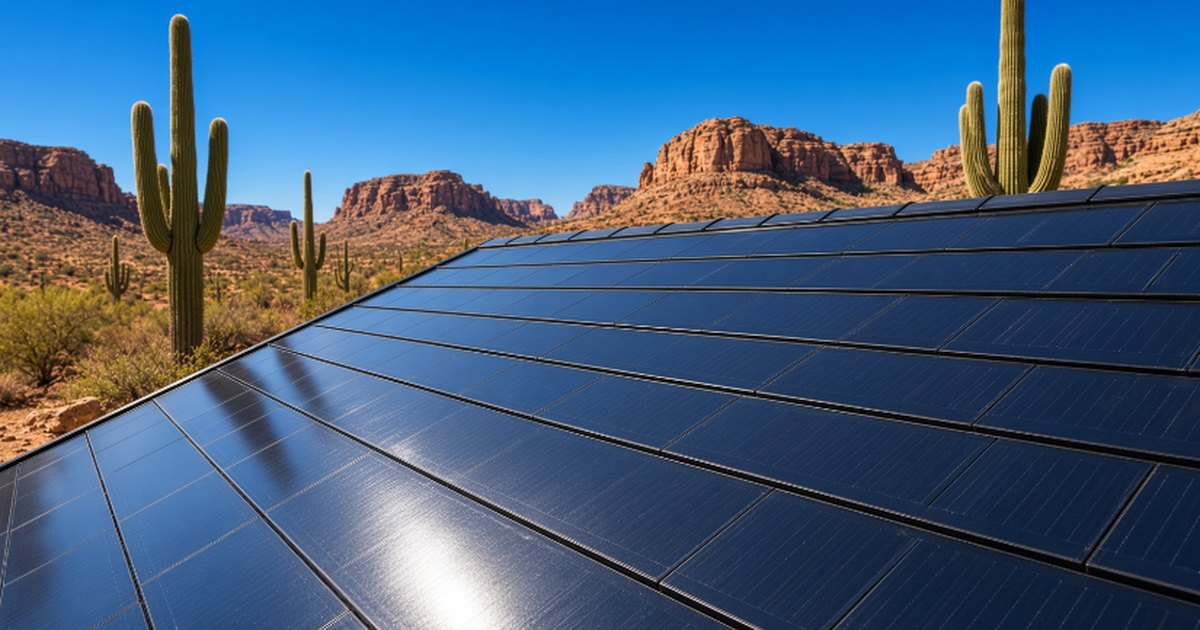
- Built-in solar inverter: solar panels connect directly to the battery unit, so no separate inverter is needed. This DC connection loses less energy than older AC-coupled setups such as the Powerwall 2.
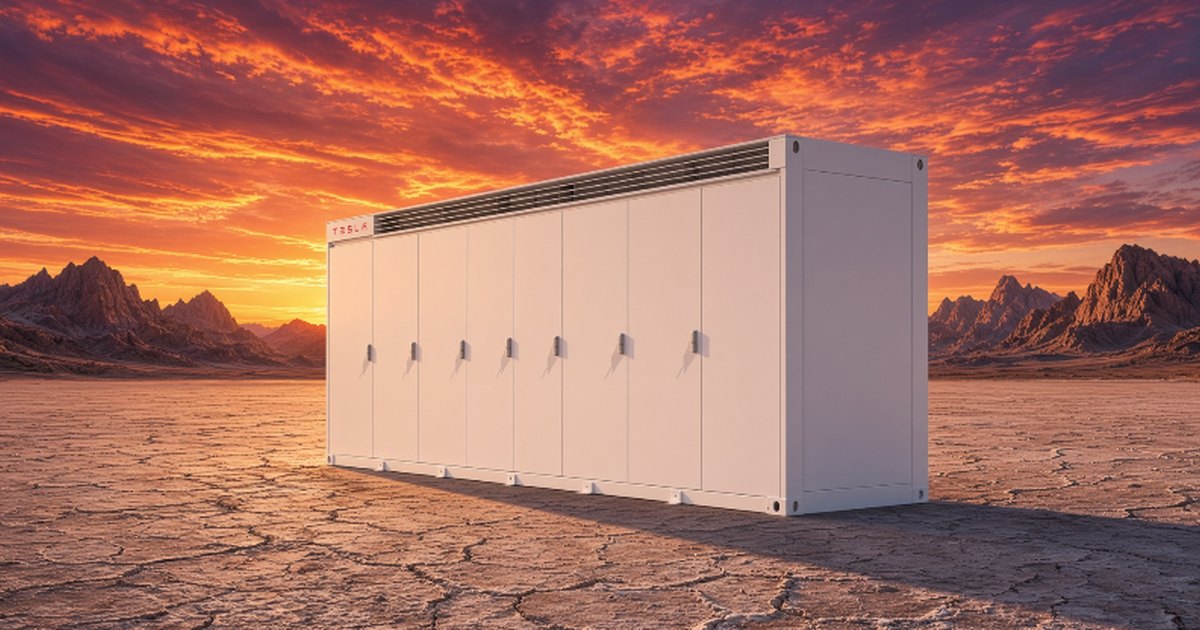
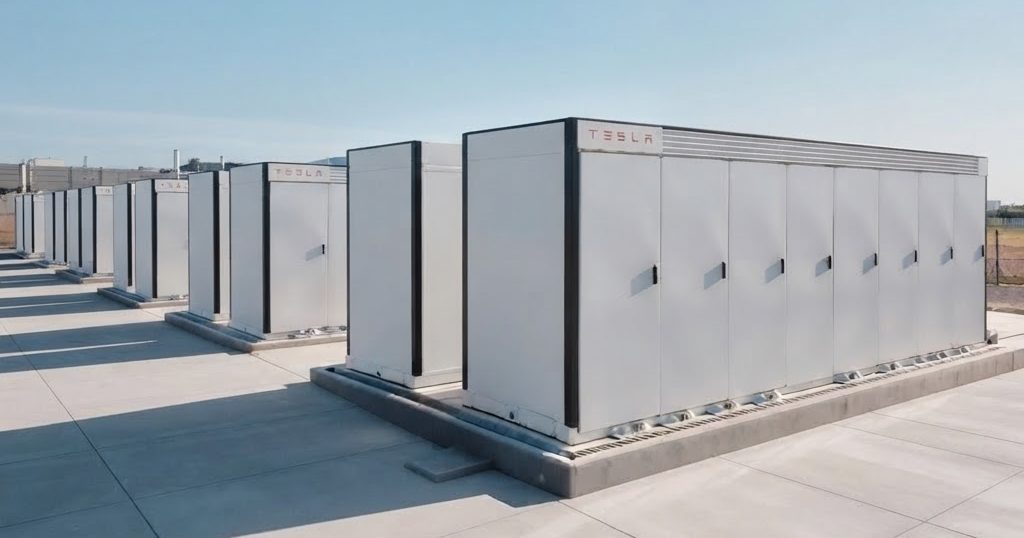
- Outdoor-ready: both are rated for -20 °C to 50 °C and can be installed indoors or outside. Tesla also says the 3P keeps working in up to 60 cm of floodwater.
- Automatic backup: both detect a power cut and switch the home to battery power.
Powerwall 3: single-phase
The Powerwall 3 is a single-phase battery, which suits most homes in North America and many in the UK. Key figures from Tesla's US datasheet:
- Continuous power: up to 11.5 kW. Tesla's US datasheet lists ratings of 5.8, 7.6, 10 or 11.5 kW, so the actual figure depends on how the unit is set up.
- Solar: six solar inputs (MPPTs) and up to 20 kW of panels in the US version.
- Efficiency: 97.5% from solar to home, and 89% round trip when solar energy is stored and used later.
- Expansion: up to four Powerwall 3 units, plus up to three expansion batteries, for seven units in total.
- Weight: about 130 kg. Warranty: 10 years.
Powerwall 3P: three-phase
Many homes in Germany, the Netherlands and Belgium have a three-phase connection. A single-phase battery can only back up one of the three phases, which is a problem for heat pumps, induction hobs or wallboxes that use all three. The Powerwall 3P solves that with a native three-phase inverter. It launched in Germany in April 2026, and in August Tesla said it could also be ordered in the Netherlands.
- Continuous power: 15.4 kW, with a peak of 21 kW for one second.
- Solar: four MPPTs, up to about 20.3 kW of panels. It can also work with an existing solar inverter on the AC side.
- Backup: full three-phase backup that can handle unbalanced loads, and it keeps working without an internet connection.
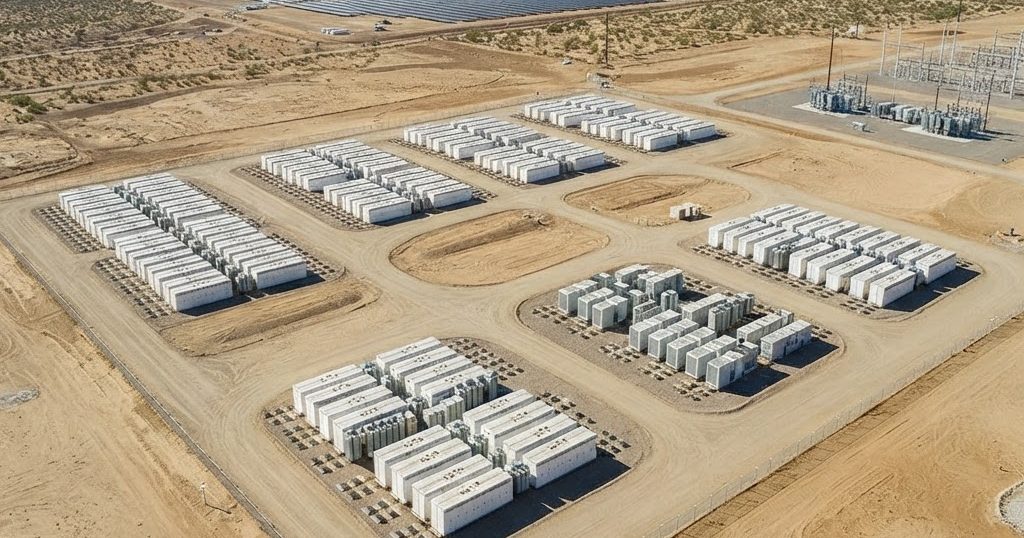
- Scaling: up to four units, for 61.6 kW of power and 94.5 kWh of storage.
- Energy management: built-in software, called Tesla Home, plans charging locally using electricity prices, weather and your usage. That suits dynamic hourly tariffs. Heat pumps can be controlled through SG-Ready connections.
- Weight: about 138 kg. Installation is done only by certified partners.
Which one should you choose?
- Single-phase connection (most US homes, many UK homes): the Powerwall 3 is the natural choice.
- Three-phase connection (common in Germany, the Netherlands and Belgium), especially with a heat pump or a car charger: the Powerwall 3P avoids the one-phase backup limit and offers more power.
- Existing solar system: both can work with new panels directly; the 3P is explicitly designed to be added to an existing AC-side solar setup too.
Prices depend heavily on the installer and the country, and Tesla does not publish a fixed price for the 3P. Get several quotes and ask how the battery will be connected to your meter and fuse box.
Why it matters
The Powerwall 3P is Tesla's first home battery designed with European grids in mind. As more households switch to heat pumps, electric cars and dynamic energy contracts, a battery that covers all three phases and plans its own charging fits the market much better than earlier Powerwalls did.
What to watch next
- Which other European countries get the Powerwall 3P.
- Whether Tesla's own Wall Connector gets full integration with the 3P, which pv magazine described as planned.