 3 min
Starlink vs Amazon Leo: where the satellite internet race stands in October 2026
Starlink has about 11,100 satellites and 13.6 million subscribers. Amazon's Leo has fewer than 400 satellites and has not launched service yet. Here is how the two compare, and why it matters for Tesla.
For years Starlink has had the satellite internet market almost to itself. Amazon's Leo network, originally called Project Kuiper, is the first rival with comparable money and ambition. With Amazon promising its first customers before the end of 2026, here is a side-by-side look at where both stand.
The numbers side by side
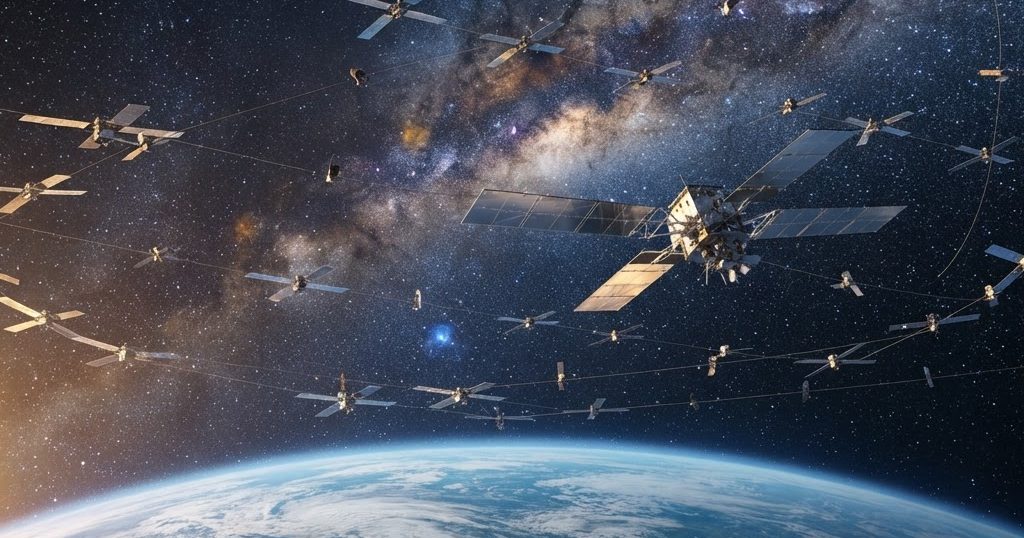
- Satellites in orbit: Starlink about 11,100, nearly all second-generation plus the first 26 V3 satellites, according to SpaceX's Q3 2026 earnings call as reported by Tesla Oracle. Amazon Leo: 396 broadband satellites from 14 launches, of which four have already been deorbited, Light Reading reported on October 12.
- Customers: Starlink had 13.6 million subscribers in 174 countries at the end of September. Leo has no paying consumers yet.
- Revenue: SpaceX's connectivity segment, mostly Starlink, grew revenue 69% year on year in Q3, with average revenue per user of about $69. Amazon has not reported Leo revenue.
- Planned size: Leo's first generation is 3,236 satellites, due in full by July 30, 2029. SpaceX talks about adding around 100,000 V3 satellites over three years, a target that depends on its Starship rocket.
Where Amazon is catching up
Amazon's weak spot has been launch speed, not factories. It has built more than 1,000 satellites at its plant in Kirkland, Washington, which can make up to five a day. Getting them into orbit is slower: Amazon missed its own mid-2026 service target, and in June the US regulator, the FCC, gave it an extra 24 months to put the first half of the constellation in orbit. One of its launch partners, Blue Origin, lost a New Glenn rocket in a pre-launch test explosion in May. Amazon says new Vulcan and Ariane 6 flights are weeks away.
Where Amazon is strong is business customers. In April, Digital Trends listed Delta Air Lines, which plans Leo Wi-Fi on 500 planes from 2028, along with JetBlue, AT&T, Vodafone, DIRECTV Latin America, Australia's National Broadband Network and NASA. Amazon also plans to tie Leo into its AWS cloud, and has filed for a separate direct-to-phone constellation of more than 5,000 satellites linked to its pending purchase of Globalstar.
Where Starlink stays ahead
Starlink's lead is measured in years. It has roughly 28 times as many satellites in orbit, a working consumer business and its own reusable rockets, which keep launch costs and timing under SpaceX's control. Amazon has to buy launches from other companies, such as United Launch Alliance, Arianespace and Blue Origin. Starlink is also expanding into phone service and aviation, the same areas Amazon is targeting.
Why this matters for Tesla
Starlink is the business that pays for most of SpaceX, and SpaceX and Tesla are now closely tied through Elon Musk and their shared projects. A strong rival would put pressure on Starlink's prices and growth, which matters to anyone following the wider Musk group.
There is a product angle as well. Tesla's first Cybercabs carry a Starlink antenna built into the rear of the car, next to 5G, and Musk posted in August that "all cars will have Starlink in the future". Tesla has said a connection is not needed to drive safely, but robotaxis rely on one for navigation, customer support and fleet management. If carmakers start shopping for satellite connectivity, Amazon Leo is the obvious alternative supplier, and its terminals and pricing will shape what Starlink can charge.
What to watch next
- Whether Amazon really starts initial Leo service before the end of 2026, and at what price.
- Leo's launch rate once Vulcan and Ariane 6 flights resume.
- How fast Starship can start deploying Starlink V3 satellites in volume.
Sources (4)
- Light Reading — Amazon Leo still tracking for 2026 service launch as satellite production ramps
- Digital Trends — Amazon Leo satellite internet is nearing launch, and it already has big customers to rival Starlink
- Tesla Oracle — Key takeaways from SpaceX's Q3 2026 earnings call
- Not a Tesla App — Musk hints Starlink is coming to future Teslas as Cybercab shows integrated dish