 3 min
Tesla's battery bottleneck: inside its Nevada LFP cell plant, Texas lithium refinery and cathode factory
Battery supply is still the limit on how many cars Tesla can build. Its new cell and materials plants in Nevada and Texas are in early ramp. Here is what each one makes, how big it is and how far along it is.
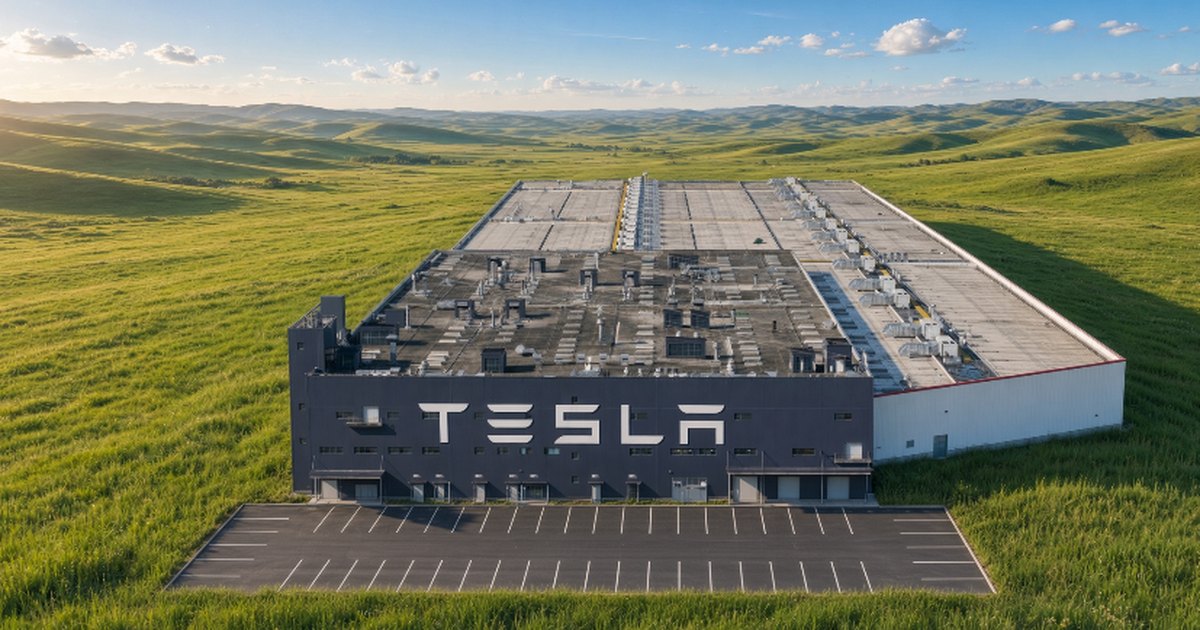
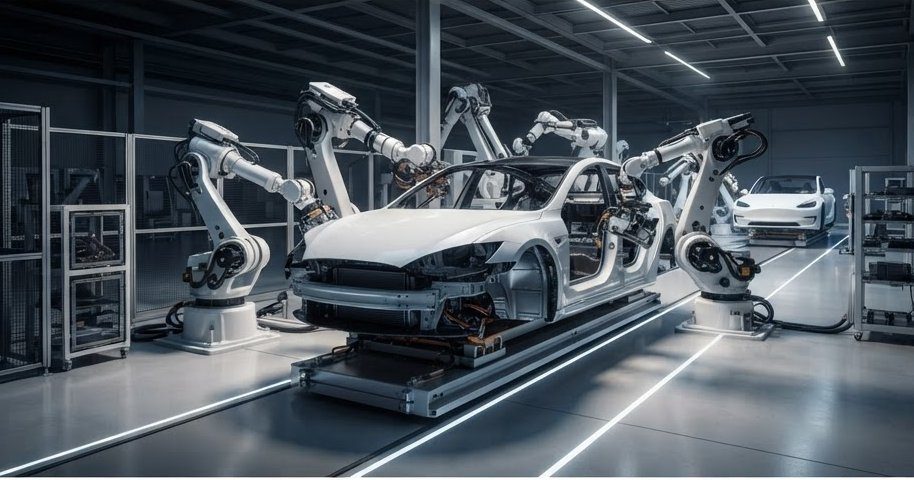
Tesla's factories could build more cars than they do today, and the company says the reason is batteries. In its third-quarter shareholder update, Tesla wrote that battery availability "continued to be the limiting factor" in raising vehicle output. Its answer is a set of new plants that make cells and battery materials in the United States. Most of them are still in what Tesla calls early ramp, but each passed a visible milestone this year.
The plants at a glance
Tesla's latest capacity table lists these battery and material sites:
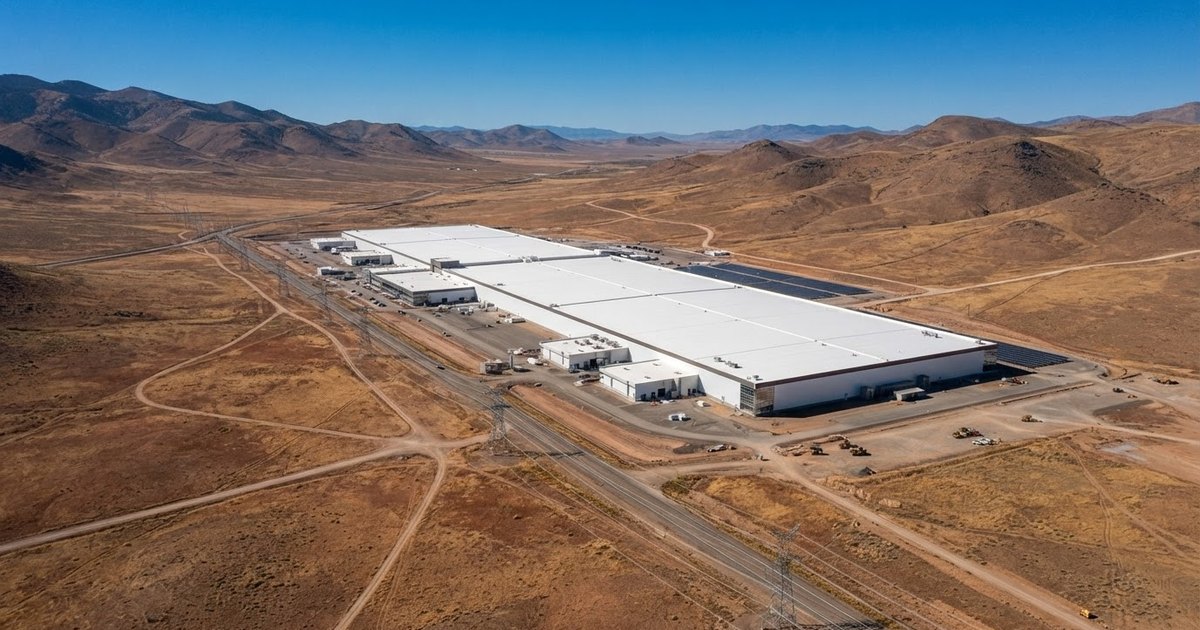
- Nevada, LFP cells: 7 GWh a year, early ramp. These lithium iron phosphate cells go into energy storage, not cars.
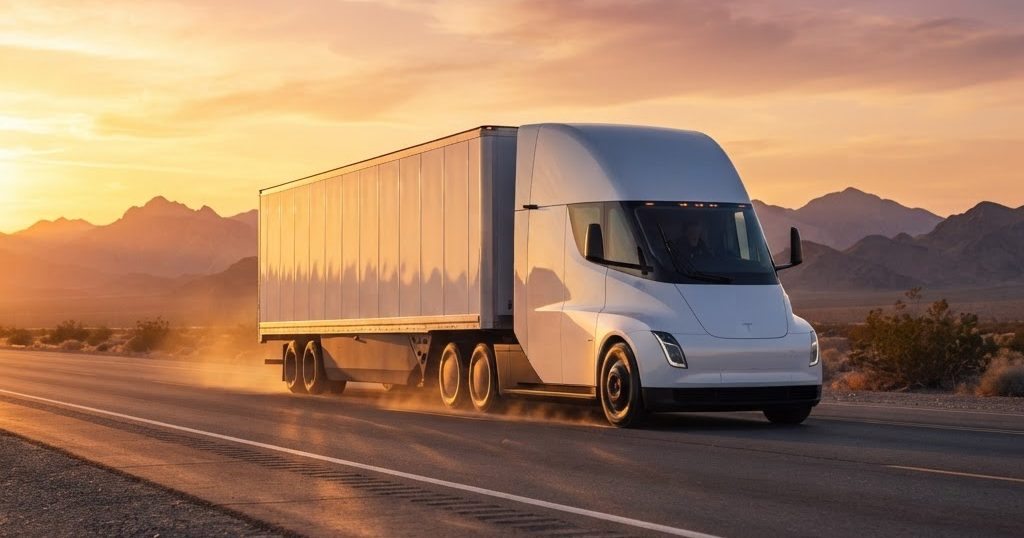
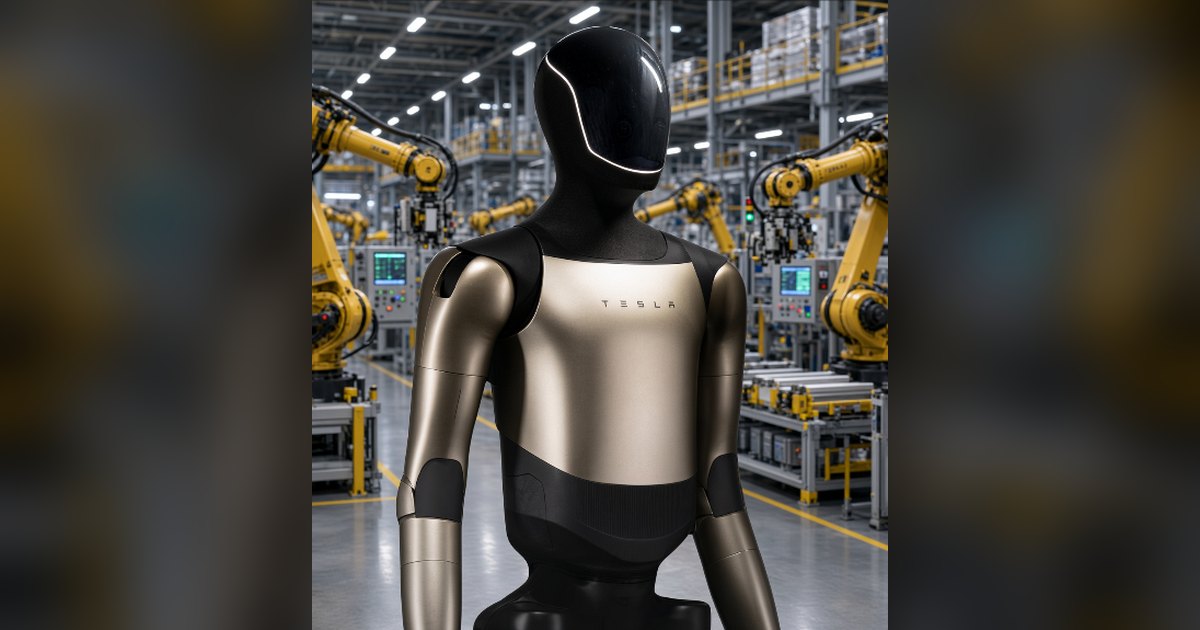
- Texas, 4680 cells: more than 40 GWh a year, in production. These larger cylindrical cells power the Cybertruck, the Cybercab and the Semi, and some Model Y versions.
- Texas, cathode materials: 10 GWh a year, early ramp.
- Texas, lithium refining: 30 GWh a year, early ramp.
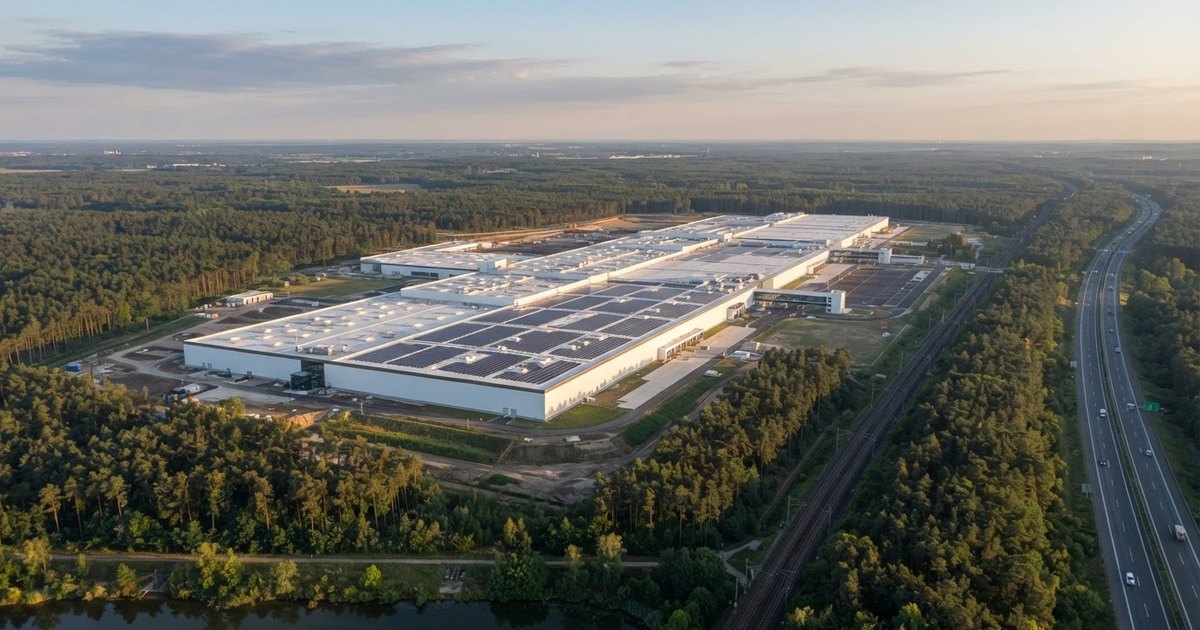
- Berlin, 4680 cells: under construction, no capacity listed yet.
Tesla notes that early-ramp capacity includes expected capacity, so these are targets for installed equipment rather than current output.
Nevada: the first Megapacks with Tesla's own LFP cells
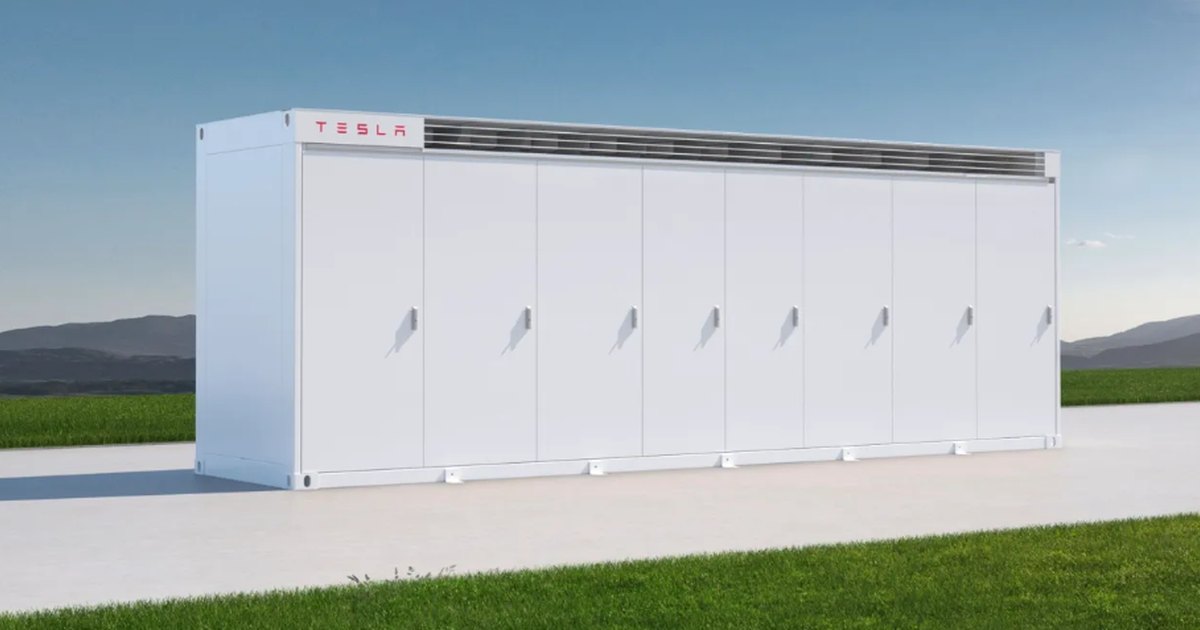
Almost all LFP cells in the world are made in China, and Tesla has relied on Chinese suppliers for its Megapack storage batteries. At the end of July, the Megapack team announced that Tesla had started shipping Megapacks built with American-made LFP cells. The cells come from Tesla's plant at Sparks, Nevada, and are built into finished Megapacks at the Megafactory in Lathrop, California. The Q3 update confirms that these first units contain only Tesla's own LFP cells.
Seven gigawatt-hours is modest next to the 13.7 GWh of storage Tesla deployed in the third quarter alone. But it gives Tesla a domestic supply that is not exposed to US tariffs on Chinese cells.
Texas: refining lithium and making cathodes
Near Corpus Christi, in Robstown, Tesla started up a lithium refinery in January 2026. It turns spodumene, a lithium-bearing rock, into battery-grade lithium hydroxide. The feedstock comes from mines in Canada and Australia. Tesla says the process avoids the hazardous by-products of conventional refining and leaves a co-product that can be used in concrete mixes. It says the plant can supply enough lithium for more than 500,000 electric cars a year.
Next to Giga Texas in Austin, Tesla runs a cathode plant, the part of the cell that holds most of the nickel and lithium. In August, Tesla said it was operating the first large-scale cathode facility in North America, and in September its robotaxi account said the first Cybercab had been built with this in-house material. The cathode feeds Tesla's 4680 cell production.
Why it matters
Each step Tesla brings in-house removes a supplier, a shipping leg and, in many cases, a tariff. It also makes the company less dependent on China, which dominates lithium refining, cathode production and LFP cells. For car buyers, more cells eventually means shorter waiting times. Tesla said it ended the quarter with its largest passenger car backlog in four years, while the 4680 lines are being pushed to supply the Cybercab and Semi ramps.
The risk is the usual one with new chemistry plants: ramping takes longer than planned, and yields at the start are low. Tesla has been talking about its own cathode and refining since its Battery Day in 2020.
What to watch next
- When the Nevada, cathode and refinery lines move from early ramp to production in Tesla's capacity table.
- Progress on the 4680 cell plant under construction in Berlin, part of Tesla's push to build more battery capacity in Europe.
- Whether Tesla's car output rises as more cells become available.