 3 min
Project Crystal Sun: Tesla's $10.1 billion solar cell factory plan, and where it stands now
Tesla is weighing a giant solar factory near Houston that would make everything from silicon ingots to finished panels. A local school board approved a tax deal in September, and Tesla's latest filing confirms solar manufacturing is on its agenda. Here is what is known.
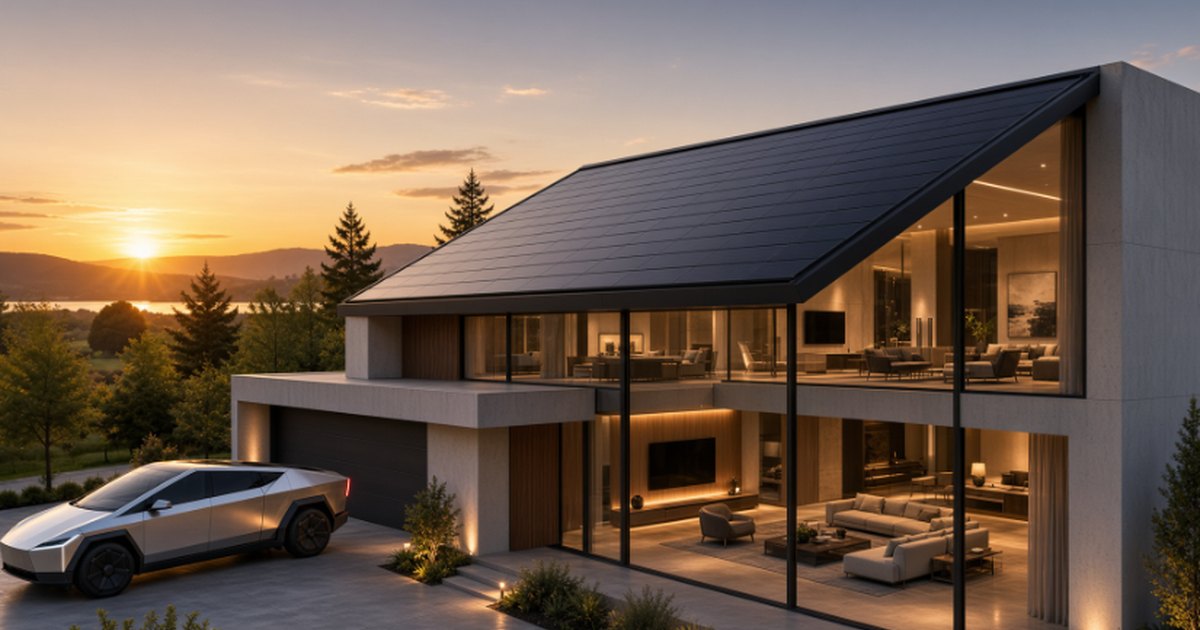
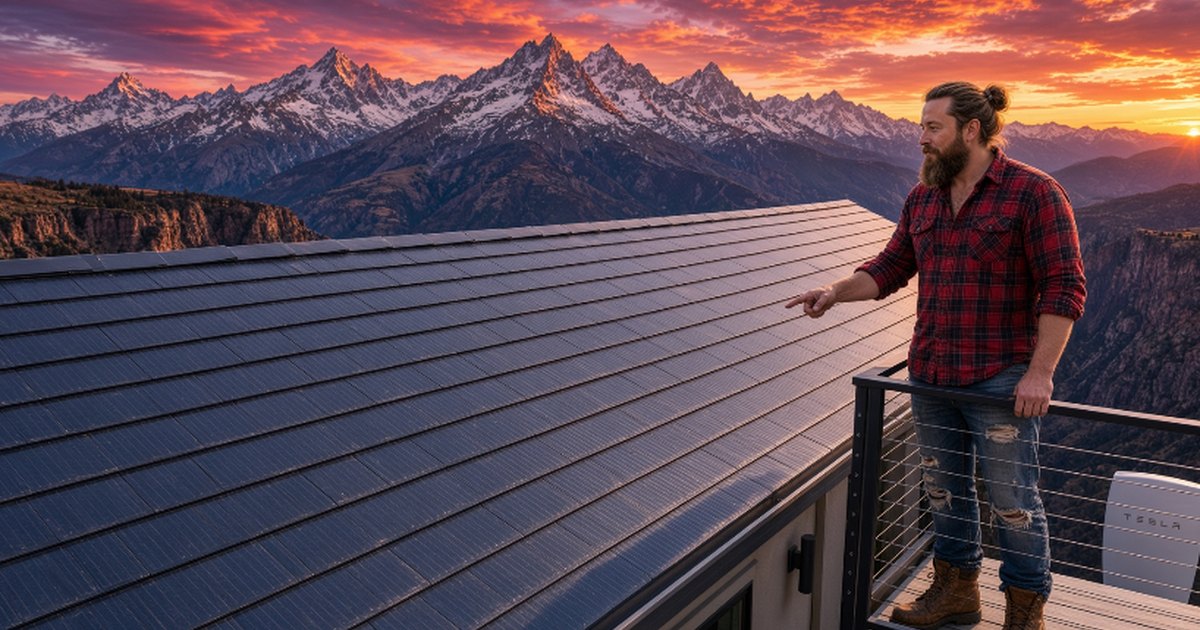
Tesla wants to make solar panels at a scale it has never come close to before. The clearest sign is a project called Project Crystal Sun: a proposed $10.1 billion solar cell and module factory in Fort Bend County, southwest of Houston, Texas. It is not a done deal, but it took a step forward in September, and Tesla's latest quarterly filing confirms the company is now expanding into solar fabrication.
What Tesla has proposed
- Investment: about $10.1 billion between 2026 and 2028, of which roughly $1.5 billion for land and buildings and $8.6 billion for equipment. The planned spending rises each year, to about $4.5 billion in 2028.
- Site: around 3,050 acres of greenfield land near Richmond, Texas, in the Lamar Consolidated school district.
- Scope: a fully integrated plant that would grow silicon ingots, slice wafers, make solar cells and assemble modules. That is far more than the panel assembly Tesla does today.
- Jobs: 9,712 permanent full-time positions, with an annual payroll of about $1.3 billion by 2033, according to Tesla's application.
- Timing: commercial production would start in the first quarter of 2029.
The figures come from Tesla's application under Texas's JETI program (Jobs, Energy, Technology and Innovation), which offers businesses a cap on part of their property tax for ten years. The application was signed in July and became public on August 6.
What happened since
On September 15, the Lamar CISD school board voted unanimously to approve the tax incentive. Tesla could get a ten-year break on part of its school property taxes, though it would still contribute towards the district's debt payments. Some residents had urged the board to say no, citing pollution, traffic and pressure on local roads and services. The project still needs approval from the state.
Tesla has not committed to the site. It says it is comparing Fort Bend County with a location in another, unnamed state, and that Texas is less attractive without incentives. Electrek points out that such filings are often a negotiating tool and that many never lead to a factory.
Tesla's own words have moved in the same direction, though. In its quarterly report (10-Q) for the third quarter, Tesla says it is "expanding our scope of manufacturing" to include semiconductor and solar fabrication. Its shareholder update lists solar among the multi-year projects where capacity build-out is underway.
The 100 GW ambition
The project fits a goal Elon Musk set out at Davos in January 2026: building about 100 GW a year of solar manufacturing in the United States for Tesla and SpaceX, in roughly three years. Reports differ on whether that figure is shared or applies to each company. Either way, it is enormous. The whole US solar market installs a few dozen gigawatts a year, and Tesla's factory in Buffalo, New York, was once promised at 10 GW a year and never got close. In March, Tesla was reported to be in talks to buy $2.9 billion of solar production equipment from Chinese suppliers.
Why Tesla wants this
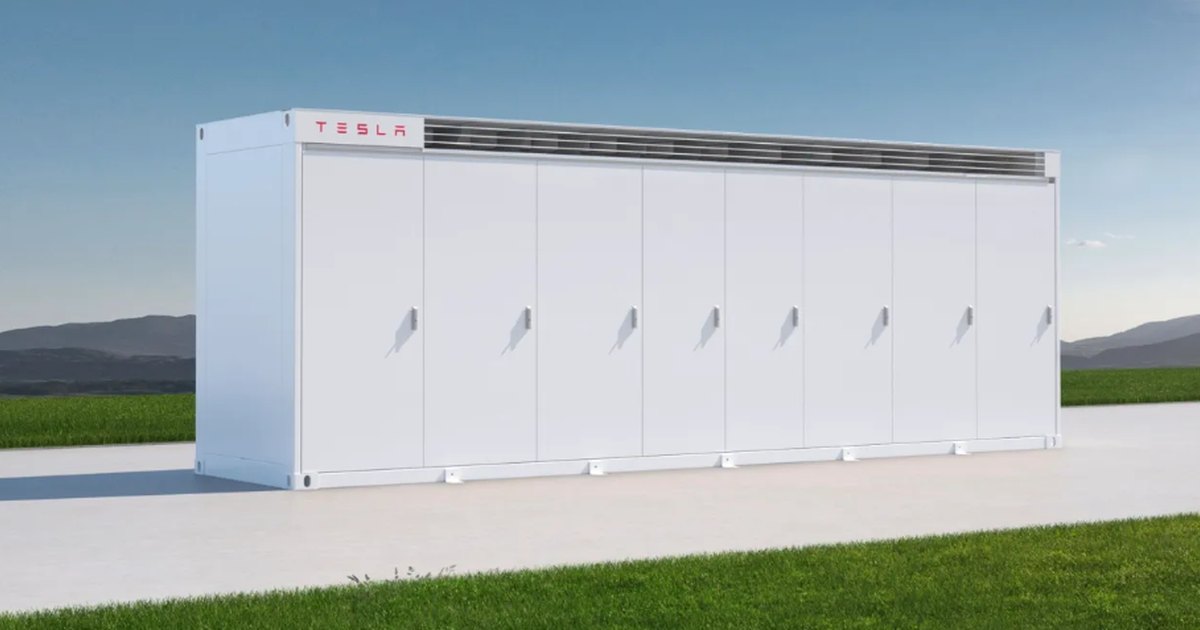
Electricity has become the bottleneck for AI data centers, and Tesla's energy business is already selling record numbers of Megapacks to them. Pairing batteries with its own cheap solar panels would let Tesla offer complete power plants. Making cells in the US also helps with tariffs on imported solar products and with federal manufacturing tax credits, which the application mentions.
What to watch next
- Texas state approval of the JETI application and a final site decision by Tesla.
- Whether Chinese equipment can be exported and installed on time.
- Any capacity number: Tesla has not yet said how many gigawatts Crystal Sun would produce.