 3 min
Tesla Superchargers are busier than ever, yet only 1 in 200 drivers waits: the Q3 2026 numbers
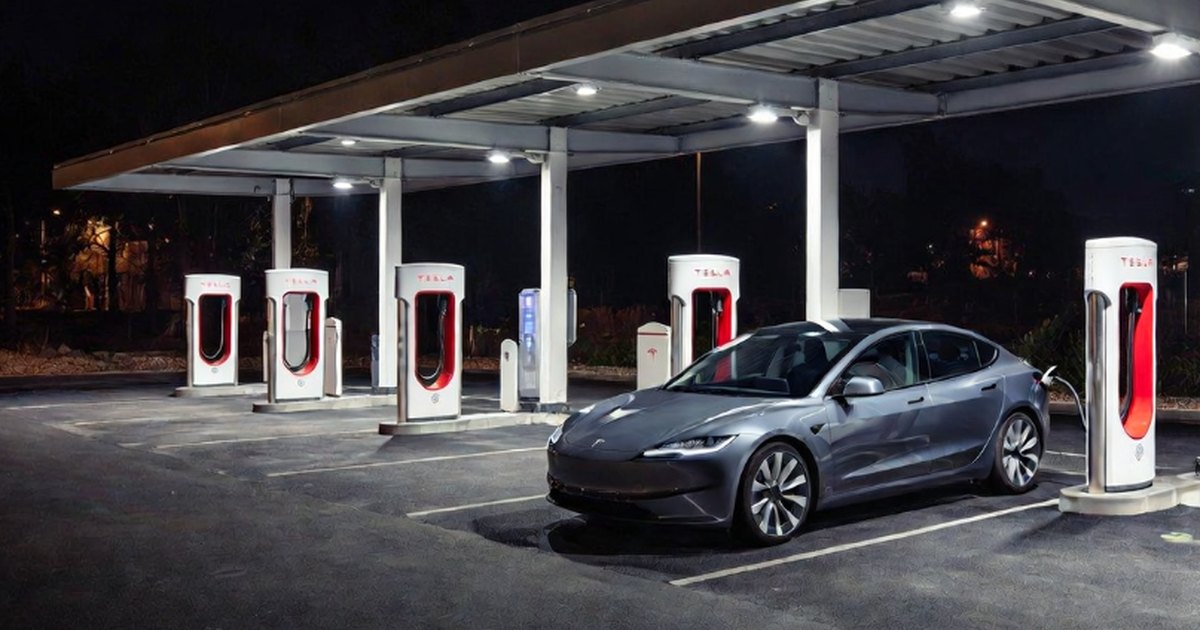
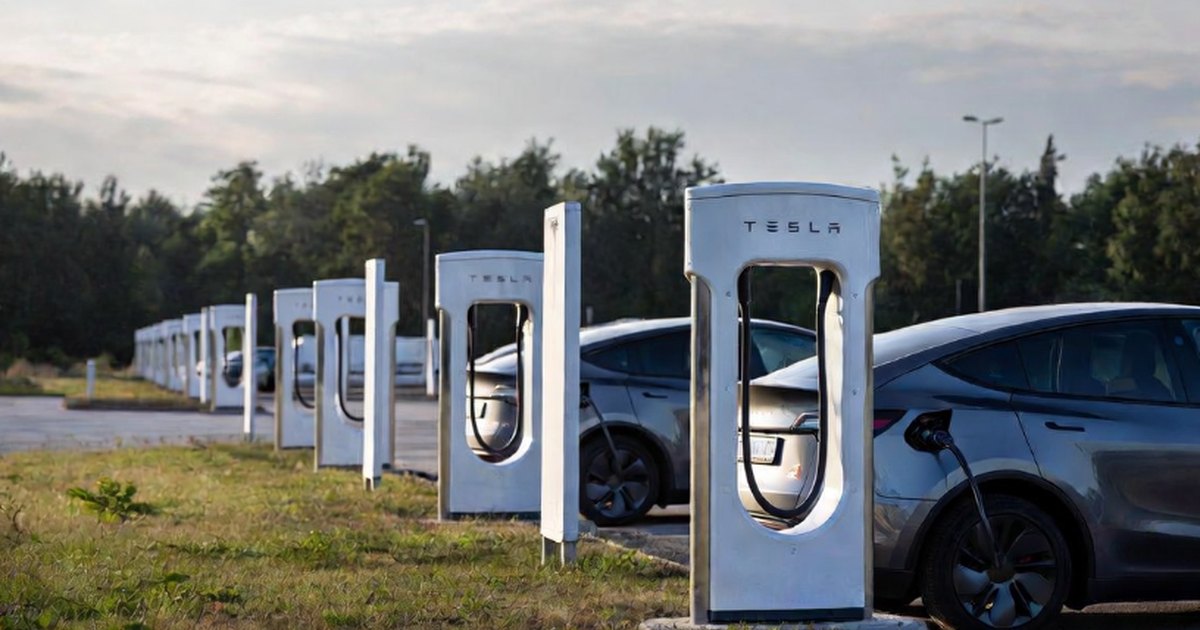
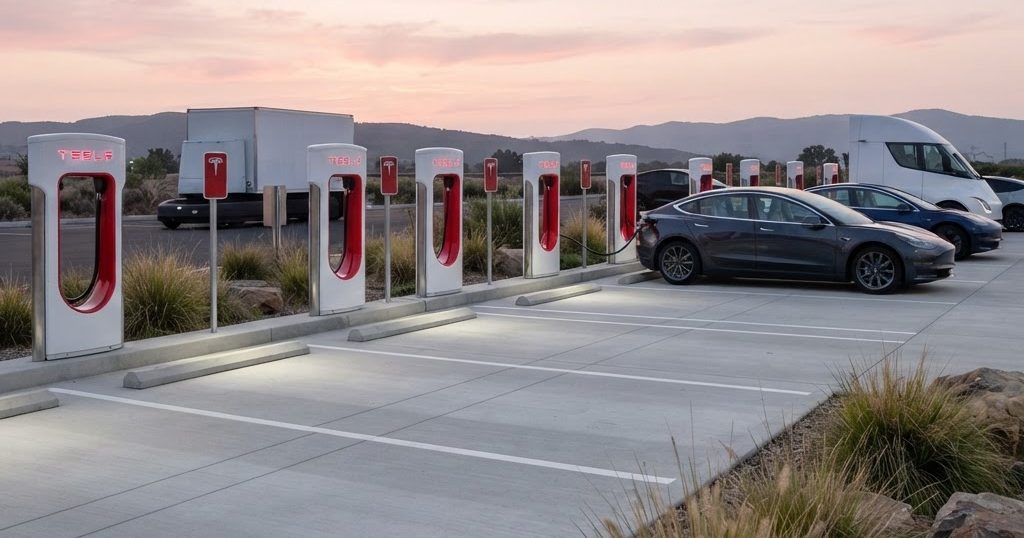
Tesla's Superchargers handled 69 million sessions in the third quarter and topped 10 sessions per stall per day, while robotaxis now show up as a customer of their own. Here is what the new figures say about using the network.
Tesla's charging team has published its scorecard for the third quarter of 2026, and the most interesting numbers are not about how many chargers were built. They are about how hard the existing ones are working, and how rarely drivers still have to queue. For the first time, the scorecard also has a line for Tesla's own robotaxis.
The key numbers
- Sessions: 69 million charging sessions between July and September, up 29% on the same quarter last year. In the second quarter it was about 60 million.
- Utilization: the average number of sessions per stall per day rose above 10 at its 2026 peak, the highest level on Tesla's chart since 2019. In the spring it was around 9.
- Waiting: only about 0.5% of drivers had to wait for a free stall, the lowest share Tesla has shown. That is roughly one visit in 200.
- Robotaxi energy: Tesla's autonomous vehicles used 7.0 GWh of electricity in the quarter, a new line in the scorecard.
- Lifetime: according to Tesla's post, the network has now delivered 28.9 TWh in total.
Busier, but with less queueing
At first sight, more sessions per stall and fewer queues sound like a contradiction. They are not. Tesla adds stalls where its data shows demand building up, so sites are sized to stay busy without overflowing. Max de Zegher, who leads Tesla's charging business, summed up the logic on X: "High utilization = affordable Supercharging." A stall that is used ten times a day earns back its cost faster than one that is used three times, which keeps prices in check.
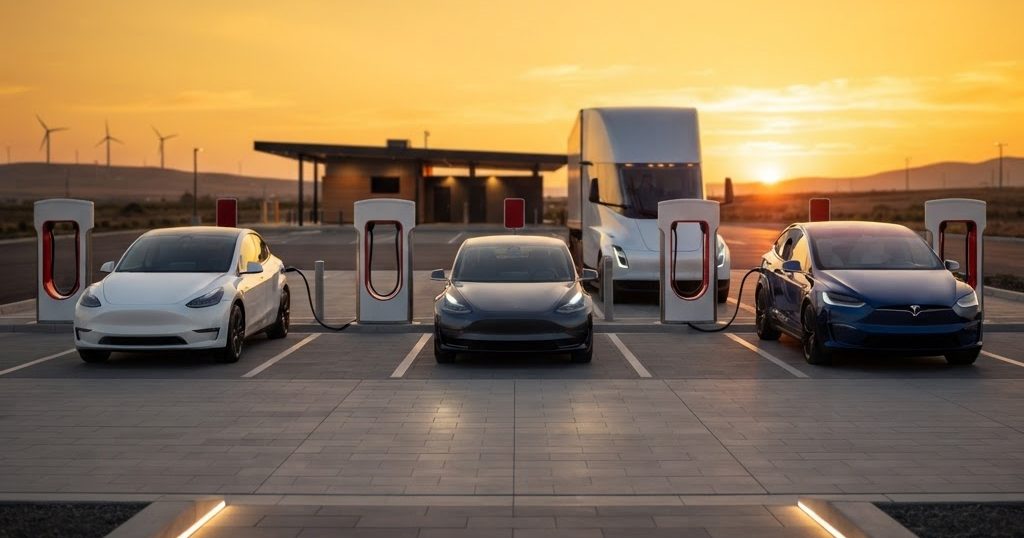
For drivers this is the part that matters most. The 0.5% wait rate is an average, so busy holiday routes and city sites on a Friday evening will still be worse. But on a normal day, the chance of arriving at a full Supercharger is now very small.
Gross versus net: why the stall numbers differ
Tesla's charging account said about 2,700 stalls were opened in the quarter. Tesla's quarterly shareholder update speaks of "over 2,100 net new" stalls and 14% growth. Both can be true: the net figure subtracts stalls that were closed, replaced or rebuilt, for example when older V2 chargers are swapped for newer hardware. At the end of September, the shareholder update counted 8,904 Supercharger stations and 84,465 connectors.
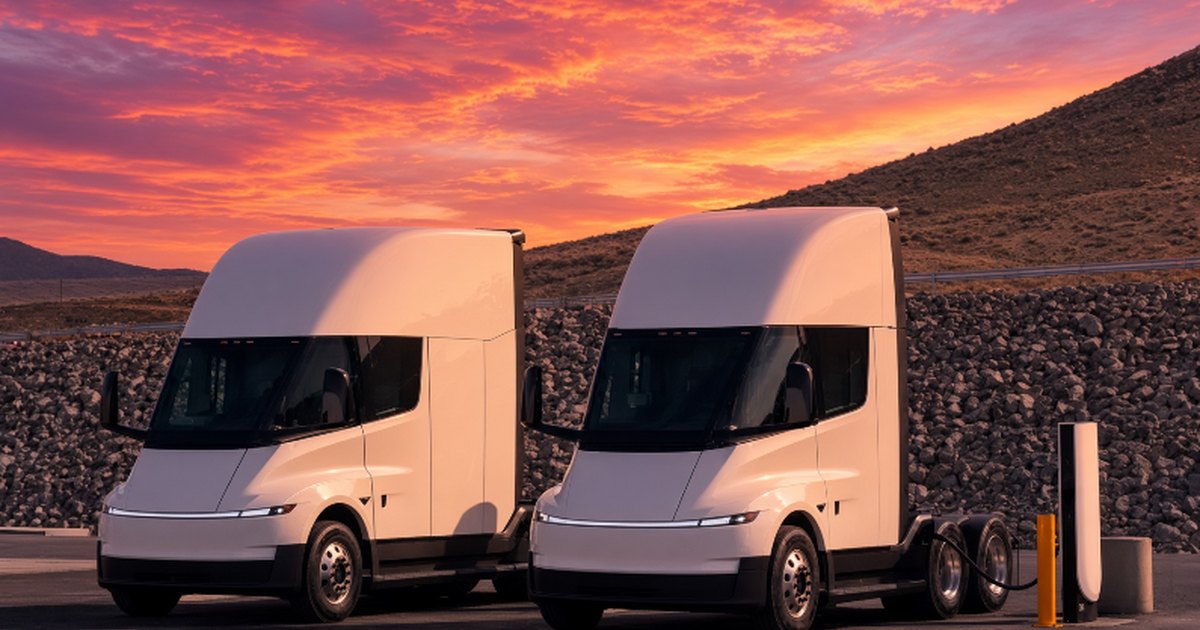
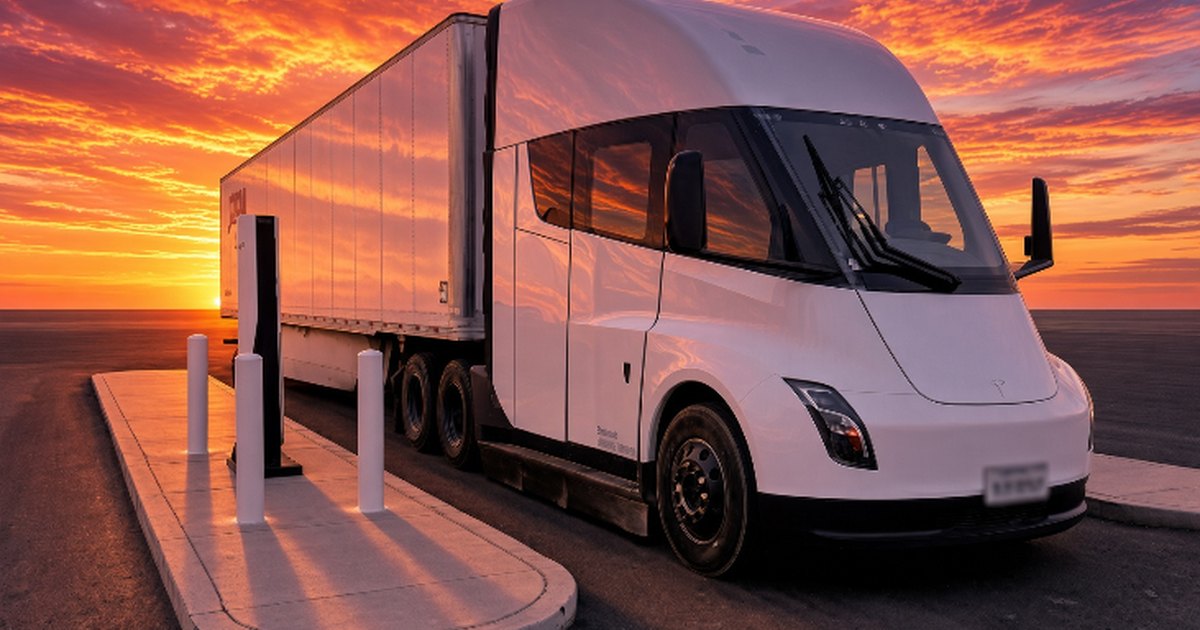
The same update mentions two smaller milestones. The Supercharger for Business program, where companies buy Tesla chargers and Tesla runs them, has grown to more than 600 stalls. And Tesla installed its first pre-assembled Megacharger for the Semi truck, following the pre-built Accordion Supercharger for cars.
Robotaxis become a charging customer
The 7.0 GWh used by Tesla's autonomous fleet is small next to the 2.4 TWh the whole network delivered in the quarter, well under 1%. But it is the first time Tesla has reported it separately, and it is a sign of what is coming. Robotaxis drive many more miles per day than private cars, and they charge at predictable hubs. Tesla has already proposed private, fleet-only Supercharger sites in Chandler and Mesa, Arizona, to support its Robotaxi service there.
That raises a fair question for ordinary drivers: will robotaxis take up stalls at public sites? For now Tesla appears to be steering its fleet towards dedicated depots, but the company has not said how it will split capacity as the fleet grows.
What to watch next
- Whether the wait rate stays this low over the US Thanksgiving and Christmas travel peaks.
- How fast the robotaxi line grows as Cybercabs join the fleet in more cities.
- More pre-assembled Accordion Superchargers and Megachargers, which should make new sites cheaper and quicker to open.