 3 min
Tesla's Megafactories explained: Lathrop, Shanghai and Texas, and their 110 GWh of Megapack capacity
Tesla now builds its Megapack grid batteries in three dedicated plants on two continents. Here is what each one does, how big they are and why the network matters.
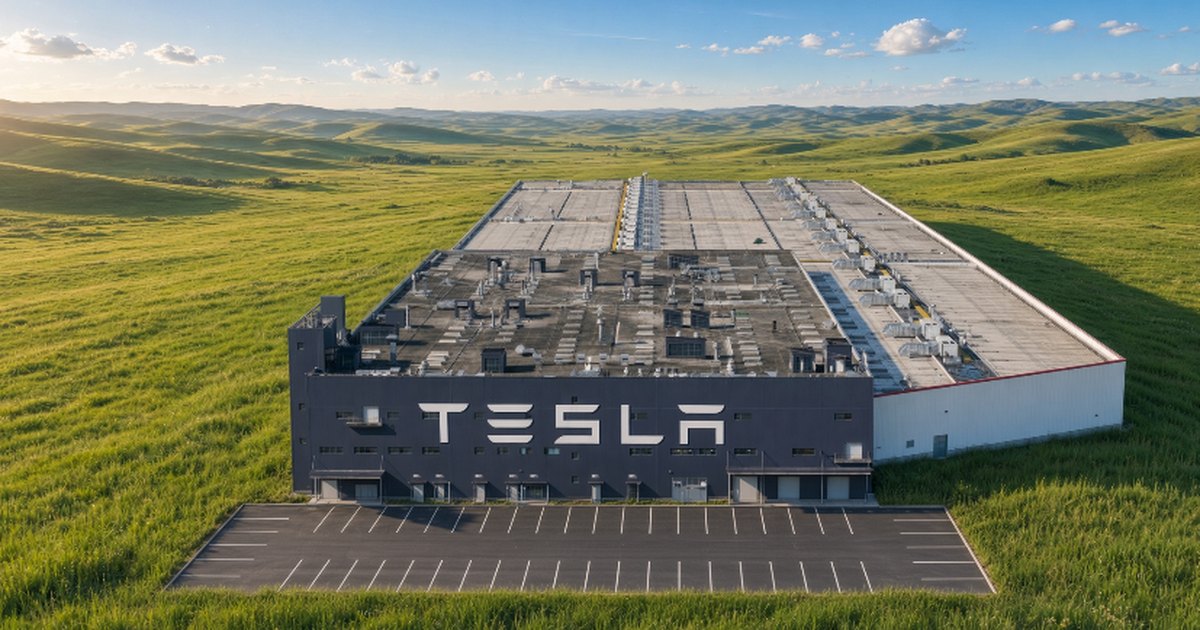
Tesla's car plants are called Gigafactories. The plants that build its large grid batteries have their own name: Megafactories. Since this summer there are three of them, in California, China and Texas. Together they can build 110 GWh of Megapacks a year, according to Tesla's latest capacity table. For comparison, Tesla deployed 13.7 GWh of storage in the third quarter of 2026, which works out to a pace of about 55 GWh a year.
The three plants at a glance
- Lathrop, California: 40 GWh a year, in production since 2022.
- Shanghai, China: 20 GWh a year, in production since February 2025.
- Brookshire, Texas (near Houston): 50 GWh a year, in production since the third quarter of 2026.
Tesla stresses that installed capacity is not the same as actual output. Equipment uptime, parts supply and factory upgrades all affect how much comes off the line. Separately, Tesla lists more than 6 GWh of Powerwall capacity in Nevada for its home batteries.
Lathrop: where it started
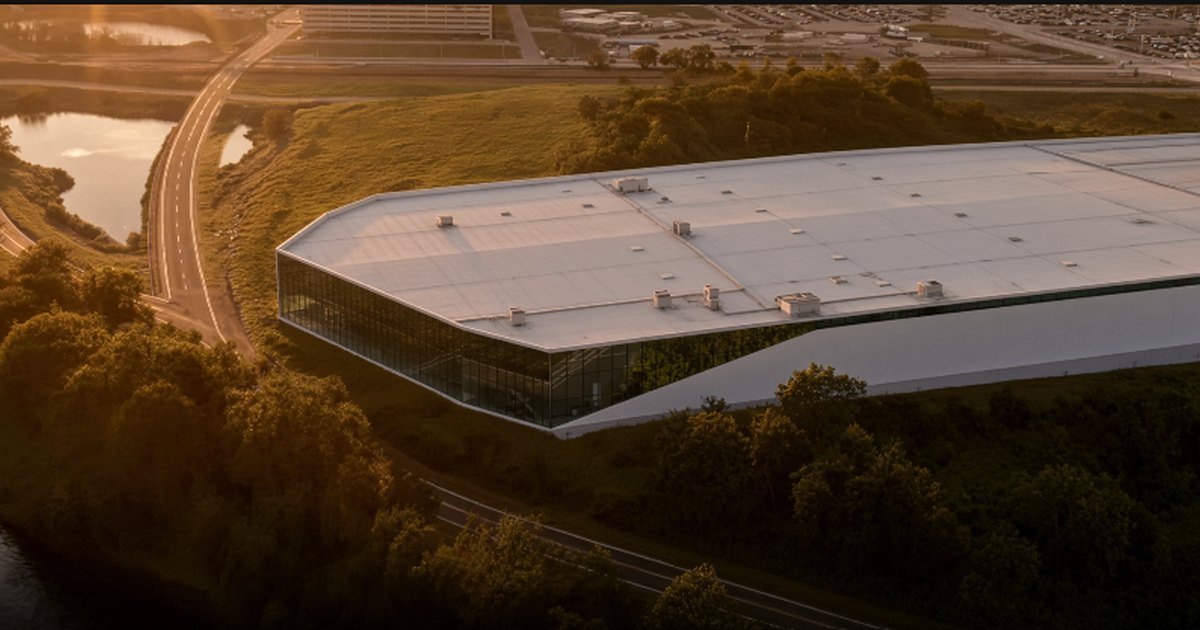
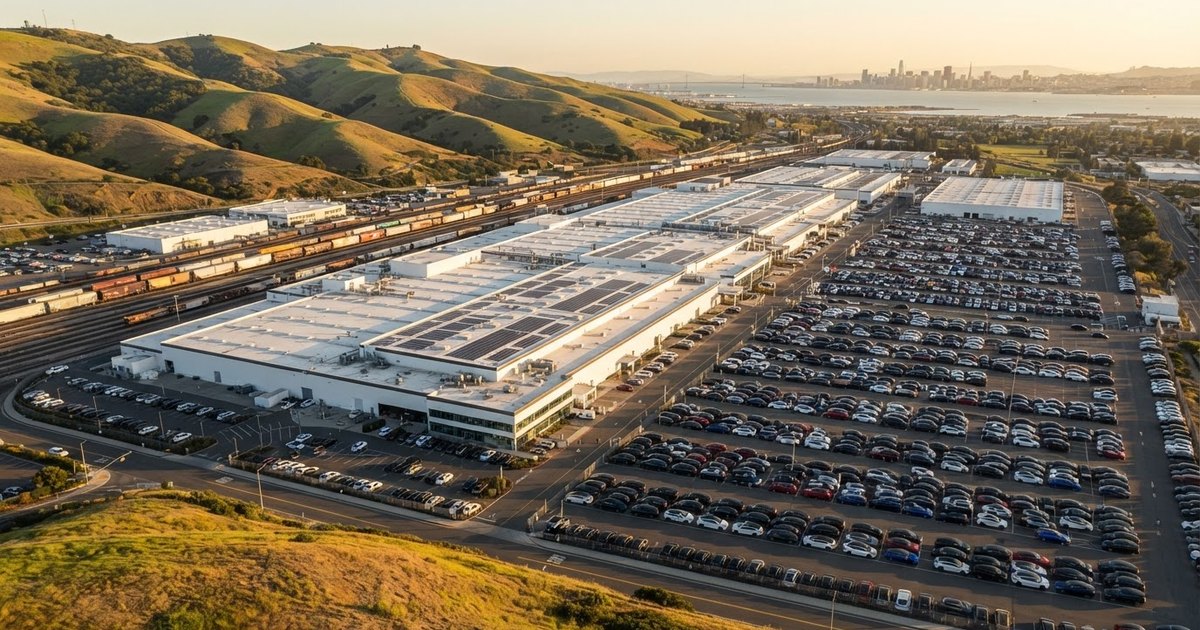
Lathrop, in California's Central Valley, was Tesla's first plant built only for Megapacks. It has been running since 2022 and reportedly passed its 10,000th Megapack in October 2024. A Tesla recruiting video in May 2026 indicated the plant was making about 200 units a week, roughly 10,000 a year, which matches its 40 GWh rating.
Lathrop also plays a role in Tesla's push to make batteries in the US. In the third quarter Tesla shipped its first Megapacks built only with its own LFP cells from its plant in Nevada. Until then, Tesla relied on outside suppliers, mostly Chinese, for the LFP cells in its Megapacks.
Shanghai: the export plant
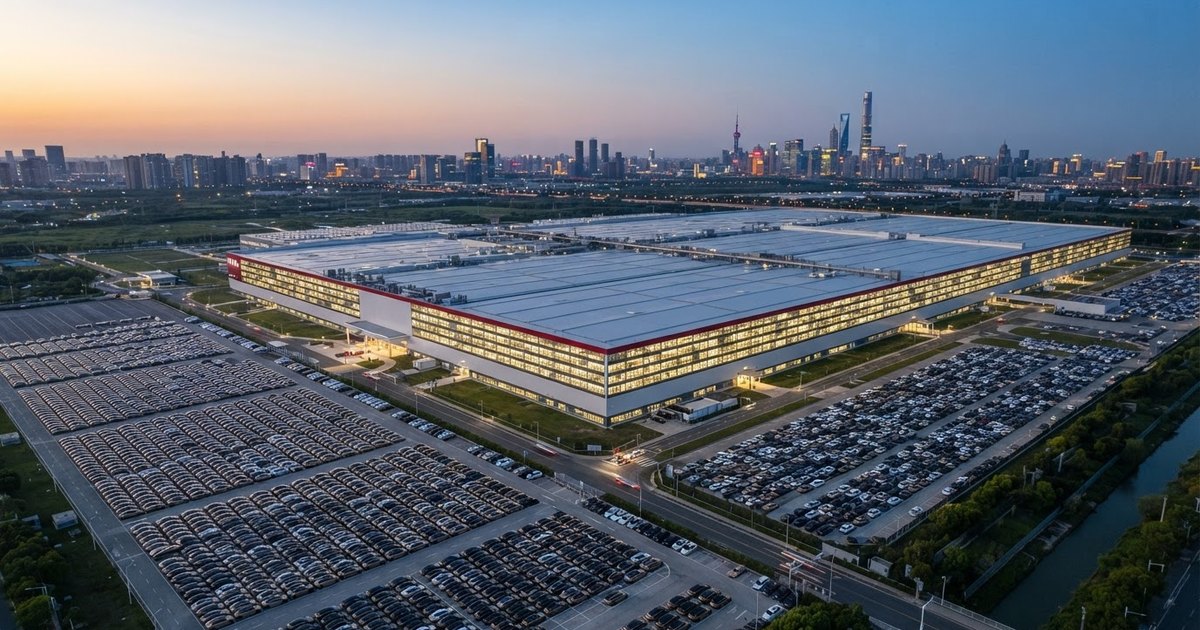
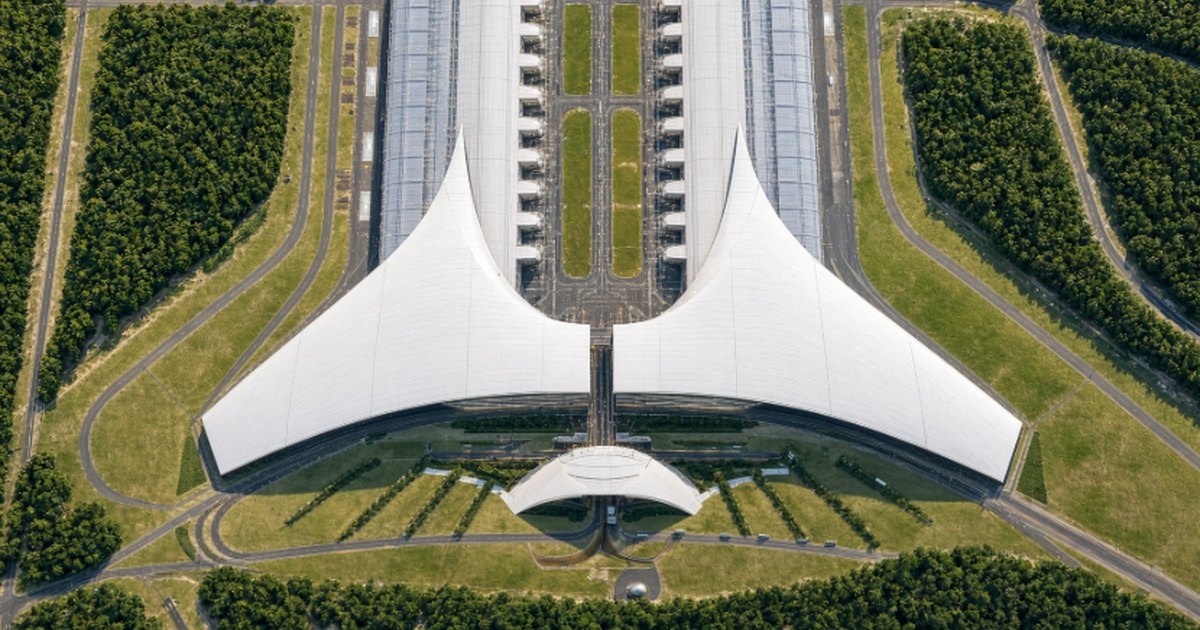
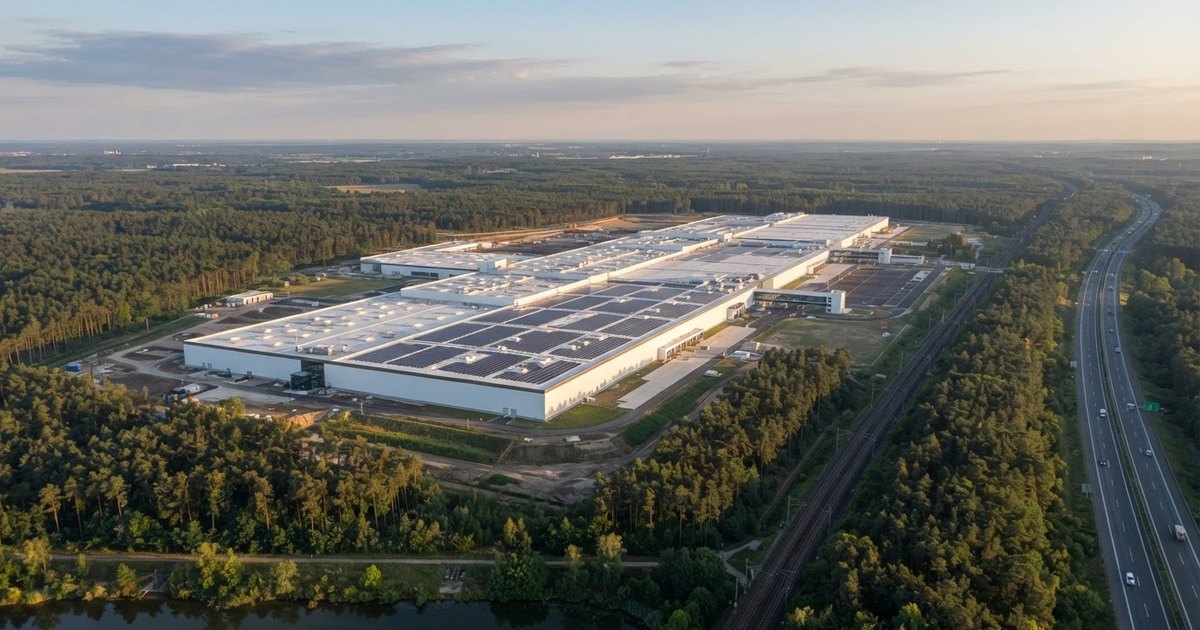
The Shanghai Megafactory is in the Lingang free trade zone, close to Tesla's car plant. It started production in February 2025 and built more than 2,000 Megapacks in its first year, at around 200 a month by the end of 2025. Most of those units were shipped abroad, mainly to Europe and Australia.
Early plans spoke of 10,000 units, or about 40 GWh, a year once fully ramped. Tesla's own table now lists Shanghai at 20 GWh, so the plant is not yet at that original target.
Texas: the newest and biggest
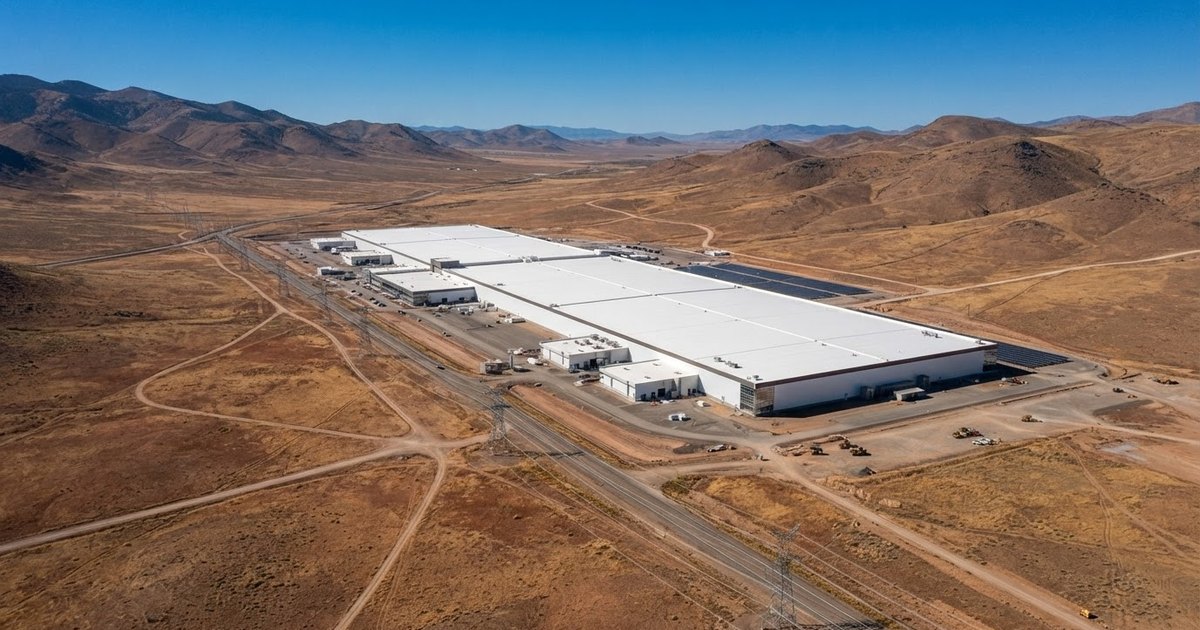
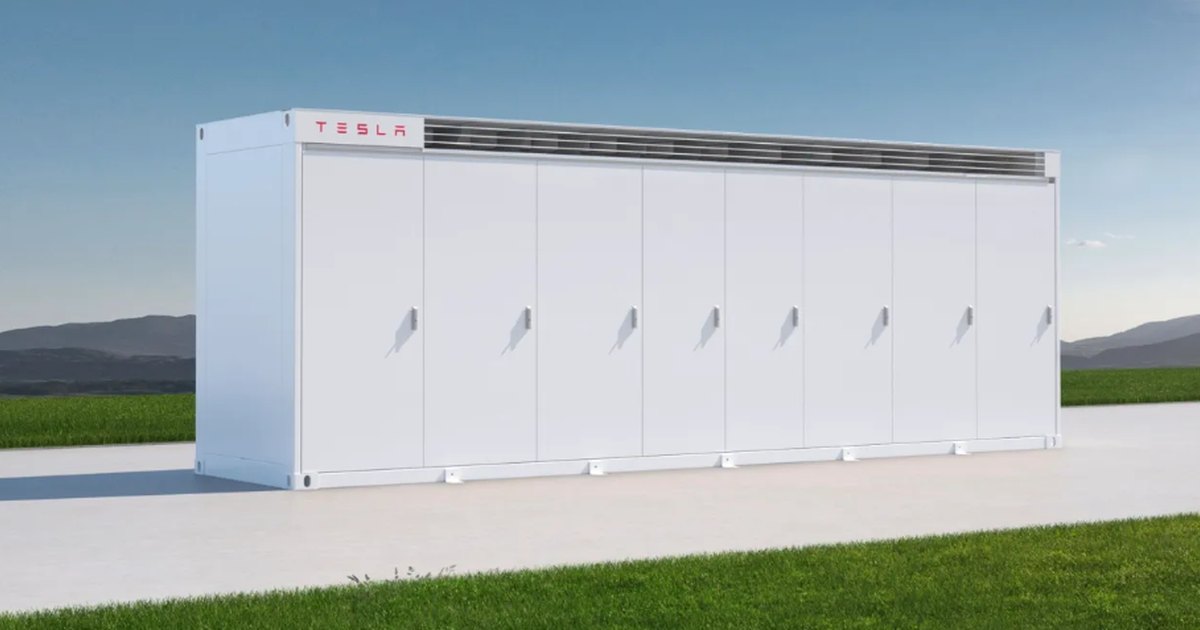
The Megafactory in Brookshire, west of Houston, began production in the third quarter of 2026. It is the first plant to build the Megapack 3, which holds about 5 MWh per unit, and it is rated at 50 GWh a year, making it the largest of the three. Megapack 3 is also the building block of Megablock, Tesla's pre-engineered 20 MWh package of four Megapacks with a transformer.
Why three plants matter
- Closer to customers: Lathrop and Texas serve the US, Shanghai serves Europe and Asia-Pacific. Shorter shipping means faster projects.
- Trade rules: US tariffs on Chinese batteries and local-content incentives make American production more valuable for US projects.
- Demand: Tesla says storage demand is increasingly tied to AI data centres, as grid limits make it harder to get enough power.
Storage is one of Tesla's most profitable businesses, but it is also under price pressure from Chinese rivals. More capacity only pays off if Tesla can keep its factories full at good prices.
What to watch next
- How fast Brookshire ramps toward 50 GWh.
- Whether Shanghai grows from 20 GWh toward its original 40 GWh plan.
- How quickly Tesla can raise the share of its own US-made LFP cells in Megapacks.