 3 min
The Mars window is opening, but Starship and Optimus are staying home: why SpaceX chose the Moon first
Musk once promised Starship would leave for Mars at the end of 2026 with Tesla's Optimus on board. That window is here and no rocket is going. What changed, and what it means for Optimus.
For years, late 2026 was circled on the calendar of every SpaceX and Tesla fan. Musk said in March 2025 that Starship would depart for Mars at the end of 2026, carrying Tesla's Optimus robot. That launch window is now approaching, and no Starship is going. Here is what changed, and what it means for Optimus.
The original plan
Earth and Mars line up for an efficient trip only about once every 26 months. SpaceX planned to use the window at the end of 2026 for its first uncrewed Mars flights. In September 2024, Musk talked about five uncrewed Starships. In March 2025, he wrote on X that Starship would leave for Mars at the end of 2026 with Optimus on board, and said human landings could follow from 2029, with 2031 more likely. The idea of a Tesla robot walking on Mars became one of the most-shared images of the Musk ecosystem.
The pivot to the Moon
On February 8, 2026, Musk announced a change of course. SpaceX's main effort would shift to building what he called a "self-growing city" on the Moon, with Mars pushed back. His argument was about speed: Mars can only be reached every 26 months and the trip takes about six months, while the Moon can be reached roughly every ten days in about two days. That allows SpaceX to test and improve much faster. Musk said work on a Mars city should still start within five to seven years.
The Wall Street Journal reported at the time that SpaceX had told investors it was aiming for an uncrewed Moon landing in the first quarter of 2027. Timelines have moved since. At a NASA presentation on October 5, the agency showed SpaceX targeting an uncrewed lunar landing before the end of 2027. NASA has turned Artemis III into a test mission in Earth orbit in 2027, with the first crewed landing now planned for Artemis IV, targeted for early 2028.
Where Starship stands
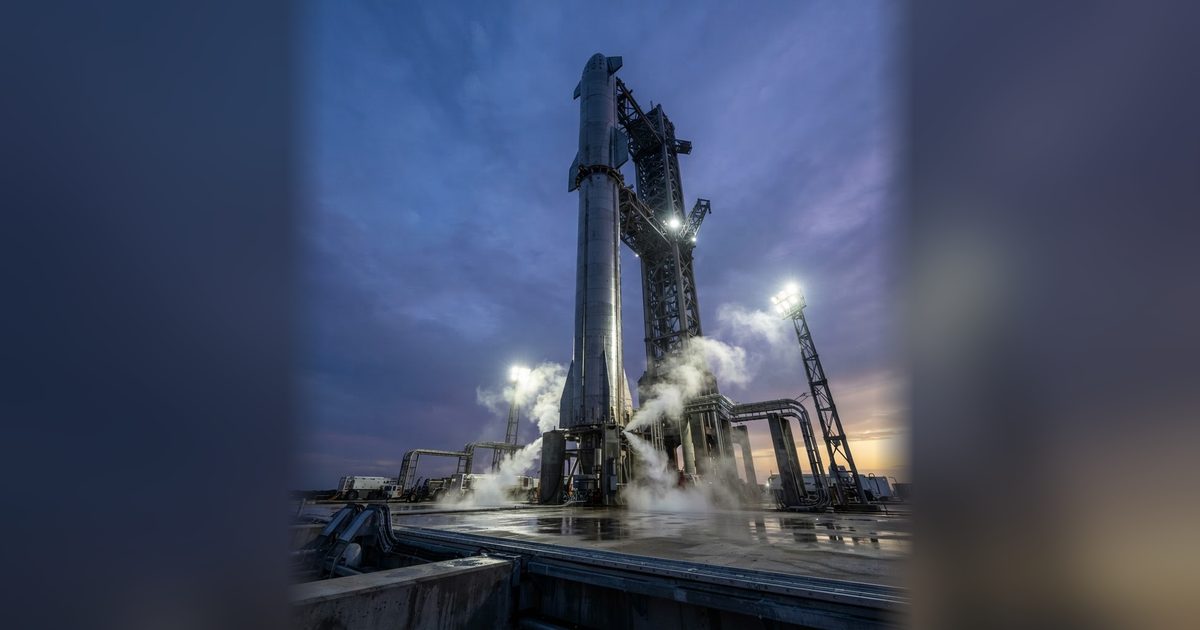
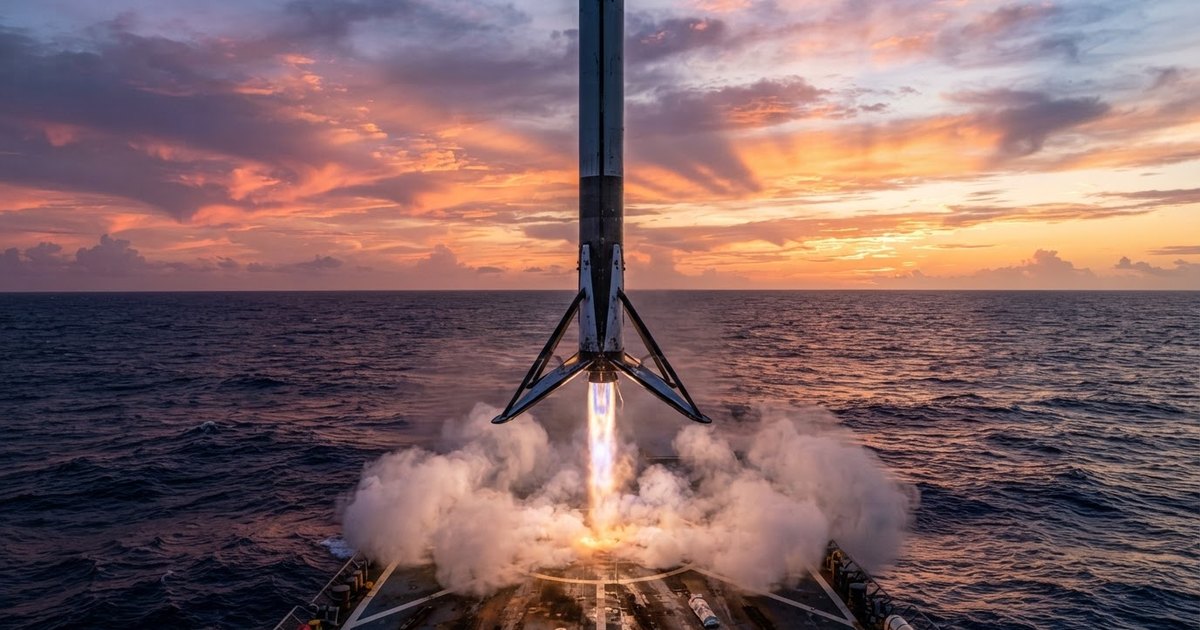
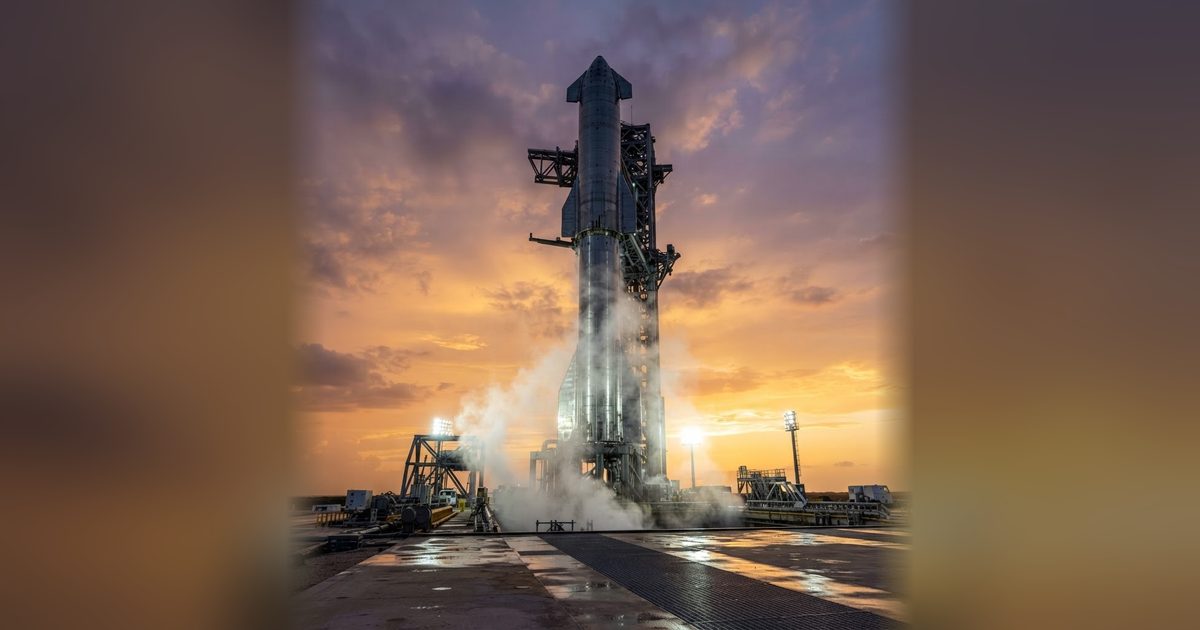
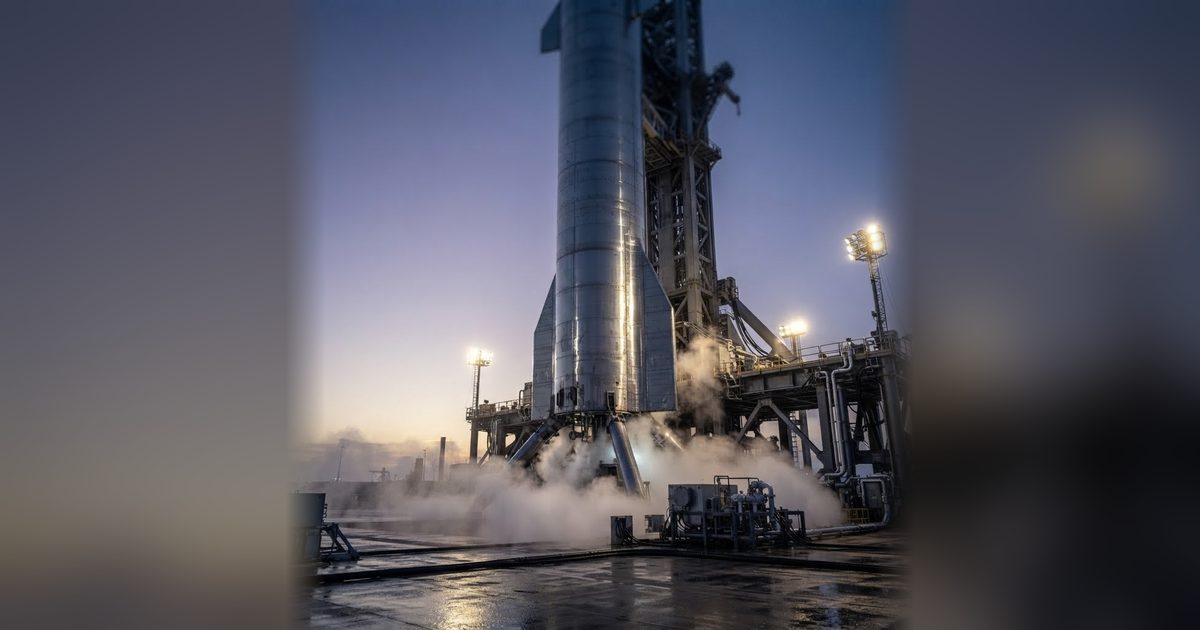
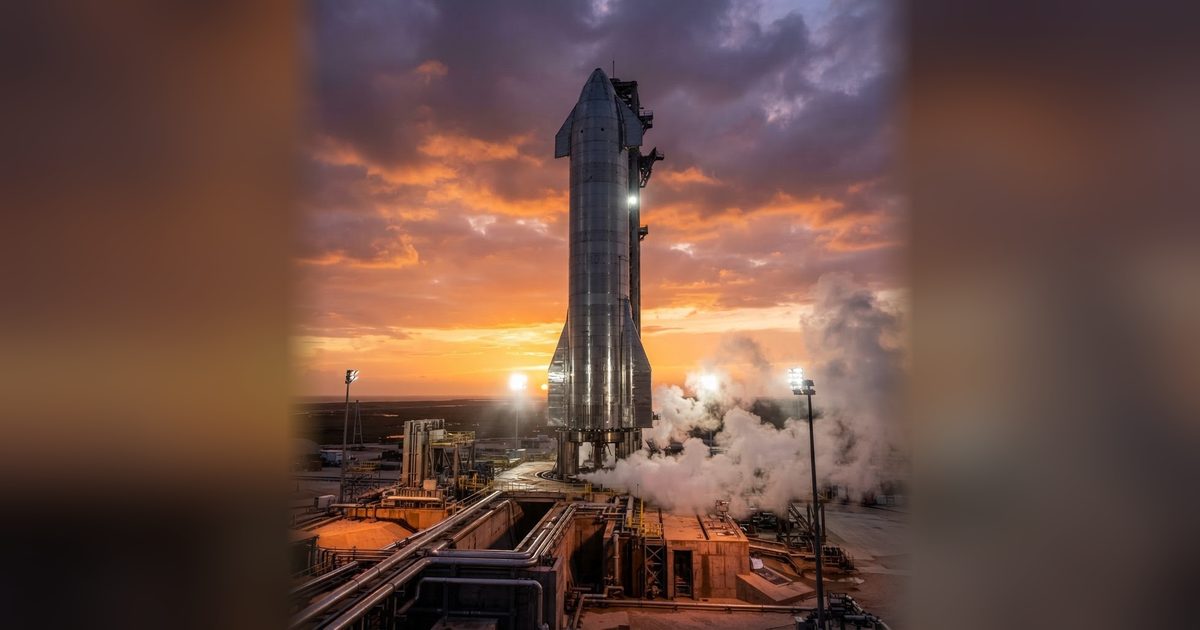
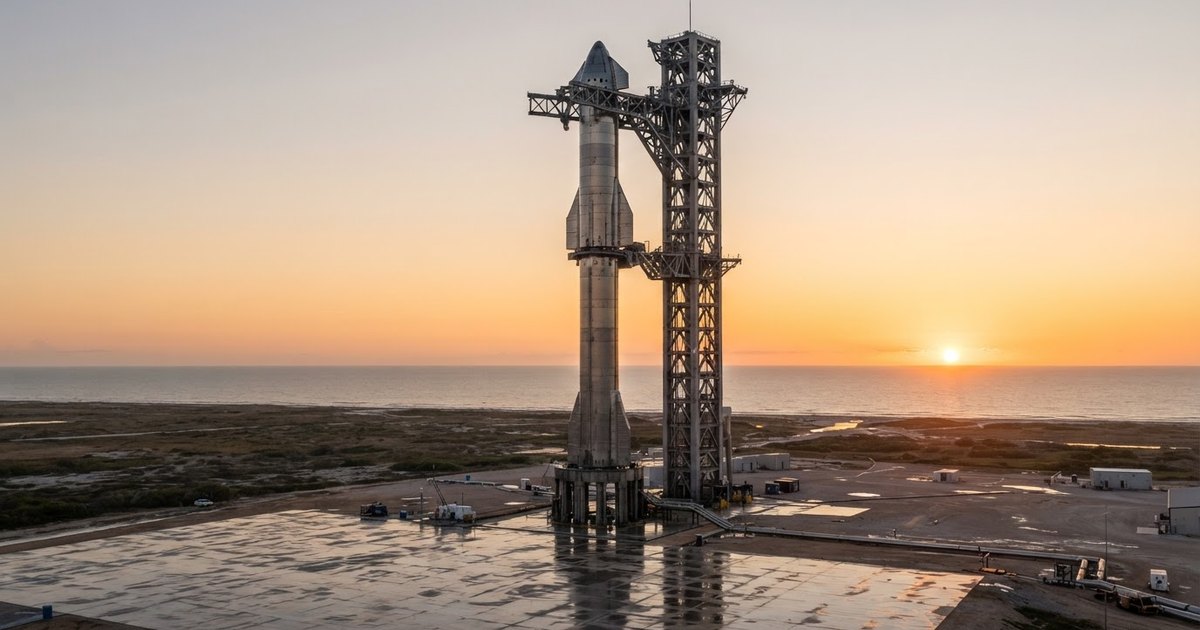
Starship has made real progress. On Flight 14 in September it reached orbit and released the first 26 V3 Starlink satellites, which SpaceX called its first revenue-generating Starship mission. Flight 15 is planned for November and will try to catch both the booster and, for the first time, the upper stage with the launch tower. But a Moon landing also requires refuelling in orbit, something SpaceX has not yet demonstrated, and a lunar mission could need around a dozen tanker flights.
What it means for Optimus
The Mars trip for Optimus has been postponed without a new date. That is not necessarily bad news for Tesla. Optimus is only now moving into production: according to Tesla, first-generation lines are being installed in Fremont, with a much larger line in Texas planned from 2027. Every robot is more useful in a Tesla factory, or with a paying customer, than on a one-way trip to Mars.
The space link has not disappeared, though. A Moon base built by robots is an obvious role for a humanoid, and Musk's Moon plan leans on robotics and local resources to build a base that can grow on its own. If SpaceX and Tesla merge, a Moon or Mars mission with Optimus would no longer be a partnership between two companies, but a project within one.
Why it matters
For Tesla shareholders, the Mars delay is a reminder that Musk's timelines are targets, not promises. It also shows that the priorities shift towards what can earn money soonest: Starlink satellites on Starship, NASA's lunar contracts, and Optimus in factories rather than on other planets.
What to watch
The Flight 15 catch attempt in November, the first orbital refuelling test, and any sign of a role for Optimus in SpaceX's Moon plans. The next Mars window opens about 26 months after this one, around the turn of 2028 and 2029.