 3 min
Tesla's factories can build 2.5 million cars a year. In Q3 they ran at a pace of about 1.86 million
Tesla's latest capacity table shows room for more than 2.5 million vehicles a year, after Giga Texas got a bigger Model Y rating. Actual output is well below that, and most of the spare room sits outside China. Here is the plant-by-plant picture.
Every quarter, Tesla publishes a small table that says how many vehicles each of its factories is equipped to build in a year. The third-quarter 2026 version, released with the results on October 21, adds up to more than 2.5 million cars. Production in the same quarter was 464,391 vehicles, which is a pace of about 1.86 million a year. The gap between those two numbers says a lot about where Tesla stands.
The capacity table, plant by plant
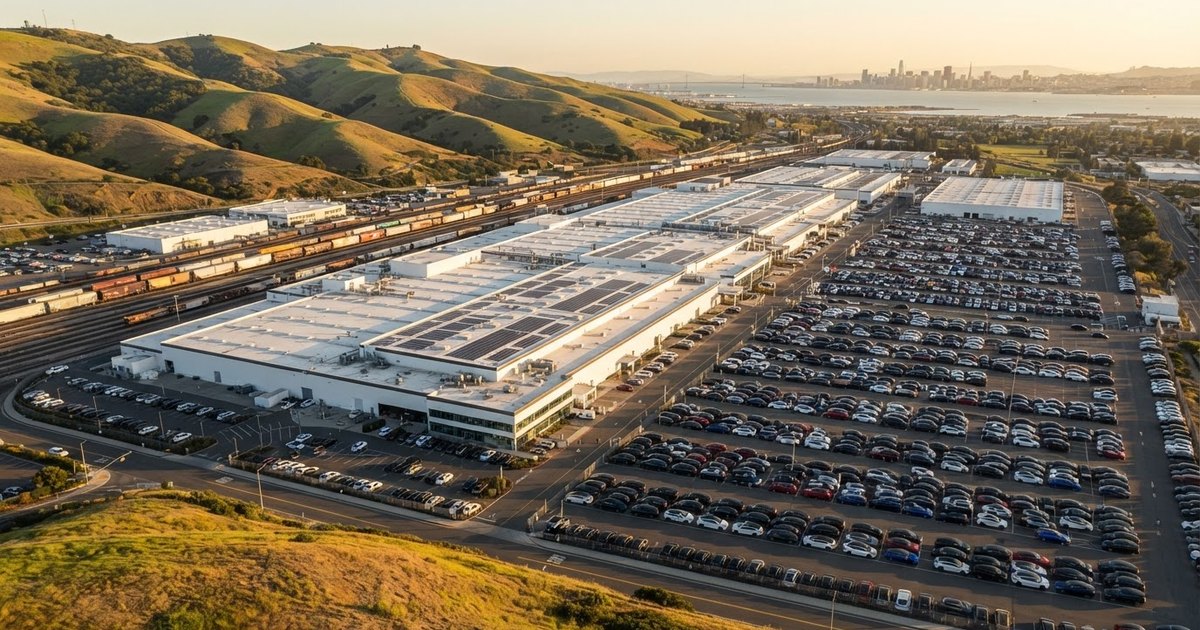
- Fremont, California: Model 3 and Model Y, more than 550,000 a year.
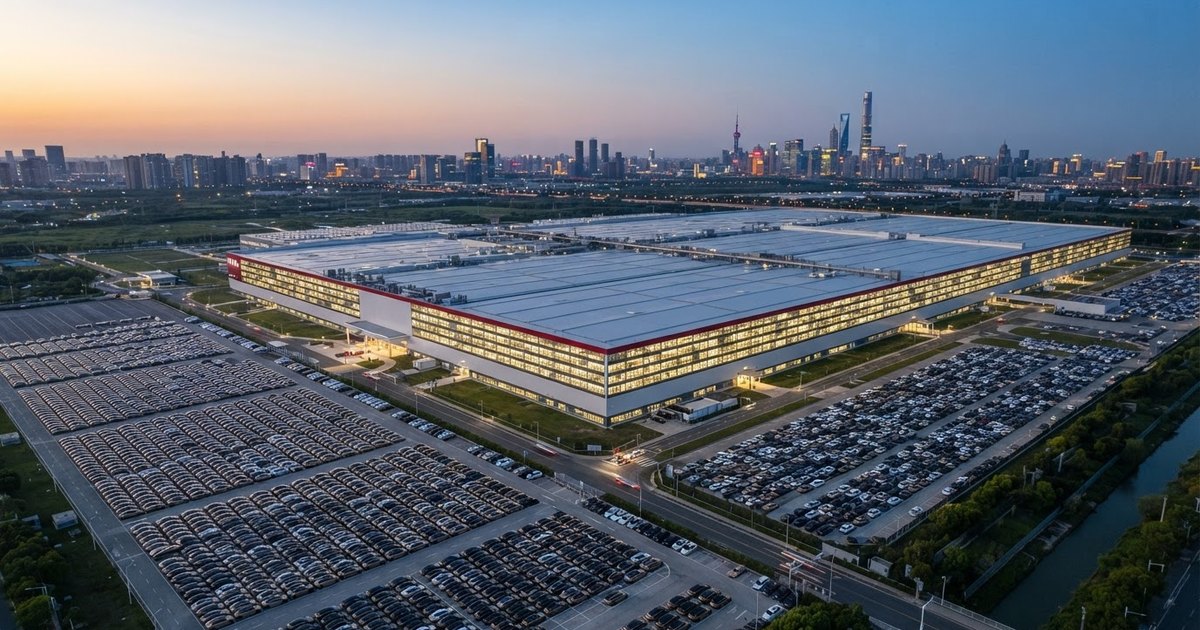
- Shanghai: Model 3 and Model Y, more than 950,000.
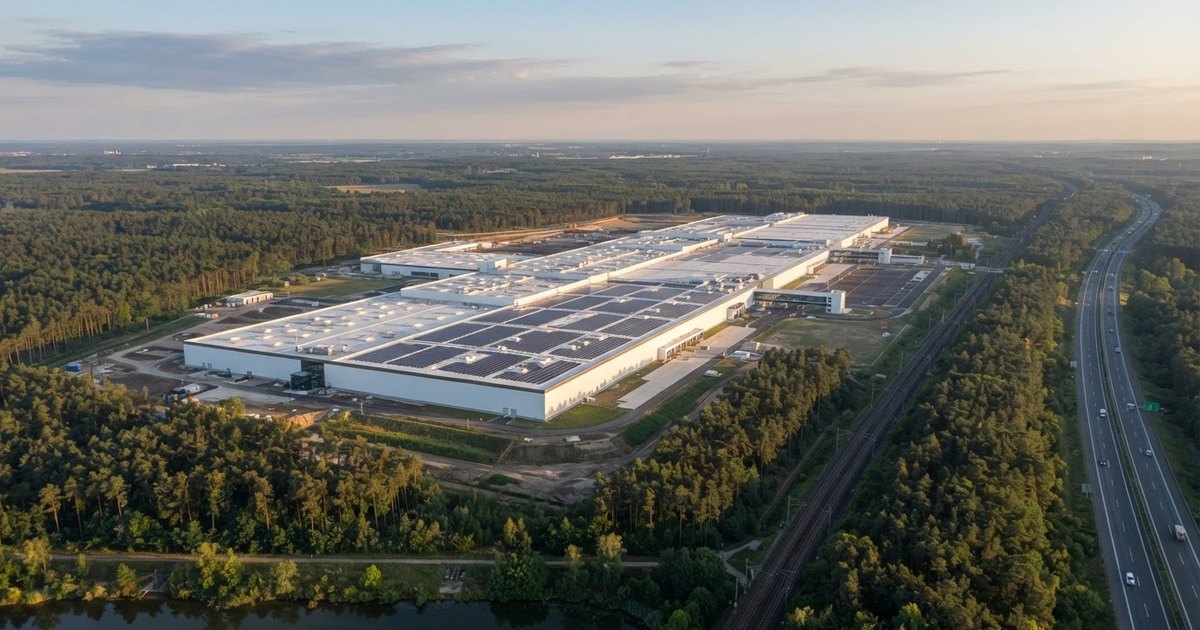
- Berlin: Model Y, more than 375,000.
- Texas: Model Y, more than 375,000, up from more than 250,000 in the previous quarter's table.
- Texas: Cybertruck, more than 125,000.
- Texas: Cybercab, more than 125,000.
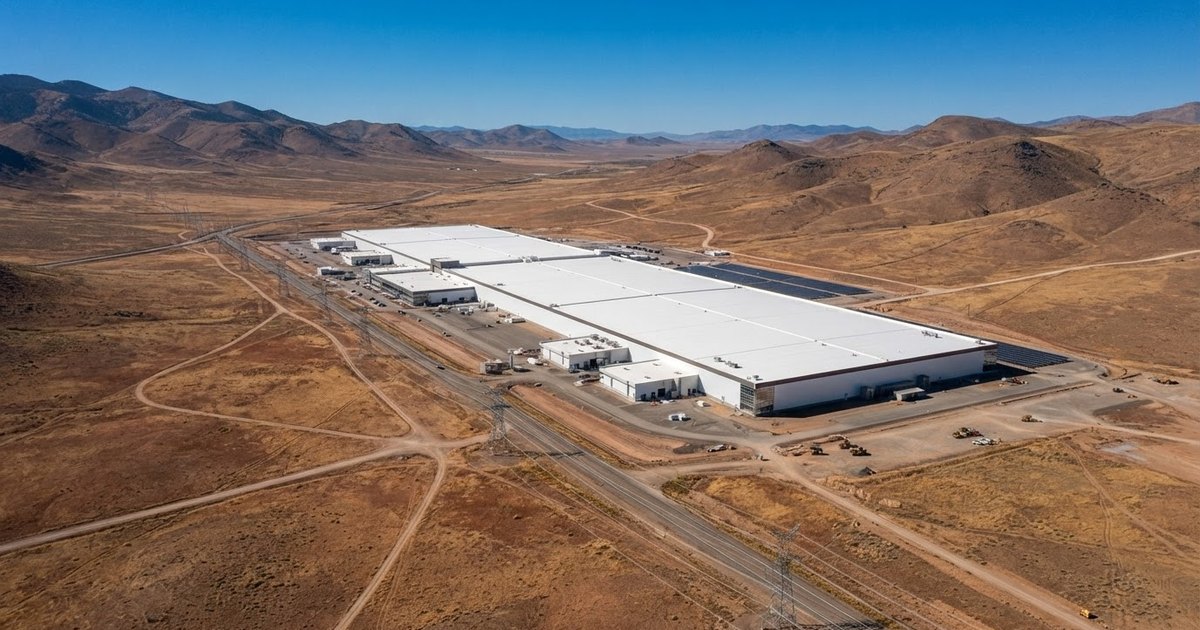
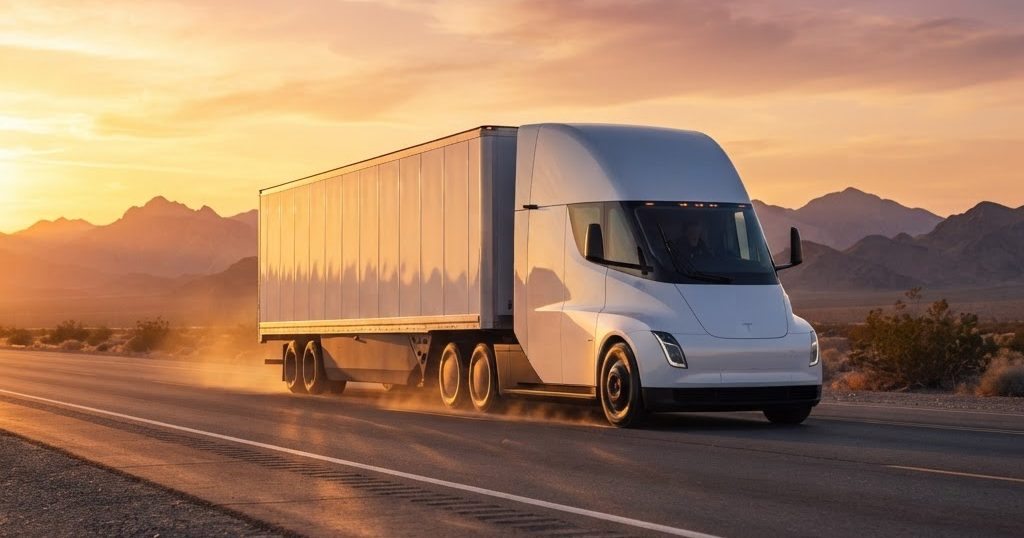
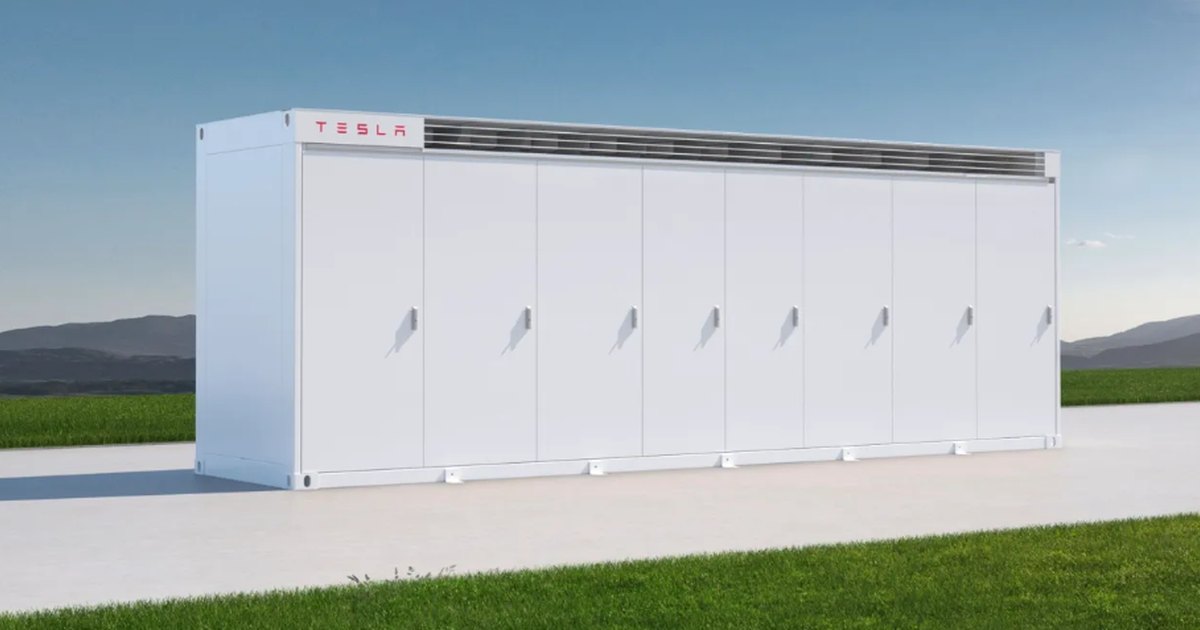
- Nevada: Tesla Semi, 25,000, now listed as in production.
Tesla stresses that installed capacity is not the same as the current production rate: equipment uptime, parts supply and factory upgrades all limit how close a plant gets to its rating. The "more than" also means the true ceilings may be a bit higher.
Where the spare room is
Tesla does not publish output per factory, but there is one useful clue. China's car association CPCA reported that Giga Shanghai sold 275,111 vehicles wholesale in the third quarter, including exports. That is a pace of roughly 1.1 million a year, above the plant's listed rating. In other words, Shanghai is running flat out.
Subtracting Shanghai from Tesla's total leaves roughly 189,000 vehicles for Fremont, Berlin and Texas combined, or about 760,000 a year. Those three sites have listed capacity of about 1.55 million. Wholesale figures and production are not measured in exactly the same way, so this is only a rough estimate, but it suggests the plants outside China ran at around half of what they are equipped for.
Some of that gap is easy to explain. The Cybertruck line was built for 125,000 trucks a year, but "other models" production, which is now mostly Cybertruck after the Model S and Model X ended, fell 40% from a year ago to 7,004 vehicles in the quarter. The Cybercab line is new, and Cybercabs placed in Tesla's own robotaxi fleet are not counted as cars sold to customers. Berlin, on the other hand, set a production record in the quarter.
Batteries, not demand, are the brake
Unusually, Tesla says the bottleneck is not buyers. It reported its largest order backlog for passenger cars in four years and record deliveries in Canada, Australia, Japan and Taiwan. Deliveries of 486,532 were higher than production, and inventory fell to 11 days of supply from 15 in the second quarter.
Tesla's explanation is that battery availability "continued to be the limiting factor" for car output. That is why the company is pushing its own cell, cathode and lithium plants, and why it says it will make better use of existing factories before building new ones.
Why it matters
For investors and buyers alike, the table shows that Tesla does not need a new factory to grow. If cell supply catches up, the plants in Fremont, Berlin and Texas could add hundreds of thousands of cars a year with machines that are already installed. The higher Model Y rating in Texas fits that picture: Giga Texas is also home to Tesla's 4680 cell lines and its new cathode plant, so it is likely the first place where extra battery supply turns into extra cars.
What to watch next
- Fourth-quarter production: does the gap with deliveries close as battery supply improves?
- Whether Texas actually moves towards its higher Model Y rating.
- The first Cybercab output numbers, and whether Tesla starts reporting them separately.