 3 min
SpaceX wants a million AI satellites in orbit: why most Terafab chips, and Tesla's AI7, are meant for space
SpaceX has filed for up to one million computing satellites and shown its first design, AI1. Here is the plan, the obstacles, and how Terafab and Tesla's chip roadmap tie into it.
SpaceX wants to put AI data centres in orbit, and it wants a lot of them. The company has asked the US Federal Communications Commission (FCC) for permission to launch up to one million computing satellites, and Musk has shown the first design, called AI1. It sounds far removed from cars, but the plan is closely tied to Tesla: most of the chips from Terafab, the chip factory Tesla and SpaceX plan to build in Austin, are meant to end up in space.
The plan in numbers
- The filing: in January 2026, SpaceX applied to the FCC for a constellation of up to one million satellites at altitudes between 500 and 2,000 kilometres, powered almost entirely by sunlight and cooled by radiating heat into space. Data would travel to the ground over laser links through the Starlink network.
- The first satellite: in a video in June, Musk showed AI1, a satellite with solar wings spanning about 70 metres and roughly 120 kilowatts of average computing power. Musk said its computing power would equal a rack of Nvidia's GB300 chips, and the first versions are expected to use Nvidia hardware.
- The timeline: SpaceX's IPO filing said orbital data centres could be deployed "as early as 2028". In August, Musk said SpaceX is targeting the fourth quarter of 2027 for a first launch, as a proof of concept rather than a paying service.
Why put computers in space at all?
Large AI data centres need enormous amounts of electricity, and power grids on Earth are struggling to keep up. In orbit, solar panels get almost constant sunlight, and there are no permits for land, turbines or power lines. Musk argued in February that within two to three years, space would be the cheapest place to generate AI computing power.
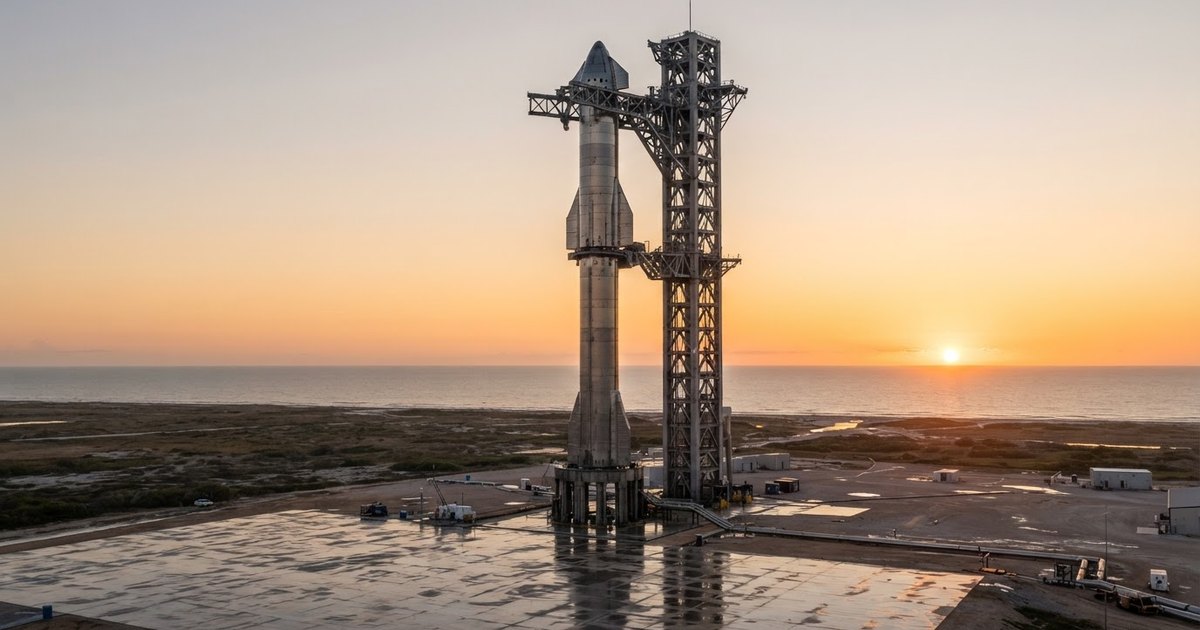
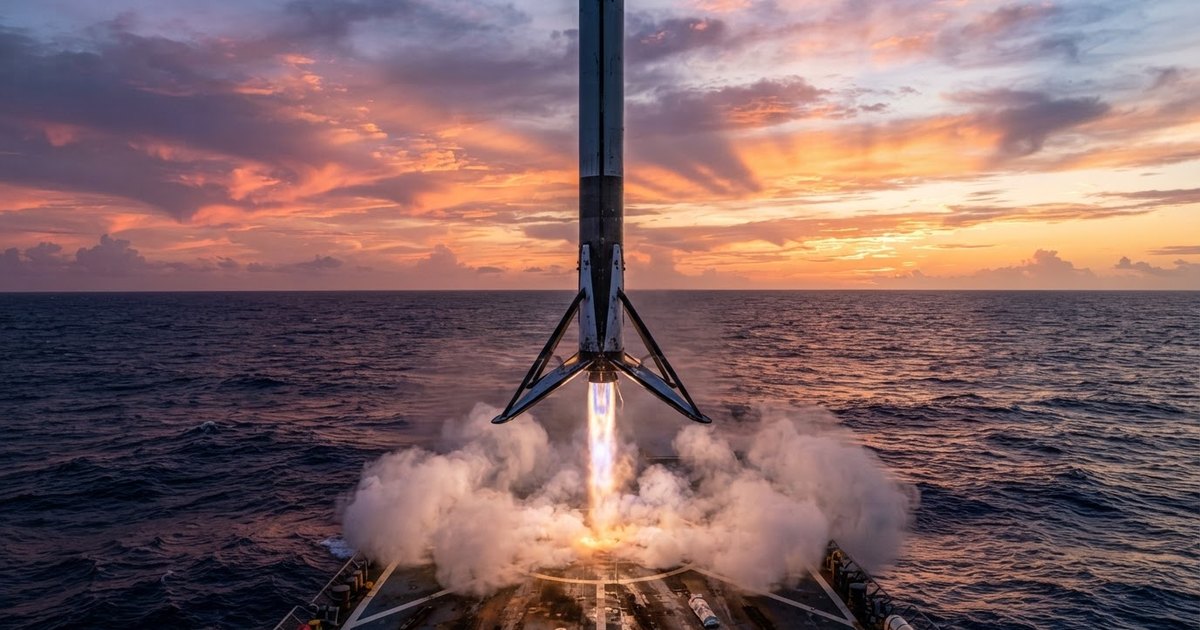
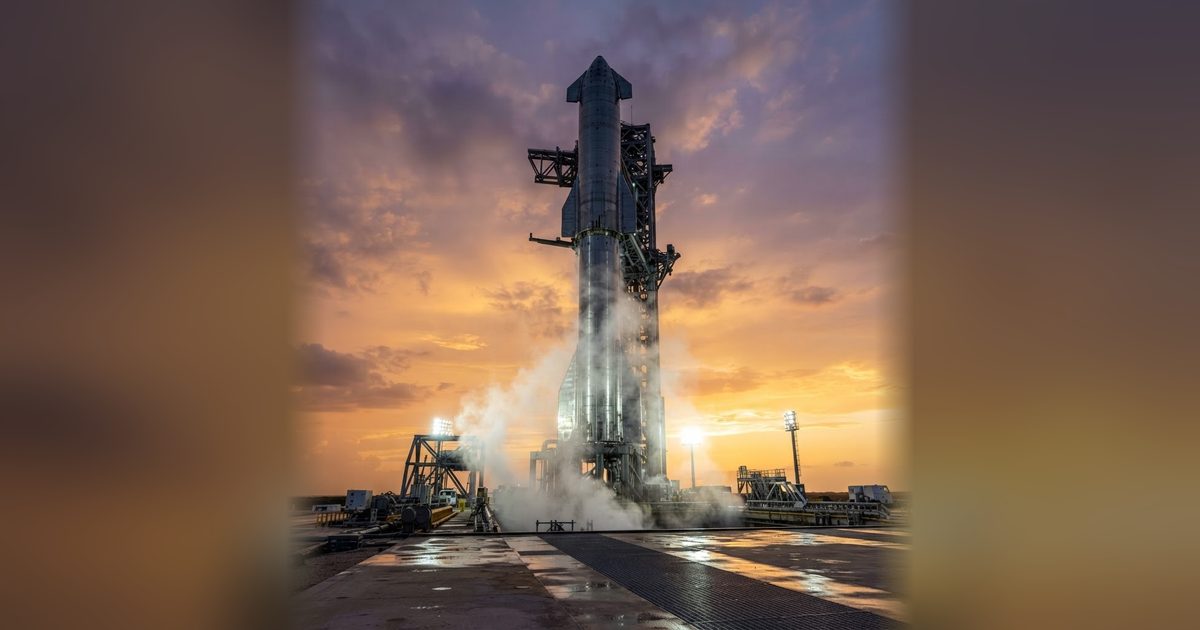
The obstacles are serious, though. Cooling is hard in a vacuum, where heat can only be shed by radiation. The satellites are expected to last about five years, far shorter than a data centre on the ground. And the economics depend on Starship becoming a cheap, fully reusable rocket, which it is not yet: the next test flight, Flight 15, is planned for November and will try to catch the upper stage for the first time. Research firm SemiAnalysis estimated that computing in orbit is currently more than four times as expensive as on the ground.
The Tesla connection: Terafab and AI7
When Musk presented Terafab in March 2026, he said about 80% of its computing output would be for AI satellites in space and about 20% for uses on the ground, such as Tesla's cars, Cybercab and Optimus robots. Terafab is meant to be two separate fabs, each making one chip design, with the space chips built to cope with harsher conditions and higher temperatures.
Tesla's own chip roadmap points the same way. In January, Musk said Tesla would restart Dojo, its in-house AI chip project, and that "AI7/Dojo3" would be for space-based AI computing. The current AI5 chip is meant for cars and Optimus. On Tesla's first-quarter call, Musk added that SpaceX would take care of the initial phase of a scaled-up Terafab, and that any arrangement between the companies must be approved by both boards.
Why it matters for Tesla shareholders
If the plan works, Tesla's chip design team could end up supplying one of the largest computing projects ever attempted, but much of the value would sit at SpaceX, which owns the satellites, the rockets and the AI business. That is one more reason the two companies are studying a merger. For now, the space chips are a long-term idea, while Tesla's near-term chip priorities are AI5 for its cars and robots. SpaceX's terrestrial data centres, meanwhile, run on Nvidia hardware.
What to watch
The Starship Flight 15 attempt in November, any FCC decision on the one-million-satellite request, progress on building Terafab in Austin, and whether a first orbital computing satellite really launches in late 2027.
Sources (4)
- DatacenterDynamics — SpaceX files for million-satellite orbital AI data center megaconstellation
- VKTR — SpaceX and Nvidia plan to put AI data centers in orbit by late 2027
- electrive — Tesla and Musk companies plan chip production
- TechCrunch — Musk says Tesla's restarted Dojo3 will be for space-based AI compute