 4:47
Tesla Robotaxi now runs until 2 a.m., adding trip sharing, Calm Mode, a live rear camera and Grok in Model Y
Tesla's driverless ride service now operates from 6 a.m. to 2 a.m., 20 hours a day. The update also adds features aimed at night riders, but Tesla has not said which cities get the new hours.
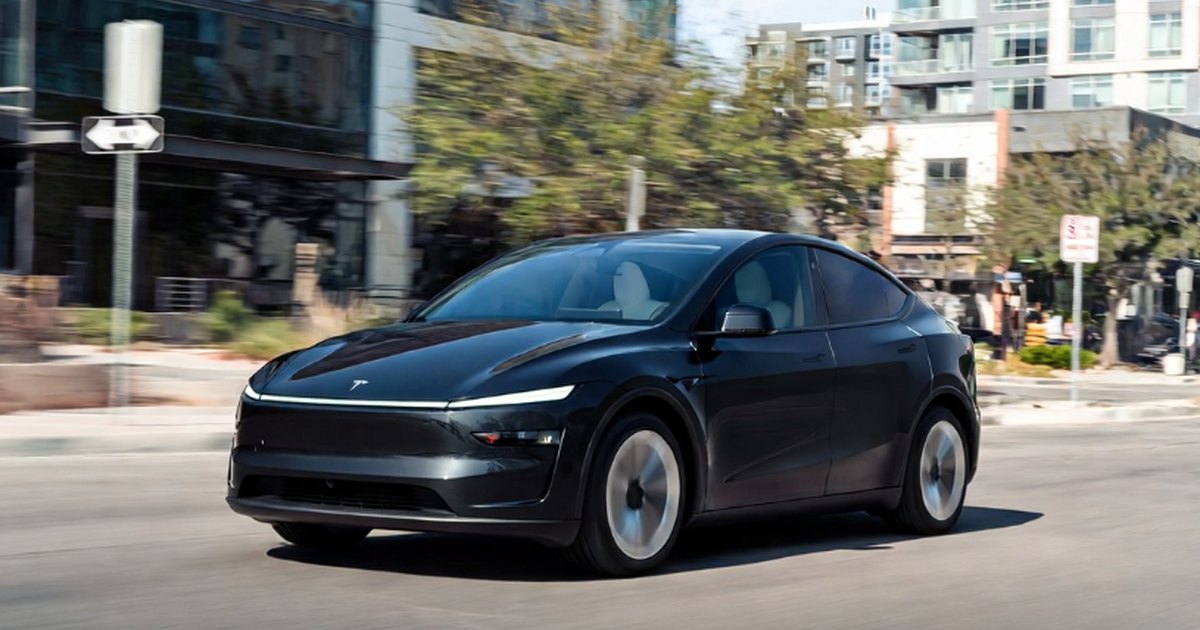
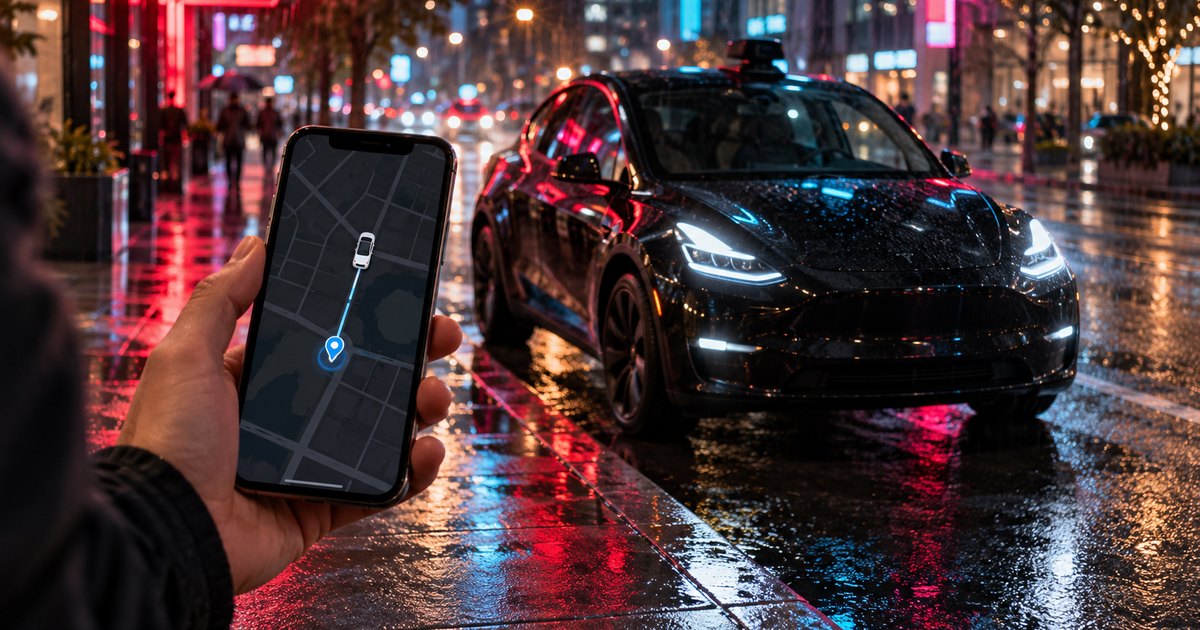
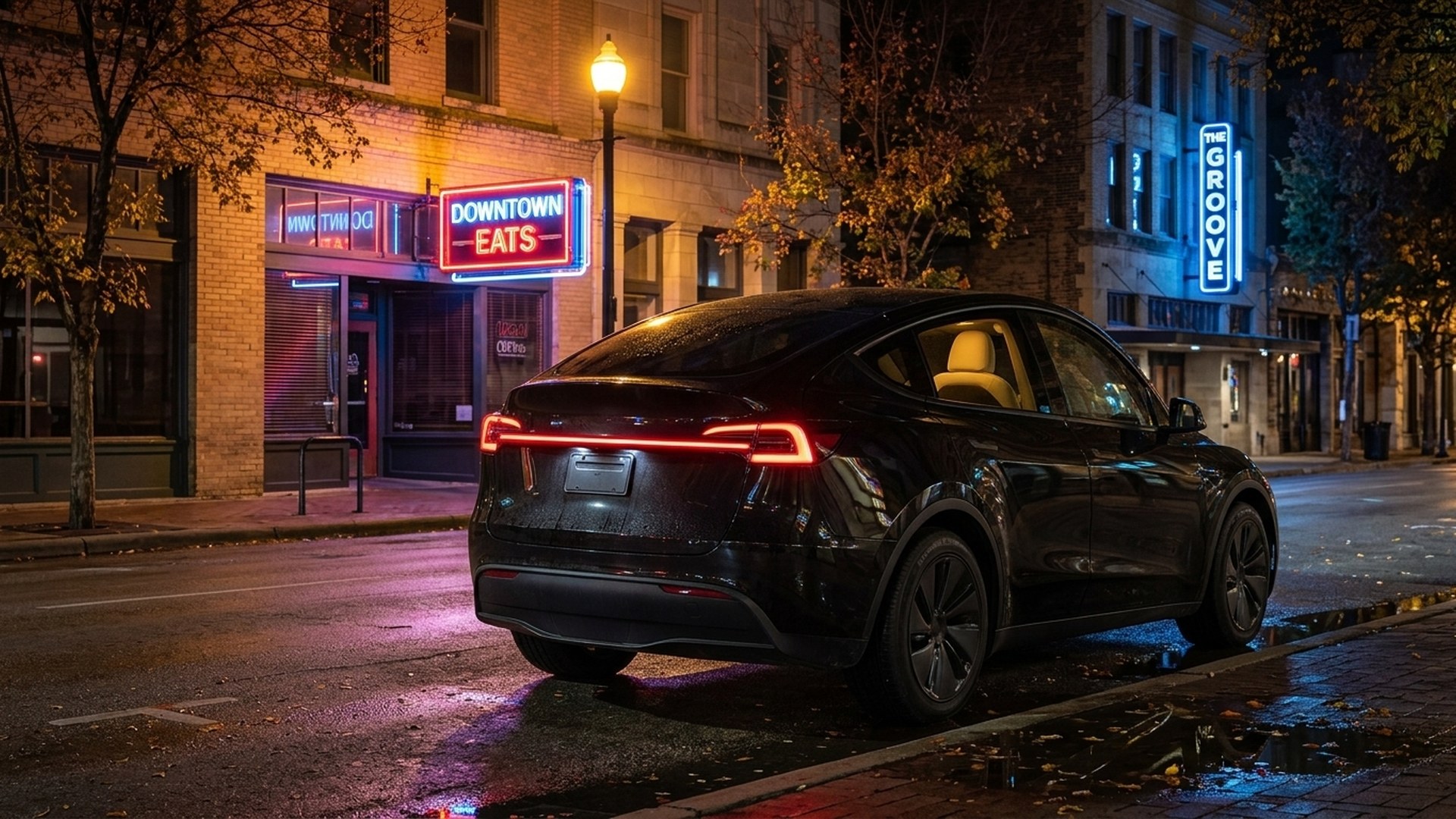
Tesla's Robotaxi service now runs from 6 a.m. to 2 a.m., local time. The official Robotaxi account announced the new hours late on Thursday, October 29, together with a batch of app and in-car updates: a live rear camera view during the ride, trip sharing with a friend, a redesigned Live Activity on the phone's lock screen, a Calm Mode for the cabin and Grok in the Model Y robotaxis. That means the driverless cars are now available 20 hours a day. It also means more rides at the time of day when riders are most likely to be tired, alone or uneasy in a car with nobody at the wheel.
So what changes for riders at night?
Mostly features that give riders comfort and peace of mind. According to the Robotaxi account's post, as summed up by TeslaNorth, the update brings:
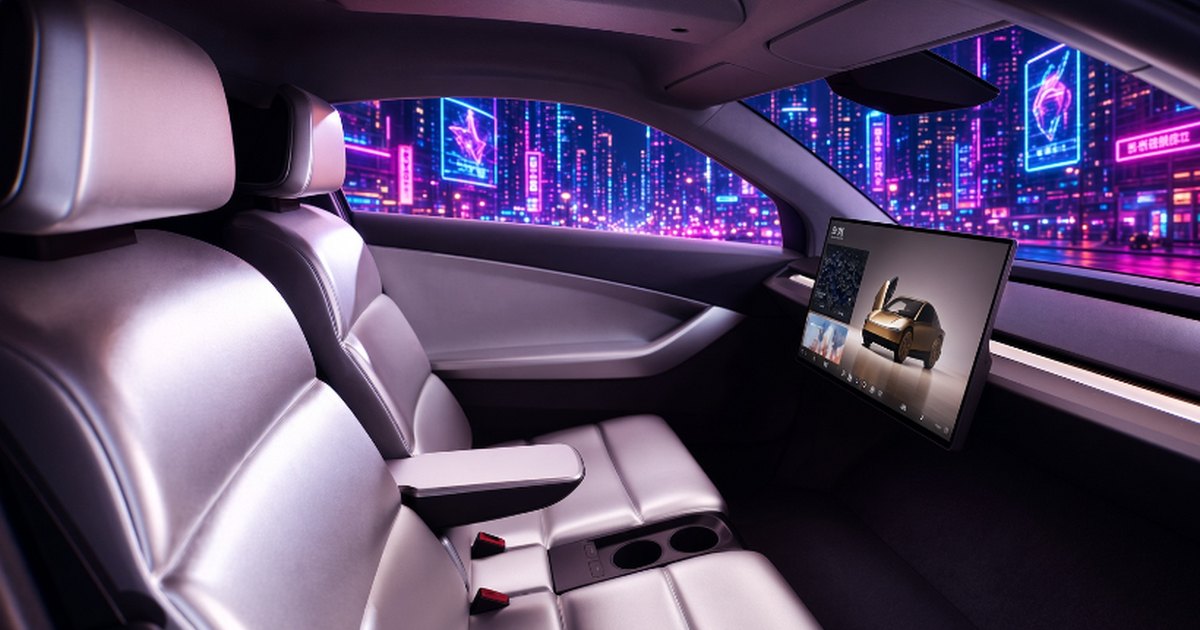
- Rear camera view: passengers can watch the rear camera feed while the car is driving. It first appeared in the Cybercab a week ago, and the post now lists it as a feature for all riders.
- Share: riders can send their trip details to a friend, a feature ride-hailing users know from other apps and one that matters most at night.
- Live Activity: a redesigned status view on the phone's lock screen, so riders can follow the car without opening the app.
- Calm Mode: dims the centre screen and sets the cabin lighting to a relaxing state. A rider in Dallas filmed a dark-screen version of this in a Model Y robotaxi on Thursday night, Teslarati reports.
- Grok: xAI's chatbot is now available in the Model Y robotaxis. It was already built into the Cybercab.
- Accessibility: a better arrow to find the car, haptic feedback on the phone and music control through the screen reader.
Tesla has not published separate release notes, so these details come from the post and from riders. The new features fit the late hours well, but the hours themselves did not arrive overnight.
How did Tesla get from 10 p.m. to 2 a.m.?
Step by step, in about two months. In late August, Robotaxi rides in Austin ran from 6 a.m. to 10 p.m. Early in October the cut-off moved to 11 p.m., and around October 17 it moved to midnight, Not a Tesla App reported at the time. During the US Grand Prix weekend in Austin, from October 23 to 25, the app showed a last call of 1 a.m., which looked like a temporary change for the race crowds. On the third-quarter earnings call on October 21, Tesla's AI software chief Ashok Elluswamy said a 2 a.m. cut-off was coming soon. Nine days later it is official. What the post does not say is where exactly the new hours apply.
Which cities get the longer hours?
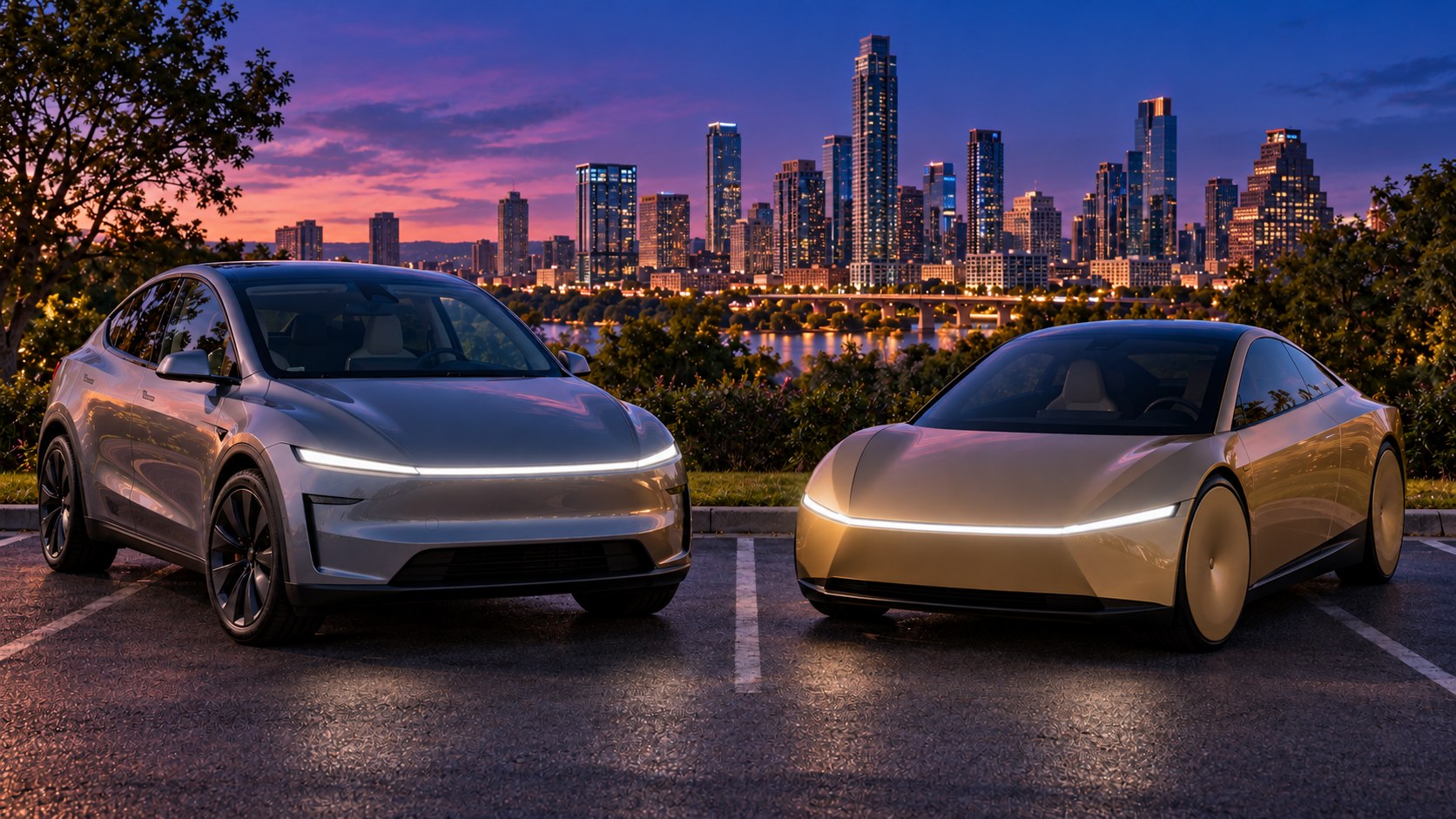
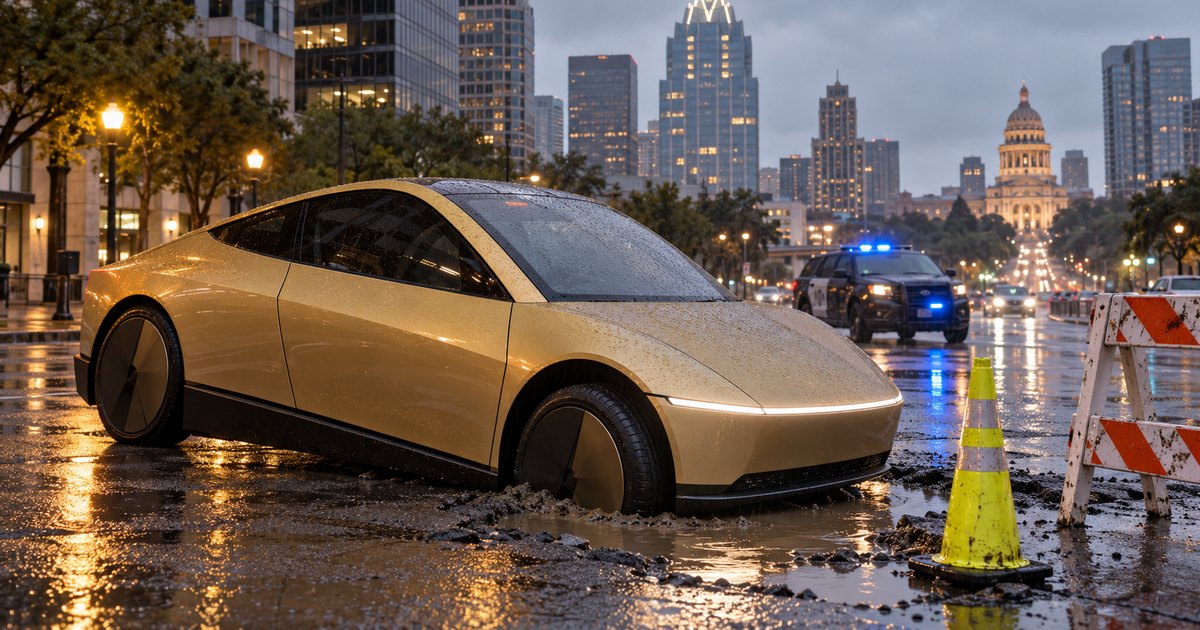
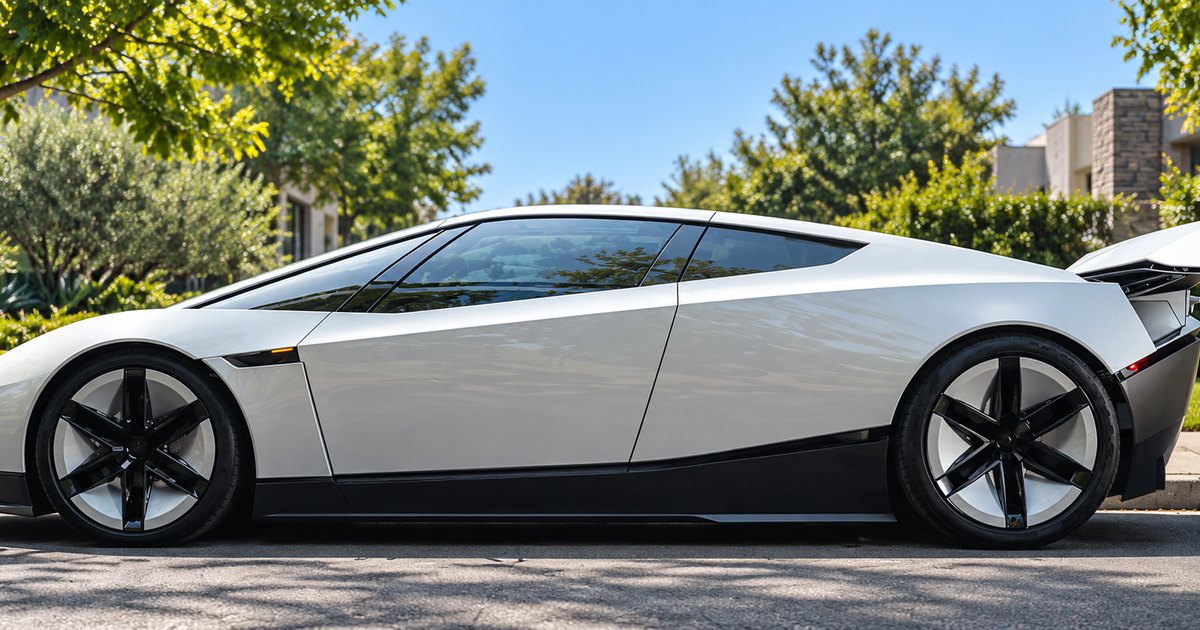
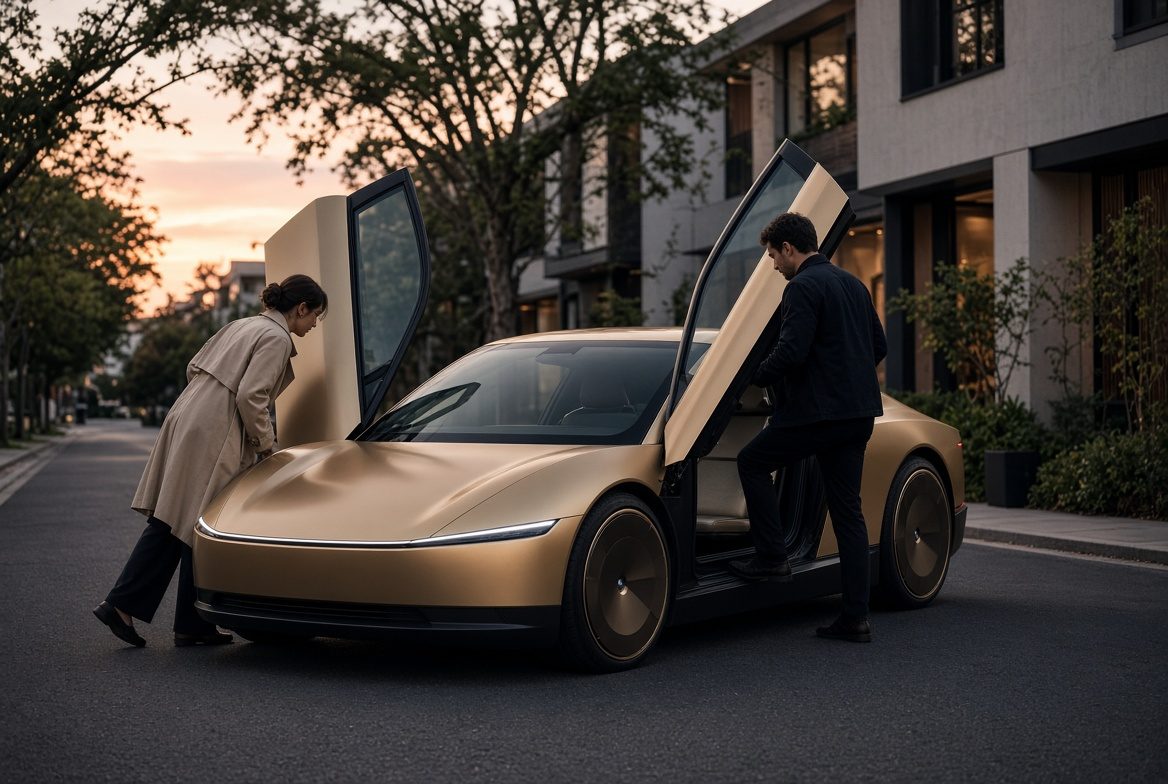
Tesla did not say, but Texas is where most of the action is. The post simply lists the new hours without naming cities. Tesla runs driverless Model Y rides in Austin, Dallas and Houston, and the Cybercab, its two-seater without a steering wheel or pedals, has carried riders in Austin since September. Tesla is also trying to pull in new riders: new users in Dallas and Houston were recently shown a free first ride in the app, Teslarati reports. Longer hours make that offer more useful, because late evening is a busy time for ride-hailing once bars and restaurants close. Even so, there is still a four-hour gap every night.
So why does Tesla still stop at 2 a.m.?
Tesla has not explained it. A common reason for a nightly break in a robotaxi fleet is the time it needs for charging, cleaning and checks, and demand between 2 and 6 a.m. is low. But that is general reasoning, not something Tesla has confirmed. What is clear is that the company does not see 2 a.m. as the end point: on the earnings call, Elluswamy pointed to round-the-clock rides as the next step. That matters for competition, because Waymo, Tesla's main rival in driverless rides, already offers service at all hours in its main US cities. Closing that gap is now the obvious next test.
What should we watch for next?
Three things. First, whether Tesla drops the nightly break and moves to 24-hour service, and in which cities that happens first. Second, the Cybercab: Tesla said on its earnings call that Cybercab rides would start in Dallas in November, which would bring the purpose-built robotaxi to a second city. Third, regulators. Tesla had until October 30 to answer questions from the US road safety agency NHTSA about how the Cybercab meets federal safety rules, including those on mirrors and rear-view cameras. How that review ends could shape how fast the Cybercab part of the fleet can grow, whatever its operating hours.
Sources (4)
Images are illustrations; some are made with AI.