 3 min
NHTSA reviews claims that Tesla Robotaxis speed through school zones: about 1,000 Model Y and Cybercab cars covered
US safety regulators have opened a defect petition review after a complaint that Tesla's driverless Robotaxis ignore lower speed limits in active school zones. No crashes or injuries are reported, but a formal investigation is possible.
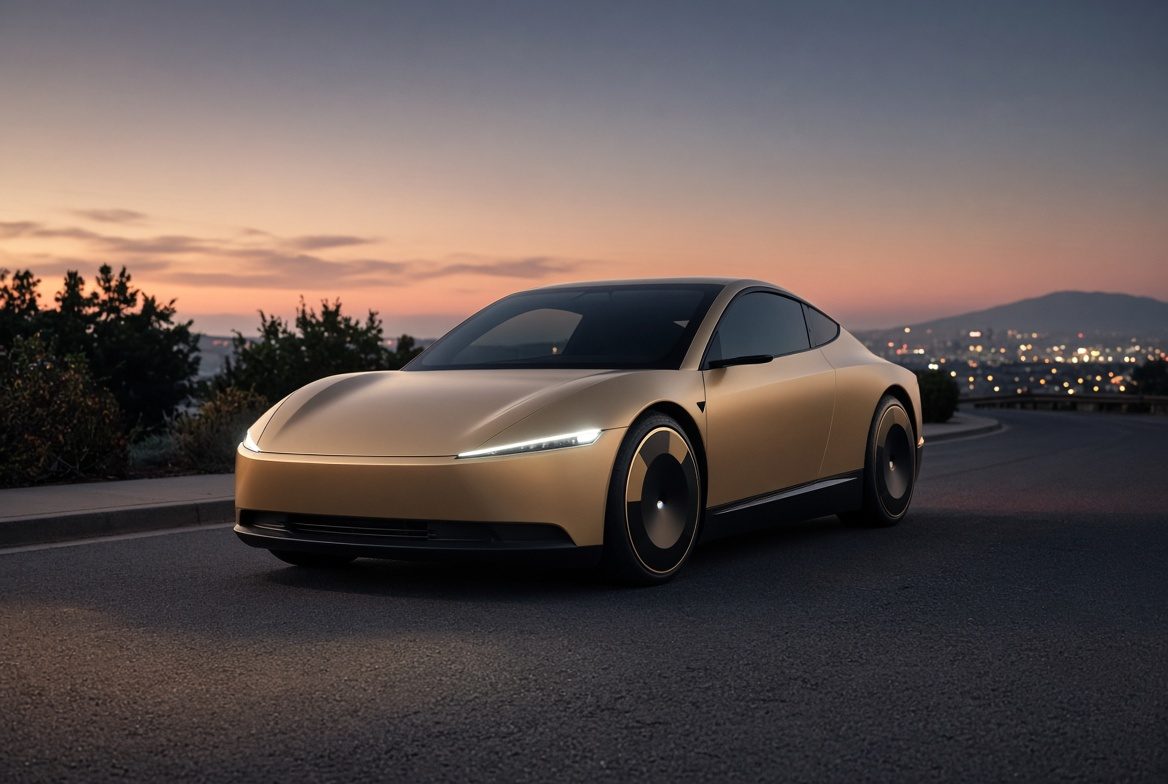
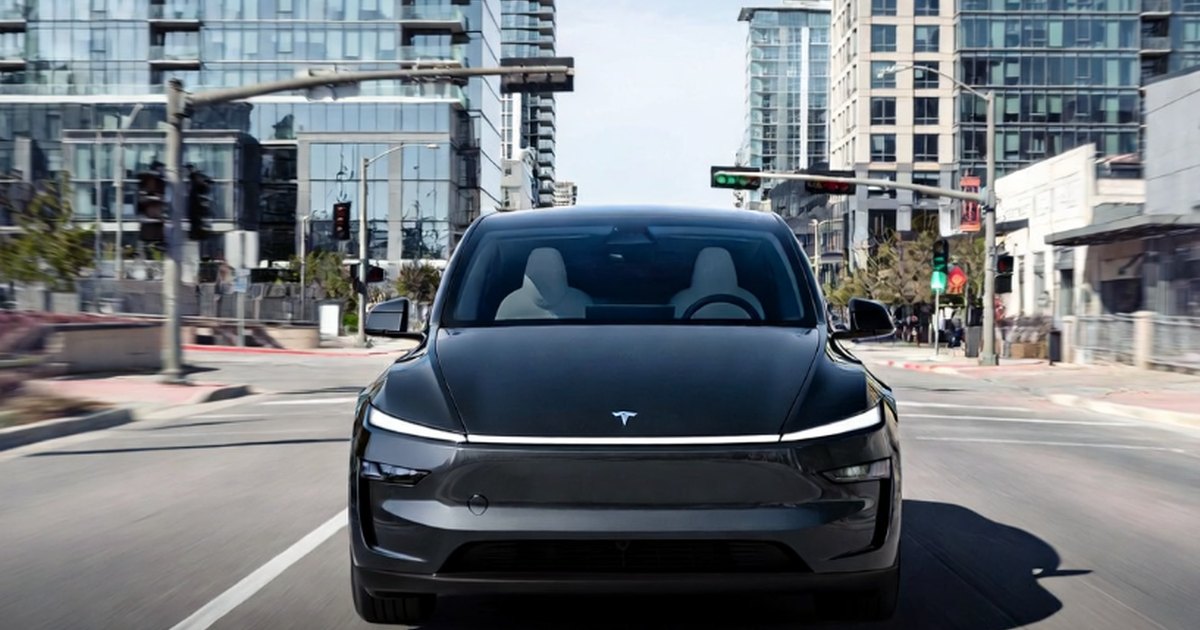
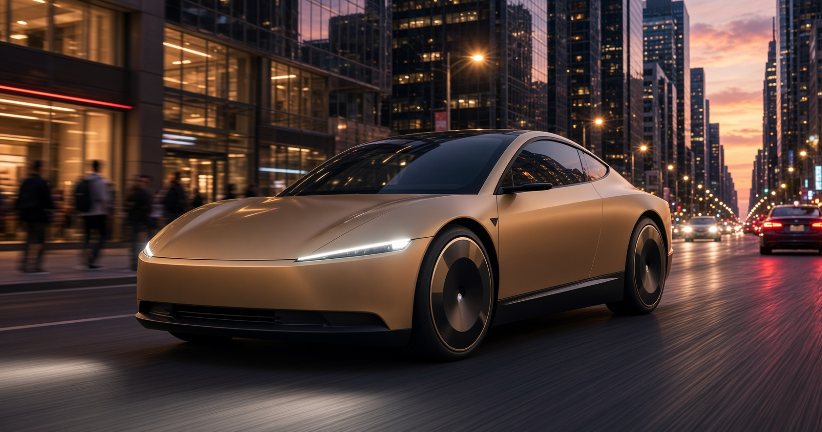
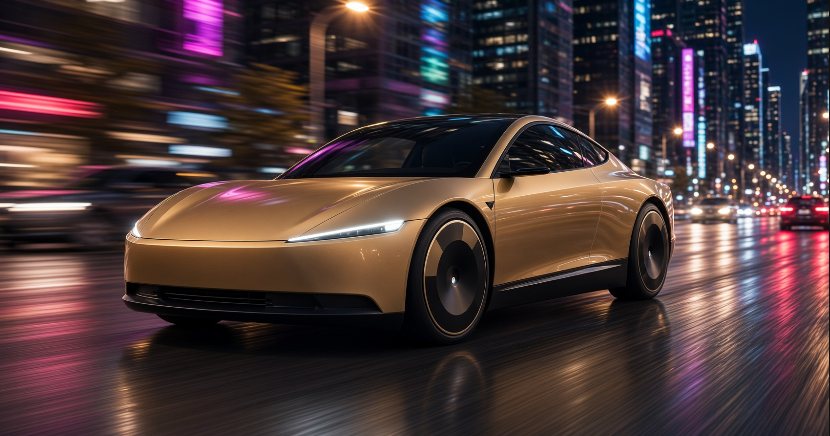
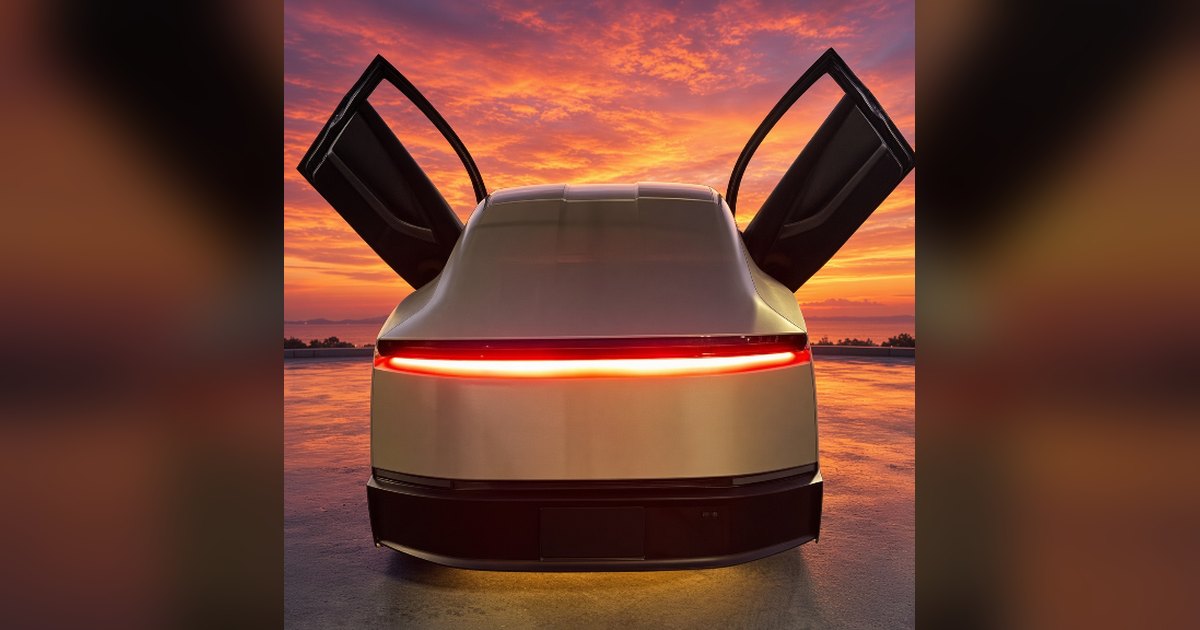
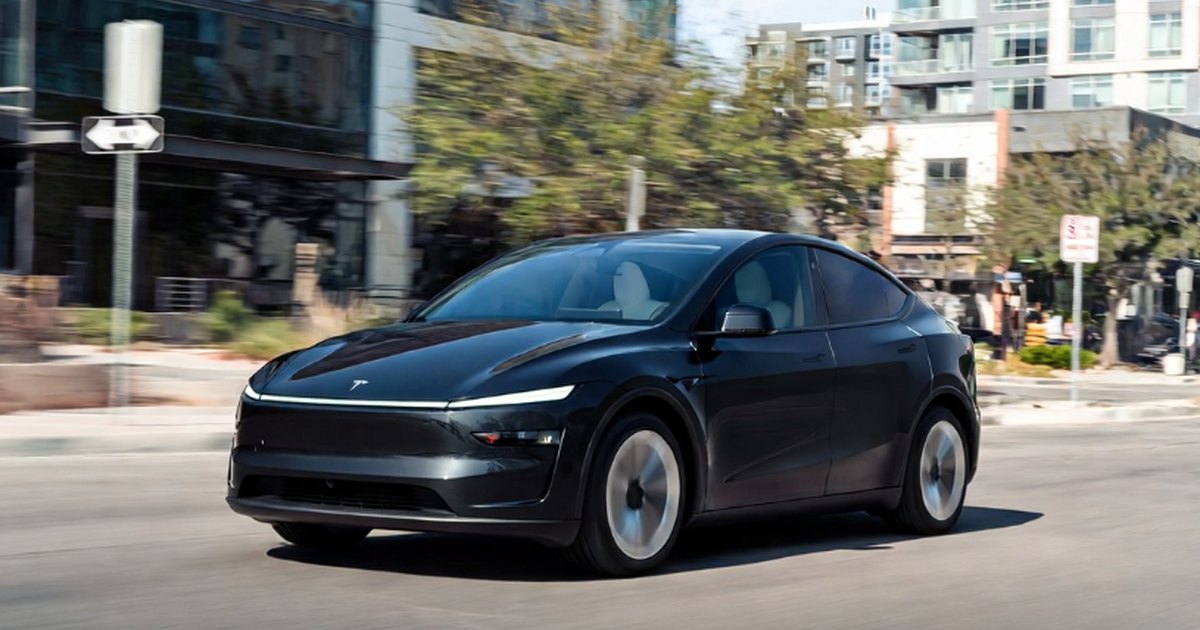
The US National Highway Traffic Safety Administration (NHTSA) has opened a review into claims that Tesla's driverless Robotaxis drive too fast through active school zones. The review covers an estimated 1,000 vehicles, both converted Model Y cars and the new Cybercab.
What happened
NHTSA's Office of Defects Investigation opened file DP26010 on Friday, October 9, 2026. It responds to a petition the agency received on September 23. The petitioner, who is not named in the public documents, alleges that Tesla's Automated Driving System makes the cars exceed the posted speed limit when a school zone is active, the times when lower limits apply because children are around.
A defect petition is an early step. It is not yet a formal investigation, and NHTSA has not concluded that a safety defect exists. The agency first looks at the evidence and then decides whether to grant or deny the petition. If it grants it, a formal defect investigation follows, and that can end in a recall.
Key facts
- Vehicles: 2026 model year Tesla Robotaxis, Model Y and Cybercab, with the automated driving system engaged.
- Estimated population: about 1,000 vehicles. Electrek suggests this may reflect cars registered for the service in Texas, not all of which are active at once.
- Evidence: the petition includes links to three videos. NHTSA counts four incidents in total.
- Harm: no crashes, injuries or deaths are reported.
- Deadline: under federal rules NHTSA normally has 120 days from receipt to decide, which points to around January 21, 2027.
The documents do not say in which cities the incidents happened. Tesla had not publicly responded to the petition at the time of writing, and the service continues to run as normal.
Context: a busy few weeks for regulators
This is the third federal action aimed at Tesla's driverless fleet in about five weeks. In early September, as paid Cybercab rides started in Austin, NHTSA began asking how Tesla had certified a car without a steering wheel or pedals. The agency then sent Tesla a list of questions about the Cybercab. Tesla asked for more time and now has until October 30 to answer.
Speed has come up before. Videos from the first Austin Robotaxi rides in June 2025 showed cars going over the limit, and in October 2025 NHTSA opened a separate investigation into Full Self-Driving over traffic-law violations such as red lights. Electrek points out an important difference: with FSD (Supervised), a human driver chooses the speed profile and is responsible. In a Robotaxi there is no driver, so the speed choice is entirely Tesla's.
Tesla is not the only company in this position. In late 2025, Waymo cars were reported to have illegally passed stopped school buses in Austin around 20 times, and Waymo answered with a voluntary software recall in December 2025.
Why it matters
School zones are among the most sensitive places on any road, and a driverless car that does not slow down there is exactly the kind of behavior that shapes public trust. For Tesla, which wants to expand Robotaxi to more cities and launch the Cybercab more widely, every open regulatory file adds risk. Because the cars are updated over the air, a fix could be quick if one is needed.
What to watch next
Watch whether Tesla changes how its software handles school zone signs on its own, as Waymo did with school buses, or waits for NHTSA's decision. The October 30 deadline for Tesla's Cybercab answers is the next regulatory date to follow.