 3 min
Tesla's first Robotaxi safety report: 3.1 million driverless miles, zero injuries, and four new cities
Tesla has published its first Robotaxi safety report, claiming 3.1 million miles without a safety monitor and no injuries. It also names Las Vegas, Phoenix, Jacksonville and San Antonio as the next cities. Here is what the numbers show, and what they leave out.
On October 21, just hours before its third-quarter results, Tesla put a new Robotaxi safety page online. It is the first time the company has shared detailed mileage and crash figures for its driverless ride-hailing service. The page also lists four cities marked as 'coming soon'.
The headline numbers
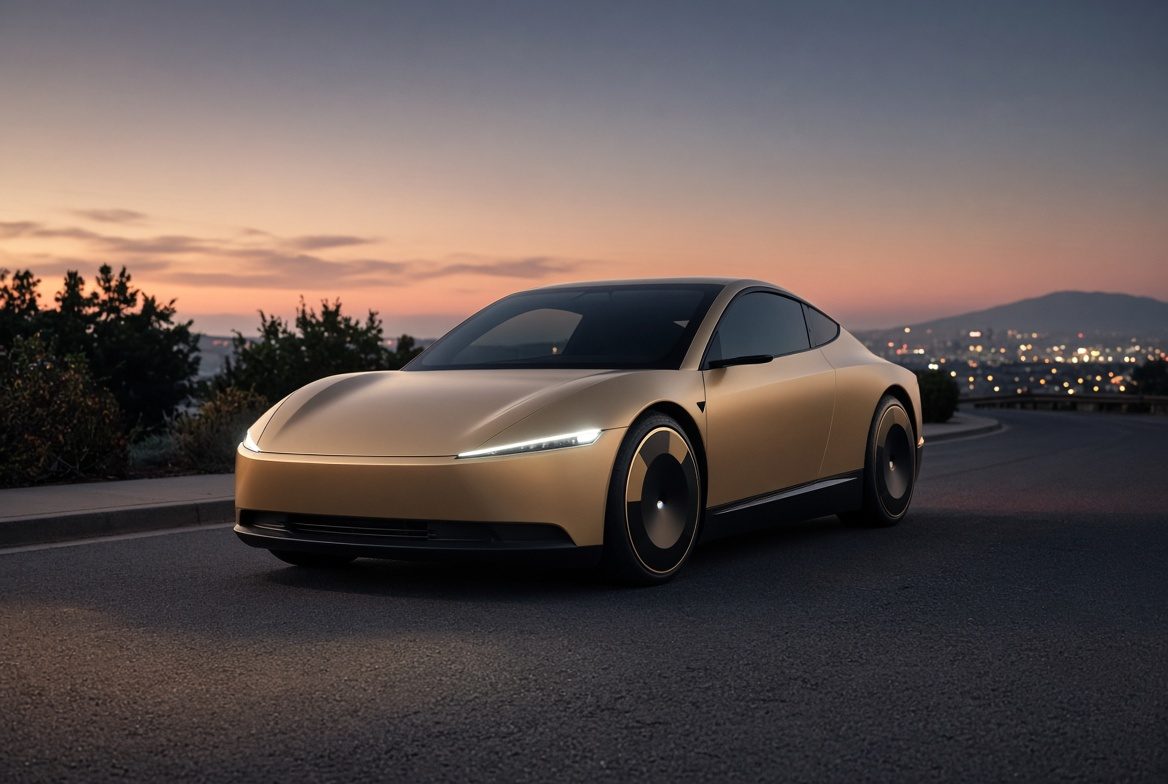
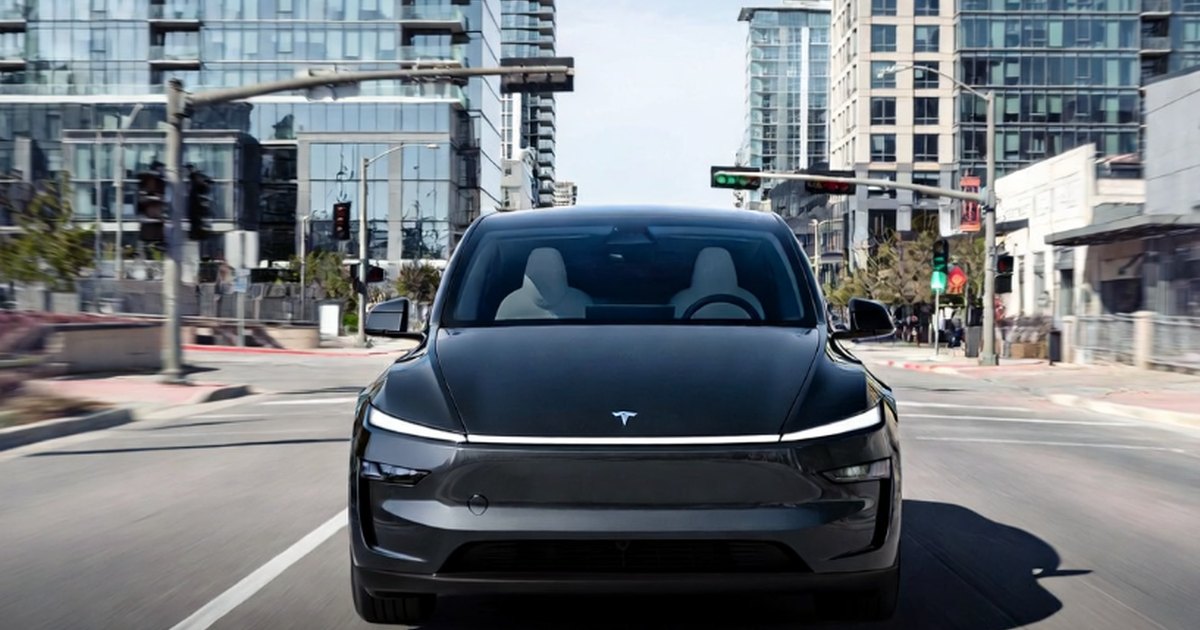
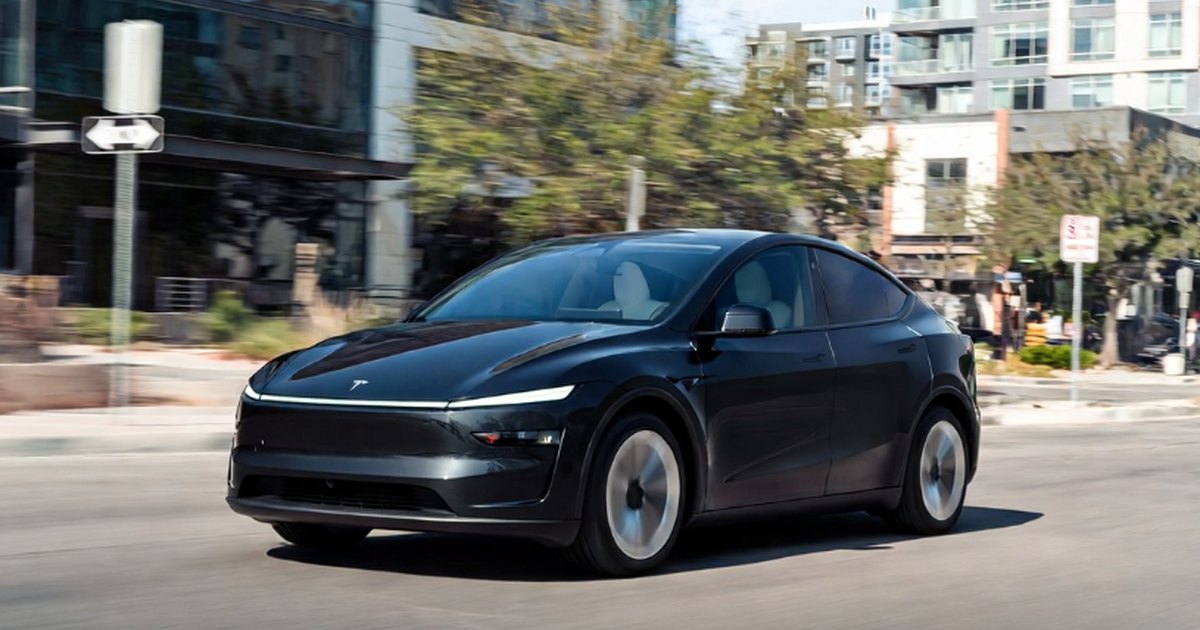
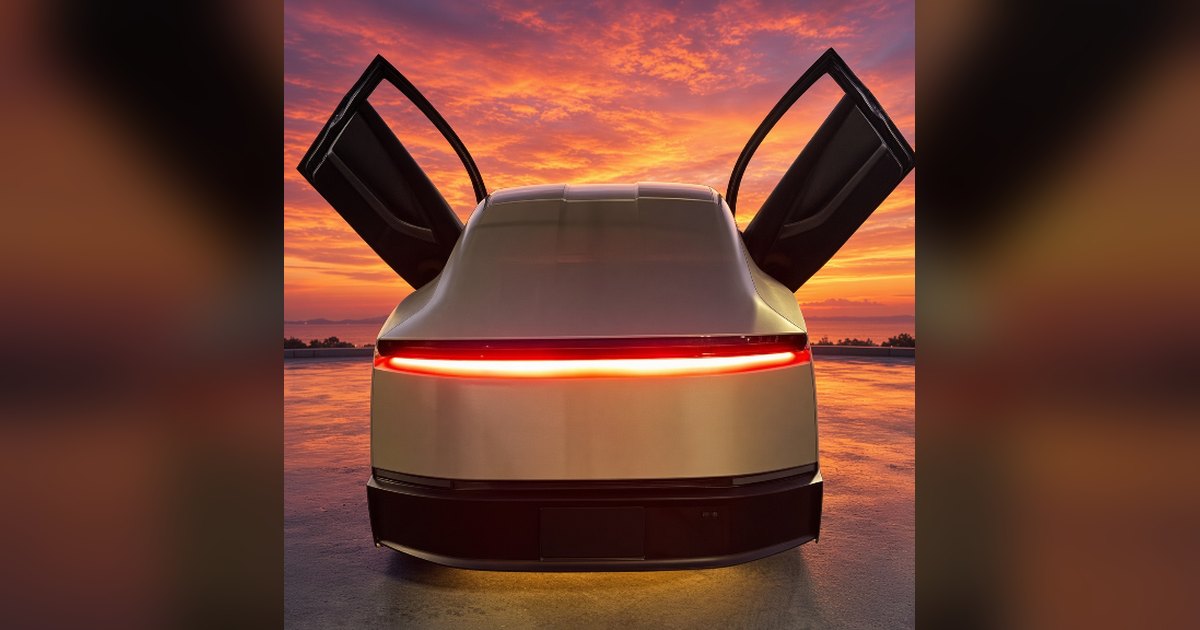
Tesla says its Robotaxis drove about 3.1 million miles with nobody in the driver's seat between January 22 and October 18, 2026. That covers both converted Model Y cars and the purpose-built Cybercab. A live counter on the page already showed more than 3.3 million, but Tesla describes that as an estimate based on the current pace, not reported data.
The miles per city:
- Austin: 2,118,015
- Dallas: 608,130
- Houston: 225,964
- Orlando: 61,053
- Tampa: 53,117
- Miami: 46,262
The San Francisco Bay Area is missing, because rides there still have a safety driver behind the wheel. Tesla also says 862,000 miles were driven after dark, 575,000 in weekday rush hours and at least 113,000 in rain.
Growth has been steep. According to an analysis by the site EV, around 70% of all driverless miles were driven in the roughly seven weeks after late August, when the Cybercab and larger fleets came online.
The safety claims
Over those miles, Tesla reports no injuries, no airbag deployments and no pedestrians or cyclists hit. It compares this with Texas police crash data from 2024, adjusted upward for crashes that are never reported. On that basis, human drivers covering the same distance would have caused an estimated 9.1 injury crashes, 4.1 crashes with airbag deployments and 0.52 crashes involving a pedestrian or cyclist.
Tesla also published a list of 32 crashes from May 23 to October 18. All but two caused only property damage, and in all but one the Robotaxi was either standing still or moving at 6 mph or less. In 16 cases another vehicle hit the Robotaxi. Fifteen of the 32 had not yet appeared in public federal data.
What the report leaves out
The figures are Tesla's own, and the method involves choices Tesla made itself:
- Only driving without a monitor on board counts. Earlier miles with a safety monitor are excluded.
- Two reported events were not counted as injuries: a multi-vehicle crash in Dallas in which a person in another car was hospitalized, and a rider's injury claim after a pothole that Tesla says its investigation did not support.
- The human benchmark uses a different year and data source than the Robotaxi figures, so the comparison is not exact.
Remote operators are another open point. Electrek counted five crashes in federal reports in which a remote operator, not the software, was driving. All were at low speed, but Tesla does not say how often remote staff take over, so a rate cannot be calculated.
Four new cities, no dates
The page lists Las Vegas, Phoenix, Jacksonville and San Antonio as coming soon. Phoenix and Las Vegas were already announced; Jacksonville and San Antonio are new. Tesla gave no launch dates and did not say whether these cities will start with safety monitors. On its earnings call the same day, Tesla said driverless Cybercab rides in Dallas are due next month.
Why it matters
Waymo has published detailed safety data for years, and critics have long asked Tesla to do the same. This report is a step in that direction. It also arrives while regulators are watching closely: NHTSA is reviewing claims that Robotaxis sped through school zones, and Tesla must answer the agency's questions about the Cybercab by October 30.
What to watch next
Key questions are how often Tesla updates the page, whether independent researchers accept its human benchmark, and whether the zero-injury record holds as the fleet grows and moves toward round-the-clock service.
Sources (4)
- Not a Tesla App — Tesla Names Next Robotaxi Cities, Shares Miles Driven & Safety Data
- EV — Tesla's new Robotaxi website shows 70% of driverless miles came since August
- Tesla North — Tesla's New Robotaxi Safety Report Names Four Cities Coming Next
- Electrek — Tesla remote operators keep crashing its 'Robotaxis,' data shows