 3 min
The Cybercab's first reported crash: a 5 mph drive into a flooded pothole in an Austin parking lot
Federal crash data show the first reported incident involving Tesla's Cybercab: a low-speed drive into a water-filled pothole in August, with a safety monitor aboard and no one hurt. Here is what the report says, and why it is not in Tesla's own safety numbers.
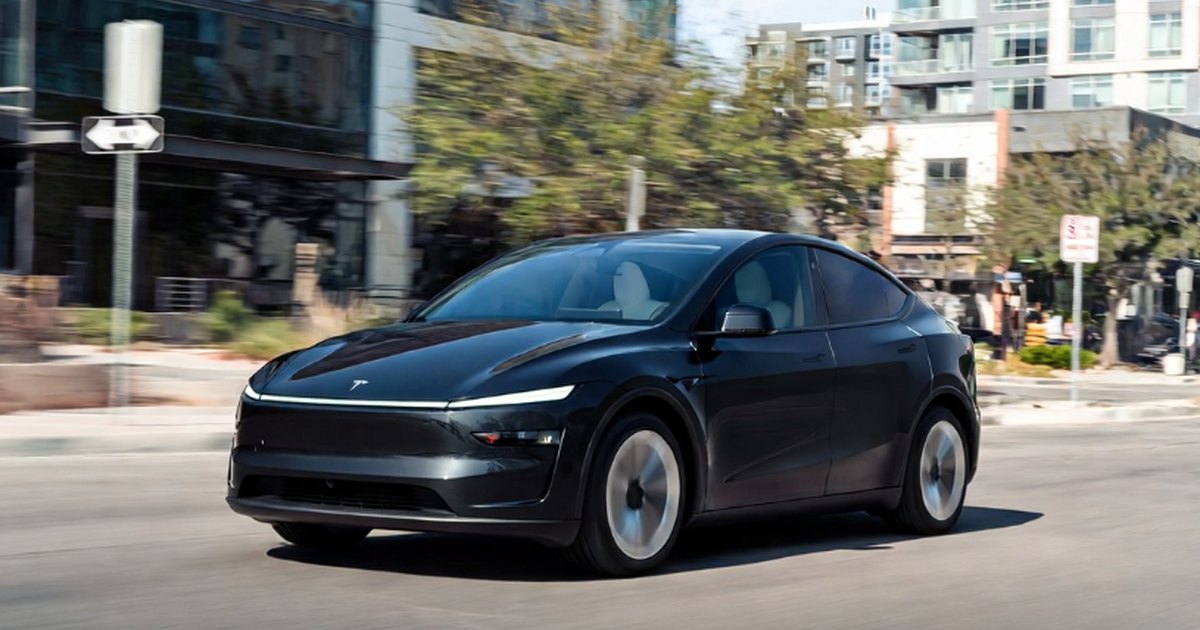
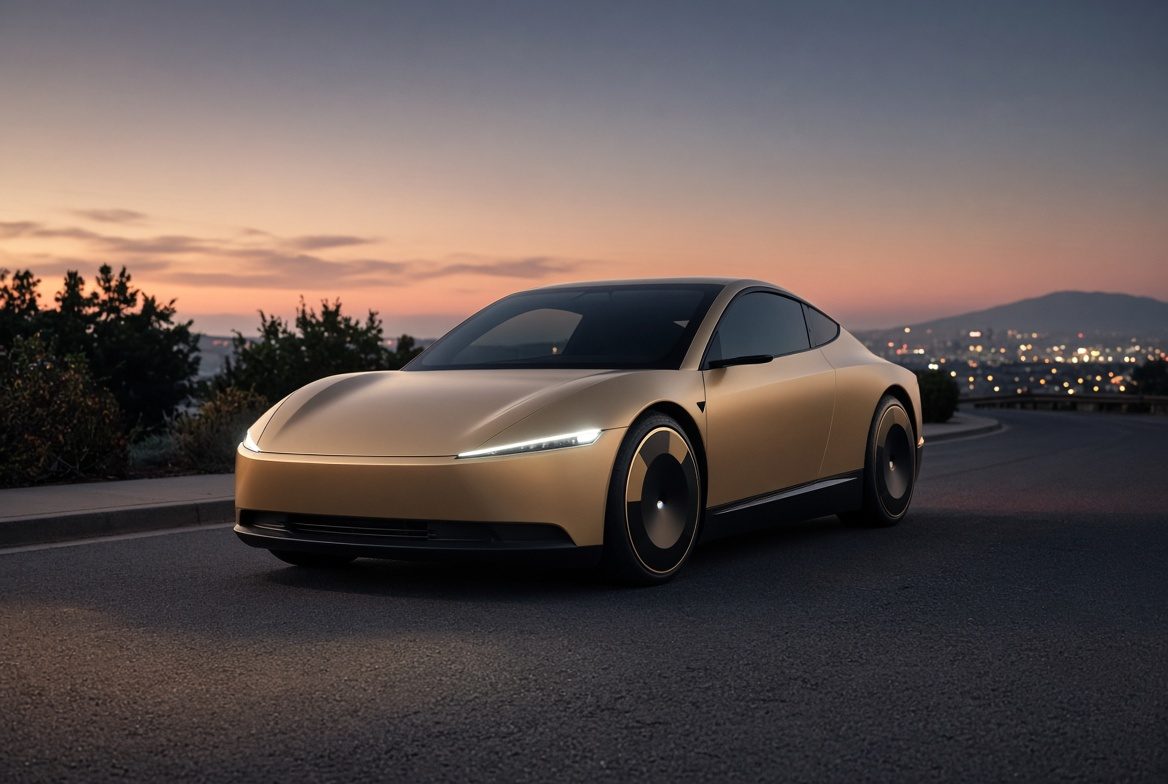
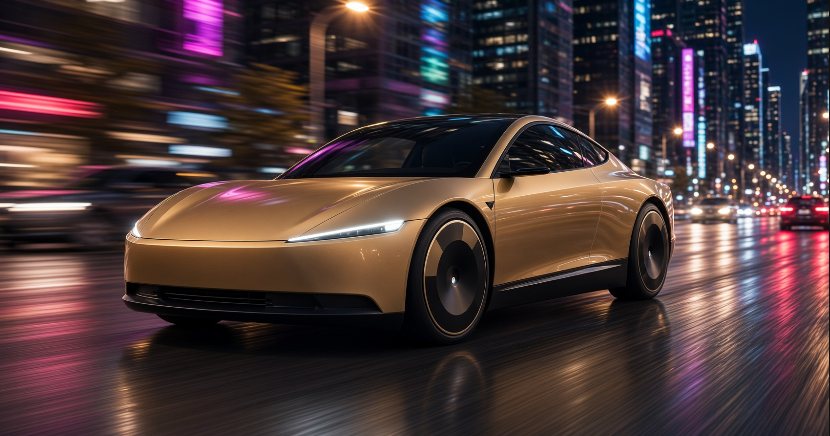
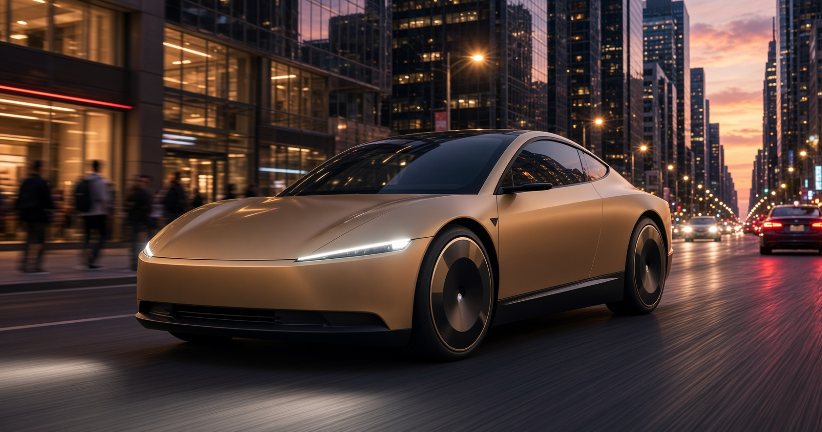
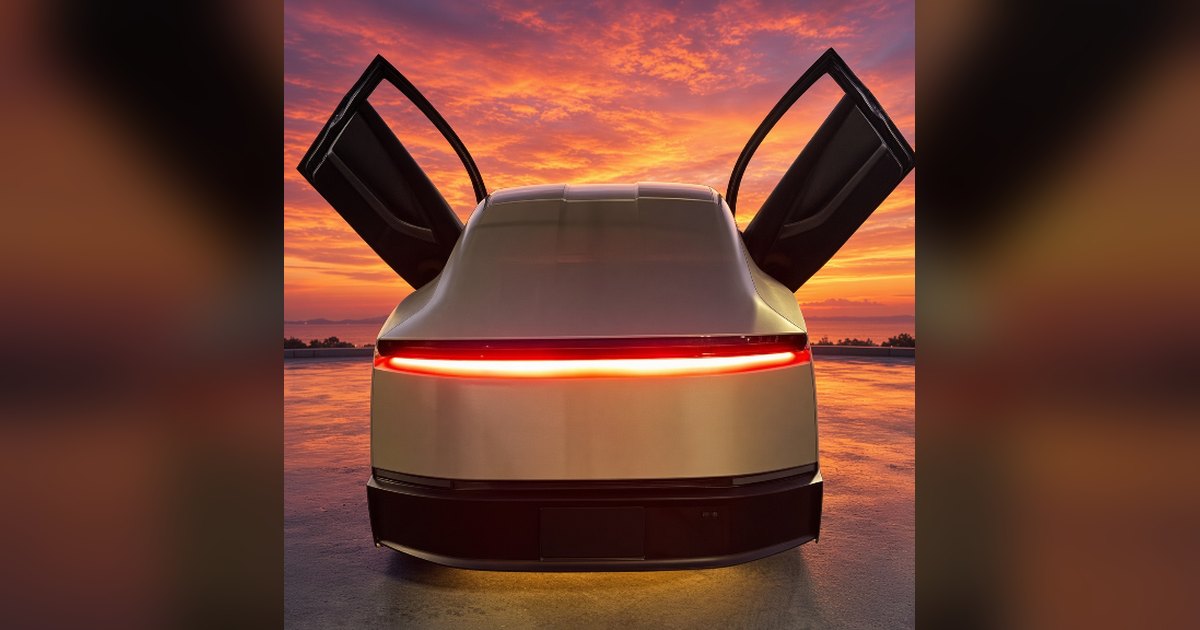
Tesla's Cybercab now has its first entry in the US government's crash database. It is not a dramatic one. According to Tesla's own report to the National Highway Traffic Safety Administration (NHTSA), a Cybercab drove into a large, water-filled pothole in an Austin parking lot at about 5 mph. Nobody was hurt. The incident drew wider attention on October 23 after the Austin American-Statesman reported it as the Cybercab's first crash.
What happened
The details come from Tesla's September filing under NHTSA's Standing General Order, which requires companies running automated driving systems to report crashes, including minor ones in places like parking lots.
- When: August 2026, at 12:53 p.m., in clear weather. That was before the Cybercab opened to the public in Austin in early September.
- What: the 2026 Cybercab was driving straight ahead in self-driving mode, inside its approved area, when it went into the pothole at up to 5 mph.
- Who was aboard: a Tesla safety monitor, no passengers.
- Damage: property damage only, to the underside of the car. No airbags went off and the car did not need to be towed.
Tesla says video exists, but NHTSA does not publish it.
The rest of the August reports
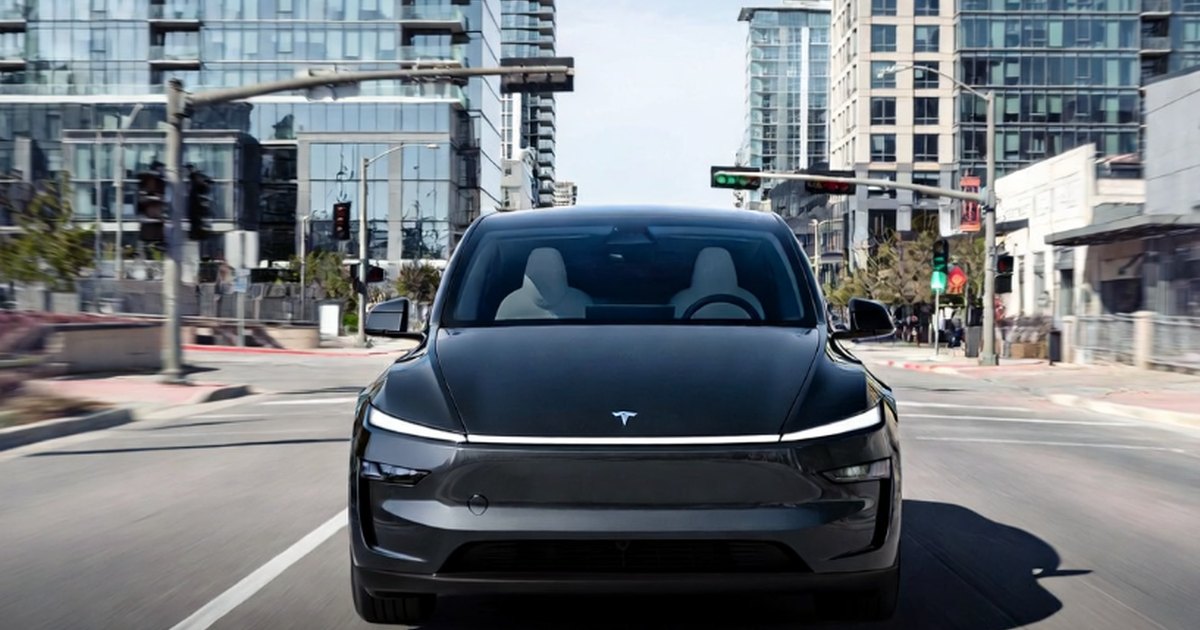
The same batch of data contains other Tesla robotaxi incidents from August, all in Texas and all without injuries. Drive Tesla Canada counted nine robotaxi incidents in total, including the pothole. Eight involved Model Y robotaxis in Austin and Dallas, at very low speeds. Two of those happened while a remote operator, not the software, was in control: one Model Y touched a parked SUV at 0.4 mph, another hit a dumpster in an alley at about 1 mph. Other reports include minor contact with a guardrail, a utility meter and chains, and two cases where another vehicle hit the robotaxi.
Why it is not in Tesla's safety report
On October 21 Tesla published its first Robotaxi safety report, claiming about 3.1 million miles without a safety monitor, zero injuries and zero airbag deployments through October 18. The pothole incident does not appear there, because that report only counts trips with no Tesla employee on board. Here, a safety monitor was inside.
That is a reasonable rule for measuring true driverless driving, but it also means Tesla's headline numbers and the federal database do not line up one-to-one. Anyone comparing them needs to check which miles each one covers.
Is this really a crash?
Some Tesla fans on X were quick to call it a road maintenance problem rather than a self-driving failure. The counterpoint is that a car built to drive itself will have to spot and avoid road damage, including a pothole hidden under water. Both views have merit: the event was minor, but recognising bad road surfaces is part of the job.
What is clear is that the rules are working as intended. The Standing General Order exists so that even small incidents become public. For a brand new vehicle with no steering wheel or pedals, that transparency matters.
Context: a fast-growing fleet under scrutiny
The Austin Cybercab fleet has passed 300 cars, the service now runs until 1 a.m., and Dallas is next in line for Cybercab rides. At the same time, NHTSA is reviewing how Tesla certified a car without manual controls and wants sworn answers by October 30.
What to watch next
The next NHTSA data releases will cover the first full weeks of public Cybercab rides in Austin. Those will be a much better test than a single parking-lot incident. Also watch whether Tesla's safety report starts including more detail on remote-operator interventions, which are still not reported as a rate.