 3 min
Tesla Robotaxi expands to Dallas and Houston, its first new cities after Austin, without a safety monitor
Tesla has started its Robotaxi service in Dallas and Houston, the first expansion beyond Austin and the Bay Area. The service areas are small and Tesla shared few details, but the cars run with nobody in the driver's seat.
Tesla's Robotaxi service is no longer an Austin-only experiment in Texas. On Saturday, April 18, 2026, Tesla announced that Robotaxi is "now rolling out" in Dallas and Houston, sharing two maps of the new service areas. They are the first new cities since the service launched in Austin in June 2025 and started with safety drivers in the San Francisco Bay Area.
What we know
- No safety monitor: unlike the early days in Austin, the cars in Dallas and Houston run without a Tesla employee on board.
- Houston: early user analysis of Tesla's maps puts the zone at roughly 25 square miles (about 65 km²).
- Dallas: the zone appears to be centered on the Highland Park area. Estimates of its size vary.
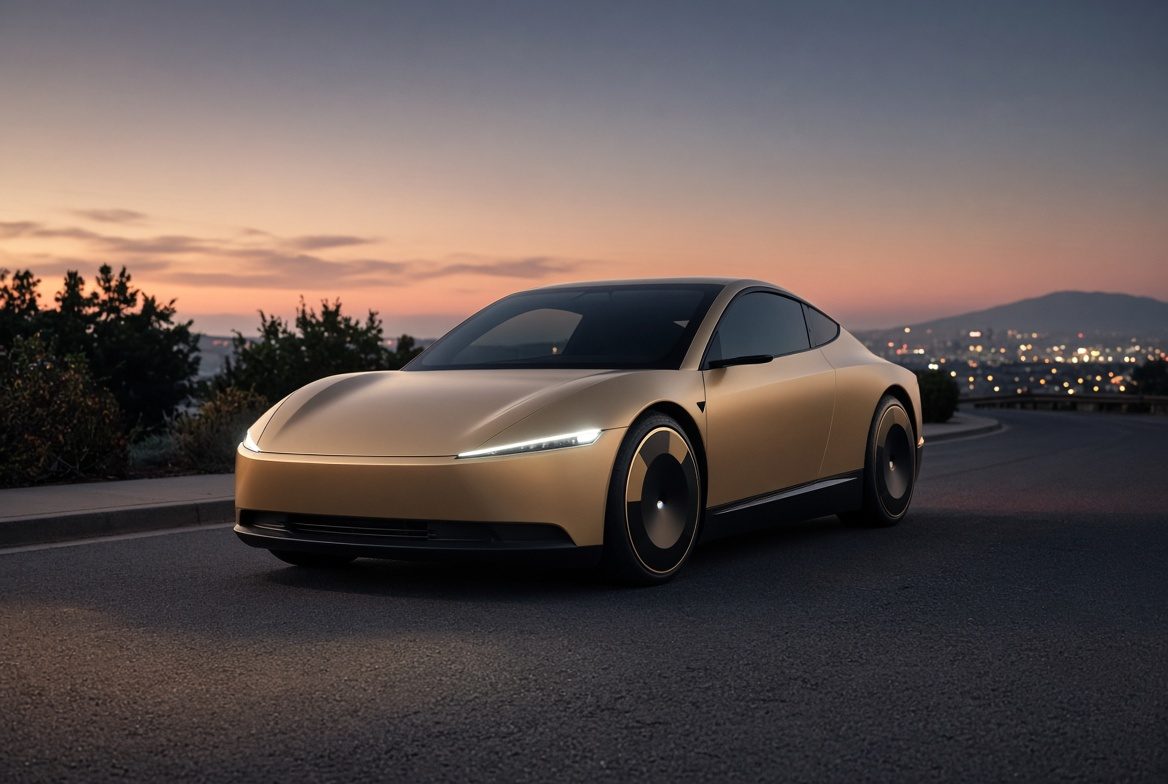
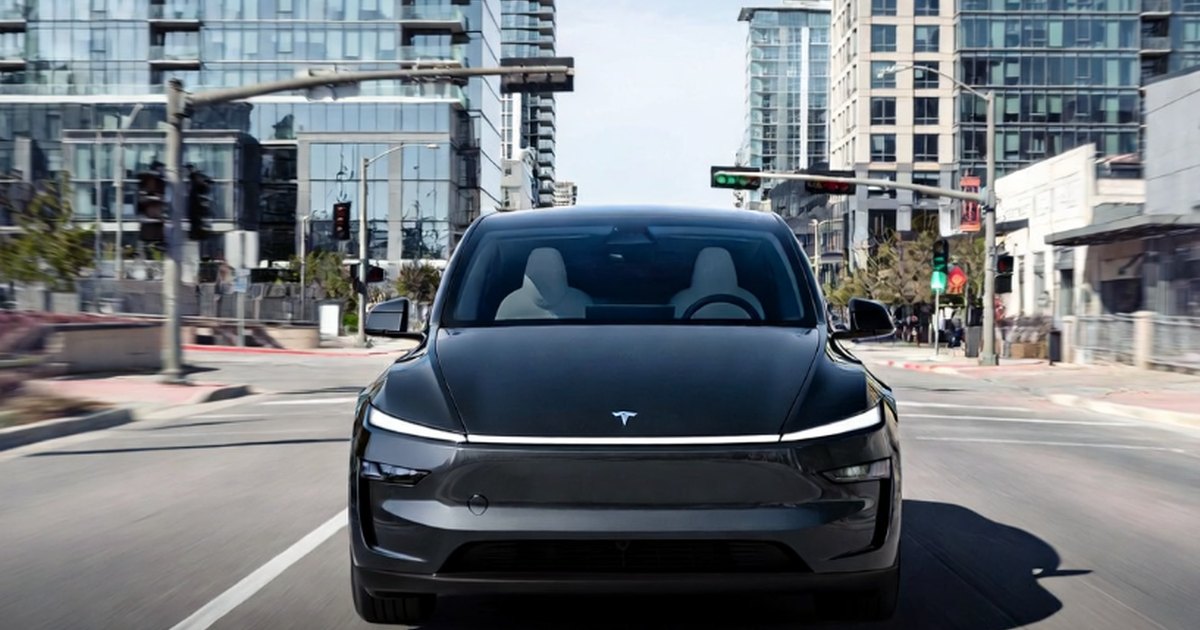
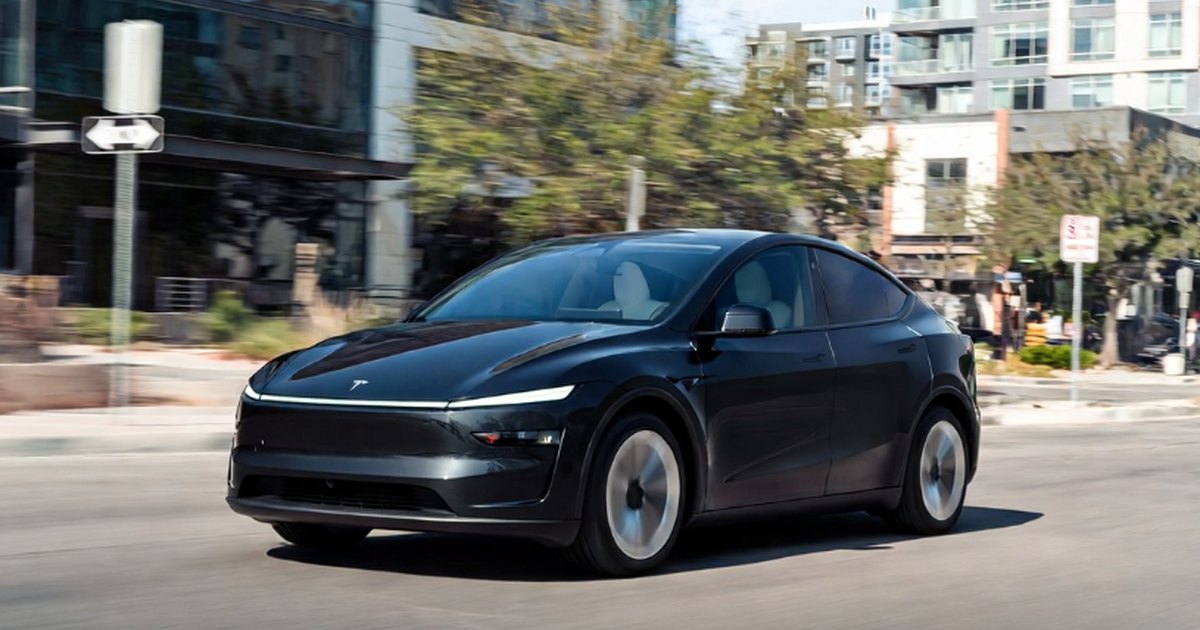
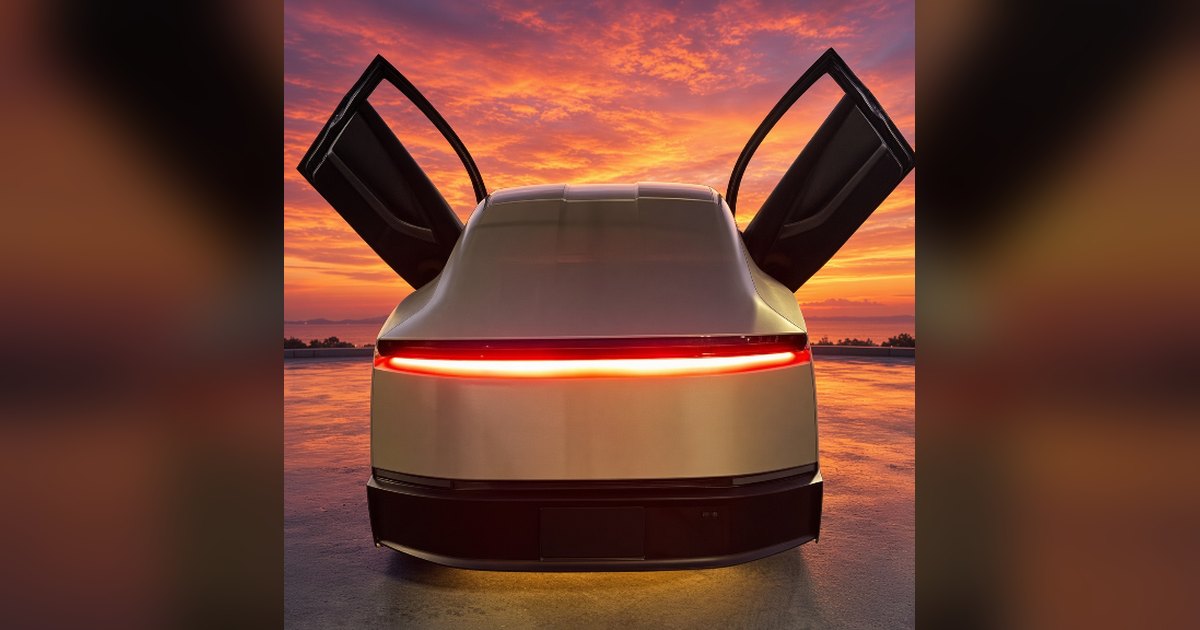
- Vehicles: converted Model Y cars. The Cybercab has not yet entered service.
Much is still unclear. Tesla did not say how many cars are running in each city, what the hours are, or when the zones will grow. Community trackers showed very few cars available in either city in the first hours.
How Austin got here
Austin is the model for what may come next. Tesla started there on June 22, 2025, with a safety monitor in the front passenger seat and a zone of about 20 square miles. Over almost a year the zone grew to roughly 245 square miles. In January 2026, Tesla began adding cars with nobody on board in a limited way.
Even so, those driverless cars remained a small part of the fleet. Electrek reported that as of March, Austin had around 80 Robotaxis, and only a handful drove without a monitor. All cars are also supervised remotely by Tesla staff.
Behind the original plan
In January, Tesla said it planned to bring Robotaxi to seven more cities in the first half of 2026: Dallas, Houston, Phoenix, Miami, Orlando, Tampa and Las Vegas. Dallas and Houston are the first two to go live, with about ten weeks of the half-year left.
Elon Musk's earlier targets were more ambitious. He had spoken of about 500 cars in Austin and more than 1,000 in the Bay Area by the end of 2025. Electrek estimated the real numbers at that time at about 42 and 130, nearly all with safety monitors.
The timing is also notable: the launch came four days before Tesla's first-quarter results on April 22.
The competition is already there
Waymo has run a fully driverless service in Dallas and Houston since February 2026. Waymo says it gives about 500,000 paid rides a week across ten US cities, with around 2,500 cars. Tesla's zones in Texas are small next to that, but Tesla's pitch is different: it wants to scale with cheap production cars and camera-only software instead of expensive sensor kits.
Why it matters
Texas makes expansion relatively easy: a 2017 state law allows driverless cars without the kind of permits needed in California, where Tesla still runs with safety drivers. If Tesla can run without monitors in two big new metro areas, it is a real step beyond a single test city. Critics, including Electrek, note that Tesla shares little operating data and that it redacts the descriptions in its crash reports to NHTSA, unlike most rivals.
What to watch next
Key questions for the coming weeks: how fast the fleets and zones in Dallas and Houston grow, whether rides are open to everyone or limited, and how the service copes with Houston's frequent rain. Tesla's earnings call on April 22 should give more detail, along with an update on the five remaining cities on its first-half list.