 3 min
The Cybercab has half the parts of any Tesla, and its Giga Texas line can run faster than 125,000 a year
On Tesla's Q3 2026 call, engineering chief Lars Moravy said the Cybercab has about 50% fewer parts than any car Tesla has built, and that test bursts show the Texas line can beat its listed capacity. Regulators, not the factory, may set the pace.
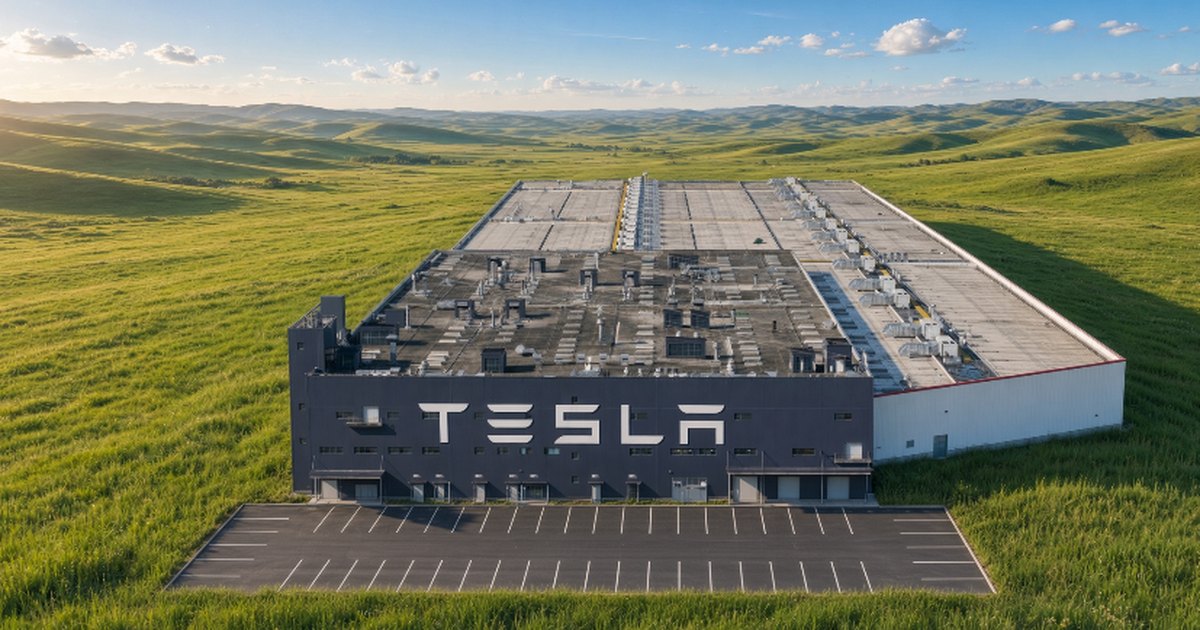
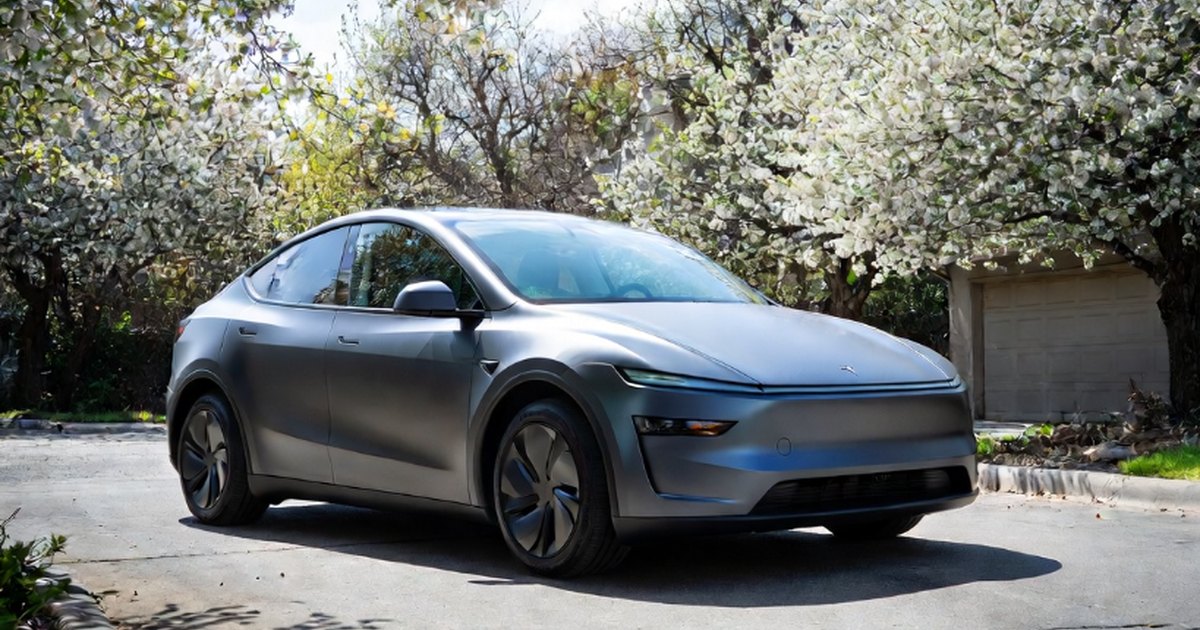
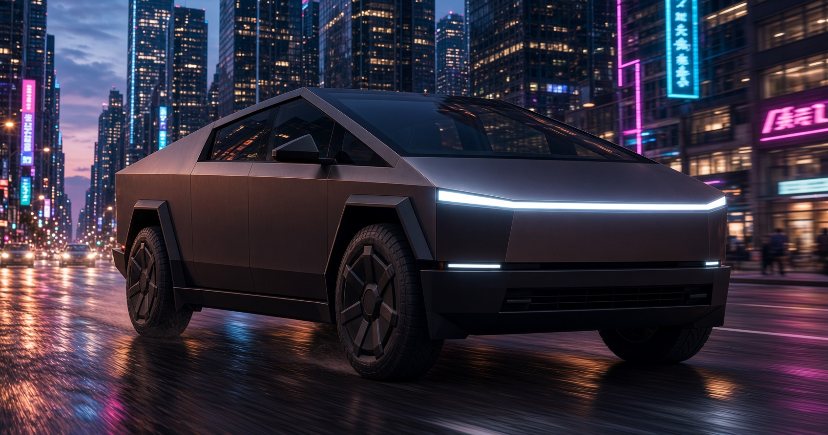
The Cybercab is not only Tesla's first car without a steering wheel. It is also, according to Tesla, its simplest car to build. On the third-quarter earnings call on October 21, Lars Moravy, Tesla's vice president of vehicle engineering, said the two-seat robotaxi has about half as many parts as any vehicle the company has made, and that its production line at Giga Texas can run faster than the official capacity figure suggests.
What Tesla said
- Parts: Moravy said the Cybercab has 50% fewer parts than any other Tesla, which he framed as 50% fewer things that can go wrong.
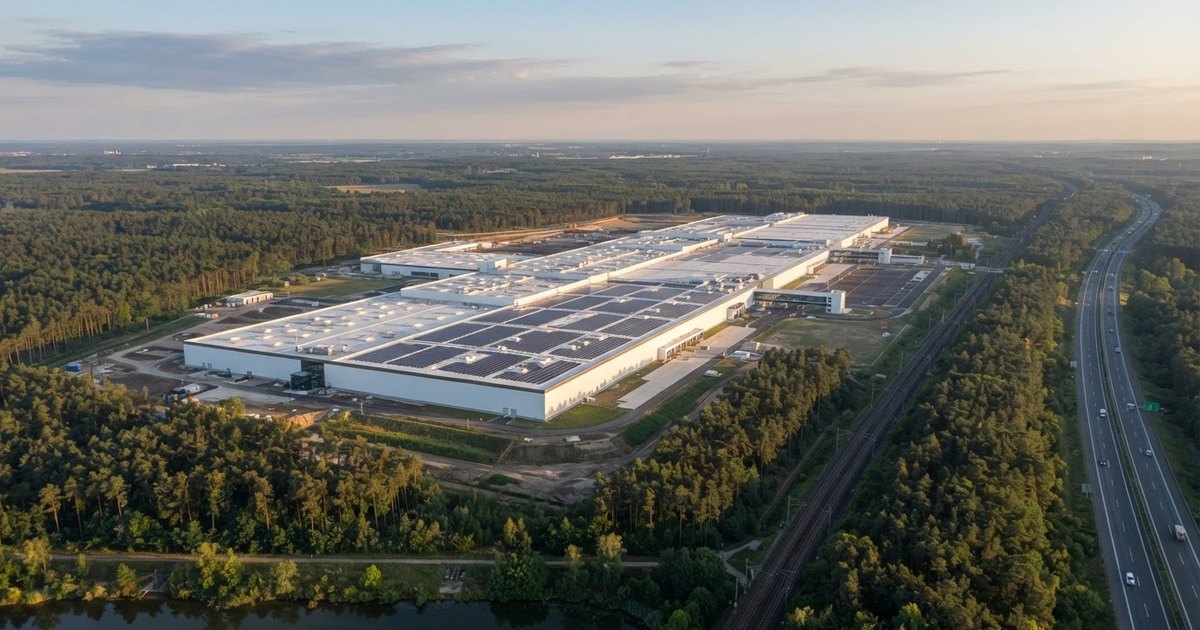
- Listed capacity: Tesla's third-quarter presentation lists the Cybercab line at more than 125,000 vehicles a year.
- Bursting the line: Moravy said the team has been running short high-speed bursts to see how fast the line can go. The listed figure reflects what Tesla can run today; the line's real capacity is, in his words, 'significantly higher'.
- Pacing: for now Tesla builds Cybercabs at the rate its Robotaxi service needs. Moravy described a race with AI chief Ashok Elluswamy to stay ahead of growing driverless mileage.
Chief financial officer Vaibhav Taneja added that, after talking to manufacturing staff, they see the Cybercab as one of the easiest products to scale. The bigger concern, he said, is regulatory approval, so that Tesla can deploy the cars as fast as it can build them.
Why fewer parts matter
Every part in a car has to be bought, stored, moved, fitted and checked. Halving the count cuts cost, factory floor space and the number of steps where something can go wrong. It also helps reliability for a car that is meant to drive many hours a day in a fleet.
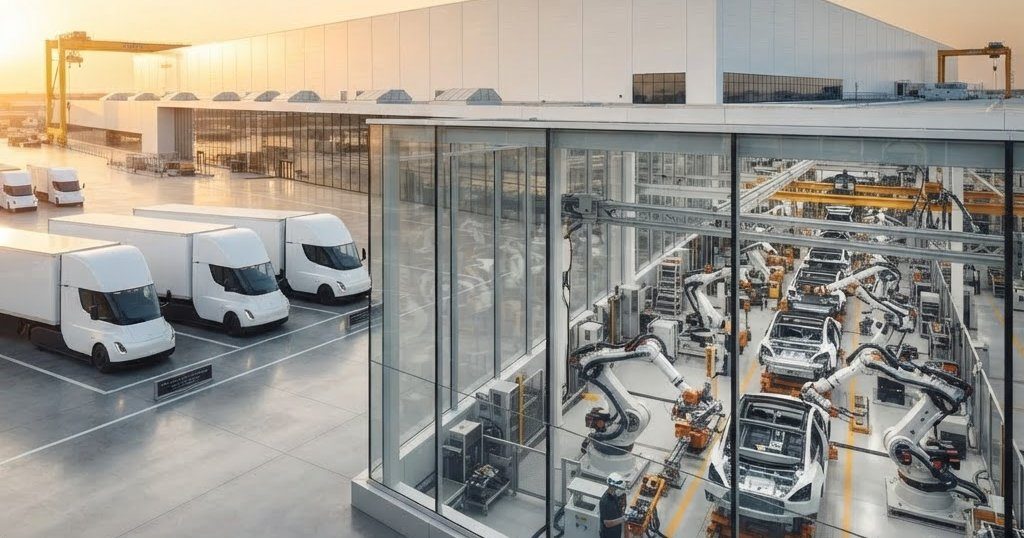
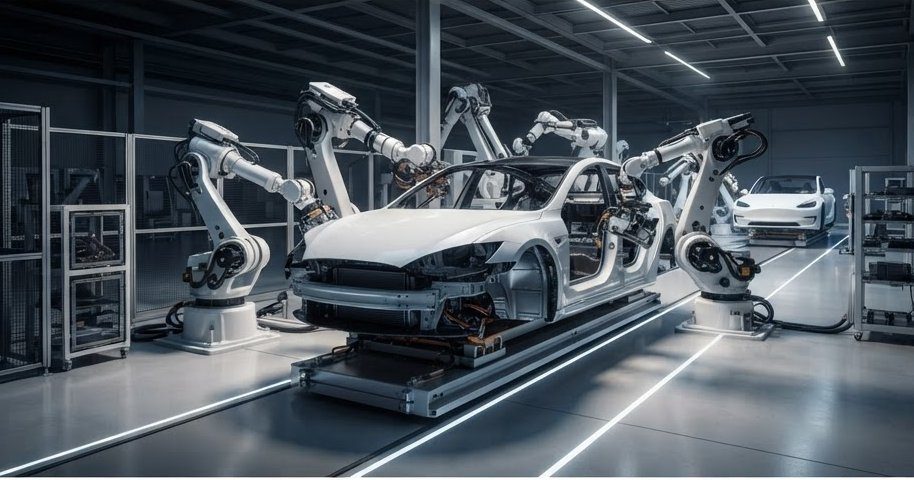
The low part count fits the Cybercab's 'unboxed' manufacturing method. Instead of moving one full body down a single long line and adding parts one by one, Tesla builds large sections of the car in parallel and joins them near the end. The car has no steering column, pedals or driver controls, and its body panels are coloured plastic rather than painted metal.
Tesla did not give a new capacity number, and it has not said how many Cybercabs it has built so far, so it is impossible to say how much faster the line can really go.
How the Cybercab line got here
- Q2 2026: production started at Giga Texas. Tesla's shareholder deck listed the line at more than 125,000 a year for the first time, the same figure as the Cybertruck, with a footnote that installed capacity is not the same as the current production rate. Tesla named battery packs, not the Cybercab line, as the main limit on near-term vehicle output.
- July: employees began taking rides on the Giga Texas campus.
- September 3: public Robotaxi rides in the Cybercab began in Austin.
- Early October: Tesla added 150 Cybercabs to its Texas robotaxi registry, bringing the state total to 319.
Dallas is next for Cybercab rides, and Tesla said on the call that it wants to deliver the first Cybercabs to customers by the end of 2026.
Why it matters
At full listed capacity, a 125,000-a-year line would turn out more than 340 Cybercabs a day. That is far more than Tesla's Robotaxi service uses today. If the line can run even faster, the factory will not be the bottleneck. Instead, the limits are regulation, the spread of the service to new cities, and battery supply. NHTSA is currently reviewing how Tesla certified a car without manual controls and wants answers by October 30.
What to watch next
Watch for the first official Cybercab production numbers, the Dallas launch in November, the NHTSA response, and whether Tesla raises the listed capacity in its next quarterly deck.