 3 min
Robotaxi vs Cybercab: what is the difference between Tesla's ride service and its driverless car?
Robotaxi and Cybercab are often used as if they mean the same thing, but they don't. Robotaxi is Tesla's ride-hailing service; the Cybercab is one of the cars that drives in it. Here is the difference, in plain terms.
Read about Tesla's self-driving plans and you will see two words used almost interchangeably: Robotaxi and Cybercab. They are related, but they are not the same thing. The short version: Robotaxi is the service, the Cybercab is a car.
Robotaxi: the ride-hailing service
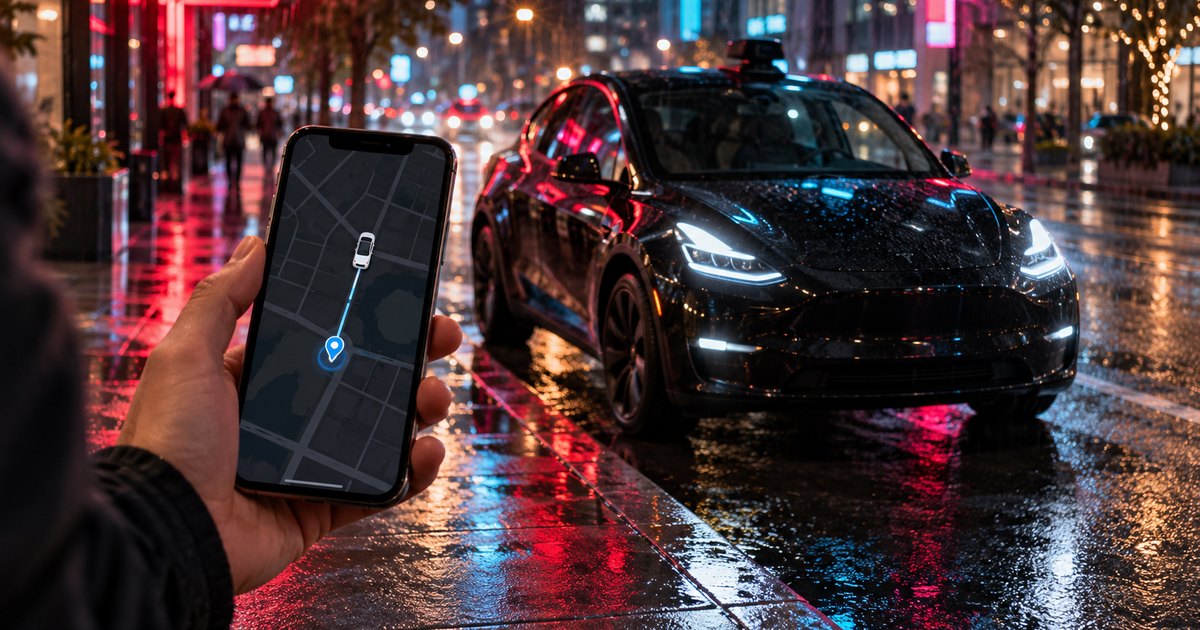
Tesla Robotaxi is a ride service, comparable to Uber or Waymo. You book a ride in the separate Tesla Robotaxi app, a car picks you up and drives you to your destination inside a fixed service area. You do not need to own a Tesla.
- Started: June 2025 in Austin, Texas.
- Where now: driverless in Austin, Dallas, Houston, Miami, Orlando and Tampa. In the San Francisco Bay Area the cars still have a safety driver behind the wheel.
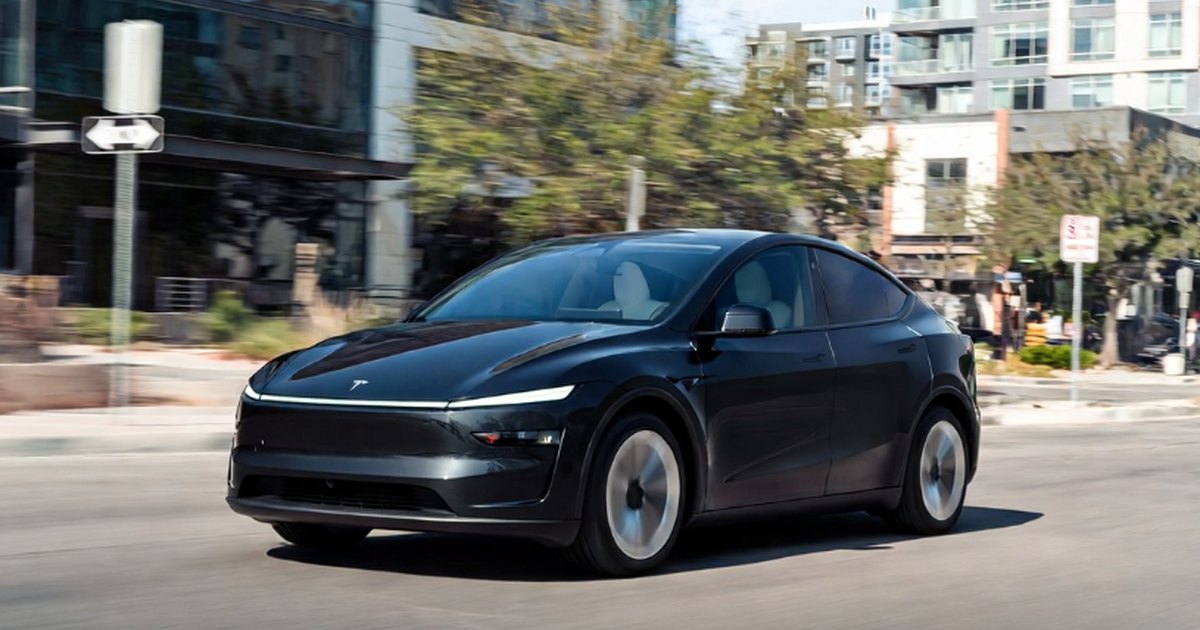
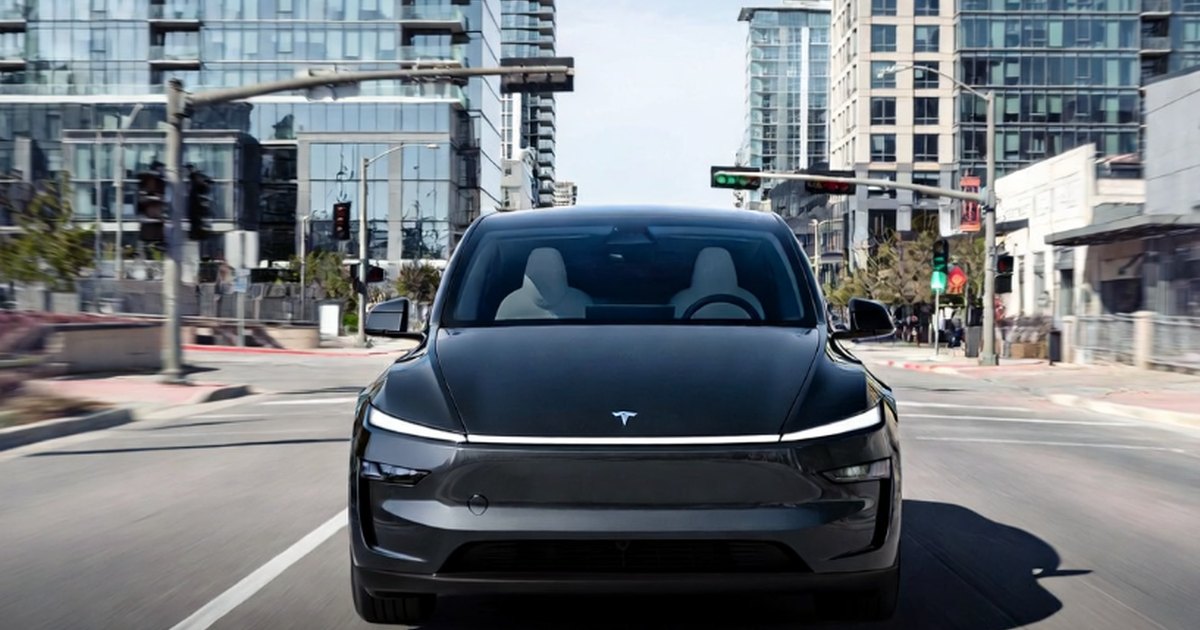
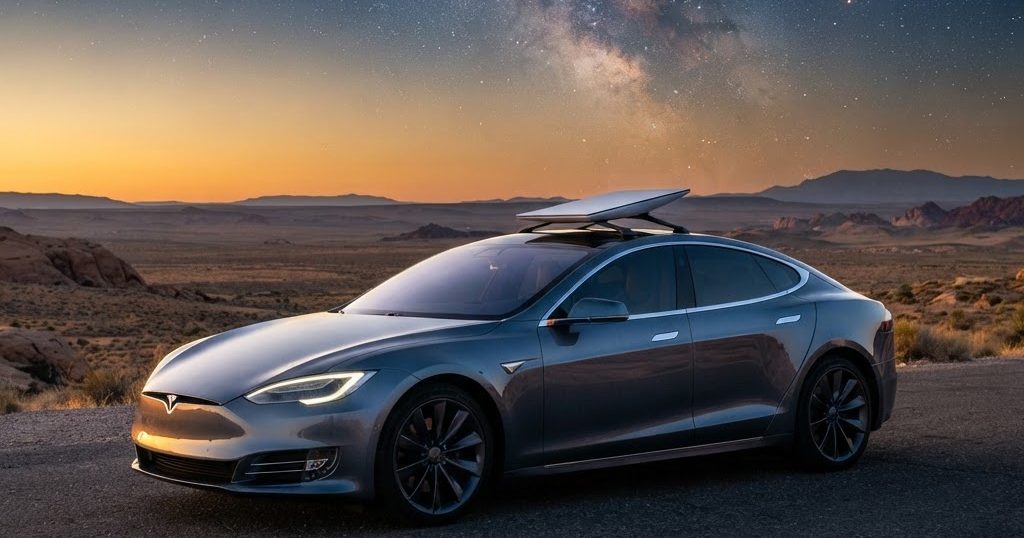
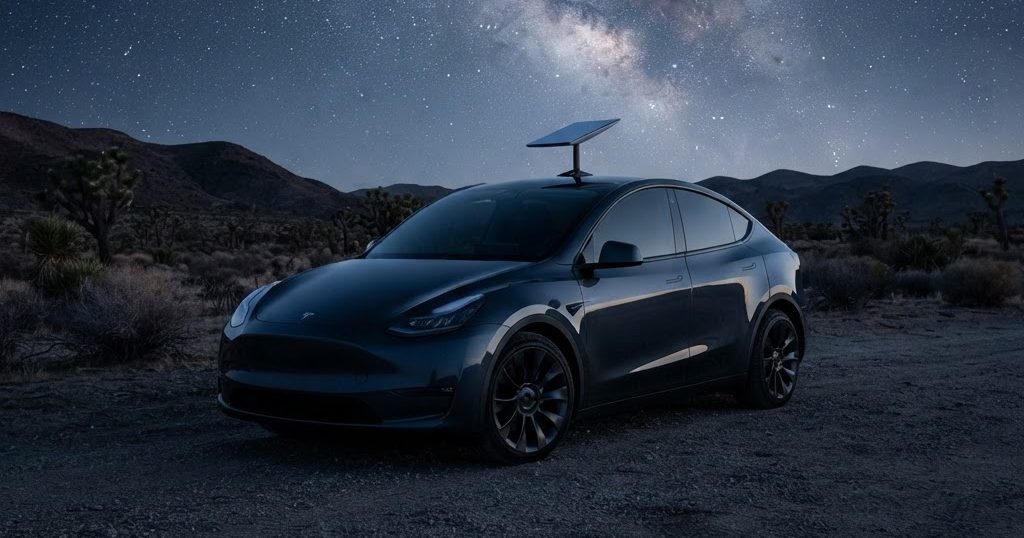
- Which cars: mostly ordinary Tesla Model Y cars running Tesla's driverless software, and since September 2026 in Austin also the Cybercab.
So when someone says they "took a Robotaxi" in Dallas or Miami, they almost certainly rode in a Model Y.
Cybercab: the purpose-built driverless car
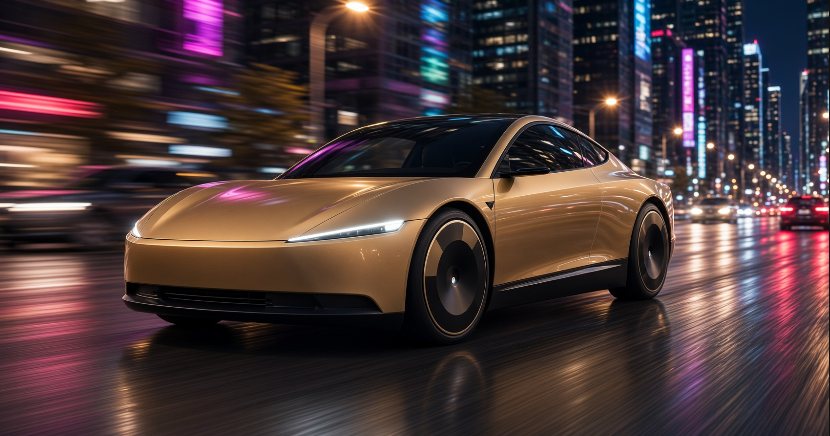
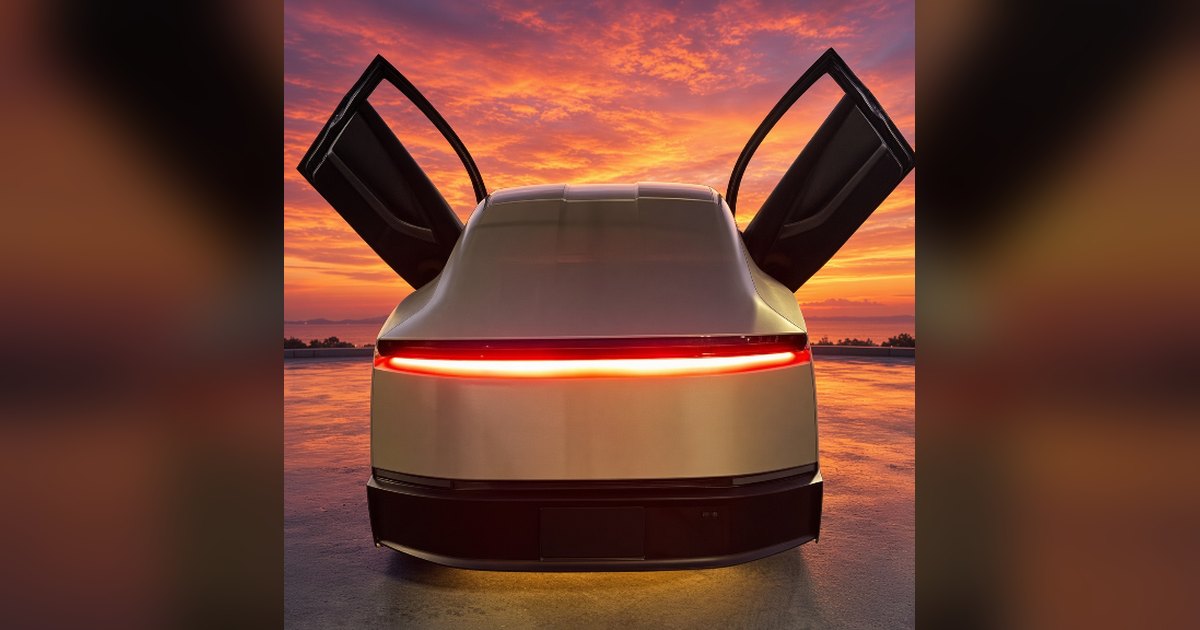
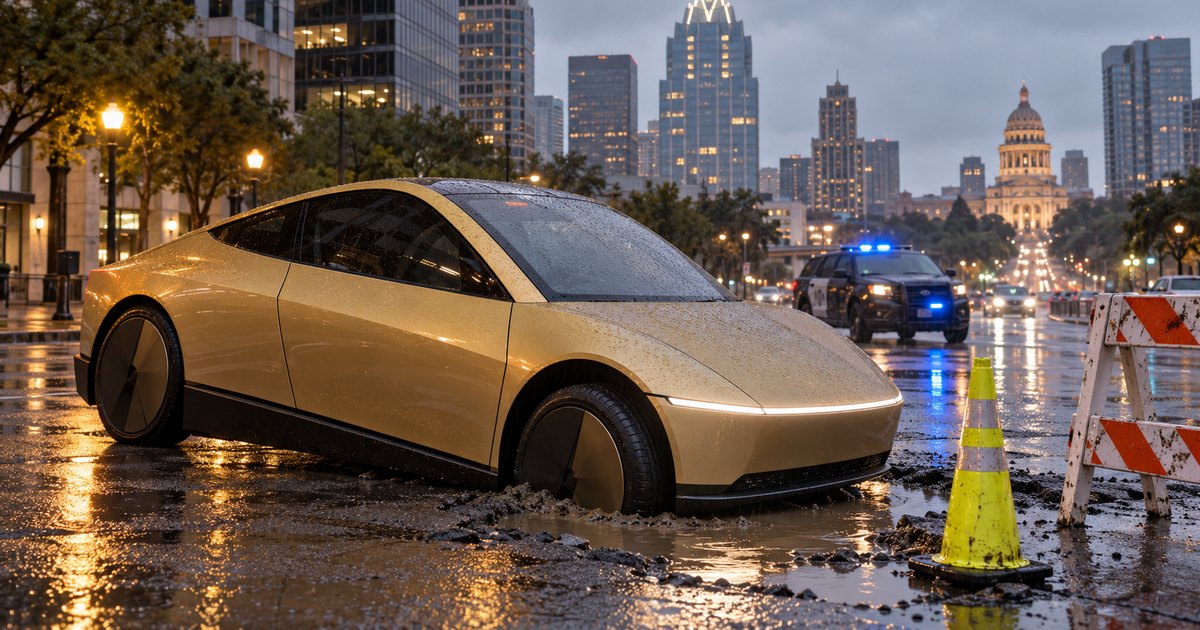
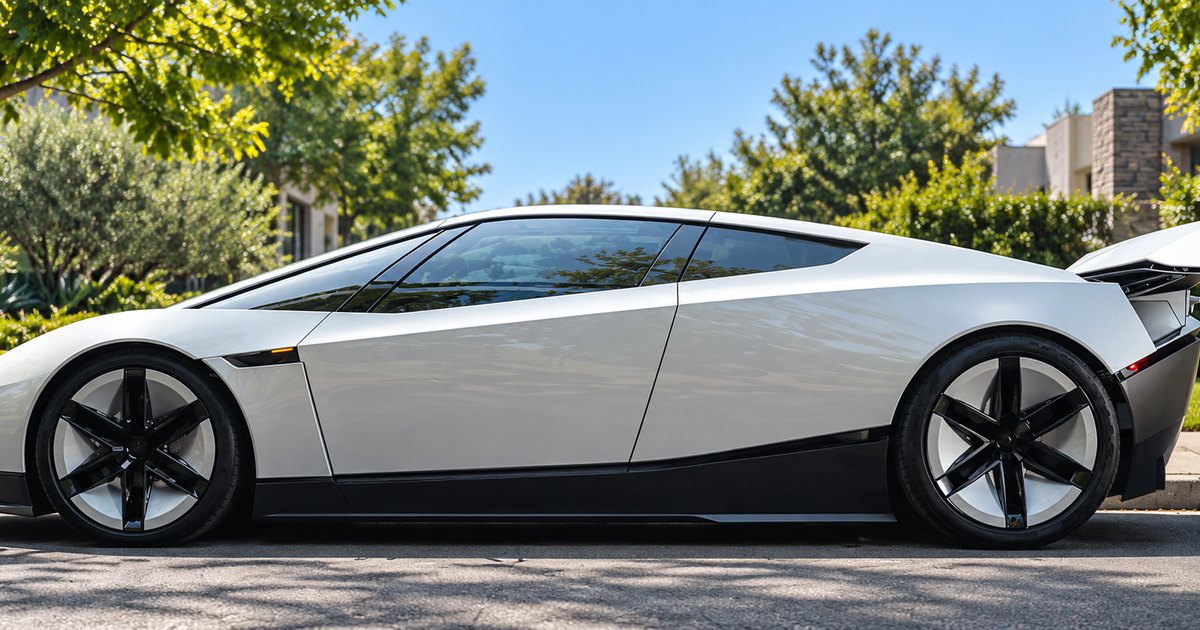
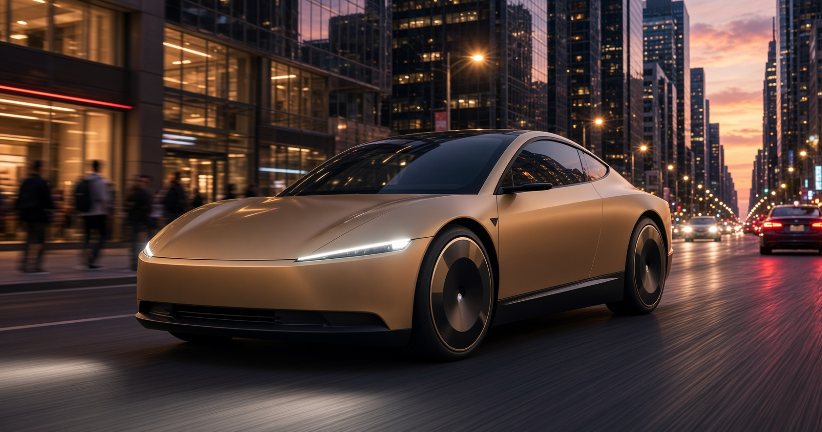
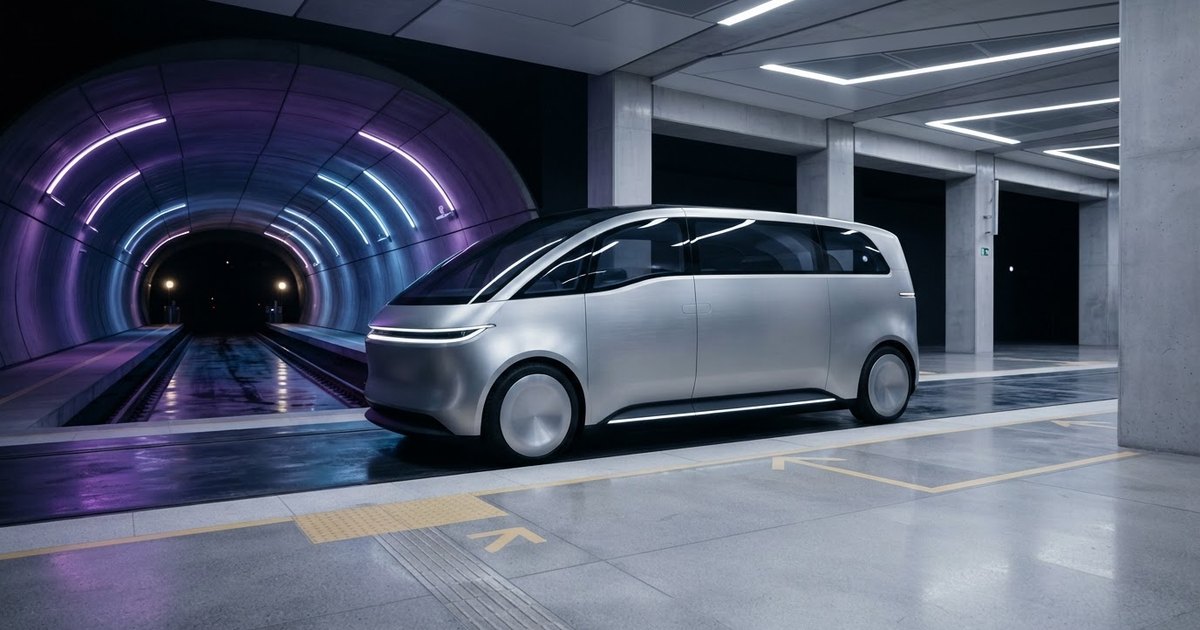
The Cybercab is a vehicle, designed from scratch for driving without a driver. It was first shown in October 2024, went into production at Giga Texas in 2026 and started carrying paying passengers in Austin on September 4, 2026.
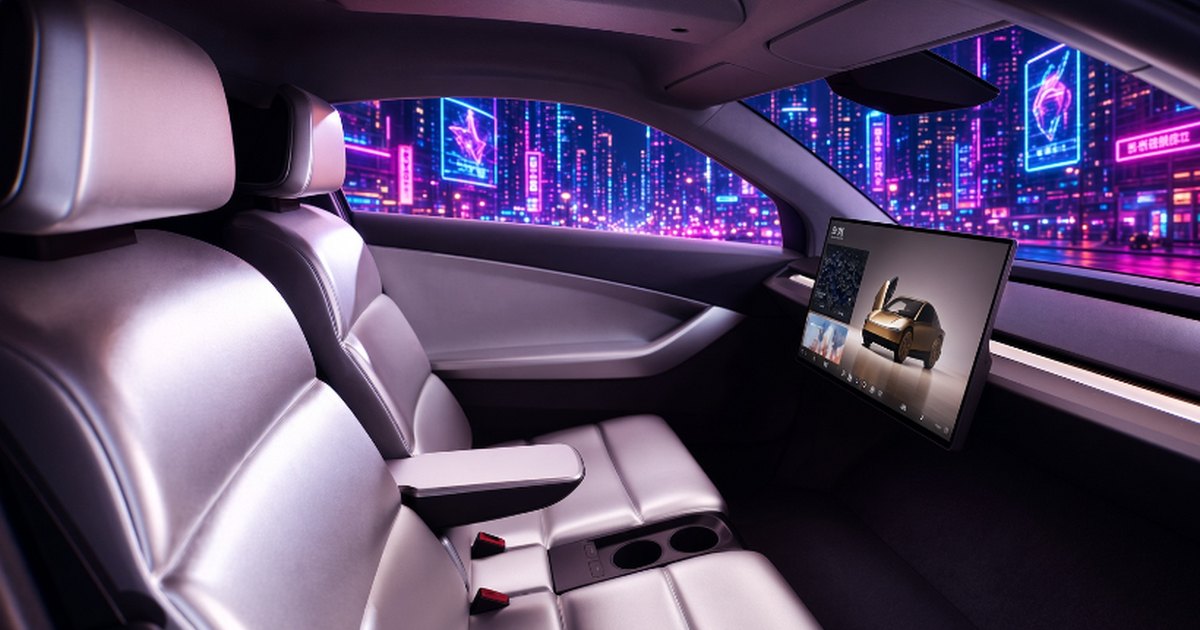
- No steering wheel, no pedals: it can only drive itself.
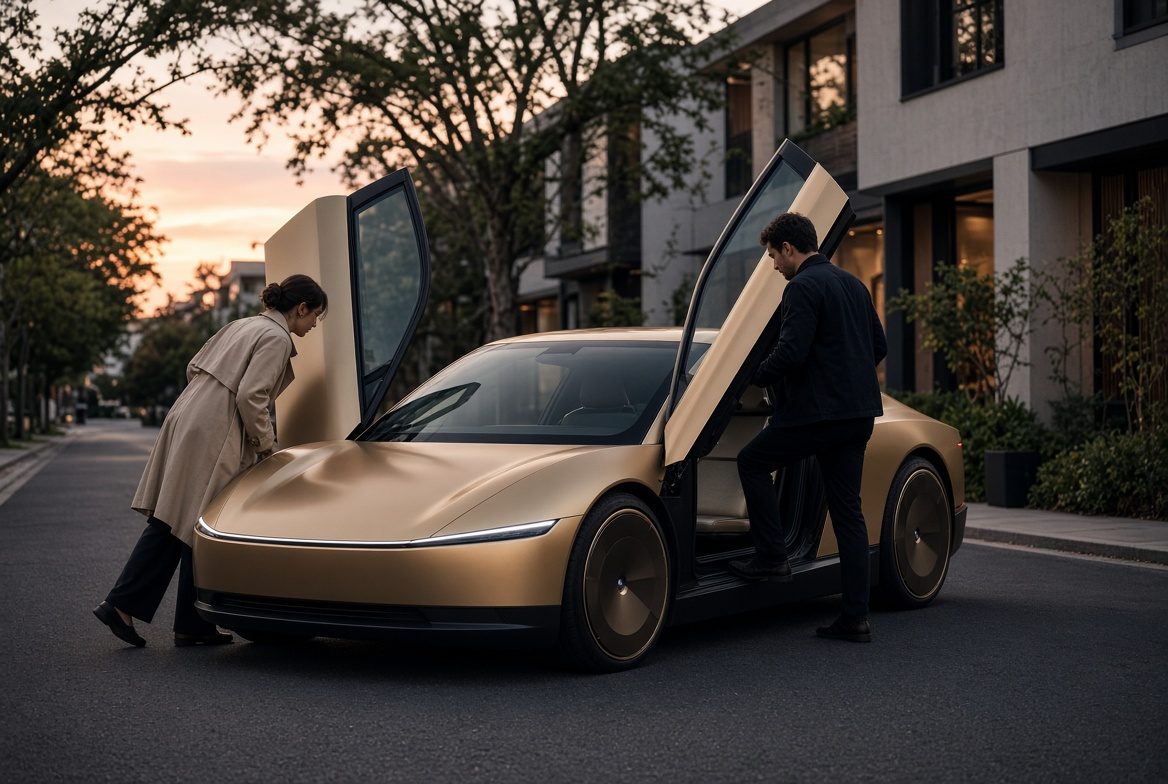
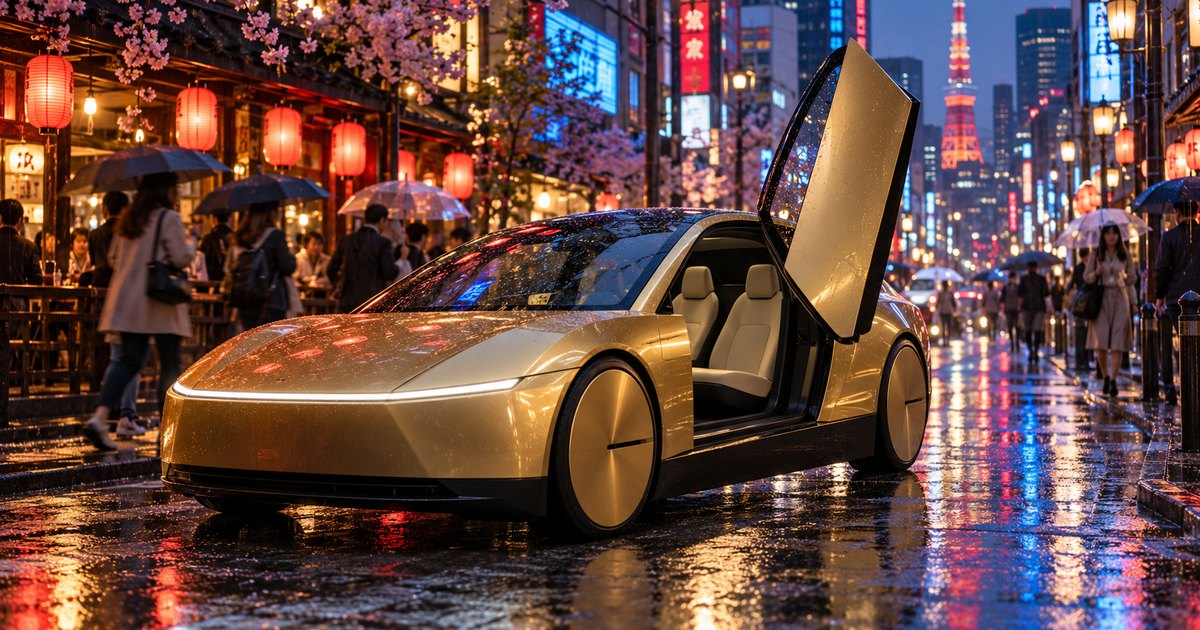
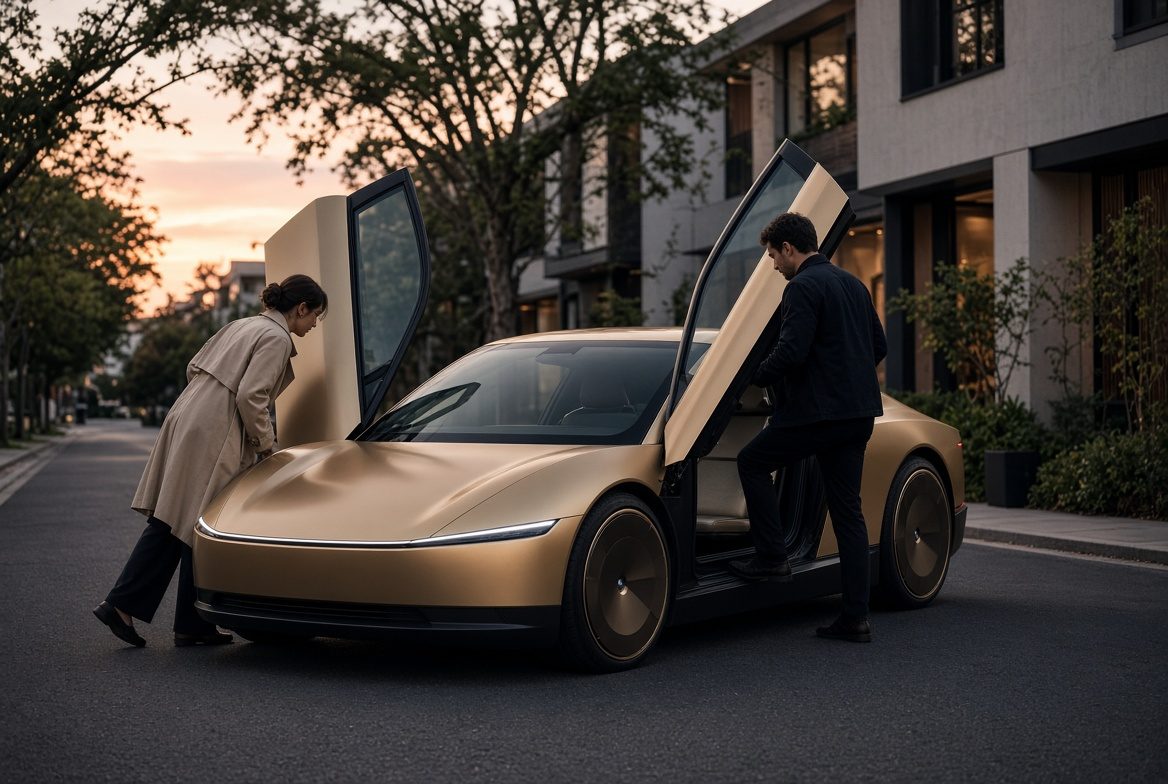
- Two seats and butterfly doors.
- Small, efficient battery: 48 kWh of Tesla 4680 cells, with a preliminary EPA range of about 293 miles (472 km).
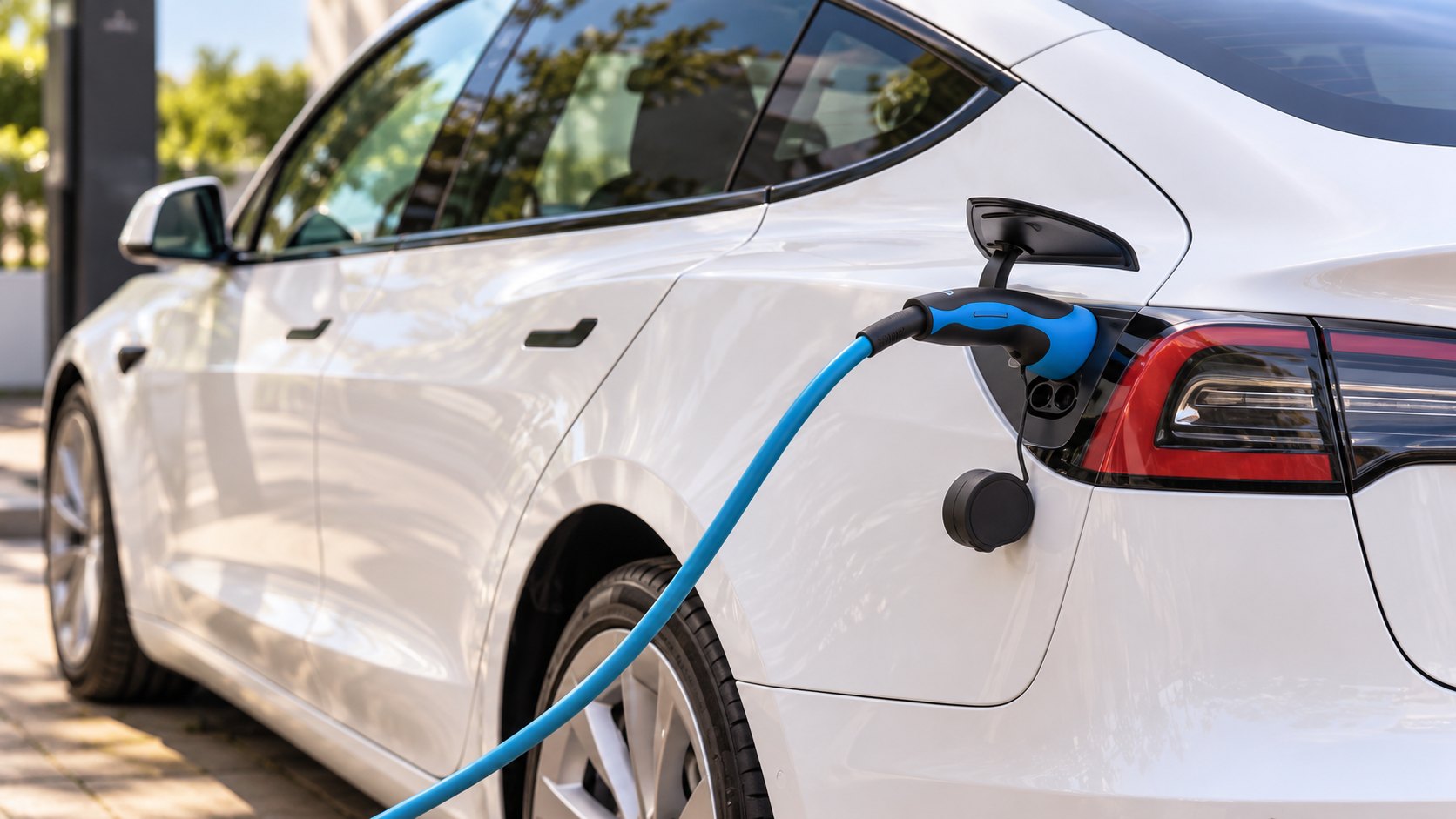
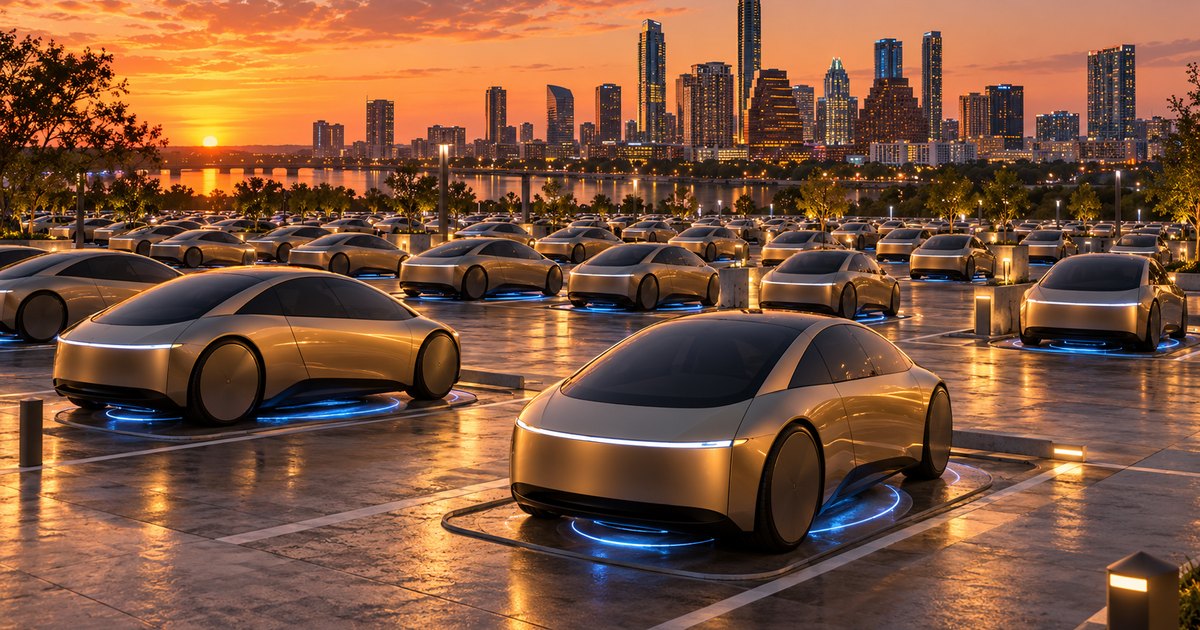
- Built for low cost per mile: fast DC charging only, no AC charging for home use, and Tesla is testing hubs with wireless charging pads.
The differences side by side
- What it is: Robotaxi is a service and an app. Cybercab is a car model.
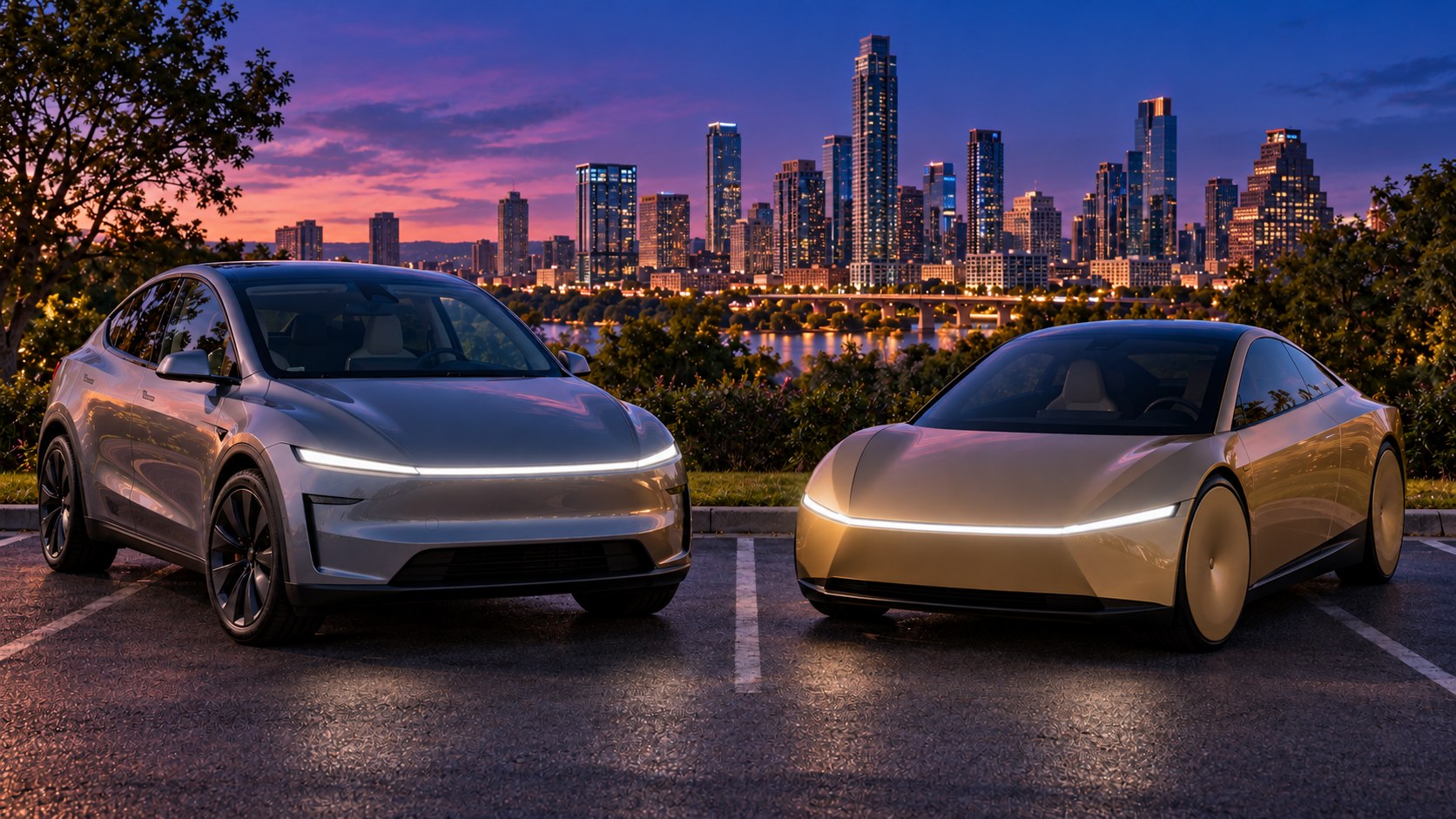
- Vehicles: Robotaxi uses Model Y cars and Cybercabs. The Cybercab is one specific vehicle.
- Driver controls: a Robotaxi Model Y still has a steering wheel and pedals. The Cybercab has neither.
- Seats: up to five in a Model Y, two in a Cybercab.
- Where: Robotaxi runs in seven US metro areas. The Cybercab only drives passengers in Austin so far; Tesla said on its Q3 2026 earnings call that Dallas is next, planned for November.
- Price: early reports pointed to lower fares for Cybercab rides than for the regular Robotaxi service, but Tesla has not published a full fare table.
Can you buy one?
The Robotaxi service is not something you buy, you book it. Tesla has talked about owners one day adding their own cars to the network, but that is not available yet.
The Cybercab, for now, goes into Tesla's own fleet. On the Q3 2026 call, engineering chief Lars Moravy said Tesla is trying to deliver the first Cybercabs to private customers by the end of 2026, while Elon Musk said most Cybercabs will stay with Tesla and be sold as a ride service. The Model 3, Model Y and the new Roadster remain the cars Tesla expects people to own.
Why the difference matters
The Model Y robotaxis show that Tesla can turn ordinary production cars into driverless taxis with software, which makes it quick to grow a fleet. The Cybercab is the next step: a cheaper, simpler car built only for that job, which Tesla needs to reach its target of a running cost below $0.30 per mile. Whether that works will show as the Cybercab spreads beyond Austin, and as regulators decide how a car without a steering wheel fits the rules.
Sources (4)
Images are illustrations; some are made with AI.