NHTSA proposes optional cyan lights for driverless cars and rewrites lighting rules for vehicles like the Cybercab3 min

NHTSA proposes optional cyan lights for driverless cars and rewrites lighting rules for vehicles like the Cybercab

Robotaxi ·

The US safety regulator wants to let self-driving cars carry up to eight steady cyan lamps that show no human is watching the road, and to drop steering-wheel-based lighting rules for cars without manual controls. Here is what the proposal says and what it means for Tesla.

The US National Highway Traffic Safety Administration (NHTSA) has proposed changes to the federal lighting standard so that it fits cars with no steering wheel or pedals. The proposal also creates an official, optional signal for self-driving cars: cyan marker lamps. The document went on public inspection on October 23 and is scheduled for publication in the Federal Register on Monday, October 26, followed by a 30-day comment period.

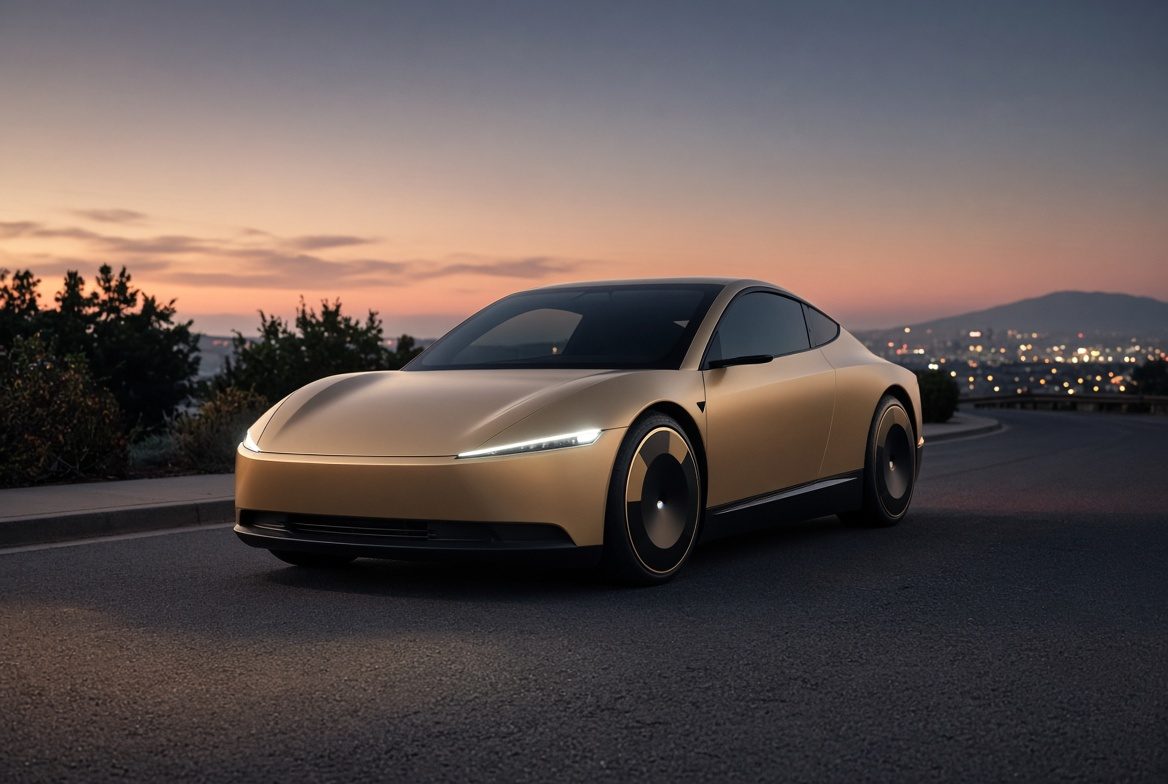
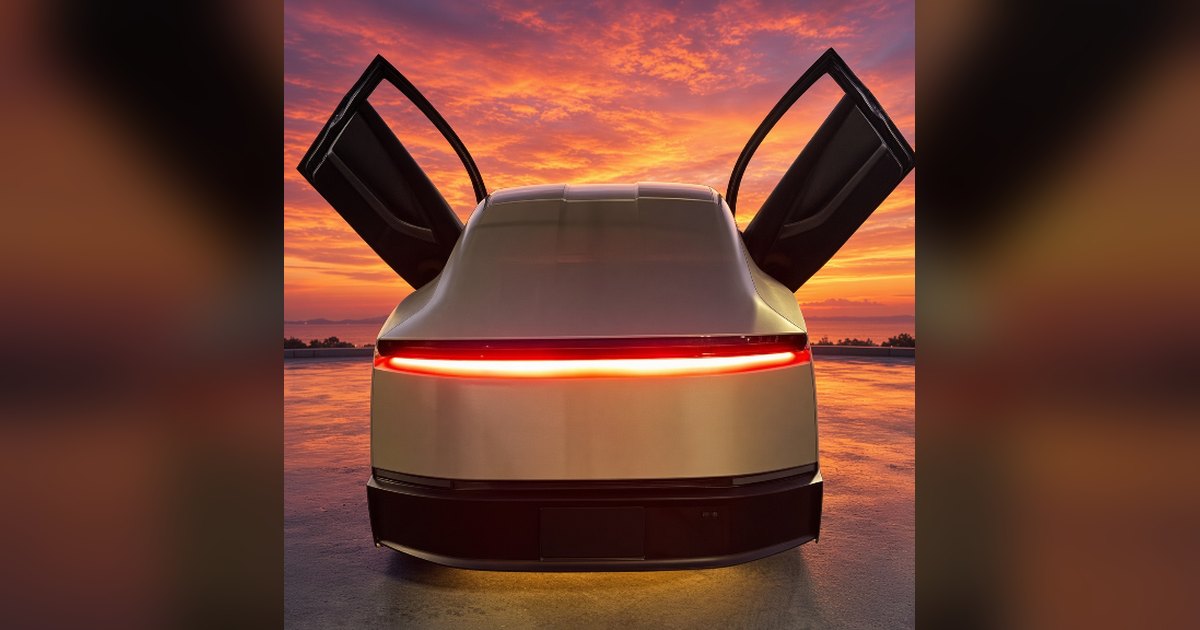
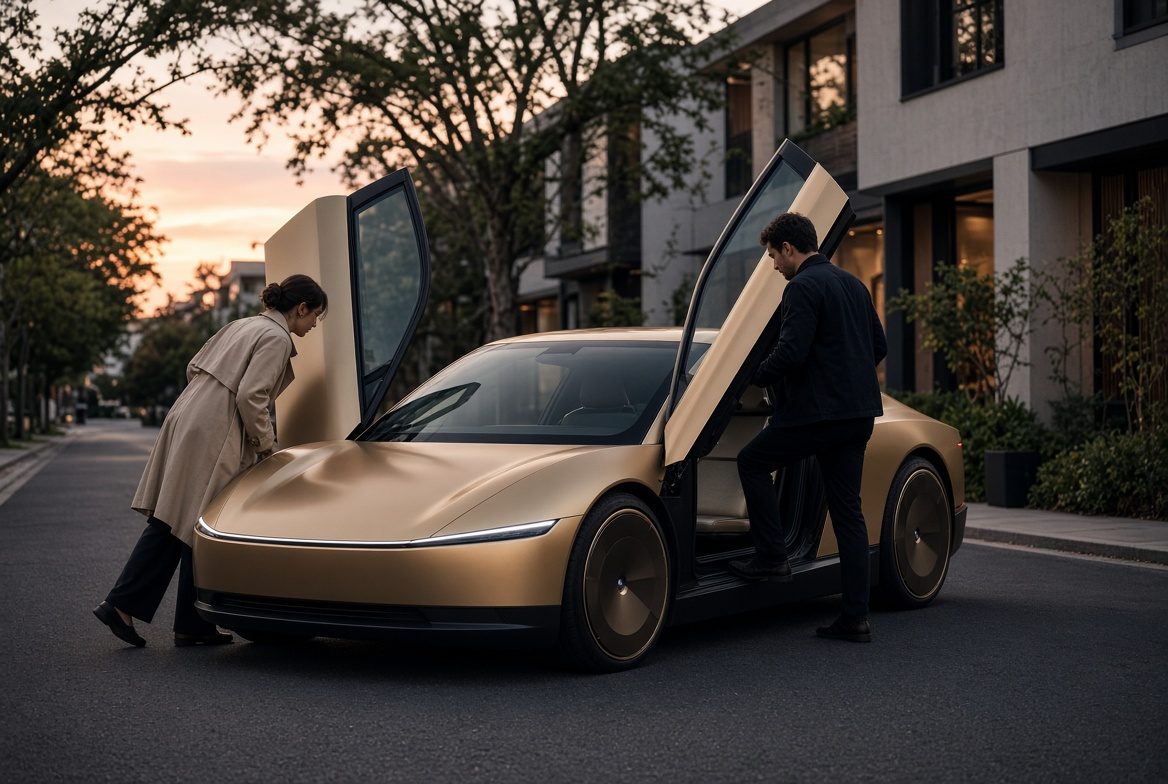
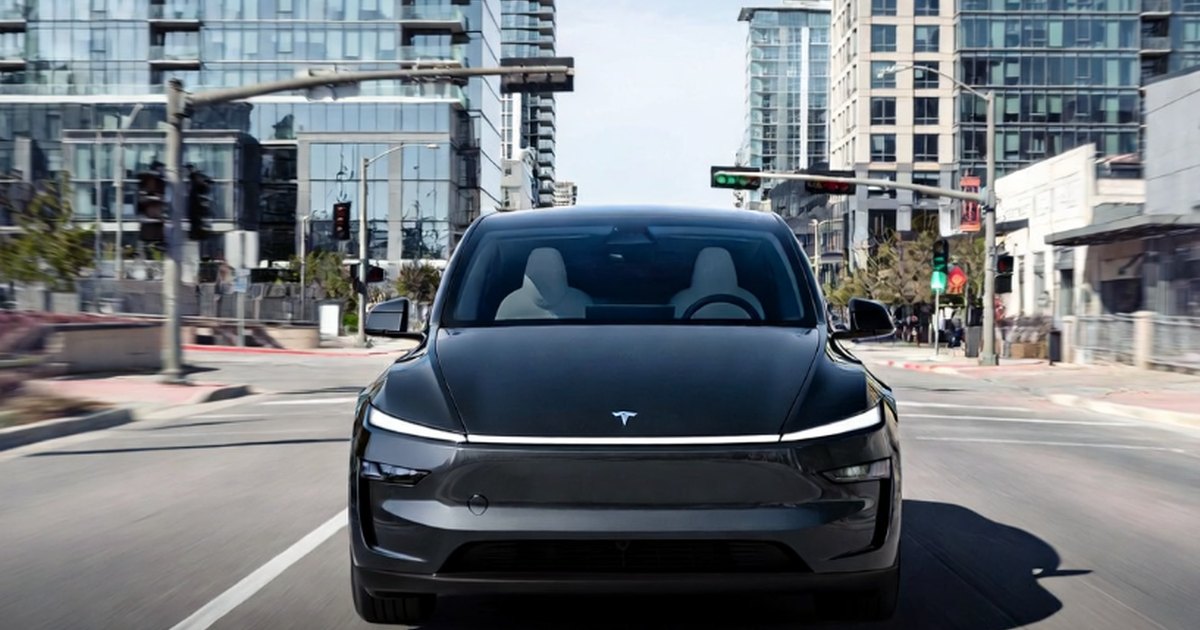
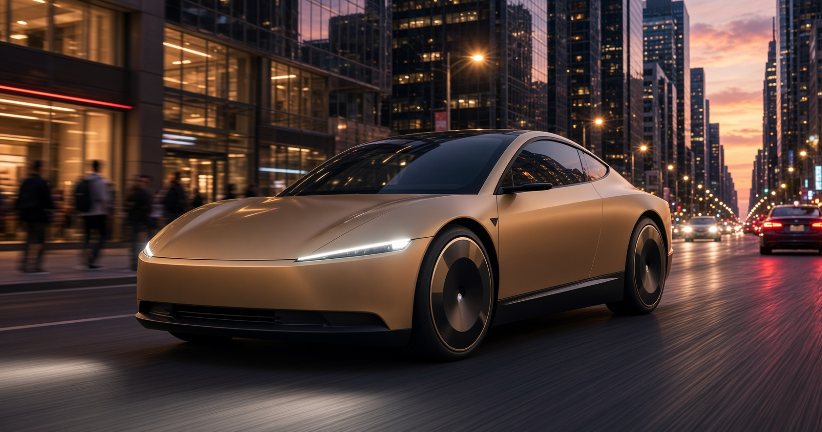
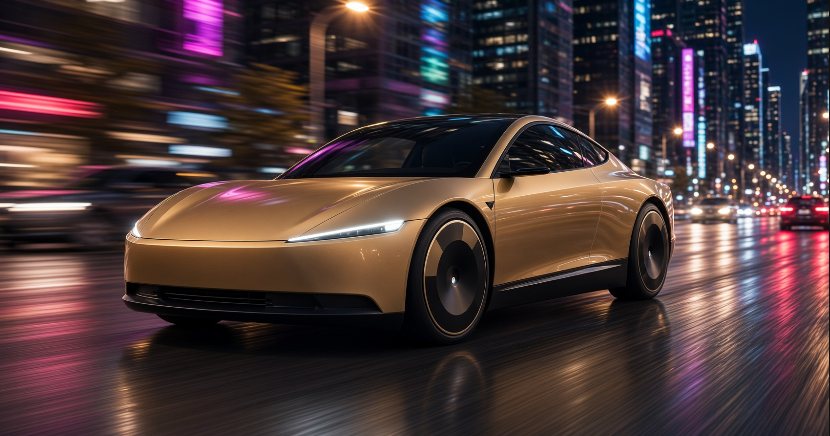
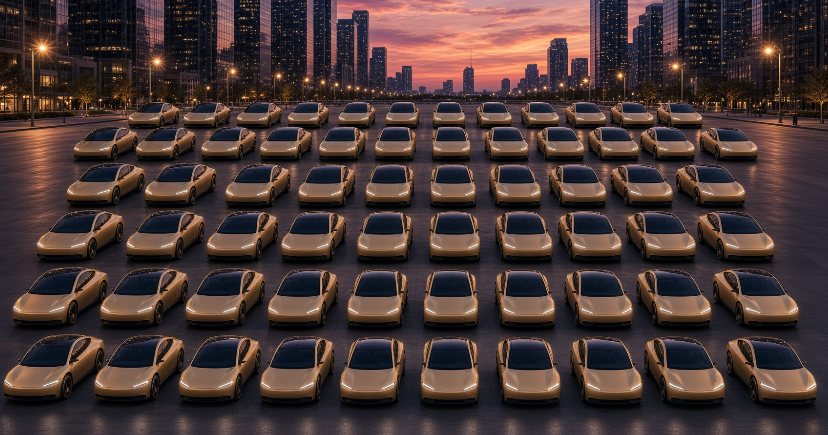
Tesla is not named, but the Cybercab is exactly the kind of vehicle the rule is written for.

Cyan lamps: what NHTSA proposes

The lamps would be optional. But a carmaker that fits them would have to follow one common design:

  • Four to eight lamps: one or two each at the front, on each side and at the rear, with at least one visible from every direction.
  • At least 15 inches (about 38 cm) above the ground.
  • Steady, not flashing. NHTSA asks for comments on whether flashing should be allowed for signalling.
  • Colour: the blue-green cyan defined in the SAE J578 standard, which looks different from the blue used by police.
  • Meaning: the lamps would only be on when the car is driving itself with no expectation that a person inside is monitoring the road.

NHTSA points to an updated SAE standard, work at the United Nations, and input from Mercedes-Benz, which told the agency it tested cyan lamps on five vehicles in California between 2023 and 2025. California already allows such lamps under state law.

Rules written for drivers, rewritten for software

The second part of the proposal deals with requirements that assume a human driver. Today, turn signals on most passenger cars must cancel themselves when the steering wheel turns back and must be cancellable by hand. The high-beam switch must work with a simple hand or foot movement. Dashboard warning lights must show when the indicators or high beams are on.

Under the new wording, those rules would only apply to vehicles with 'manually operated driving controls'. A driverless car would still need turn signals, hazard lights and a way to switch beams, but that could be done by the computer. The word 'driver' would disappear from the definition of the hazard warning switch. NHTSA's reasoning is simple: an automated system cannot forget that its indicator is on, so a self-cancelling mechanism adds no safety.

NHTSA calls the proposal deregulatory and expects no extra costs. It also includes two changes for ordinary cars: integral beam headlamps would be tested at their marked voltage rather than a fixed 12.8 volts, and low beams would no longer have to sit above high beams in vertical layouts.

What it means for Tesla and the Cybercab

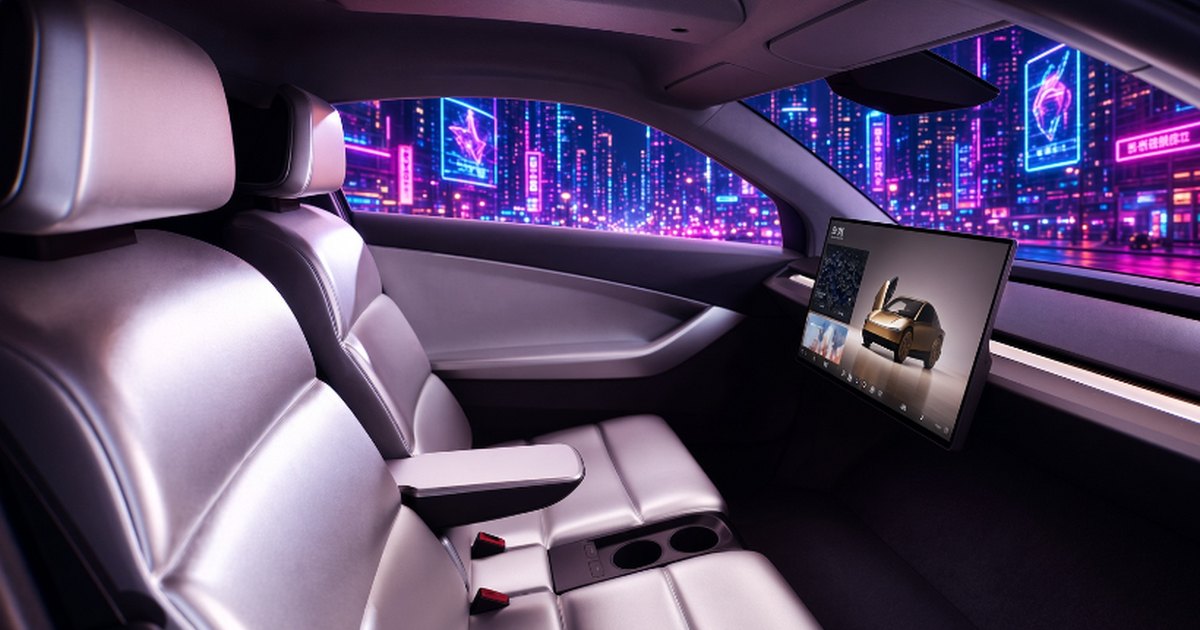
The Cybercab has no steering wheel, pedals or mirrors. Tesla says it meets federal safety standards as built and does not need an exemption. That matters, because exemptions are capped at 2,500 vehicles a year per manufacturer. NHTSA is checking Tesla's claim and has given the company until October 30 to provide sworn answers on how it certified the car.

A rule like this would remove some of the grey areas in the lighting standard for vehicles like the Cybercab. NHTSA itself says that without such updates, makers of driverless cars would probably keep asking for exemptions. The proposal follows earlier 2026 plans to update rules on gear selection, wipers, defrosting and tyre information for cars without manual controls.

Why it matters

Cyan lights would give police, pedestrians and other drivers a quick, consistent way to tell that nobody is driving. Because the lamps are optional, it is not yet clear whether Tesla would use them.

What to watch next

Comments will be open for 30 days after publication. After that, NHTSA can finalise, change or drop the rule. In the short term, the bigger date for Tesla is October 30, when its Cybercab answers are due.
Sources (2)
11 kW

A 22 kW charger won't charge your Tesla any faster

Most Tesla models charge at home at up to 11 kW AC.

Read why →
3 min

Tesla's Robotaxi app code hints at letting owners add their own cars to the fleet

A teardown of Tesla Robotaxi app version 26.10 found code for enrolling privately owned Teslas in the ride-hailing network, chosen by VIN. It also reveals rider features such as AR car finding and rear-seat controls. Nothing is confirmed yet.

4 min

How to ride a Tesla Robotaxi: the app, the seven cities, prices and what to expect

Planning to try a driverless Tesla? Here is a practical guide to the Robotaxi app, where the service runs, what a ride costs, how the Cybercab differs from a Model Y, and the limits to know before you go.

4 min

Tesla Robotaxi reaches COTA for the US Grand Prix and now runs until 1 a.m. in Austin

Ahead of the Formula 1 weekend, Tesla's Robotaxi app in Austin added the Circuit of the Americas to its service area and pushed last call to 1 a.m. Here is what changed and why race weekend is a real test.

3 min

The Cybercab's first reported crash: a 5 mph drive into a flooded pothole in an Austin parking lot

Federal crash data show the first reported incident involving Tesla's Cybercab: a low-speed drive into a water-filled pothole in August, with a safety monitor aboard and no one hurt. Here is what the report says, and why it is not in Tesla's own safety numbers.

3 min

Tesla's first Robotaxi safety report: 3.1 million driverless miles, zero injuries, and four new cities

Tesla has published its first Robotaxi safety report, claiming 3.1 million miles without a safety monitor and no injuries. It also names Las Vegas, Phoenix, Jacksonville and San Antonio as the next cities. Here is what the numbers show, and what they leave out.

2 min

Where Tesla Robotaxi operates now: six cities without a safety driver

From Austin to Tampa, Tesla's Robotaxi service is live in six US cities without a safety driver, plus the Bay Area with one. Here is the full list and what is coming next.

3 min

NHTSA reviews claims that Tesla Robotaxis speed through school zones: about 1,000 Model Y and Cybercab cars covered

US safety regulators have opened a defect petition review after a complaint that Tesla's driverless Robotaxis ignore lower speed limits in active school zones. No crashes or injuries are reported, but a formal investigation is possible.

3 min

A Tesla Cybercab loses a door panel in a Philadelphia crash, revealing its testing far from Texas

Photos from South Broad Street show a gold Cybercab with its driver-side door skin torn off after a low-speed collision. It is unclear who was at fault or who was driving. The crash confirms that Tesla is testing Cybercabs in Pennsylvania, where it has no self-driving permit.

2 min

Tesla asked for eight more weeks to answer NHTSA on the Cybercab. It got 30 days

The US regulator has moved Tesla's deadline to October 30. Its 21 questions cover everything from mirrors and brakes to why Tesla never applied for an exemption.

2 min

Tesla takes the Cybercab on tour in Japan: Tokyo, Osaka and Nagoya

After its Austin launch, the Cybercab heads to Asia for a series of public displays. There are no rides or sales in Japan yet; it is about putting the robotaxi in front of the public.

2 min

Tesla Cybercab specs explained: battery, range, weight and why it skips AC charging

A small battery, a light body and DC-only charging: the Cybercab's numbers show a car built for one job. Here is what is inside and what it tells us about Tesla's robotaxi plans.

2 min

More than 73,000 people raise their hand to buy Cybercabs for fleet use

Tesla opened an interest form for businesses that want to buy and run Cybercab fleets. The number of clicks is big, but it is a signal of curiosity, not a pile of orders.

2 min

US safety regulator probes how Tesla certified the Cybercab, one day after launch

NHTSA has opened an audit into Tesla's claim that the steering-wheel-free Cybercab meets every federal safety standard. Here is what the agency wants to know and why it matters.

2 min

Tesla Cybercab launches in Austin: a low-key event, then the first paid rides

Tesla's two-seat robotaxi without steering wheel or pedals made its debut in Austin. The launch itself was modest, but paying riders can now hail one through the Robotaxi app.

3 min

Tesla Robotaxi expands to Dallas and Houston, its first new cities after Austin, without a safety monitor

Tesla has started its Robotaxi service in Dallas and Houston, the first expansion beyond Austin and the Bay Area. The service areas are small and Tesla shared few details, but the cars run with nobody in the driver's seat.