 3 min
Tesla's Robovan could carry crowds in the Vegas Loop, but only once the tunnels reach 1,200 Teslas
The Boring Company's president says the 20-seat Robovan would handle event surges at Allegiant Stadium and the Sphere after the network is fully built. What is planned, and what is still uncertain.
Tesla's Robovan, the boxy 20-passenger concept shown alongside the Cybercab in October 2024, now has a possible first job: moving crowds through The Boring Company's tunnels under Las Vegas. The Boring Company's president Steve Davis has described how the van could be used in the Vegas Loop. But there is a big catch. It will not happen until the network is much larger, and Tesla has not said when, or whether, the Robovan will be built.
What was said
In an interview with the Las Vegas Review-Journal, reported by Casino.org and Tesla blog Tesery on January 12, 2026, Davis said the Robovan would be introduced once the Loop spans the Strip and downtown and its fleet reaches about 1,200 Teslas. Its role would be to absorb surges at big events, such as football games at Allegiant Stadium or shows at the Sphere.
Because event crowds are predictable, Davis said, operators could see the demand coming "an hour before, two hours before" and send larger vehicles where they are needed. Regular Teslas would continue to handle everyday trips.
The key facts
- Robovan: a self-driving electric van for up to 20 people, unveiled by Tesla in October 2024. It is not in production and has no production date.
- Timing in the Loop: only after full build-out, currently estimated at 2028 to 2029.
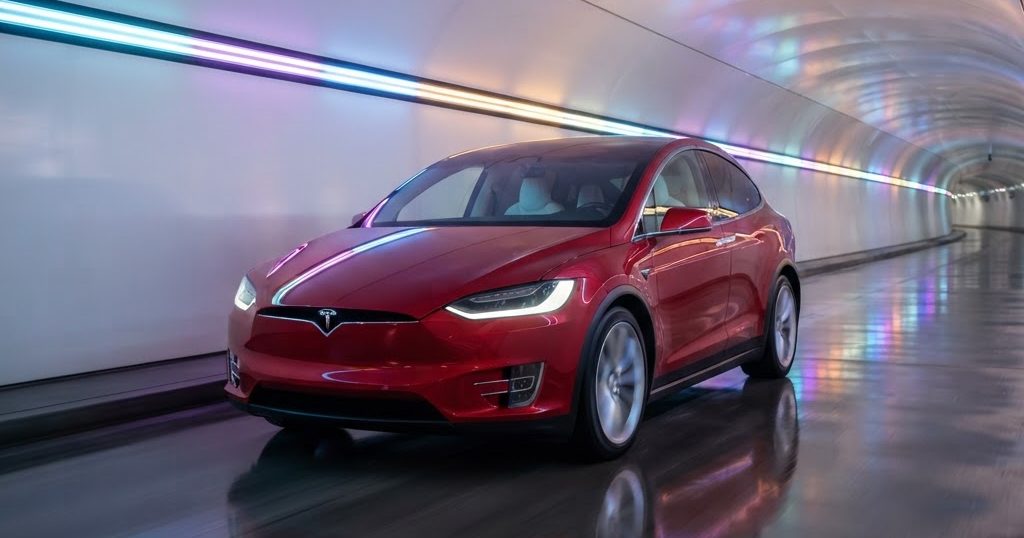
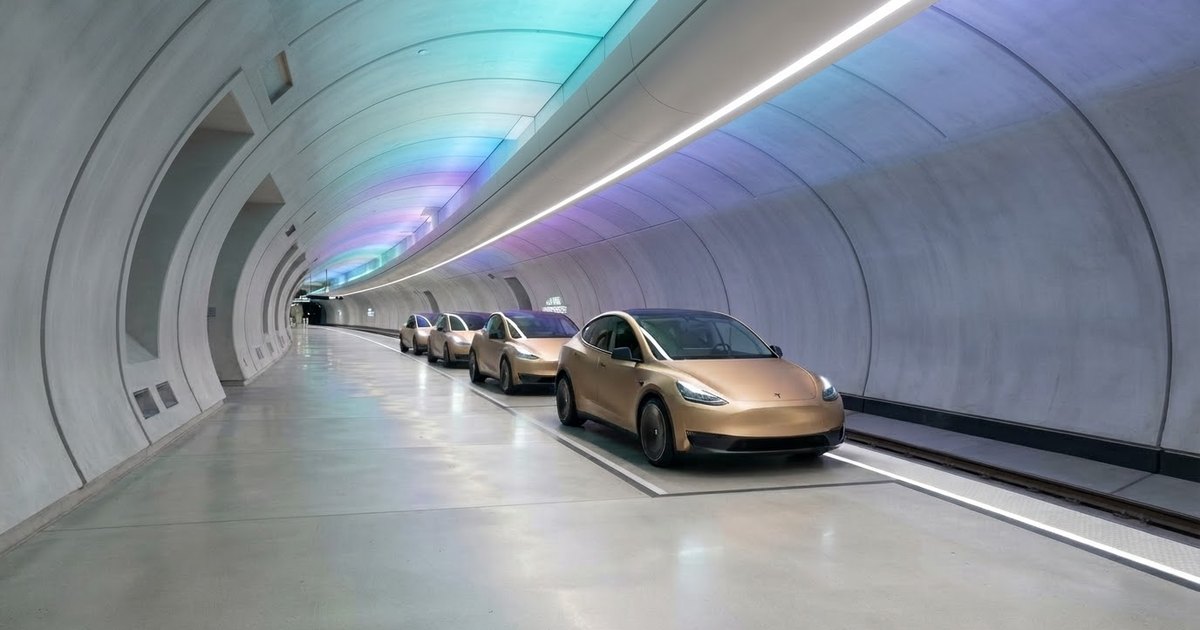
- Loop today: stations at Resorts World, Westgate, Encore and the Las Vegas Convention Center, with limited rides to Harry Reid International Airport averaging about 50 a day.
- Next step: a 2.2-mile, two-way tunnel from Westgate to Paradise Road, expected within months, after which the fleet should grow to about 160 vehicles.
- Later: a University Center Loop with up to 300 vehicles, then a full network of 68 miles and 104 stations with up to 1,200 Teslas.
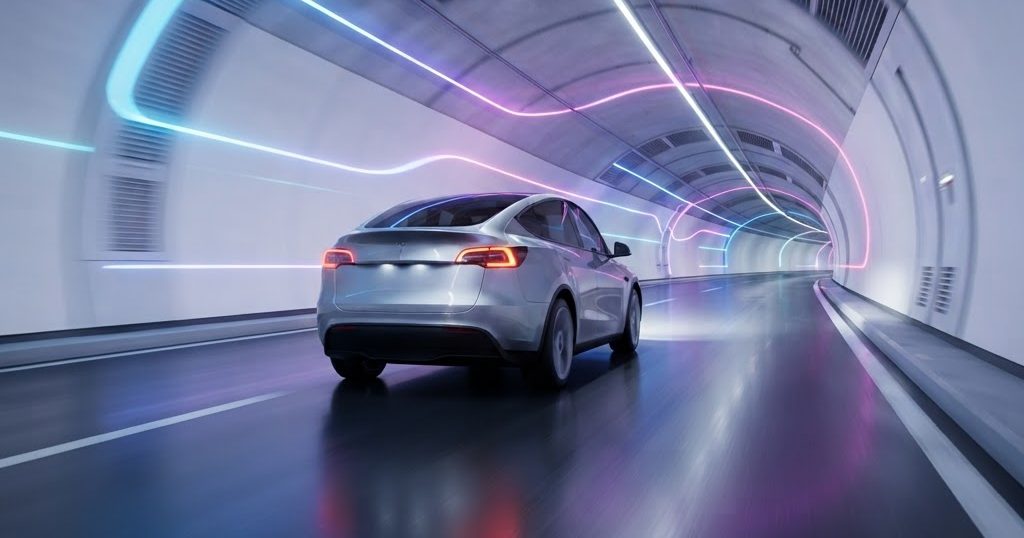
- Speeds: the Loop averages about 35 mph today; on straight sections of the new Paradise Road tunnel, vehicles could reach up to 60 mph.
Will a van fit?
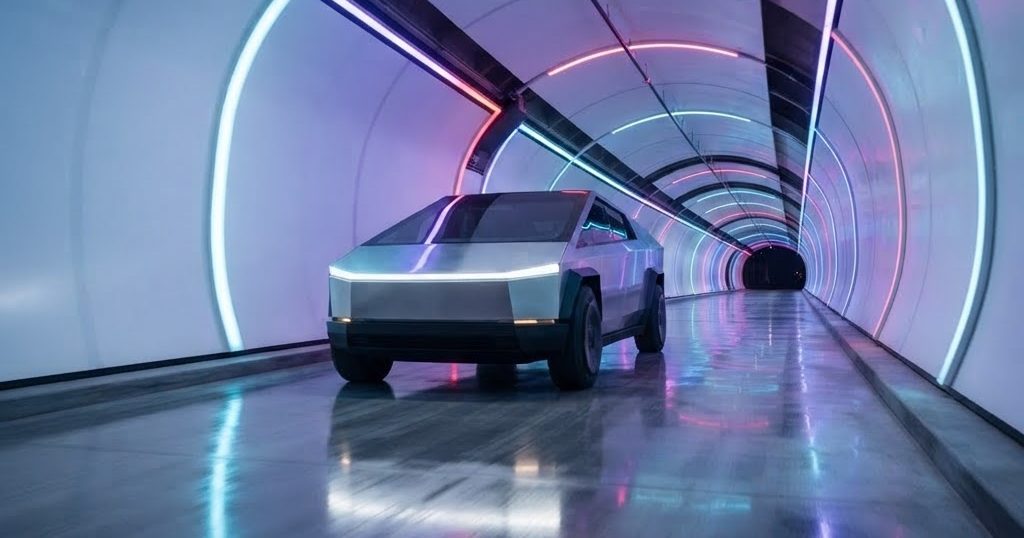
The Loop's tunnels are about 12 feet wide, built for cars rather than trains. Tesla has not published final dimensions for the Robovan, so it is not yet clear what changes, if any, would be needed for stations and tunnels. The vehicle shown in 2024 was a concept, and its specifications could change before any production version exists.
Bigger plans, with caveats
Davis also told the Review-Journal that the company wants to expand to Henderson and Summerlin, starting with one-mile demonstration tunnels, and said he liked the idea of a hyperloop between Las Vegas and Reno. Casino.org noted that hyperloop links to Reno and Phoenix are aspirations, not firm commitments, and that hyperloop technology itself is unproven.
Why it matters for Tesla
For Tesla, the Loop is one of the few places where a product like the Robovan could find a ready-made customer. A closed tunnel network with known routes and planned events is a far easier setting for a large self-driving vehicle than open streets. When Musk revealed the van, he said "the future should look like the future", but Tesla has not given the van a production timeline. A firm order from The Boring Company could become one of the clearest signals that the Robovan is moving from concept to product.
There is also a less glamorous point. A Loop with 1,200 cars needs many drivers unless the vehicles drive themselves. High-capacity vans would carry more people per vehicle, and self-driving software would remove the biggest running cost. Both depend on Tesla.
What to watch
- The opening of the Westgate to Paradise Road tunnel and the growth of the fleet to 160 vehicles.
- Any Tesla update on Robovan development or production.
- Whether driverless rides expand in the Loop, a precondition for a fleet this large.