 3 min
Driverless, but not hands-free: Tesla staff plug in its Robotaxis by hand at an Austin Supercharger
A video from Austin shows ten empty Tesla Robotaxis, including a Cybercab, parking themselves at a Supercharger while one employee plugs them in. It is a stopgap until Tesla's wireless charging hubs are ready.
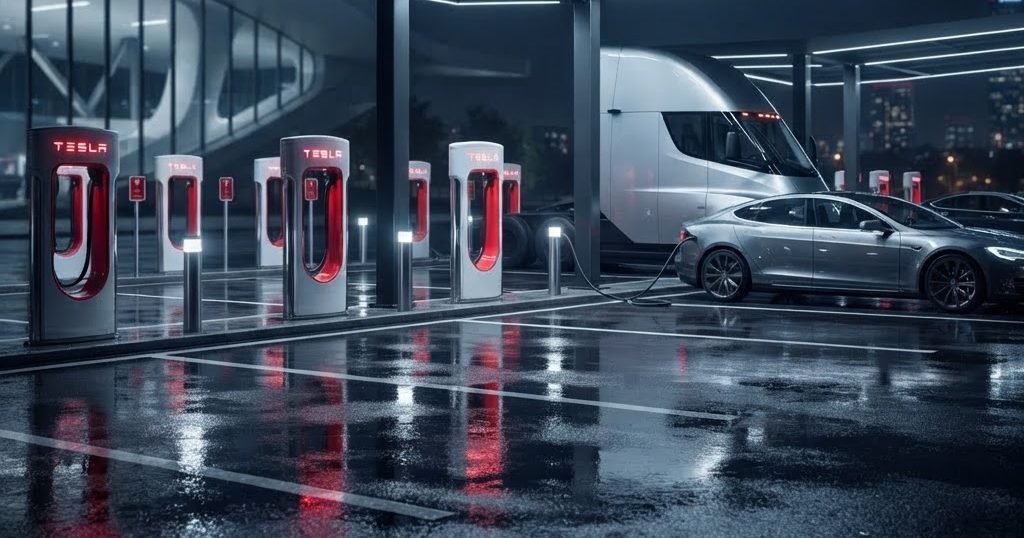
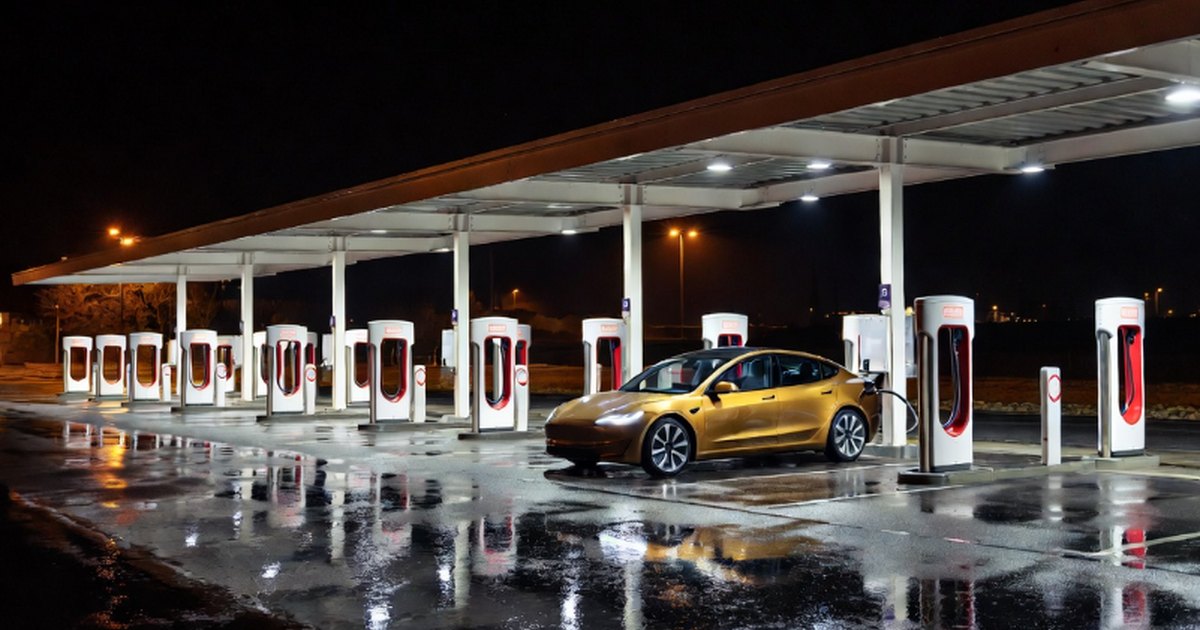
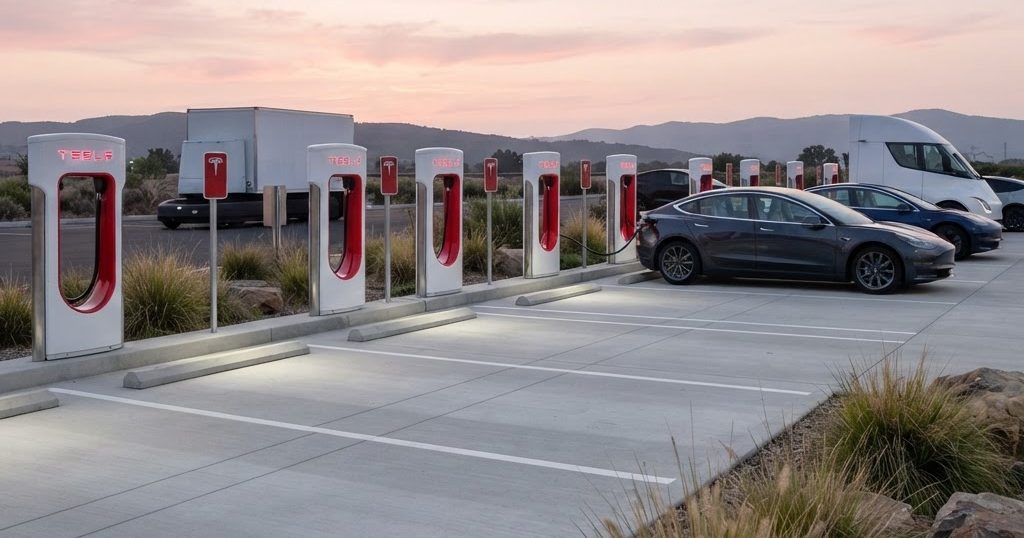
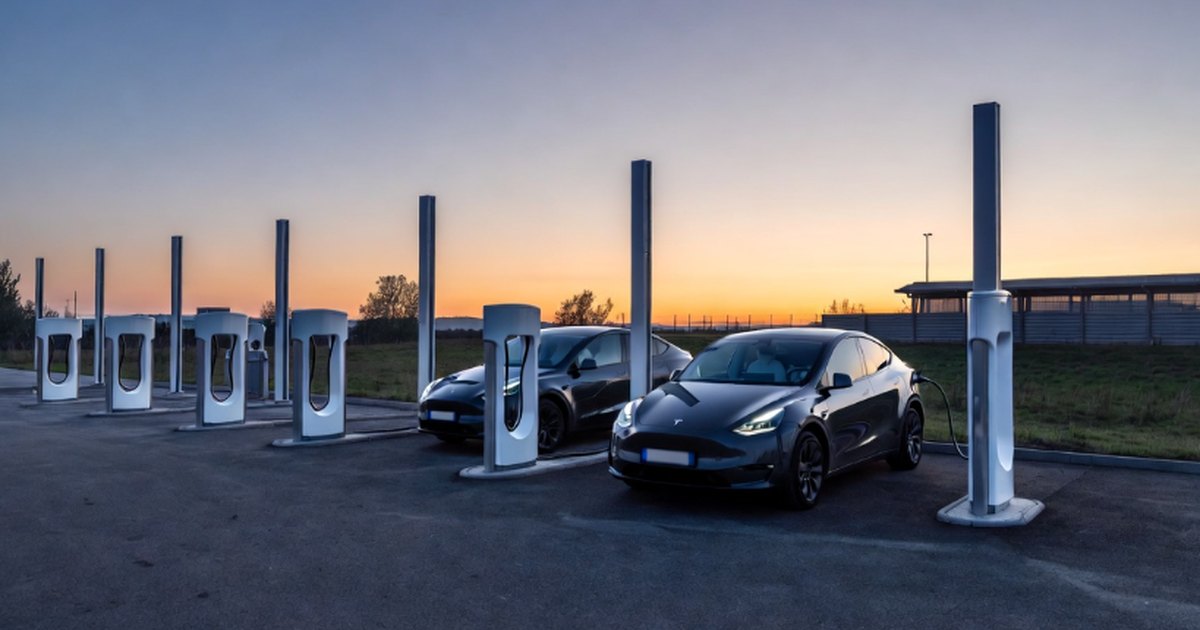
Tesla's Robotaxis can drive themselves across Austin, but at the Supercharger they still need a human. A video posted on X shows a fleet of empty Robotaxis arriving at a public Supercharger in Austin at night, parking on their own, and then waiting for a Tesla employee to plug in the cable.
What the video shows
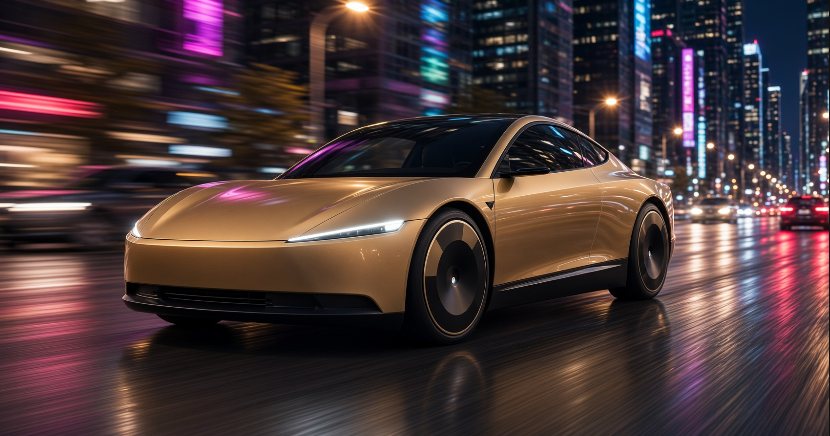
The clip was shared on October 3 by Abhimanyu Yadav and picked up this week by several Tesla news sites. In it, ten vehicles roll in with nobody inside: nine Model Y Robotaxis and one gold Cybercab.
- A single Tesla staff member waits on site and lets each car park itself in a stall.
- She then walks from car to car and connects the charging cable.
- When a car stops too far from the cable, she moves it into a better position.
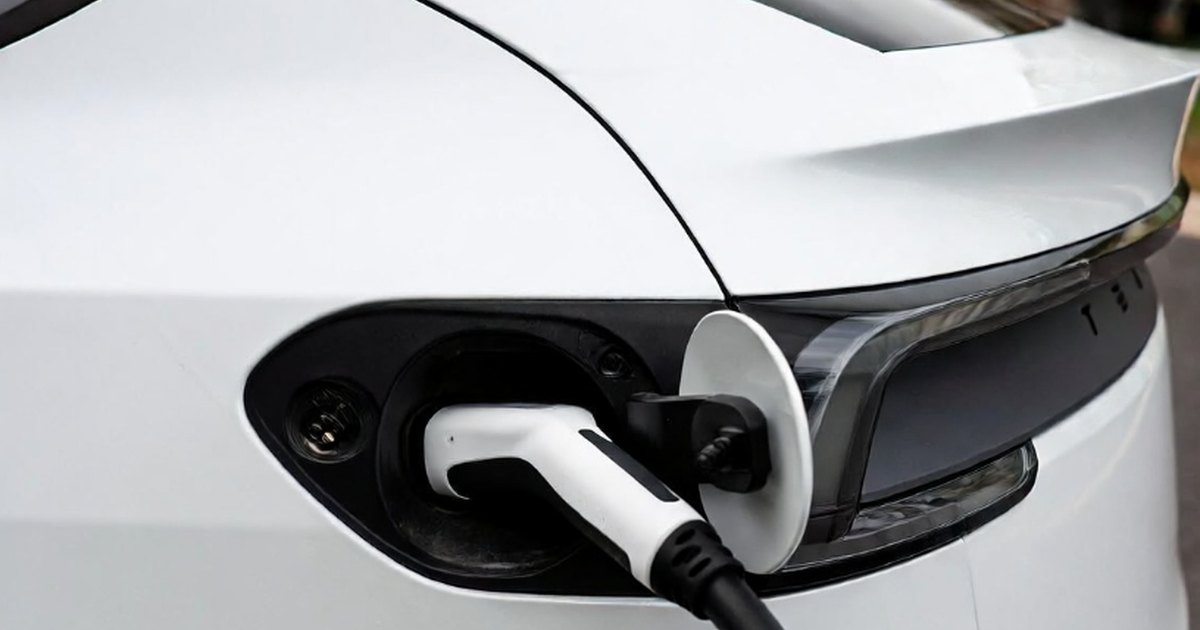
- The Cybercab reverses into its stall, because its charge port sits behind a small flap in a rear corner of the bumper.
Yadav summed it up as one person charging several robotaxis at once. Teslarati described it as the same scrappy approach Tesla used during the Model 3 ramp: get it working first, automate later.
Why the Cybercab needs a Supercharger
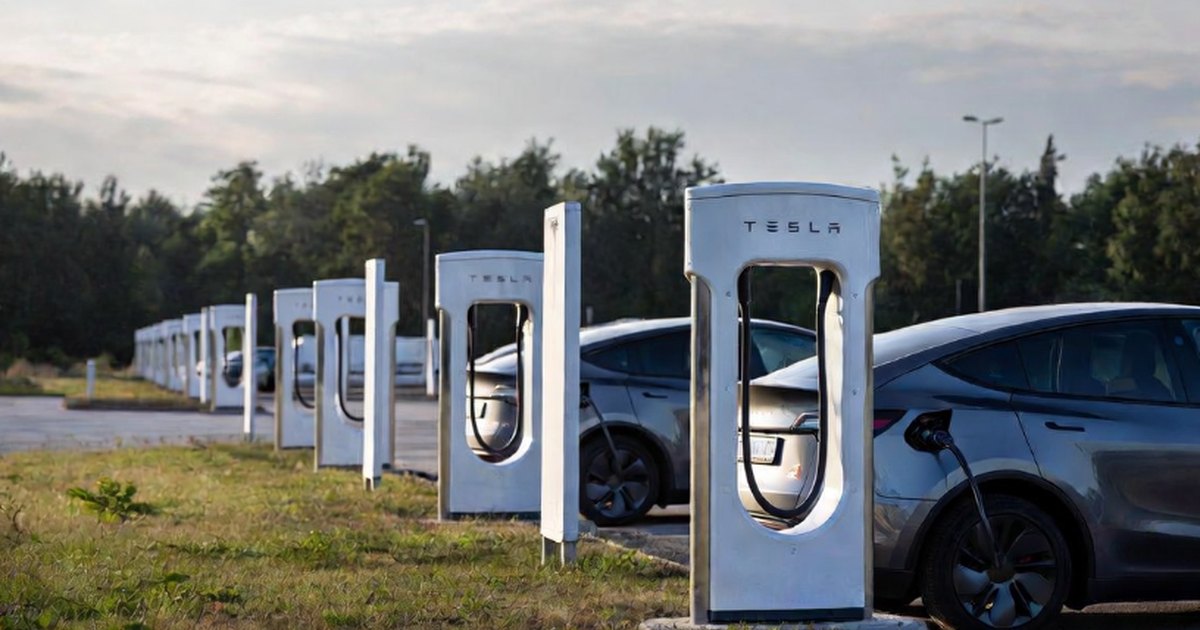
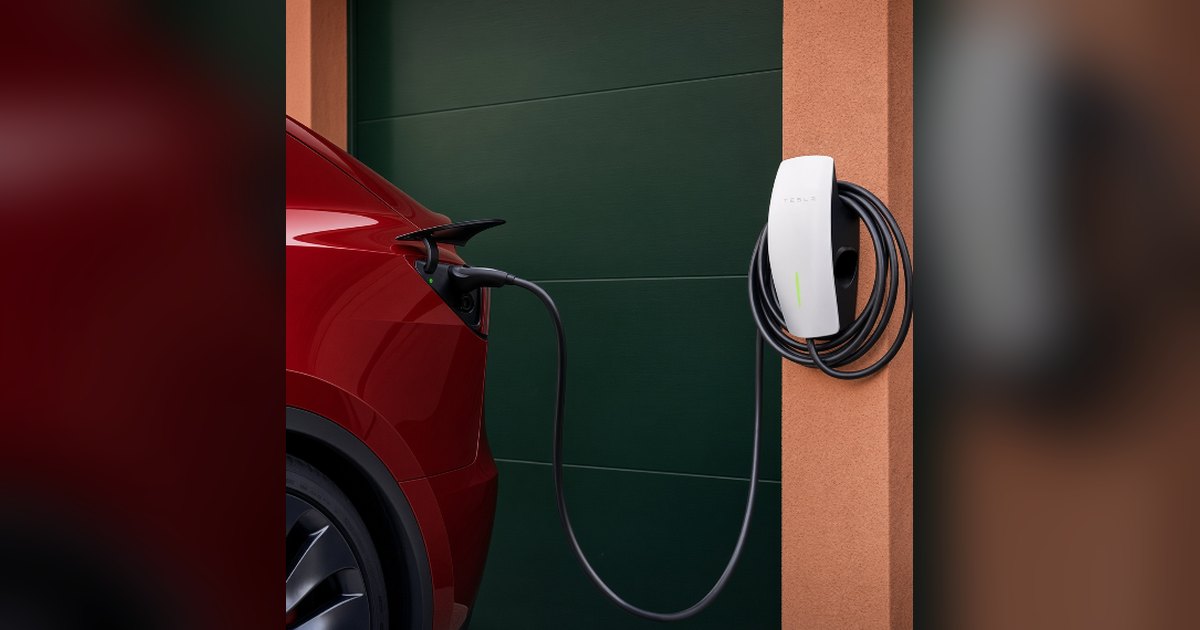
There is a technical reason the Cybercab ends up at public DC stations. It has no onboard charger and does not support AC charging, so it cannot use a normal wall box. It can only charge on DC fast chargers such as Superchargers, or on the wireless system Tesla is building for it.
The Cybercab joined Tesla's Robotaxi fleet in early September, and Tesla now has more than 300 of them in Austin, according to Not a Tesla App. With the Robotaxi service now around 15 months old and the fleet growing, the number of cars that need a plug every day is going up fast.
The plan: wireless charging hubs
Hand-plugging is not meant to last. Tesla's long-term answer is inductive charging, where the car parks over a pad on the ground and charges without a cable.
- Tesla received FCC approval for the wireless system earlier in 2026.
- The car finds the pad with Bluetooth, then uses Ultra-Wideband radio to line up precisely before power flows.
- Tesla says the efficiency is above 90%.
- A new Tesla patent for the system was published in late September, Teslarati reports.
- Tesla is building Robotaxi-only charging hubs, including a planned site in Austin with 80 wireless chargers.
Other companies have tried a different route. An Austrian firm has shown an automated docking system in which a robotaxi reverses onto a NACS connector mounted near the ground. Tesla so far is sticking with wireless pads.
Why it matters
A driverless taxi only saves money if the whole operation runs without staff. Cleaning, inspections and charging are the hidden costs of a robotaxi network, and charging happens every day. As long as an employee has to plug in each car, part of the labour cost Tesla wants to remove is still there. One person can handle many cars, which helps, but it does not scale well to thousands of vehicles across several cities.
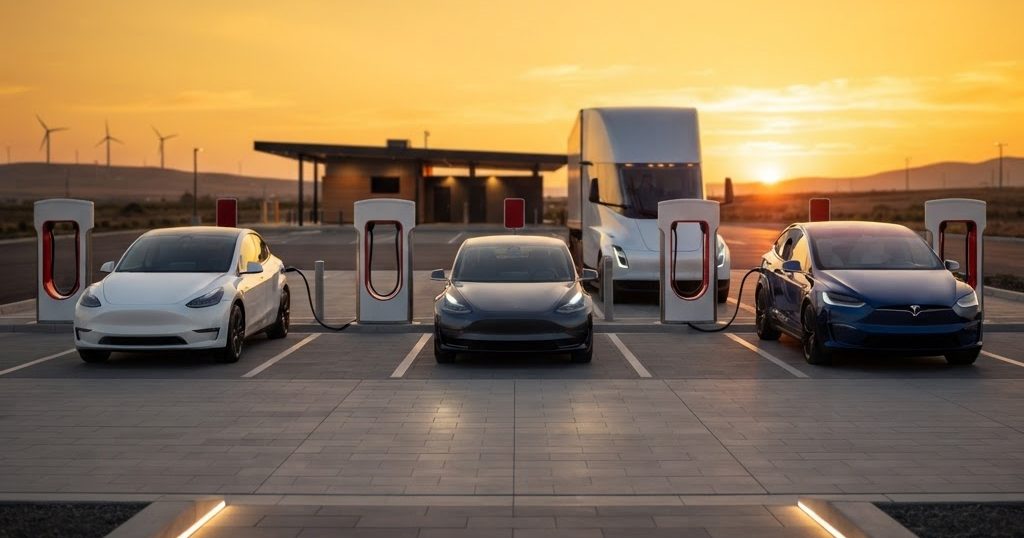
It also means Robotaxis share public Superchargers with regular drivers. At night that is rarely a problem, but a large fleet charging in busy hours could take stalls that private owners want.
What to watch next
The key question is when the first wireless hubs go live in Austin and in Tesla's other Robotaxi cities. Until then, expect more sightings like this one: driverless cars lined up at a Supercharger, waiting for a human with a cable.