 4 min
Tesla Cybercabs ferry F1 fans to the US Grand Prix as Austin sightings hit a record and 463 are now registered
Driverless Cybercabs carried race fans to the Circuit of the Americas this weekend. Trackers logged a record 1,250 sightings on qualifying day, and Texas now lists 463 Cybercabs, though Tesla has not said how many rides it gave.
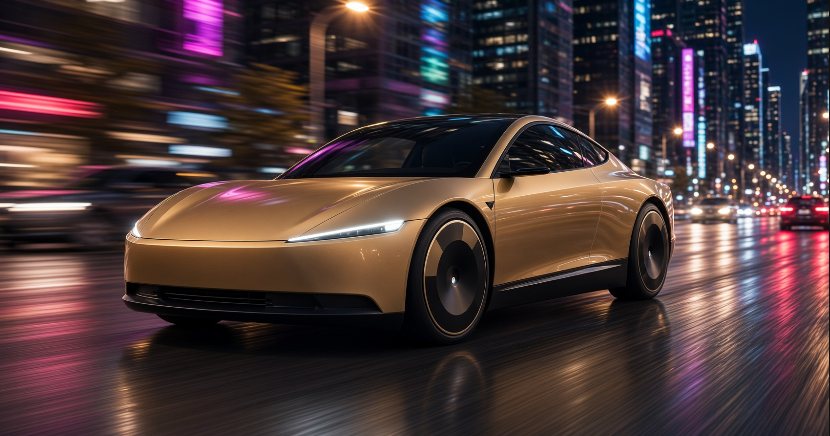
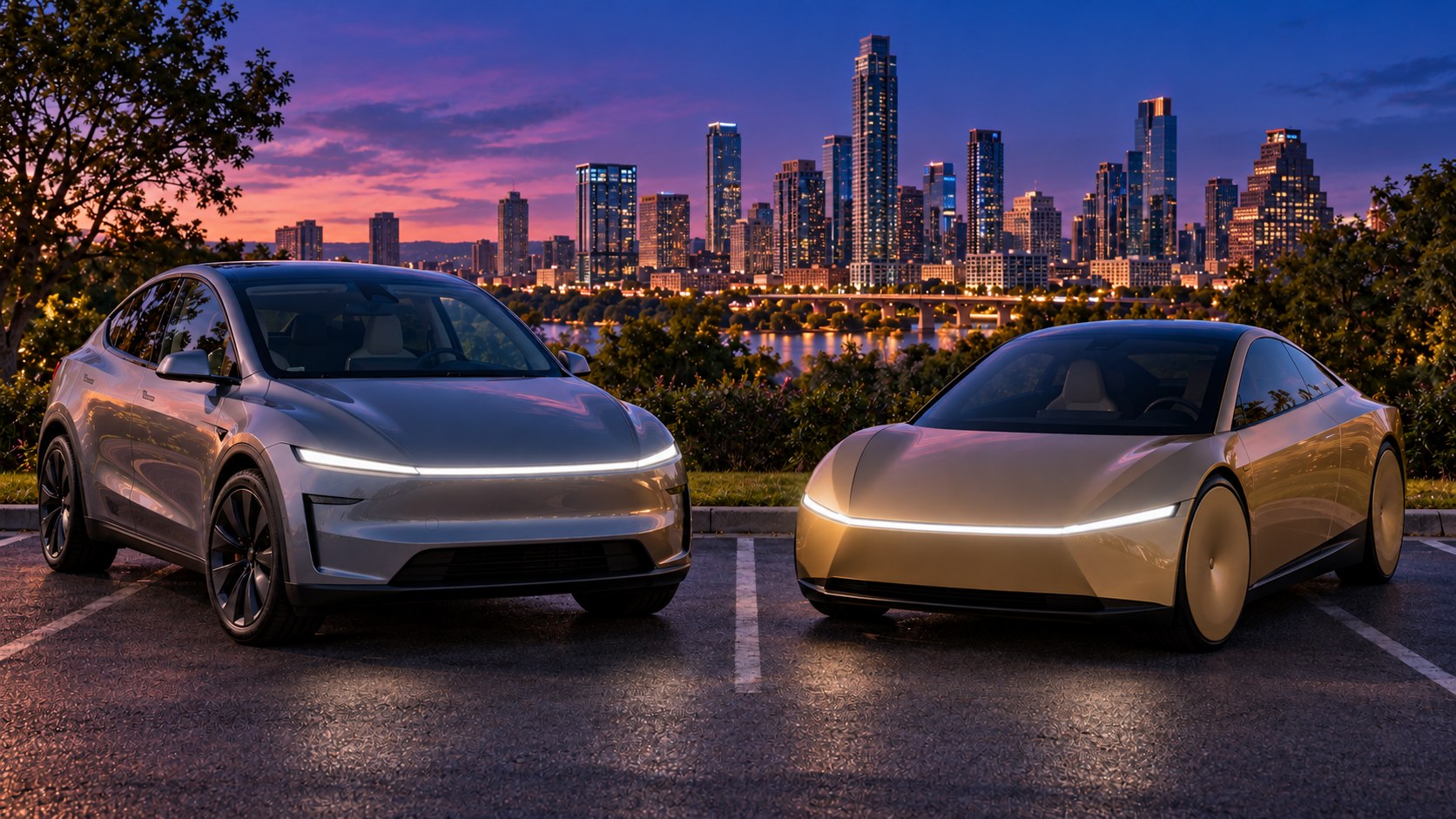
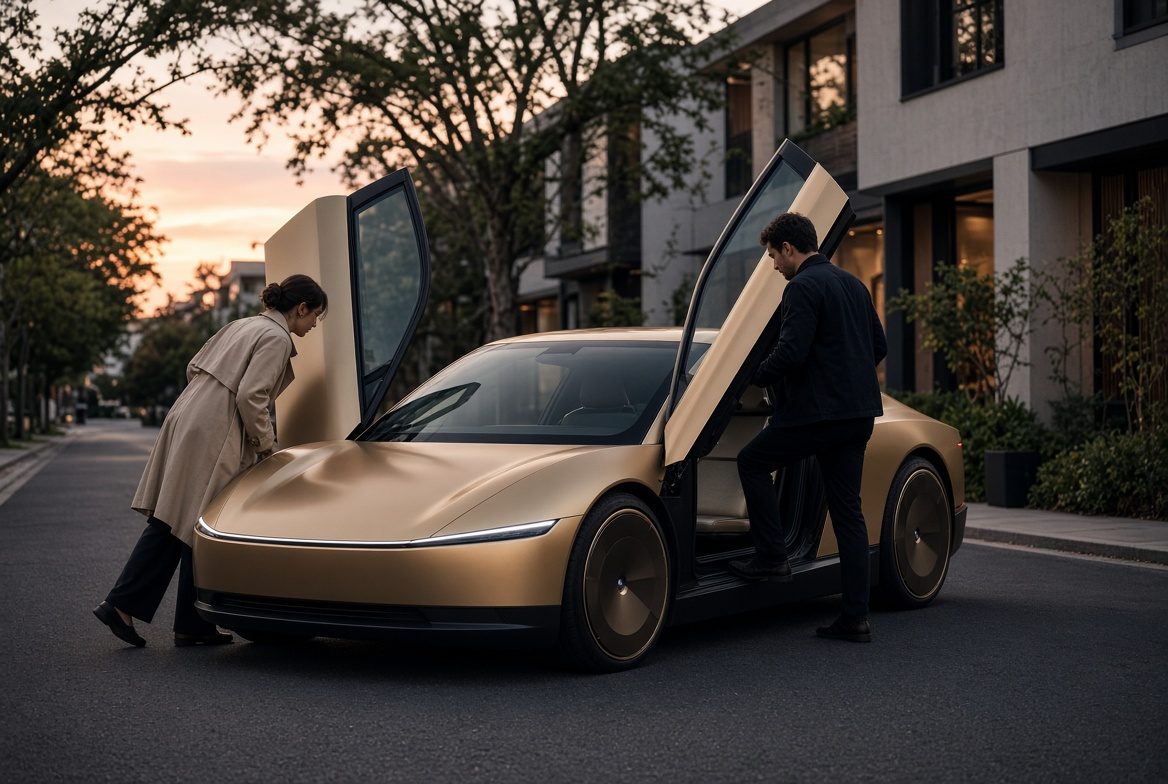
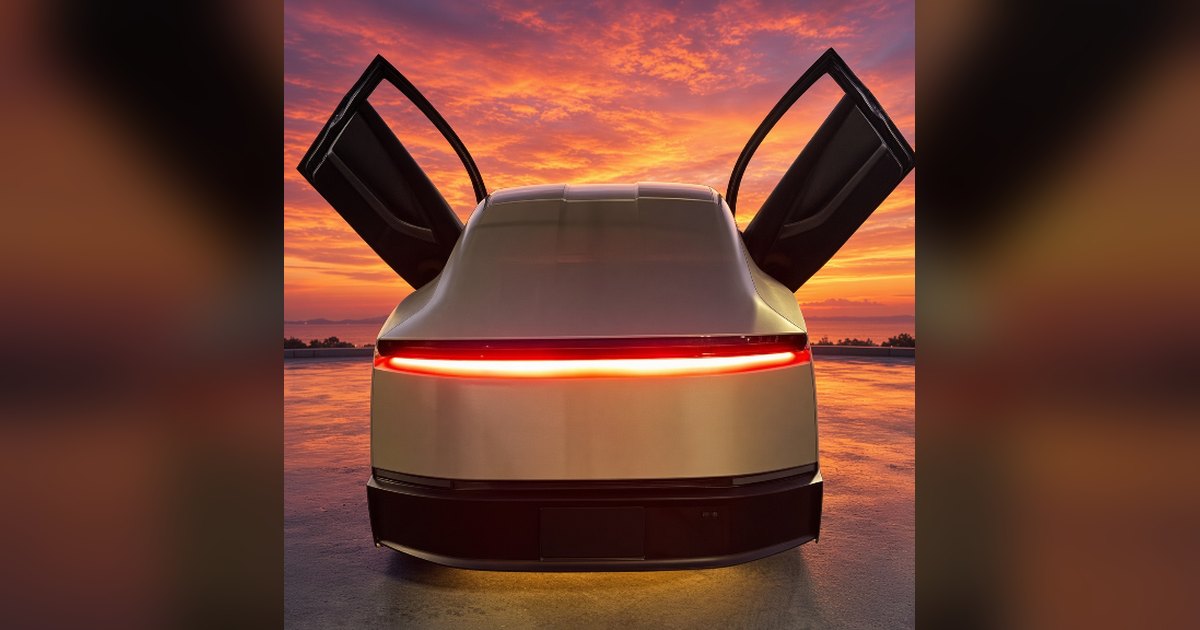
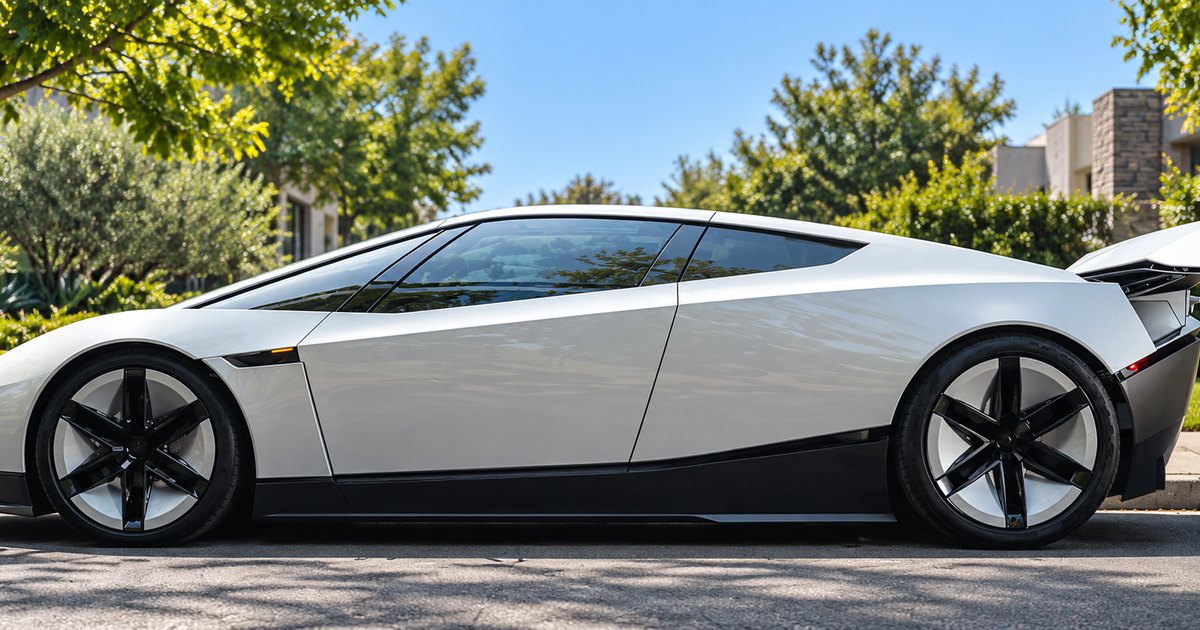
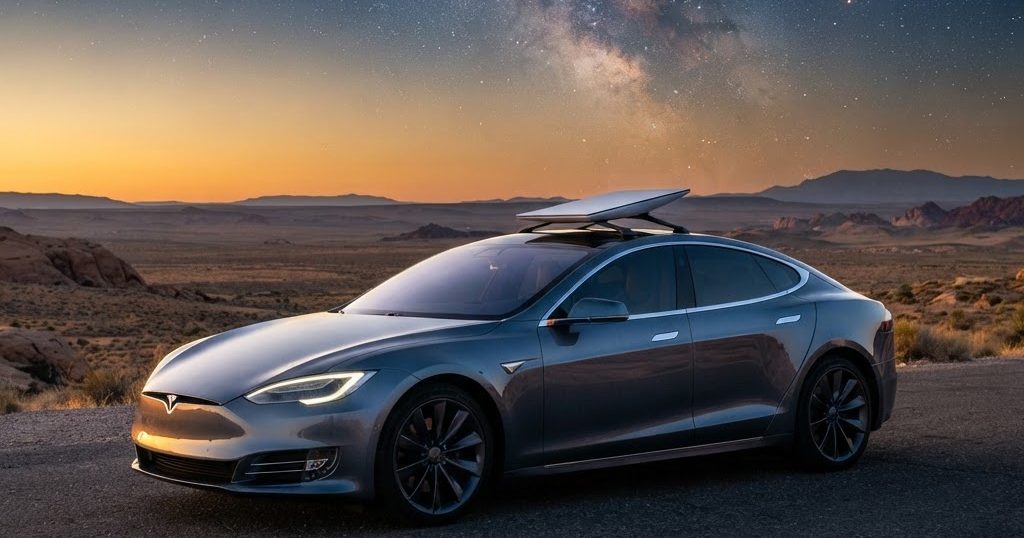
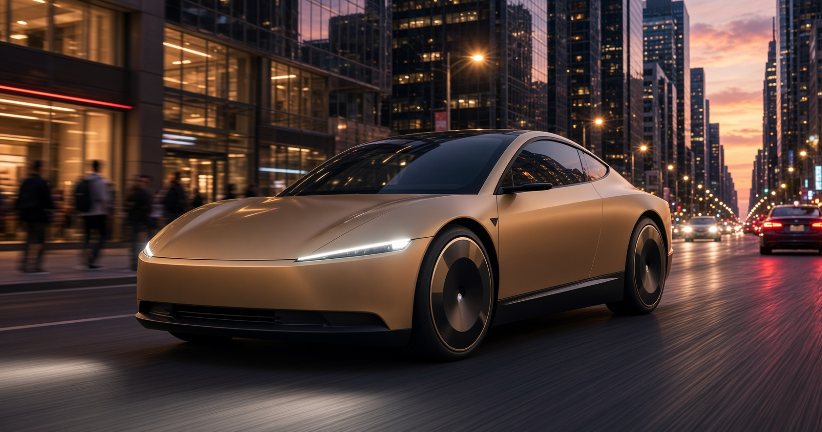
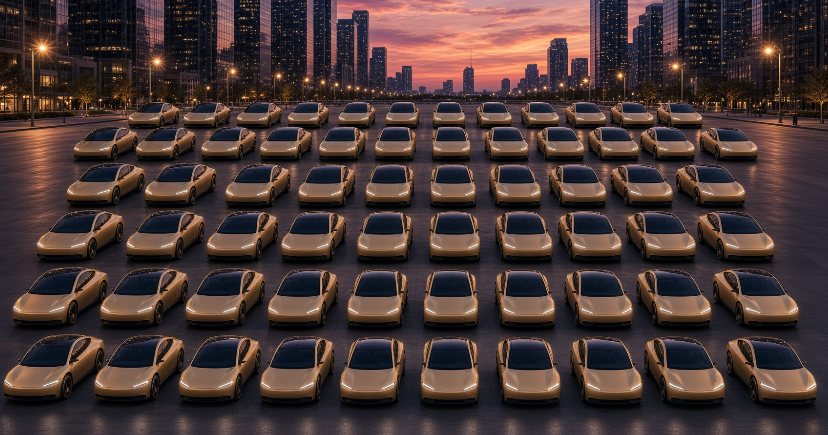
The Formula 1 United States Grand Prix in Austin turned into the biggest public test yet for Tesla's driverless Cybercab. Over the race weekend, gold two-seaters without a steering wheel or pedals shuttled fans between the city and the Circuit of the Americas (COTA), about 15 miles southeast of downtown. Tesla itself has stayed quiet on the results, but data gathered by fans and public records give a first picture of how the weekend went.
What happened on race weekend
Before the event, Tesla quietly stretched its Austin service area to reach the track and moved the last call for rides to 1 a.m. local time. On Sunday, October 25, the day of the race, those changes were put to work:
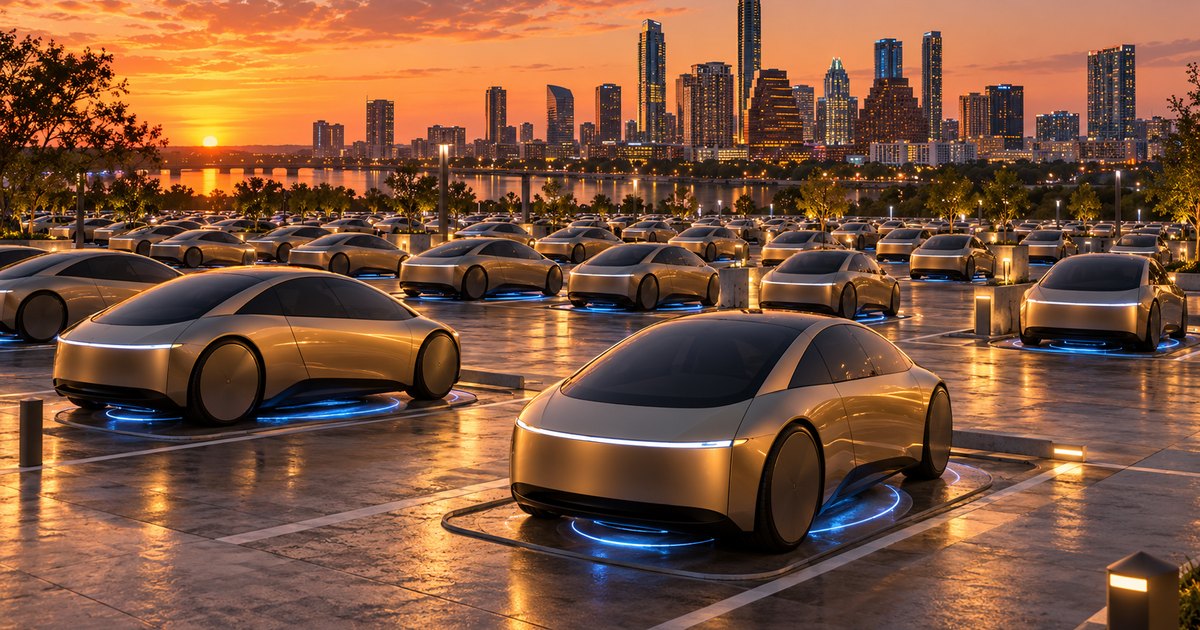
- Dozens of Cybercabs at the track. Tesla investor Sawyer Merritt reported that more than 50 Cybercabs were dropping off passengers at COTA by midday on Sunday. Ashok Elluswamy, who leads Tesla's AI software work, posted a photo of a long line of Cybercabs and Model Y robotaxis near the circuit.
- Rides home after the race. The fan account Cybercab Spotter reported riders hailing Cybercabs to get home once the race, which started at 3 p.m. Central (4 p.m. Eastern, 8 p.m. UK), had finished.
- Not everywhere was open. Some spots next to the circuit, such as COTALAND and the karting track, still showed as blocked in the app, and one rider said the rideshare pickup point was more than a 20-minute walk from the main gate.
Record sightings and a growing fleet
On Saturday, qualifying day, the trackers Cybercab Spotter and Robotaxi Radar counted 1,250 Cybercab sightings in Austin, of which 1,159 (about 93%) had nobody in the driver's area. The previous record was 1,072 sightings on October 16. These counts come from people spotting and logging cars, so the same Cybercab can be counted more than once; they show activity, not the size of the fleet.
A better guide to fleet size is the Texas registry for automated vehicles. At midday on Sunday it listed 970 Tesla robotaxi vehicles, 463 of them Cybercabs. That is a clear jump from the "more than 300" Cybercabs Tesla claimed on October 10, barely two weeks earlier. Tesla started paid Cybercab rides in Austin on September 3.
What Tesla has not said
Tesla has not published how many trips it gave to and from the track, how long riders waited, or whether there were incidents. It has also not said whether the larger service area and the 1 a.m. cut-off will stay now that the race is over. Some observers expect parts of the event setup to be rolled back.
For comparison, rival Waymo offers rides in Austin only through the Uber app, in an area of roughly 140 square miles that stops well short of the circuit, and it did not announce any race-day service. Tesla's Austin zone was about 264 square miles before the latest extension.
Why it matters
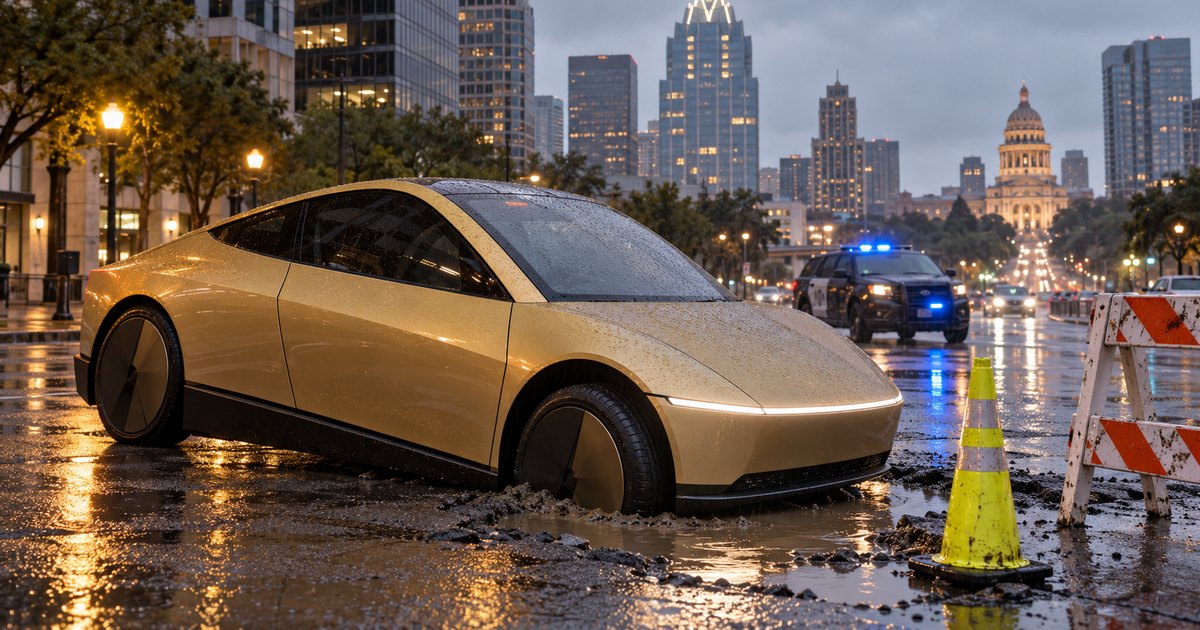
A race weekend is a tough environment for any taxi service: heavy traffic, closed roads, police directing cars, crowds on foot and pickup zones that move from day to day. Handling that without a human driver, at scale, is a different challenge from quiet weekday trips in the city centre. The weekend did not end with any reported problems, but without numbers from Tesla it is hard to judge how well the service coped with peak demand.
Tesla's own safety report covers about 3.1 million driverless miles between January 22 and October 18, mostly in Austin and Dallas, and claims no injuries caused by its robotaxis. That data is self-reported and has not been independently checked.
What to watch for next
- NHTSA deadline on October 30. The US road safety regulator has asked Tesla to explain how it certified the Cybercab, which has no manual controls. Tesla's answer is due this Friday.
- Longer hours. On the third-quarter earnings call, Tesla said a 2 a.m. cut-off is coming soon and that it wants Robotaxi to run around the clock before the end of the year.
- Dallas and customer sales. Tesla expects to bring the Cybercab to Dallas next month and aims to deliver the first Cybercabs to private customers before the end of 2026.
Sources (3)
Images are illustrations; some are made with AI.