 5:11
Tesla makes its Houston Robotaxi zone 10 times bigger as its Texas fleet passes 1,000 vehicles
Tesla's driverless Model Y service in Houston now covers about 254 square miles, from the northwest suburbs through downtown, while its registered robotaxi fleet in Texas tops 1,000 cars.
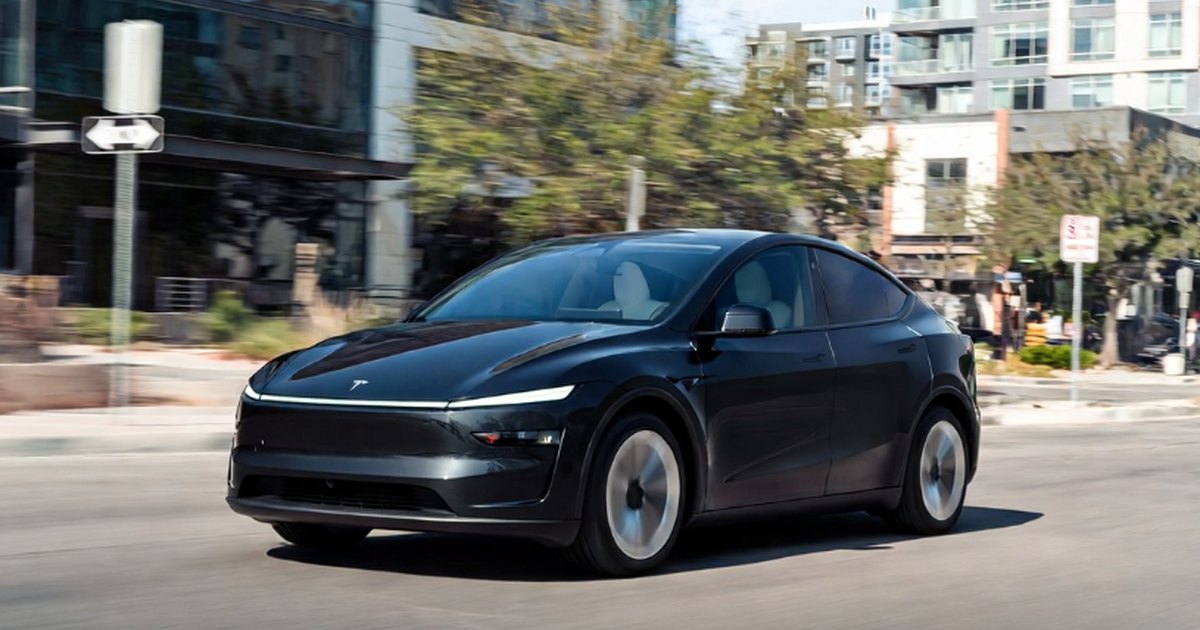
Tesla has made its Houston Robotaxi service area roughly ten times bigger. On Monday, October 26, the company's Robotaxi account posted a new map with the line "Houston, we have liftoff", and the larger zone went live the same day. Fan measurements put it at about 254 square miles, up from roughly 25 square miles before; Tesla itself has not published a figure. Rides are still given in Model Y cars with nobody in the front seats. At the same time, Tesla's registered robotaxi fleet in Texas passed 1,000 vehicles.
So what does the new Houston zone actually cover?
Much of the west side of the city, from the suburbs to downtown. The old zone was a small strip in the northwest, around Jersey Village and the corridor along U.S. 290 and State Highway 249. The new one runs from near Copperfield and Jersey Village through Downtown Houston and Bellaire, and reaches close to Missouri City in the southwest. In the east it stops just short of Pasadena and South Houston.
- Size: about 254 square miles, around ten times the old area, based on mapping by fans.
- People: Not a Tesla App estimates that about 1.2 million residents live inside it.
- Airports: neither George Bush Intercontinental nor Hobby is included.
That last point matters, because airport trips are among the most valuable rides in any city.
How does that compare with Waymo and Tesla's other cities?
It is now several times larger than Waymo's Houston area. Waymo, which has run driverless rides in Houston since August, covers about 49 square miles there, so Tesla's zone is roughly five times larger. In Dallas, Tesla's own service area is only about 31 square miles. Austin remains Tesla's flagship city: its zone was about 264 square miles even before Tesla stretched it again ahead of the Formula 1 race weekend. Houston has now gone from Tesla's smallest robotaxi zone to one of its largest. But a big map only helps riders if there are enough cars to cover it.
Does Tesla have enough cars to fill it?
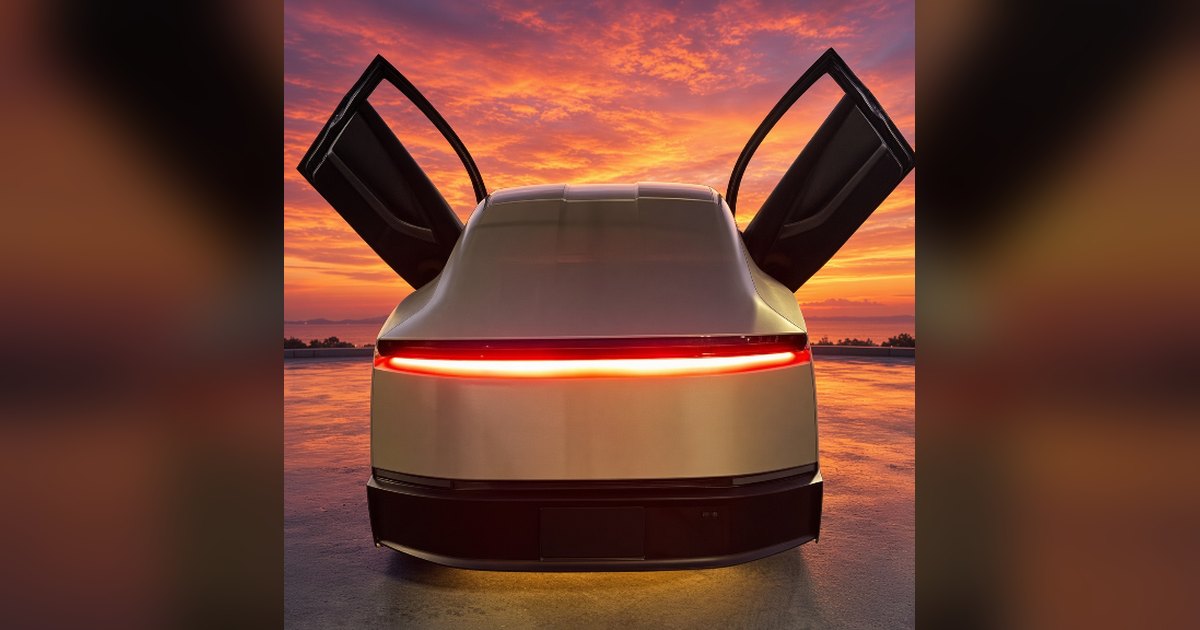
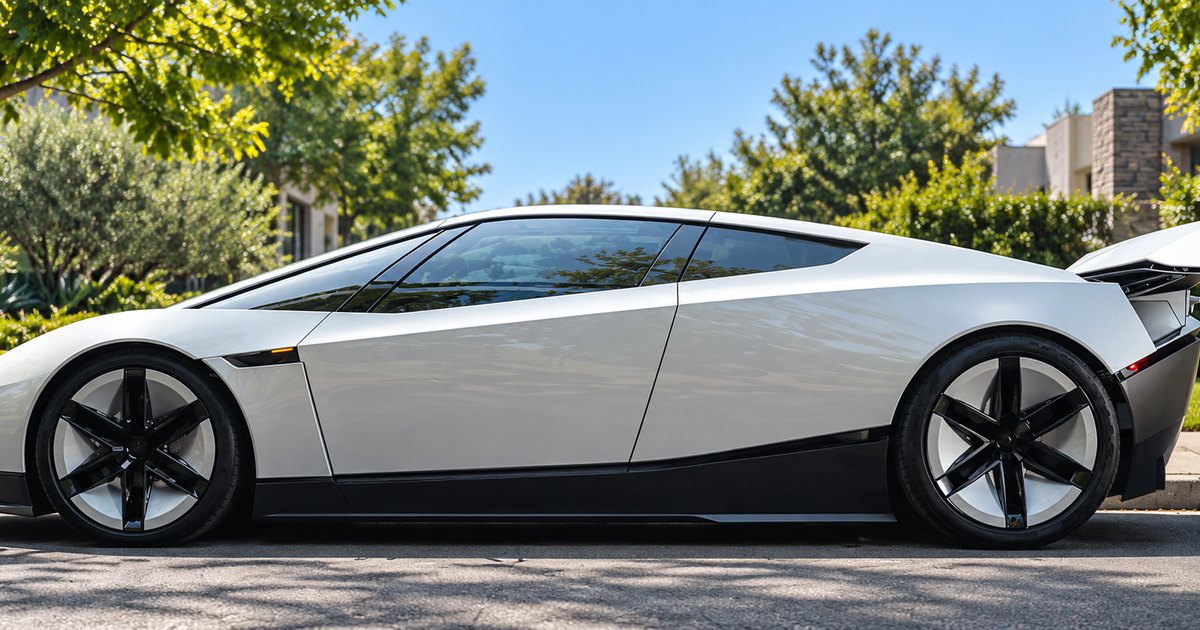
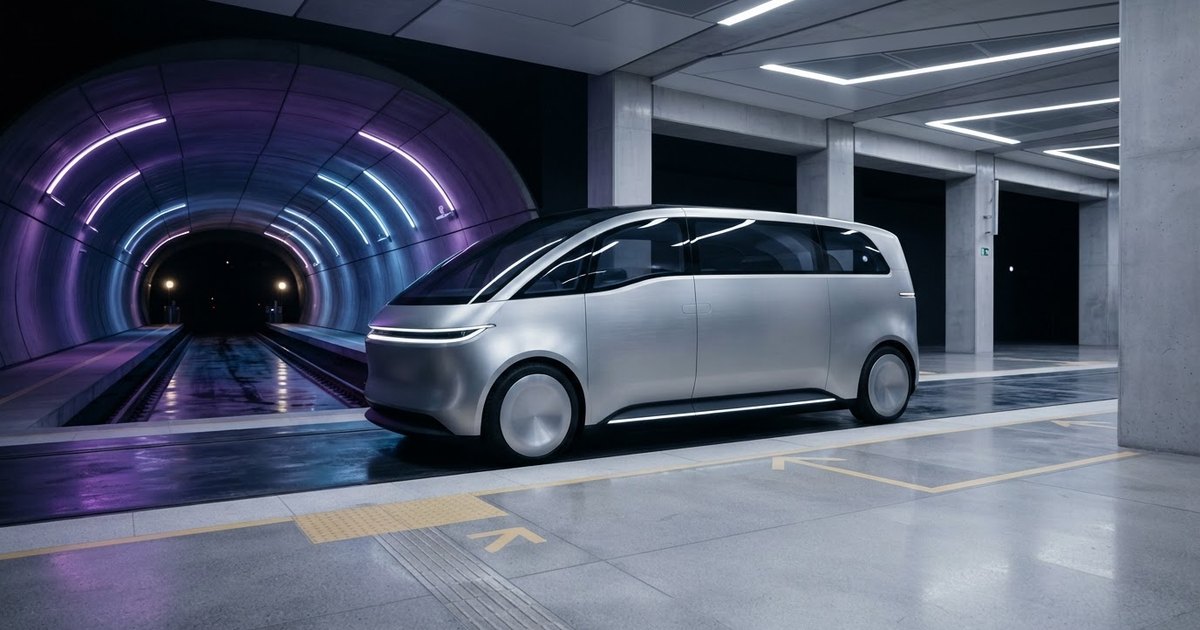
In Texas, the fleet just passed 1,000 vehicles. According to TexasAVTracker, which follows the state's records for automated vehicles, Tesla had 1,051 robotaxis registered in Texas as of October 27: 544 Cybercabs and 507 Model Y cars. Two days earlier, during the race weekend in Austin, the count stood at 970, of which 463 were Cybercabs. In late September the fleet had only just passed 500.
These are registrations for the whole state, not cars on the road in Houston. Public Cybercab rides are still only available in Austin. Reports say dozens and possibly close to 200 Cybercabs have been seen staging and testing in Houston, but Tesla has not said when riders there can book one. Dallas is set to get Cybercab rides in November, which would make it the second city after Austin.
How has the Houston service done so far?
It has driven a lot of miles without anyone in the front. Tesla launched its Houston service on April 18, 2026, without a safety monitor in the front seats. Tesla's latest safety report showed the Houston fleet at nearly 226,000 autonomous miles by mid-October. That is a meaningful amount of real-world driving, but miles alone are not a safety score. To judge the service, riders and regulators need data on crashes and interventions per mile, city by city, and those will matter more as the zone grows tenfold. Then there is the shape of the new map, which got plenty of attention on its own.
Why is the zone shaped like a rocket?
Elon Musk says it is a coincidence. The new outline looks a lot like a SpaceX Starship, and the "liftoff" post leaned into Houston's role as home of NASA's mission control. Several Tesla news sites linked the shape to the talks about a possible merger between Tesla and SpaceX, which are still open. Musk has said the shape was not planned. Either way, the practical news is the size of the area, not its outline.
What should you watch for next?
Cybercabs in more cities, and more cities overall. These are the next steps to follow:
- Cybercab in Houston: whether the cars seen testing there start carrying paying riders, and when.
- Dallas in November: the planned start of Cybercab rides in Tesla's second Cybercab city.
- New cities: Tesla has named Las Vegas, Phoenix, Jacksonville and San Antonio as its next Robotaxi markets.
- Owners' cars: on the Q3 2026 earnings call, AI chief Ashok Elluswamy said owners could start adding their own Model 3 and Model Y to the network in the second quarter of 2027, once unsupervised FSD is released.
For now, Houston riders get a far bigger area to ride in. Whether the cars keep up with the map is the real test for the coming months.
Sources (3)
Images are illustrations; some are made with AI.