 5:37
Inside the Tesla Cybercab: a battery pack ready for cheaper LFP cells, four swappable modules and no paint shop
Tesla engineers told Munro Live that the Cybercab's pack has spare room for cheaper LFP cells, is split into four replaceable modules, and that the body is coloured without paint. Optimus may soon plug the robotaxis in.
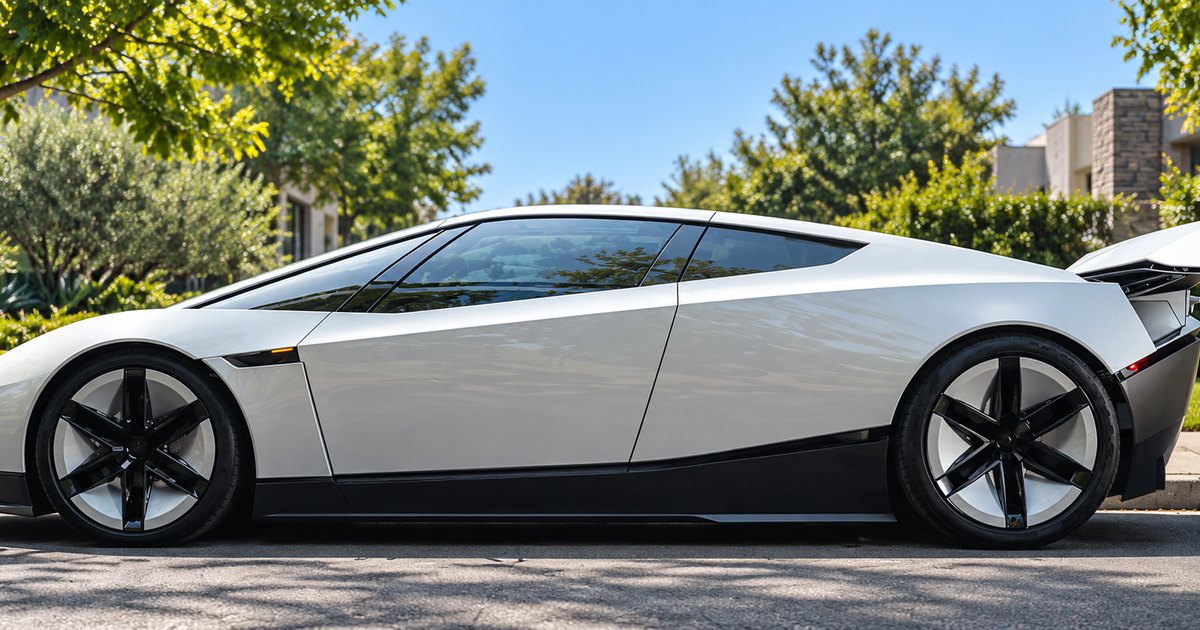
Tesla's engineers have given an unusually detailed look inside the Cybercab, the two-seat robotaxi without a steering wheel or pedals. In a deep-dive interview with Sandy Munro's YouTube channel Munro Live, reported on October 27 by Teslarati and Not a Tesla App, they explained that the battery pack was left with spare room so Tesla can switch to cheaper lithium iron phosphate (LFP) cells later. The pack is made of four sealed modules that can be replaced one by one, the plastic body panels are coloured in the mould instead of painted, and Tesla hopes Optimus robots will soon plug the cars in. The Cybercab only makes sense as a business if it is cheap to build and cheap to keep running for hundreds of thousands of miles, and the battery is one of its most expensive parts.
So why does the Cybercab's battery pack have empty space?
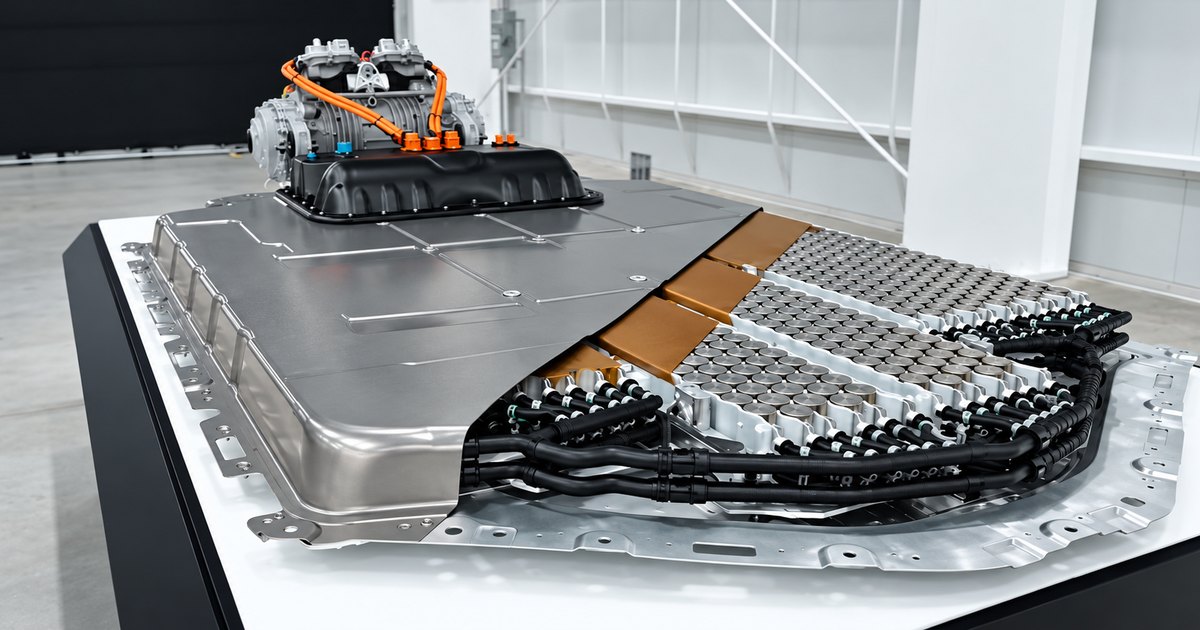
To make room for cheaper LFP cells later. Robert Sumpf, Tesla's director of mechanical design for battery modules and packs, said the pack was designed with free space beside and below the modules, so it is "protected" for a chemistry with lower energy density. Today the Cybercab runs on Tesla's own 4680 cells with a nickel-based chemistry. LFP cells store less energy for the same volume, so a straight swap would cut range. Filling the reserved space with extra LFP cells could make up for that, while giving Tesla cells that are cheaper, run cooler and survive more charge cycles.
Part of the room exists for a simpler reason. Lars Moravy, Tesla's vice president of vehicle engineering, said the car turned out to need fewer batteries than expected. In early 2025, Tesla told Munro it was aiming for a pack under 50 kWh with close to 300 miles of range. Sumpf gave no date for an LFP version, named no cell supplier and did not say how a switch would change the range. Cheap cells are only half of the story, because a robotaxi battery also has to be repairable over a very long life.
Why did Tesla split the pack into four modules?
So that one faulty module can be swapped instead of the whole pack. The Cybercab pack consists of four separate modules, each sealed on its own. That is a clear break from the structural battery in the Model Y, where the pack is part of the car's body. Sumpf was openly critical of that design, giving it a "grade D" because it is hard to build and nearly impossible to repair. He estimated that a fully structural pack fits about 10% more cell volume, but said the service cost is the real problem.
Cybercab chief engineer Eric Earley explained why that matters for a robotaxi: replacing a pack before half a million miles is expensive, so remanufacturing and easy service were built in from the start. The battery is not the only big cost in a car factory, though. A conventional paint shop is one of the most expensive parts of any plant.
So how do you give a car colour without painting it?
By mixing the colour into the material. Moravy said a traditional paint line can cost a few hundred million dollars and around a million hours of work to build, so the team simply asked why the car needs paint at all. The body panels are made by reaction injection moulding: colour is mixed into a polyurethane resin just before it is injected, and the panels come out already coloured with a smooth, show-quality surface. Because the colour runs all the way through, a light scratch does not reveal a different layer underneath.
The metal structure gets only what it needs:
- Side modules: built around hot-stamped boron steel door rings and dipped in an anti-corrosion e-coat.
- Front and rear castings: no coating at all, because their aluminium alloys do not corrode or lose strength over time.
- Factory floor: dropping the paint shop, together with Tesla's "unboxed" build of separate modules, cuts floor space per car by about 50%.
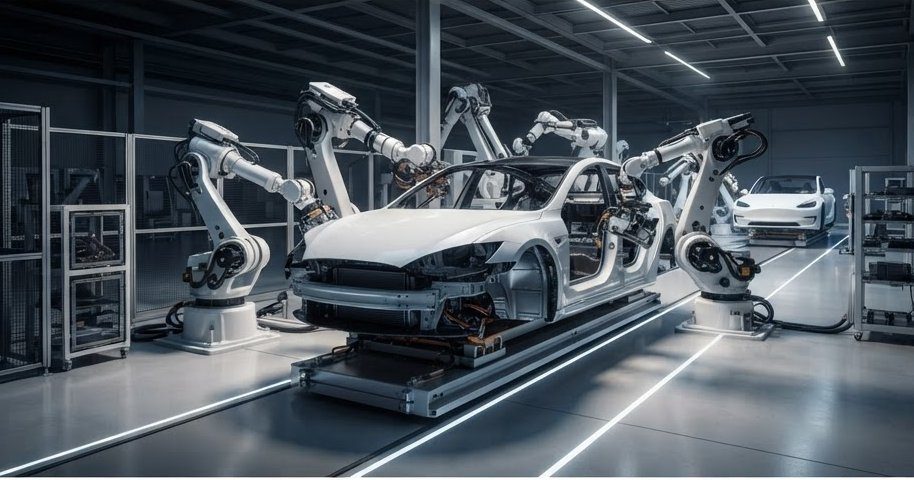
- Automation: final assembly has about 25 automated stations, and Moravy put the whole line at roughly 78% automated.
A cheap car still has to be charged, and for now Tesla staff plug in every robotaxi by hand.
Who will plug in the Cybercabs?
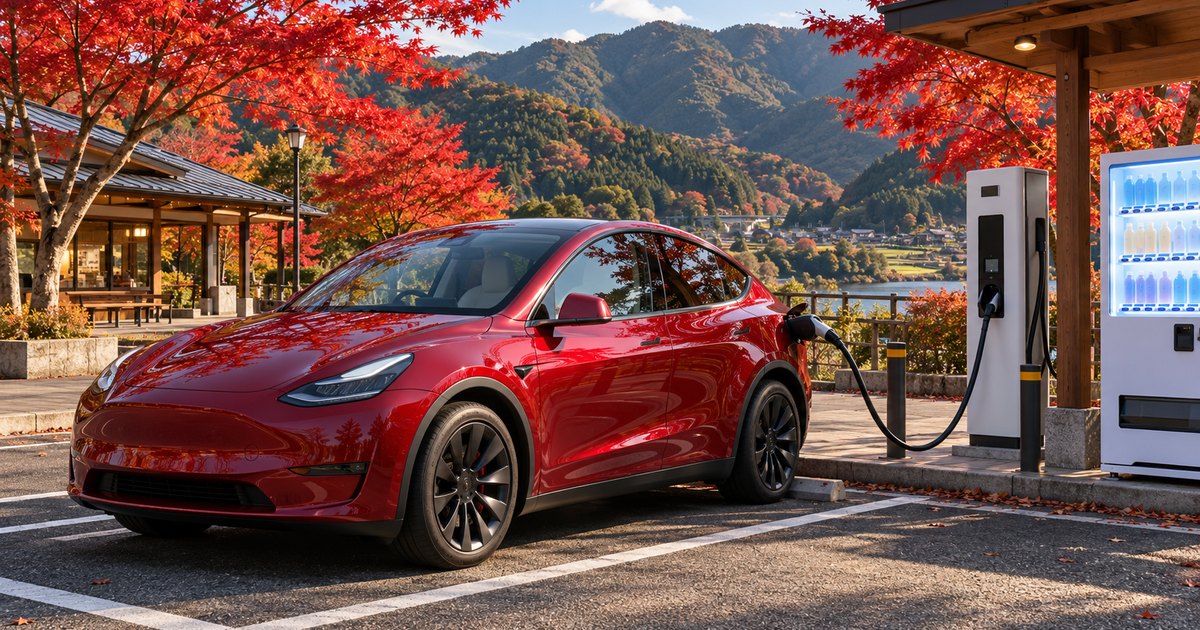
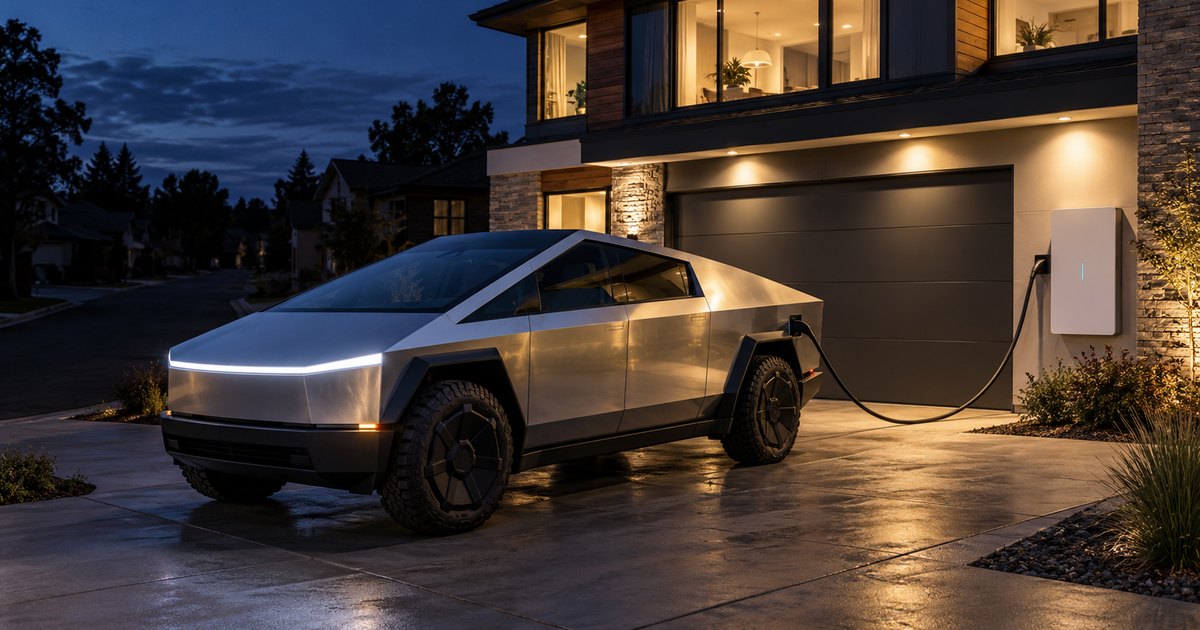
For a while, Tesla hopes it will be Optimus. According to Not a Tesla App, Moravy and Earley told Munro that they hope Optimus will "help us with that shortly". The Cybercab cannot charge on AC power, so it depends on Superchargers and has a charging port in its rear bumper. Tesla employees currently connect the cars by hand, and a recent video from an Austin Supercharger showed a worker plugging in Cybercabs and Model Y robotaxis.
The long-term plan is wireless charging. Tesla received approval from the US Federal Communications Commission for wireless Cybercab charging earlier this year and plans an Austin robotaxi hub with 80 wireless chargers. Not a Tesla App expects that wireless charging will probably not be ready in 2027, which is why a robot with hands could fill the gap. Asked about servicing the fleet, the engineers said Optimus might also do that. None of these plans comes with a firm date yet.
What should we watch for next?
Customer deliveries and the first signs of LFP. Tesla aims to deliver the first Cybercabs to outside customers by the end of 2026, although Elon Musk has said most of them will stay in Tesla's own ride service. Texas vehicle records cited by Teslarati already list 544 Cybercabs on Tesla's robotaxi roster, next to 507 Model Ys. Optimus production has started at Fremont, with the first deliveries to corporate customers planned for 2027. Watch for an LFP Cybercab or a lower price, for the first robots at Tesla's charging hubs, and for how cheaply Tesla can really keep these cars on the road.
Sources (3)
Images are illustrations; some are made with AI.