 2 min
Starlink V3 explained: why the new satellites need Starship, and what a 100 times bigger network would change
SpaceX has launched its first third-generation Starlink satellites and plans a booster and ship catch on the next Starship flight. What V3 is, the targets, and the link to connected and driverless cars.
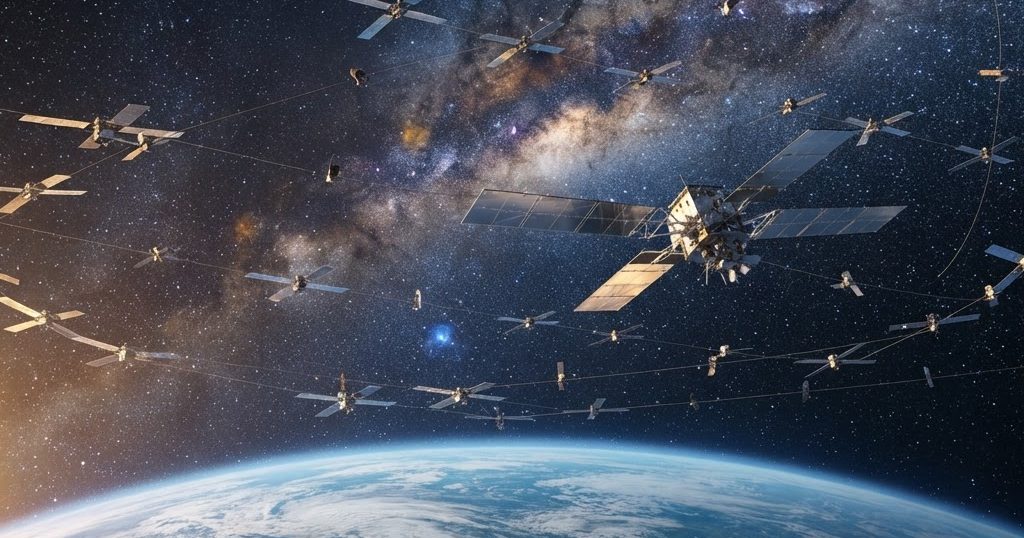
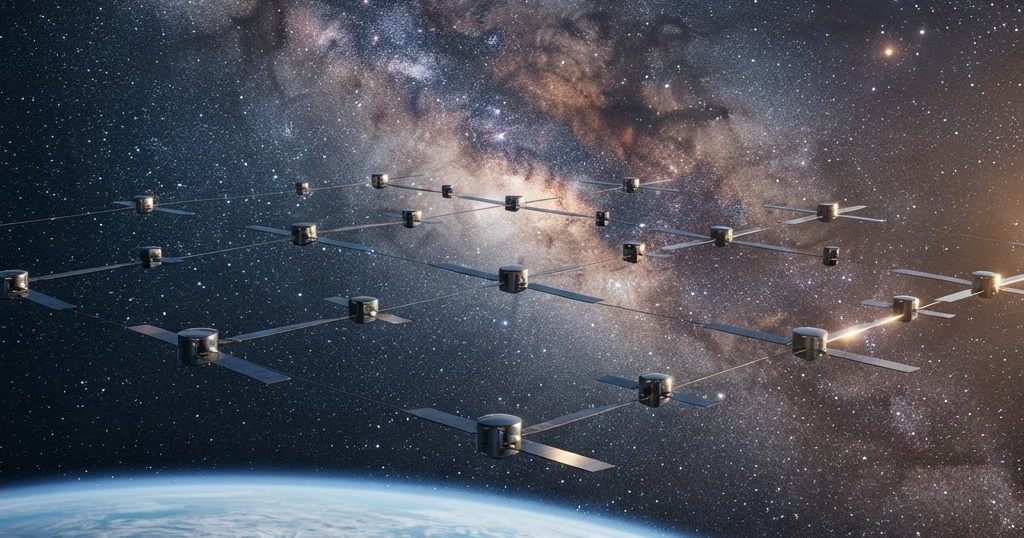
Starlink's first two generations of satellites were launched by the Falcon 9. The third generation is different: the satellites are so large and powerful that only Starship can carry them. With the first batch in orbit, SpaceX has set out very ambitious goals. Here is what V3 is and why it matters beyond home internet.
What V3 brings
- First launch: on Starship's Flight 14, SpaceX deployed 26 V3 satellites.
- Capacity: together they added about 26 terabits per second. SpaceX says that equals roughly ten Falcon 9 launches of older satellites.
- The target: Musk wants Starlink's total bandwidth to grow a hundredfold within three years, with about 100,000 V3 satellites. Today about 11,100 Starlink satellites are in orbit.
Those are targets set by Musk, and they depend on Starship flying very frequently and reliably.
Why Starship is the key
A reusable Starship can carry many large satellites at once. SpaceX already catches Super Heavy boosters with the arms of its launch tower; it did so first in October 2024. On Flight 15, it plans to catch both the booster and the upper stage. Catching and reusing the whole rocket is what could make launching tens of thousands of satellites affordable.
Why a much bigger network matters
Musk argues that future demand, including communication between AI systems, will need far more bandwidth than today. Closer to the road, more capacity matters for three reasons:
- Direct to phones and cars: SpaceX is building a satellite network that talks directly to ordinary phone chips, and the FCC approved up to 15,000 next-generation direct-to-cell satellites in October. The upgraded service is targeted for the end of 2027.
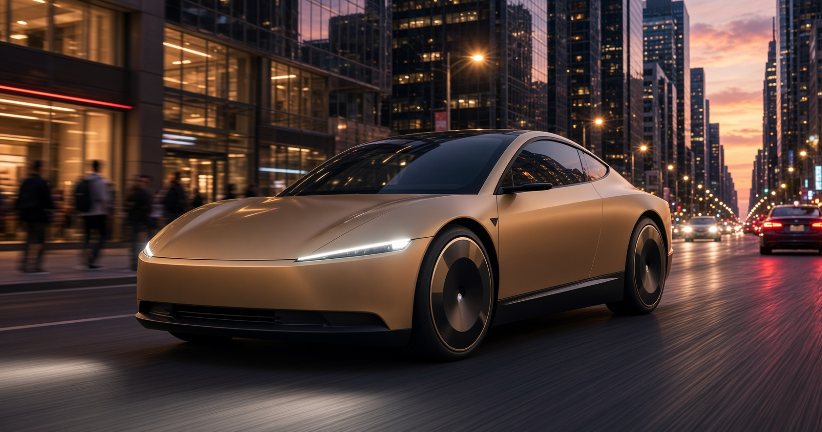
- Robotaxis: driverless fleets need a reliable connection for routing, support and fleet management. The Cybercab already carries a Starlink antenna next to 5G.
- Coverage everywhere: more capacity per area means satellite internet can serve busy regions, not only remote ones.
The caveats
Starship has had failures along the way, and every delay slows the V3 roll-out. Astronomers and space safety experts also worry about the growing number of satellites. And for cars, satellite connectivity will for years be a supplement to mobile networks rather than a replacement.
What to watch
The Flight 15 catch attempt, the pace of further V3 launches, and whether Tesla brings Starlink hardware to more models than the Cybercab.